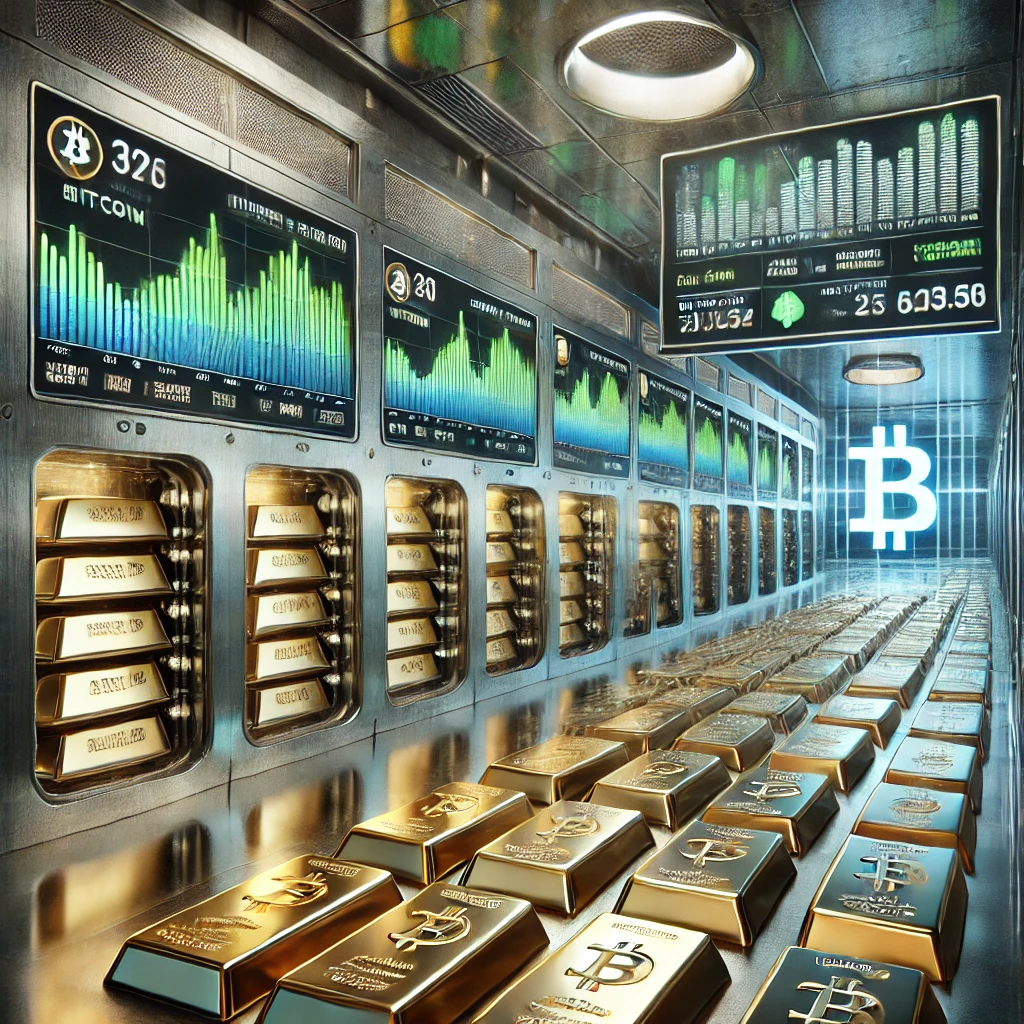
Why a National Bitcoin Reserve Isn’t Crazy: A Strategic Perspective

When former U.S. Treasury Secretary Larry Summers dismissed the idea of a national Bitcoin reserve as “crazy,” he reignited a debate about the evolving role of digital assets in global finance. At first glance, the concept may seem unconventional, but a closer look reveals why a Bitcoin reserve could be a strategic asset for nations looking to diversify, innovate, and safeguard their economic futures.

1. Bitcoin as a Hedge Against Inflation

Bitcoin’s limited supply—capped at 21 million coins—stands in stark contrast to fiat currencies, which are subject to inflationary pressures due to central bank policies. As governments worldwide grapple with rising debt and monetary expansion, Bitcoin offers a deflationary alternative. Countries like El Salvador, which adopted Bitcoin as legal tender, view it as a hedge against the devaluation of their local currencies. For larger economies, integrating Bitcoin into reserves could provide similar protection against inflationary shocks.

2. Diversification of National Reserves

Traditionally, central banks rely on a mix of foreign currencies, gold, and bonds in their reserves. However, with rising geopolitical tensions and economic uncertainties, diversification is more critical than ever. Bitcoin, as a decentralized and borderless asset, is immune to geopolitical sanctions and political manipulation. Its adoption by global institutions as a legitimate store of value underscores its potential role in national reserves.
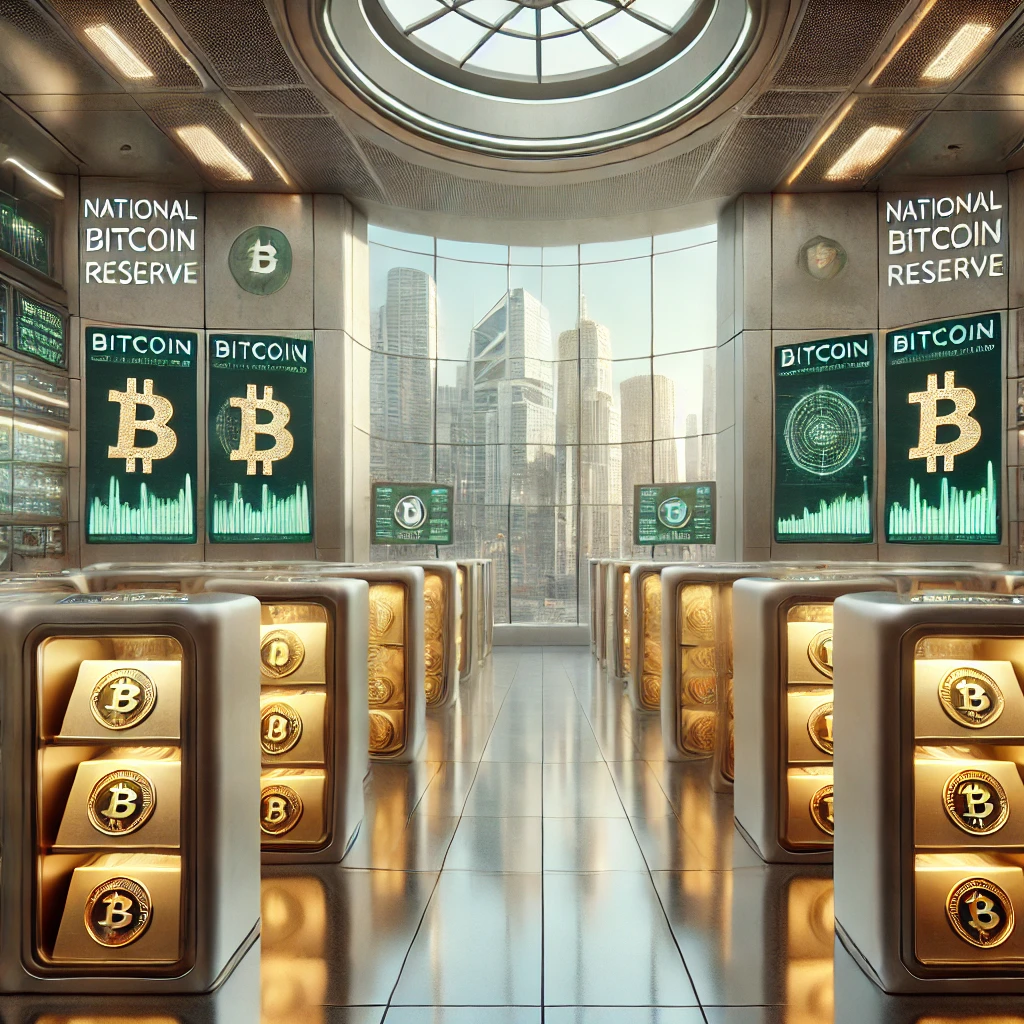
3. Global Trends in Digital Asset Adoption

Countries like Singapore, Switzerland, and the UAE are embracing digital asset innovation. Central banks, including the Bank of England and the European Central Bank, are exploring Central Bank Digital Currencies (CBDCs), signaling a shift toward digital finance. By including Bitcoin in reserves, nations can stay ahead of the curve, positioning themselves as leaders in the digital economy.

4. Economic Sovereignty

Bitcoin offers a unique advantage: it operates outside traditional financial systems. For nations vulnerable to economic sanctions or over-reliance on the U.S. dollar, Bitcoin provides an alternative. By holding Bitcoin reserves, these countries can reduce dependency on global powers and maintain greater economic sovereignty.

5. Strategic Innovation

Investing in Bitcoin isn’t just about safeguarding assets—it’s also about signaling a commitment to innovation. Blockchain technology, the backbone of Bitcoin, has applications in supply chain, identity verification, and smart contracts. A nation that integrates Bitcoin into its reserves signals its willingness to embrace and lead in cutting-edge technologies.

6. Addressing Volatility Concerns

Skeptics often point to Bitcoin’s price volatility as a reason to avoid it. However, long-term trends show that Bitcoin’s value has consistently risen over time, driven by increased adoption and growing institutional interest. Moreover, a balanced approach—where Bitcoin constitutes a small percentage of reserves—can mitigate volatility risks while still providing exposure to its potential upside.

7. Lessons from Early Adoption

El Salvador’s bold Bitcoin experiment has been met with both praise and criticism. While it’s too early to draw definitive conclusions, the move has attracted significant international attention and investment. By studying such cases, larger economies can implement more measured and strategic approaches to integrating Bitcoin into national reserves.

Conclusion: A Bold Step Toward the Future

Dismissing Bitcoin as a national reserve asset outright overlooks its transformative potential in the global financial system. While it may not replace traditional reserves entirely, Bitcoin can complement existing strategies, offering nations a hedge against inflation, a tool for diversification, and a pathway to economic sovereignty.

As the world becomes increasingly digital, nations that recognize the strategic value of Bitcoin today may find themselves better prepared for the financial realities of tomorrow. Far from being “crazy,” a national Bitcoin reserve could be a visionary move in an era of rapid economic and technological change.

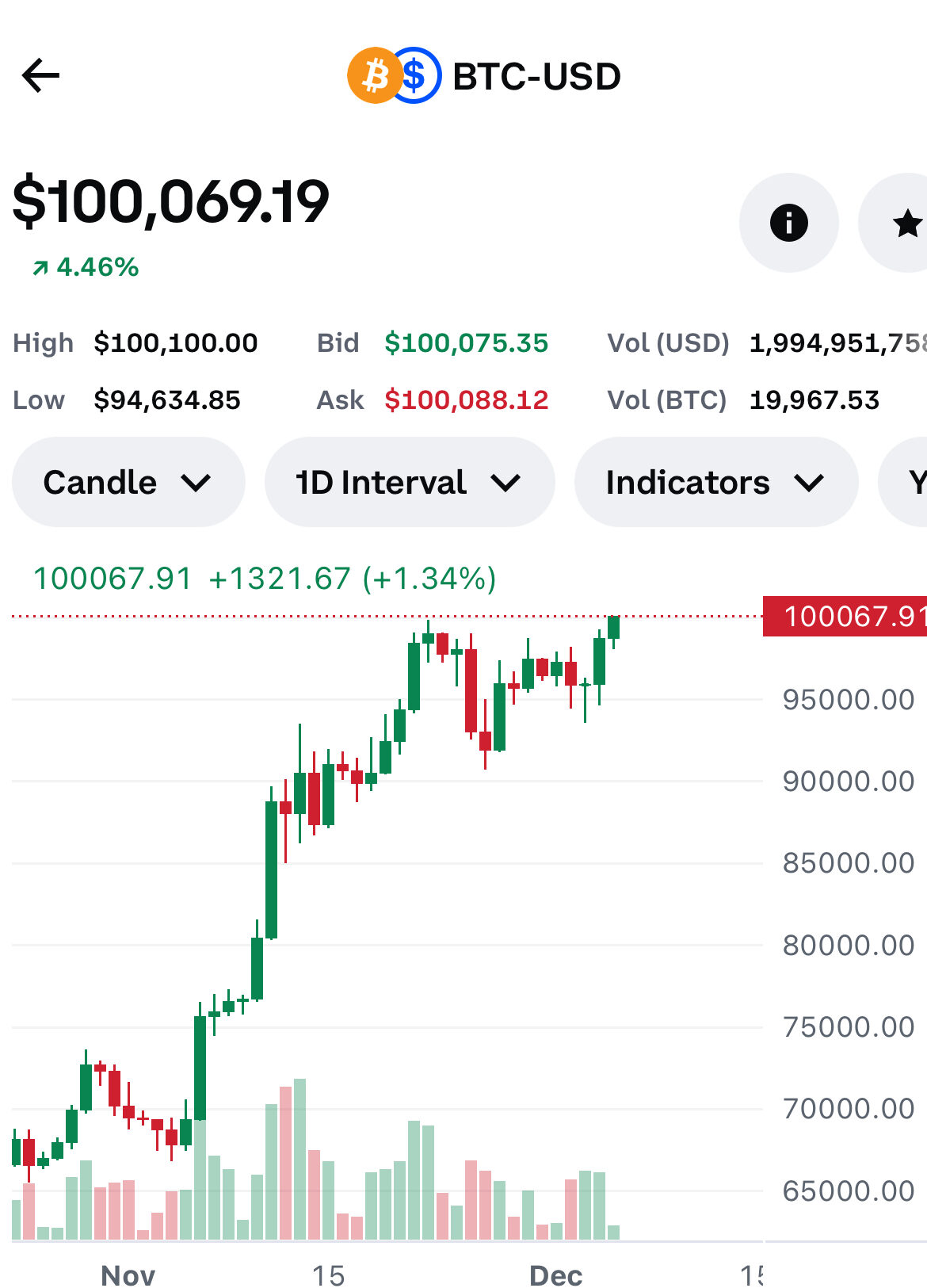
Bitcoin Breaks $100,000: A Historic Milestone in Digital Finance

Bitcoin has reached a momentous milestone, soaring past $100,000 for the first time in its history. What began as a radical experiment in decentralized finance over a decade ago has now become a cornerstone of the global financial ecosystem, reshaping the way we think about money and value.

This milestone represents more than just a price—it symbolizes the mainstream acceptance of cryptocurrency as a legitimate asset class. Bitcoin, often referred to as “digital gold,” has grown to rival traditional investments, offering a hedge against inflation, a store of value, and a beacon of financial innovation.

The Drivers Behind the Surge

Bitcoin’s ascent to $100,000 has been fueled by a confluence of factors. Institutional adoption has played a pivotal role, with major corporations, asset managers, and even governments integrating Bitcoin into their strategies. Regulatory clarity in key markets has also reduced uncertainty, inviting more investors to join the market.

Furthermore, macroeconomic factors, such as inflationary pressures and a weakening dollar, have accelerated Bitcoin’s adoption as a hedge against traditional financial instability. With growing trust in its security and utility, Bitcoin is no longer just an alternative—it’s becoming essential.

Altcoins Ride the Wave

As Bitcoin dominates headlines, altcoins like Stacks (STX), Hedera (HBAR), and XRP are also seeing increased attention. STX, with its innovative approach to enabling smart contracts on the Bitcoin blockchain, has attracted significant interest. Meanwhile, XRP continues to make strides in global payments, and HBAR is gaining traction as a leader in enterprise-grade blockchain technology.

These altcoins are benefiting from the broader market momentum, with many investors seeking opportunities beyond Bitcoin to diversify their portfolios.

What’s Next for Bitcoin?

The $100,000 milestone is a pivotal moment, but it also raises questions about the future. Will Bitcoin continue its upward trajectory, or will the market see a period of consolidation? Analysts remain optimistic, pointing to increasing adoption, the growing DeFi ecosystem, and the potential for further regulatory breakthroughs.

One thing is clear: Bitcoin’s journey is far from over. Its rise to $100,000 is not just a financial event—it’s a cultural and technological revolution. As Bitcoin continues to redefine the boundaries of what’s possible in finance, the world watches, ready for the next chapter in this extraordinary story.

For more insights and the latest cryptocurrency updates, visit www.futurefinancelab.com . Stay informed and ahead of the curve as we navigate this exciting new era in digital finance!

HBAR: The Rising Star of Tokenized Assets

In the ever-evolving world of blockchain technology, Hedera (HBAR) is making waves as a transformative player in the tokenization of real-world assets (RWA). With its cutting-edge platform designed to simplify and revolutionize the process, Hedera is turning previously static and illiquid assets into digital entities that are liquid, fractional, and fully transparent. Let’s delve into what’s driving this momentum and explore the incredible surge of HBAR.

The Game-Changing Potential of RWA Tokenization

Hedera is not just another blockchain. It is a public distributed ledger that offers high-speed transactions, minimal energy consumption, and unmatched security. Its recent advancements in RWA tokenization have caught the attention of the blockchain community and institutional investors alike. By enabling the seamless conversion of tangible assets like real estate, art, and commodities into digital tokens, Hedera is opening doors to new levels of accessibility and liquidity.

RWA tokenization isn’t just about modernizing traditional markets—it’s about democratizing them. By using Hedera’s technology, individuals and institutions can own fractions of high-value assets, fostering inclusivity and unlocking value previously confined to a select few.

The Meteoric Rise of HBAR

The numbers don’t lie. Over the past day, HBAR, the native token of the Hedera network, has soared by a staggering 66.80%, climbing to a price of $0.36. This surge is a testament to growing confidence in Hedera’s capabilities and its potential to lead the blockchain space in real-world utility.

Investors are flocking to HBAR, recognizing its position as a leader in next-generation tokenization. The skyrocketing price indicates more than just speculation—it’s a reflection of Hedera’s robust technological framework and increasing adoption across various industries.

Why Now?

The timing of HBAR’s meteoric rise is no coincidence. Hedera’s ecosystem has seen significant developments, including partnerships, grants for developers, and the introduction of tools to facilitate the building of tokenized asset platforms. The platform’s seamless integration of traditional finance with blockchain technology is drawing both developers and enterprises looking to innovate.

What Makes HBAR Unique?

1. Scalability and Speed: Unlike many blockchain networks that struggle with transaction throughput, Hedera boasts unparalleled scalability, processing thousands of transactions per second.

2. Sustainability: Hedera’s proof-of-stake consensus algorithm is highly energy-efficient, addressing one of the biggest criticisms of blockchain technology.

3. Governance Model: The Hedera Governing Council, composed of leading global organizations, ensures stability, trust, and decentralized decision-making.

4. Interoperability: Hedera’s ecosystem is designed to work seamlessly with existing financial systems, making it easier for enterprises to adopt.

The Future of HBAR and Tokenized Assets

As traditional industries embrace blockchain, Hedera stands out as a pioneer in bridging the gap between the old and the new. With RWA tokenization poised to disrupt trillions of dollars’ worth of assets, HBAR’s utility and adoption could see exponential growth.

This recent surge might be just the beginning. As the world awakens to the possibilities of tokenized assets, Hedera is setting the standard for how blockchain can revolutionize finance and beyond. Whether you’re an investor, a developer, or simply an enthusiast, now is the time to keep a close eye on HBAR—it’s a name that’s shaping the future of tokenized economies.

Visit FutureFinanceLab.com for more details and educational content. Become a member today to stay ahead of the curve and be part of the blockchain revolution!

Disclaimer: This article is for informational purposes only and should not be construed as financial advice. Always do your own research before investing.

Altcoin Season is Officially Here: Spotlight on XRP and HBAR

As the latest CMC Altcoin Season Index hits a solid 75/100, it’s official: the crypto market is firmly in altcoin territory. This index score indicates that a majority of the top 50 cryptocurrencies have outperformed Bitcoin over the last 90 days, signaling a significant shift in investor sentiment and capital flow toward altcoins.

Leading the charge are some standout performers, including XRP and HBAR, with impressive 90-day gains of 321% and 373%, respectively. These gains underscore the growing confidence in utility-driven tokens as investors look beyond Bitcoin for opportunities.

XRP: Momentum from Legal and Utility Gains

XRP’s resurgence is tied to favorable developments in its ongoing legal saga and increasing adoption for cross-border payments. Ripple’s expanding partnerships and use cases in the financial sector have propelled XRP into the spotlight, with its price reflecting renewed optimism about its potential.

HBAR: Pioneering Efficiency and Scalability

HBAR has also seen a meteoric rise, driven by its unique position in the market. Hedera’s enterprise-grade blockchain solution, offering unmatched efficiency and scalability, continues to attract institutional and developer interest. Its focus on real-world applications, from tokenized assets to supply chain solutions, has resonated with investors.

Broader Market Implications

The current altcoin season marks a clear divergence in the crypto landscape. While Bitcoin remains a dominant force, this trend highlights the market’s appetite for innovation and diversification. With other coins like DOGE, ADA, and ALGO also posting significant gains, this rally reflects a broader altcoin narrative centered on utility, community, and speculative excitement.

For traders and investors, the season is ripe with opportunities, but as always, market conditions demand careful analysis and risk management. Altcoin season may just be getting started, and coins like XRP and HBAR are positioned to remain pivotal players in this evolving narrative.

For more insights into the evolving world of cryptocurrency and finance, and to stay ahead in this fast-moving space, visit FutureFinanceLab.com. Become a member today to access exclusive content, market trends, and expert analyses!

MicroStrategy’s Big Gamble: Pioneering the Future of Finance with Bitcoin

A Bet Worth Taking

When MicroStrategy made headlines for converting its corporate treasury into Bitcoin, skeptics raised eyebrows. Critics dismissed the move as reckless, gambling the company’s future on a volatile and unpredictable cryptocurrency. But for Michael Saylor, MicroStrategy’s executive chairman, the strategy was clear: Bitcoin isn’t just an investment—it’s a revolutionary asset poised to disrupt global finance.

With over 150,000 Bitcoin now in its portfolio, MicroStrategy isn’t just buying digital currency—it’s betting on a future where Bitcoin could become a global reserve asset. Let’s dive into why this vision, though ambitious, holds incredible potential.

The Digital Gold Standard

For centuries, gold served as the backbone of monetary systems. Its scarcity and durability made it a reliable store of value, anchoring economies through times of uncertainty. But in today’s digital world, the limitations of gold—its physicality, lack of portability, and difficulty in dividing or transferring it—have become glaringly evident.

Bitcoin is often called “digital gold” for a reason. It shares gold’s scarcity, with a fixed supply of 21 million coins, but eliminates the limitations of physical assets. Bitcoin can be transferred instantly across borders, stored securely in digital wallets, and divided into minuscule fractions, making it a perfect fit for the modern, interconnected economy.

MicroStrategy recognized this potential early, positioning itself as a corporate pioneer in this new digital gold rush.

Why Bitcoin, Why Now?

The global financial system is at a crossroads. Inflation is eroding the purchasing power of fiat currencies, central banks are printing money at unprecedented rates, and geopolitical tensions are shaking confidence in traditional economic models. In this context, Bitcoin represents a safe haven—a decentralized, transparent, and incorruptible asset that governments and central banks cannot manipulate.

By shifting its reserves into Bitcoin, MicroStrategy is hedging against the vulnerabilities of fiat systems. While other companies hold depreciating cash or low-yield bonds, MicroStrategy has transformed its balance sheet into a bet on the future of decentralized finance.

MicroStrategy’s Vision: Setting the Standard

Far from a speculative move, MicroStrategy’s Bitcoin strategy is rooted in a long-term vision. Saylor views Bitcoin as the most secure and reliable store of value ever created, comparing it to the rise of the internet in the 1990s. Just as companies that embraced the internet early gained an edge in the digital age, those adopting Bitcoin today could lead the next financial revolution.

MicroStrategy’s approach has already influenced other corporations and institutional investors. Tesla, Square (now Block), and even governments like El Salvador have followed suit, incorporating Bitcoin into their financial strategies. Saylor’s bold leadership has turned MicroStrategy into a beacon for businesses exploring the possibilities of Bitcoin.

Bitcoin as a Reserve Asset: A Paradigm Shift

The idea of Bitcoin becoming a global reserve asset is no longer a fringe concept. As a decentralized currency, Bitcoin transcends borders, politics, and monetary policies. It’s a neutral asset that can be held by individuals, corporations, and governments alike.

Imagine a future where central banks hold Bitcoin alongside gold and foreign currencies in their reserves. Such a scenario could stabilize Bitcoin’s price over time, as adoption increases and volatility diminishes. In this environment, companies like MicroStrategy would not only survive but thrive as early adopters of a transformative financial asset.

The Critics and the Risks

Of course, MicroStrategy’s strategy is not without detractors. Critics argue that tying the company’s fate to a volatile asset like Bitcoin is risky, especially given its price swings and regulatory uncertainty. If Bitcoin’s value crashes, MicroStrategy could face significant financial challenges, including its debt obligations tied to Bitcoin purchases.

However, these criticisms overlook the broader context. Bitcoin has demonstrated remarkable resilience, rebounding from every major downturn to reach new heights. Its network effect—driven by increasing adoption and limited supply—suggests that its value will continue to grow over time. For MicroStrategy, the risks are dwarfed by the potential rewards.

The Long-Term Vision

Michael Saylor has often compared Bitcoin to an unstoppable force, akin to the invention of electricity or the internet. His strategy is not about quarterly earnings or short-term gains—it’s about positioning MicroStrategy for the future. As the world moves toward digital assets, decentralized finance, and blockchain-based systems, Bitcoin’s role as a foundational asset will only grow.

By aligning itself with this vision, MicroStrategy is not just investing in Bitcoin—it’s leading a movement. It’s betting on a future where Bitcoin underpins the global economy, providing stability and value in an era of uncertainty.

A Bet Worth Taking

Critics may call it a gamble, but MicroStrategy’s Bitcoin strategy is a calculated move based on a deep understanding of the shifting financial landscape. In a world where fiat currencies lose value and trust in traditional systems erodes, Bitcoin offers a beacon of hope—a decentralized, transparent, and incorruptible store of value.

If Bitcoin becomes the global reserve asset, MicroStrategy won’t just survive—it will become a financial powerhouse, a pioneer that saw the future before anyone else. For Michael Saylor and MicroStrategy, the question isn’t whether Bitcoin will succeed—it’s whether the world is ready for the revolution they’ve already embraced.

MicroStrategy’s bold bet may very well shape the future of finance. And if they’re right, history will remember them not as gamblers, but as visionaries who redefined what it means to invest in tomorrow.

Personal Finance Strategies: Build Wealth and Achieve Financial Freedom


Introduction to Personal Finance

Welcome to Personal Finance Strategies!
Achieving financial freedom is a journey that starts with understanding how to manage your money wisely. Whether you’re saving for retirement, buying a home, or simply trying to reduce debt, personal finance strategies can help you reach your financial goals.

This e-book will guide you through key strategies to build wealth and achieve financial independence, so you can live the life you’ve always dreamed of.


Key Personal Finance Strategies

1. Create a Budget

The foundation of financial freedom starts with a budget. A budget helps you track your income and expenses, ensuring that you spend within your means.

How to create a budget:

  • List all your sources of income (salary, side business, etc.).
  • Write down all your expenses (rent, utilities, groceries, etc.).
  • Subtract your expenses from your income to see if you’re living within your means.
  • Adjust as necessary, cutting out non-essential expenses and saving more.

2. Build an Emergency Fund

Life is unpredictable, and having an emergency fund can prevent you from falling into debt when unexpected expenses arise. Aim to save at least 3-6 months’ worth of living expenses in a separate, easily accessible account.

How to build an emergency fund:

  • Start small – even $500 can be a good beginning.
  • Set aside a portion of your monthly income (automate transfers if possible).
  • Keep it for emergencies only, such as medical bills or car repairs.

3. Eliminate Debt

High-interest debt, such as credit card debt, can hold you back from building wealth. Focus on paying it off as quickly as possible.

How to eliminate debt:

  • List all your debts from highest to lowest interest rate.
  • Pay off the highest interest debt first, while making minimum payments on others (the “debt avalanche” method).
  • Consider consolidating or refinancing options if they offer lower interest rates.

4. Save and Invest for the Future

To build long-term wealth, saving isn’t enough – you need to invest. This is where compound interest works in your favor.

How to start investing:

  • Begin with retirement accounts like a 401(k) or IRA, which offer tax advantages.
  • Diversify your investments by investing in stocks, bonds, and mutual funds.
  • Start small, but be consistent. Even modest monthly contributions can grow significantly over time.

Page 3: Building Wealth & Achieving Financial Freedom

5. Set Financial Goals

Setting clear, achievable financial goals gives you direction and motivation. Whether it’s buying a house, traveling, or saving for retirement, having a goal helps you stay focused and disciplined.

How to set financial goals:

  • Make your goals specific (e.g., “Save $5,000 for an emergency fund” rather than “Save money”).
  • Break your goals into smaller, actionable steps.
  • Track your progress and adjust as needed.

6. Automate Your Savings and Investments

To make wealth-building easier, automate your savings and investments. Set up automatic transfers to your savings accounts and investment portfolios to ensure consistent progress without effort.

How to automate your finances:

  • Set up automatic payroll deductions for retirement savings.
  • Automate transfers to your savings and investment accounts each month.
  • Use tools like employer-sponsored retirement plans or apps to simplify the process.

7. Protect Your Wealth with Insurance

Insurance helps protect you and your loved ones against unforeseen financial setbacks. Life, health, and property insurance can help prevent financial hardship during difficult times.

How to protect your wealth:

  • Review your insurance policies to ensure they cover important areas (health, home, auto, life).
  • Adjust your coverage as life circumstances change (e.g., marriage, having children, buying a house).

Conclusion:

Building wealth and achieving financial freedom is a process, but with discipline and the right strategies, you can get there. Start small, stay consistent, and always be mindful of your financial goals. As you grow, you’ll gain more confidence in managing your finances and achieving the freedom you desire.

To continue your financial journey, join our community at futurefinancelab.com, where you can access exclusive content, resources, and insights to stay ahead in your financial pursuits.

Finance Simplified: The Most Important Terms to Know

two white printer papers near macbook on brown surface

Page 1: Introduction & Basic Financial Terms

Welcome to Finance Simplified!
Understanding the language of finance is essential to making informed decisions about your money. This e-book will help you get familiar with key financial terms that are used in personal finance, investing, and business.

Finance doesn’t have to be complicated. Once you know the basics, you can navigate the world of finance with confidence.


Basic Financial Terms You Need to Know:

  • Assets: Anything you own that has value, like cash, property, or investments.
  • Liabilities: What you owe, such as loans, credit card debt, or mortgages.
  • Net Worth: The difference between your assets and liabilities. It tells you how financially healthy you are.
  • Income: The money you earn from work, investments, or a business.
  • Expenses: The money you spend on living costs, bills, and other financial obligations.

Understanding these basic terms helps you see where your money is going and where it’s coming from.


Page 2: Investment & Debt Terms

Investment Terms:

  • Stocks: Pieces of ownership in a company. When you buy stock, you own a small part of the company.
  • Bonds: Loans you give to companies or governments in exchange for interest payments.
  • Mutual Funds: A pool of money from many investors used to invest in a diversified portfolio of stocks, bonds, and other assets.
  • Dividends: A share of a company’s profits given to shareholders (usually in cash).
  • Capital Gains: The profit you make from selling an investment for more than you paid for it.

Debt & Loan Terms:

  • Credit: Money that is borrowed and expected to be paid back, often with interest.
  • Interest: The cost of borrowing money. It’s usually a percentage of the loan amount.
  • Mortgage: A loan specifically for purchasing a home, where the property serves as collateral.
  • Refinancing: Replacing an old loan with a new one, often to get better terms or a lower interest rate.
  • Default: Failing to repay a loan according to the agreed terms, which can affect your credit score.

These terms are crucial to understanding how money grows (investing) and how borrowing works.


Page 3: Financial Planning & Conclusion

Financial Planning Terms:

  • Budget: A plan that tracks your income and expenses. It helps you manage your money and save for your goals.
  • Emergency Fund: Money set aside for unexpected expenses, such as medical bills or car repairs.
  • Retirement Savings: Money you save and invest to provide for your future when you stop working.
  • Insurance: Financial protection against risks, such as car accidents or medical emergencies.
  • Taxes: Money you pay to the government based on your income and purchases.

Conclusion:

Now that you have a grasp of these important financial terms, you’re ready to take control of your finances. Understanding these words is the first step toward making smarter financial decisions.

To dive deeper into the world of finance and stay informed about new developments, become a member at futurefinancelab.com. As a member, you’ll gain access to exclusive content and insights to keep you ahead in the world of finance.

Understanding Crypto Rug Pulls and How to Stay Safe

The cryptocurrency world offers exciting opportunities but also comes with risks, including scams like rug pulls. These schemes can cost unsuspecting investors millions, but with the right knowledge, you can protect yourself.


What is a Rug Pull?

A rug pull happens when developers of a cryptocurrency project suddenly withdraw funds from investors, leaving the project worthless. It’s like pulling the rug out from under you. This scam is common in decentralized finance (DeFi) and typically involves:

  • Fake tokens: Developers create a cryptocurrency, promote it, and then vanish with the funds.
  • Drained liquidity: After attracting investment, developers remove liquidity, making it impossible to trade the token.

Real Examples of Rug Pulls

  • Squid Game Token (2021): A token inspired by the popular Netflix series gained massive attention, only for developers to disappear after pocketing $3.38 million.
  • Compounder Finance (2020): The team exploited their smart contract to steal $12.5 million.

How to Avoid Rug Pulls

  1. Research the Team
    • Verify the developers’ identities. Anonymous teams are riskier.
  2. Check Liquidity Lock
    • Ensure the project locks its liquidity in a secure contract to prevent sudden withdrawals.
  3. Review the Smart Contract
    • Analyze the code or seek expert opinions to spot potential exploits.
  4. Avoid Hype
    • Be cautious of projects promoted aggressively on social media without substance.
  5. Verify Token Listings
    • Ensure the token is listed on reputable platforms like CoinGecko or CoinMarketCap.
  6. Start Small
    • If you’re uncertain, invest a small amount first to test the waters.

Final Thoughts

Rug pulls highlight the importance of diligence in cryptocurrency investing. While DeFi is exciting, it’s essential to prioritize security and skepticism over fear of missing out (FOMO). By researching projects carefully and staying alert, you can safely navigate the crypto space and protect your investments.

Stay informed and stay safe!

The Power of Dollar-Cost Averaging (DCA): A Smart Investment Strategy

Investing can feel overwhelming, especially with market volatility. Dollar-Cost Averaging (DCA) is a time-tested strategy that simplifies investing and helps mitigate the risks associated with market fluctuations. This article will explore how DCA works, provide real examples using Bitcoin and popular stocks, and show why this approach can benefit both new and seasoned investors.


What is Dollar-Cost Averaging (DCA)?

DCA involves investing a fixed amount of money at regular intervals, regardless of the asset’s price. This method avoids the pitfalls of trying to “time the market” and instead focuses on long-term growth. Over time, DCA can lower the average cost per share or unit compared to making a lump-sum investment during a market peak.


Real-Life Examples of DCA

Bitcoin (BTC): 2020–2023

Bitcoin is known for its extreme volatility, making it a prime candidate for demonstrating DCA.

  • Scenario: Investing $100 monthly in Bitcoin from January 2020 to December 2023.
  • Data:
    • Total Investment: $4,800 ($100 x 48 months)
    • Average Purchase Price: Approx. $18,500 per BTC
    • Value as of November 2023: $36,000 per BTC

By regularly buying Bitcoin, an investor would accumulate more BTC during price dips and less during peaks, leading to a substantial portfolio value of around $8,400 as of November 2023, almost doubling their investment.


Apple (AAPL): 2018–2023

Apple is a stable stock that has shown consistent growth, but even it isn’t immune to market swings.

  • Scenario: Investing $200 monthly in AAPL shares from January 2018 to December 2023.
  • Data:
    • Total Investment: $14,400 ($200 x 72 months)
    • Average Purchase Price: Approx. $115 per share
    • Current Price (as of November 2023): $190 per share

With DCA, an investor would have accumulated approximately 125 shares of AAPL over six years. As of November 2023, those shares would be worth $23,750, delivering a gain of over 65%.


Amazon (AMZN): 2020–2023

Amazon experienced significant ups and downs during the pandemic, making it another excellent DCA example.

  • Scenario: Investing $150 monthly in AMZN shares from January 2020 to December 2023.
  • Data:
    • Total Investment: $7,200 ($150 x 48 months)
    • Average Purchase Price: Approx. $105 per share
    • Current Price (as of November 2023): $140 per share

With 68 shares accumulated, the portfolio value would now stand at $9,520, reflecting a solid 32% return.


Why Choose DCA?

  1. Reduces Emotional Investing: It eliminates the stress of deciding whether to invest during market highs or lows.
  2. Encourages Discipline: Regular investments foster a habit of saving and investing over time.
  3. Lowers Risk: By spreading out purchases, you avoid putting all your money into the market at an inopportune moment.
  4. Works with Any Budget: DCA is scalable, making it accessible to all investors, whether they invest $50 or $5,000 monthly.

Things to Consider

  • Long-Term Commitment: DCA works best when you stick to the plan during both bull and bear markets.
  • Transaction Fees: Frequent purchases may incur higher fees. Choose platforms that offer low-cost trading options.
  • Research: DCA doesn’t guarantee profits. Always ensure you’re investing in high-quality assets with strong fundamentals.

Conclusion

Dollar-Cost Averaging is a proven strategy that helps investors navigate volatile markets with confidence. Whether you’re buying Bitcoin, tech stocks like Apple, or e-commerce giants like Amazon, DCA allows you to grow wealth steadily without the pressure of market timing.

Start small, stay consistent, and let time and patience be your strongest allies in building a robust portfolio.

Market Snapshot(Bitcoin,Xrp,HBAR etc )

1/9

🌐 Market Snapshot:

Crypto markets are trending downward. Volatility is high, but downturns often set the stage for future opportunities. Here’s a breakdown of what’s happening ⬇️

2/9

📉 #Bitcoin (BTC): $93,211.67 (-3.13%)

BTC’s pullback reflects broader market caution. With strong support at key levels, this dip may consolidate before the next big move. Eyes on macro trends like liquidity and rate expectations.

3/9

📉 #Ethereum (ETH): $3,314.21 (-4.71%)

ETH’s sharper decline highlights risk aversion in altcoin markets. However, its network upgrades and staking momentum keep the long-term outlook intact. Short-term patience could pay off.

4/9

📉 #XRP: $1.36 (-4.08%)

XRP follows the market downturn but remains resilient given its regulatory clarity in the U.S. Long-term accumulation could be a theme here as adoption grows.

5/9

📉 Mid-Cap Moves:

• $ARB: $0.86 (-7.29%)

• $STX: $2.08 (-5.17%)

Scaling solutions and blockchain-specific projects are taking a hit. These dips often present opportunities for accumulating solid projects with utility and adoption.

6/9

🚨 Alts Leading Declines:

• $SAND: $0.62 (-19.82%)

• $AR: $19.40 (-11.90%)

Speculative tokens like SAND and storage protocols like AR face steep corrections. Risk management is key in sectors reliant on future growth.

7/9

✅ Stablecoins Hold Strong:

• $USDC: $1.0001 (+0.01%)

Capital is flowing into stablecoins amid the sell-off. This signals caution, but it also shows dry powder waiting to re-enter when confidence returns.

8/9

🌊 Macro Takeaway:

Risk-off sentiment is pressuring speculative assets. This is likely tied to global rate hikes and liquidity concerns. Smart money watches these dips for strategic entries.

9/9

📌 What’s Next:

• Bitcoin: Watch for key support at $90,000 to $92,000.

• ETH: $3,000 is a critical level to hold.

• Alts: Focus on utility-driven projects, not hype.

This market phase is challenging, but every cycle rewards the patient. Stay sharp.