Cryptocurrency can feel like a big, complicated topic, but it doesn’t have to be. Here are 10 simple terms explained in a way anyone can understand:
1. Blockchain
Imagine a giant, unchangeable notebook shared by everyone. Every time someone writes in it (makes a transaction), it’s recorded forever, and everyone can see it. That’s blockchain—crypto’s backbone.
2. Wallet
Think of a wallet as a digital piggy bank. It’s where you keep your cryptocurrency. Some wallets are online (easy to access) and some are offline (super safe).
3. Private Key
A private key is your secret treasure map to your crypto piggy bank. Lose it, and you lose your treasure forever. Keep it safe and never share it.
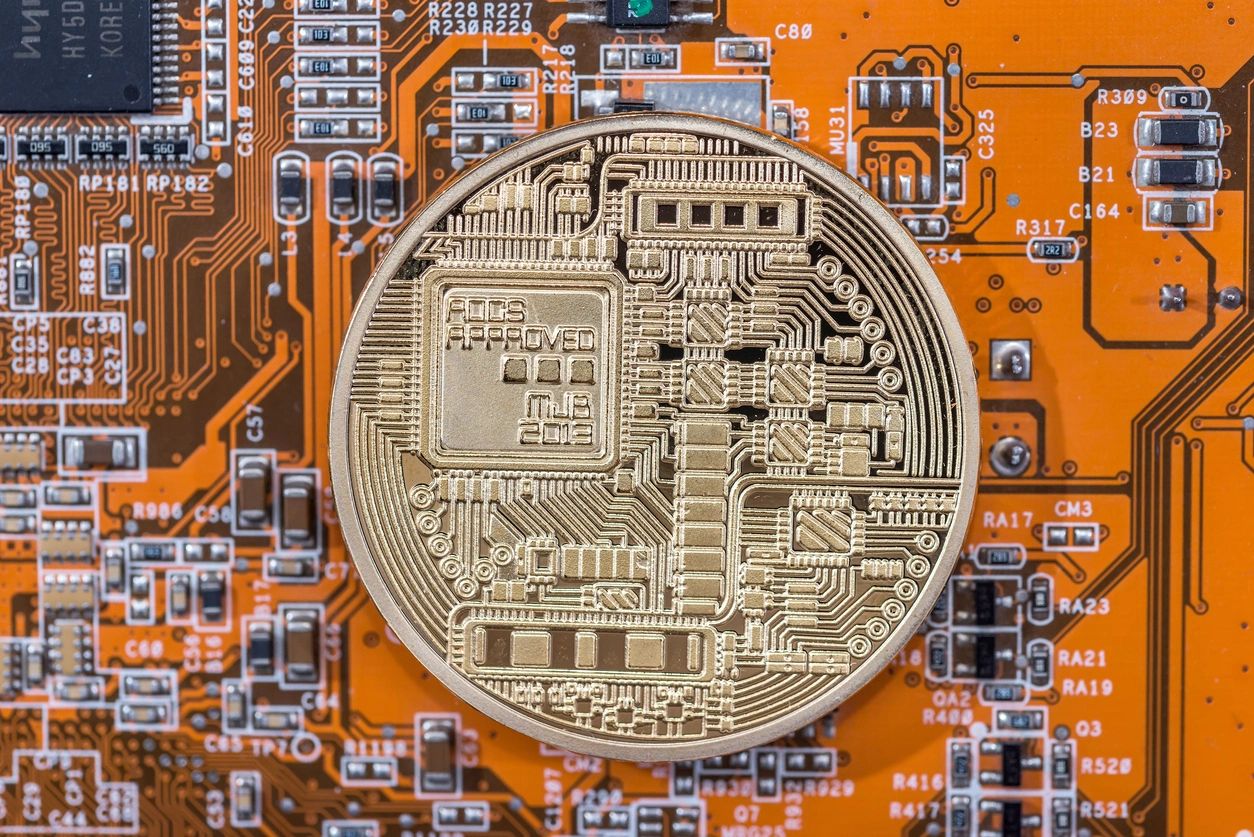
4. Bitcoin (BTC)
The big name in crypto! It’s like gold, but digital. There’s a limited amount, so people buy, trade, and hold it like an investment.
5. Altcoin
These are all the “other” cryptocurrencies besides Bitcoin. like Ethereum, XRP, or Litecoin.
6. NFT (Non-Fungible Token)
An NFT is like owning a one-of-a-kind digital collectible, such as art or a song. Imagine owning the original Mona Lisa—but online!
7. Mining
Mining is like digging for treasure, but instead of using a shovel, people use powerful computers to solve puzzles and earn crypto rewards.
8. Exchange
An exchange is like a cryptocurrency shop. It’s where you can buy, sell, or trade crypto, just like buying items online.
9. HODL
It started as a typo for “hold,” but now it’s a fun way to say, “Don’t sell your crypto, even if the market drops!” It’s like staying calm during a rollercoaster ride.
10. Stablecoin
This is a “calm” cryptocurrency that doesn’t jump up and down in value. It’s usually tied to something stable, like the US dollar.
Remember: Crypto might seem tricky at first, but it’s all about breaking it down step by step. Visit FutureFinanceLab.com for more simple and fun crypto lessons!
The U.S. dollar has long been the backbone of global finance, but with rising debt, inflation concerns, and shifting geopolitical dynamics, some believe its dominance is at risk. Could Bitcoin, gold, and AI-driven decentralized finance (DeFi) reshape the future of money?
Is the Dollar Really in Danger?
Debt & Inflation: Trillions in U.S. debt and aggressive money printing raise concerns about long-term stability.
De-Dollarization: Countries like China and Russia are exploring alternatives, reducing dependence on the USD.
CBDCs & AI Finance: Governments are pushing for central bank digital currencies (CBDCs), while AI-driven DeFi offers a decentralized alternative.
The Rise of Bitcoin, Gold & DeFi
Bitcoin as Digital Gold: A hedge against inflation and centralized monetary policies.
Gold’s Timeless Value: A historically stable asset during economic uncertainty.
AI & DeFi Disrupting Finance: Smart contracts, algorithmic trading, and decentralized lending challenge traditional banking.
What’s Next?
While the dollar isn’t collapsing overnight, alternative assets are gaining traction. The financial landscape is shifting—will you adapt? Stay informed with the latest insights at FutureFinanceLab.com.
In recent years, both the Euro and the U.S. Dollar have faced growing challenges. Inflation, central bank policies, and increasing debt burdens have put these traditional fiat currencies under pressure. Governments continue printing more money to fund deficits, reducing the purchasing power of their respective currencies.
For the Euro, economic stagnation in the Eurozone, coupled with geopolitical tensions, has weakened investor confidence. Meanwhile, the U.S. Dollar, long considered the world’s reserve currency, has seen diminishing dominance due to aggressive monetary policies and increasing debt-to-GDP ratios.
The Impact of Inflation
Inflation has been eroding savings and wages, making it harder for people to maintain their purchasing power. Central banks attempt to control inflation through interest rate hikes, but this often slows economic growth, creating a vicious cycle. Over time, people have started looking for alternatives to store value outside of traditional banking systems.
Bitcoin’s Rise as a Financial Alternative
Unlike fiat currencies, Bitcoin is decentralized, scarce, and free from government manipulation. With only 21 million coins ever to exist, its supply is fixed, making it an attractive hedge against inflation.
Institutional and Retail Adoption
Large corporations and financial institutions have been steadily adopting Bitcoin as a legitimate asset class. Major companies now hold Bitcoin as a treasury reserve, and ETFs (exchange-traded funds) have made Bitcoin more accessible to institutional investors. At the same time, individuals around the world are using Bitcoin as a safe-haven asset, especially in countries suffering from hyperinflation and economic instability.
Bitcoin as a Store of Value
Bitcoin is often referred to as ‘digital gold’ because it shares key characteristics with precious metals: scarcity, durability, and resistance to censorship. Unlike gold, however, Bitcoin is easier to store and transfer, making it a superior option for the digital economy.
Christine Lagarde en Garde: Bitcoin Will Not Enter Central Bank Reserves
European Central Bank (ECB) President Christine Lagarde has dismissed the idea of Bitcoin entering central bank reserves, claiming it lacks the stability and backing needed for such a role. However, history has repeatedly shown that centralized authorities struggle to acknowledge disruptive technologies until they become unavoidable.
Lagarde’s stance ignores Bitcoin’s increasing adoption, resilience, and superiority over inflation-prone fiat currencies. Central banks, known for money printing and mismanaging economies, are resistant to Bitcoin precisely because it removes their control over monetary policy. As trust in traditional financial institutions declines, Bitcoin’s decentralized nature becomes its greatest strength.
The Future: Bitcoin vs. Failing Fiat
As global debt rises and fiat currencies continue losing value, the appeal of Bitcoin is stronger than ever. The shift away from traditional financial systems is happening in real time, with individuals, businesses, and even governments recognizing Bitcoin’s potential.
While the Euro and the Dollar face uncertain futures due to excessive money printing and policy missteps, Bitcoin offers a transparent, decentralized, and borderless financial alternative. As trust in fiat erodes, Bitcoin’s role as a global store of value and financial system will only continue to grow.
Stay ahead of the financial revolution. Join Future Finance Lab for expert insights on Bitcoin, digital assets, and the evolving economy.
The increasing financial control by European institutions is a major concern. From Cyprus’ 2013 bail-in to the push for a digital euro and investment mandates, the EU is slowly tightening its grip on people’s savings. But there’s a way to protect yourself—Bitcoin.
1. The Cyprus 2013 Bail-In: A Warning Sign
One of the biggest financial wake-up calls was the 2013 Cyprus bank crisis.
• The government froze bank deposits and imposed a levy on savings over €100,000.
• People couldn’t withdraw their own money freely.
• Up to 47.5% of large deposits were seized to bail out the banks.
• The European Central Bank (ECB) and IMF approved this move, proving that your money isn’t really yours in a crisis.
🔴 Lesson:
• Banks can block or seize your money overnight.
• Government bail-ins are real.
2. The EU’s Growing Financial Control: What’s Happening Now?
A. The “Savings & Investments Union” – A Soft Takeover of Private Wealth?
Ursula von der Leyen announced that the EU will “turn private savings into much-needed investment.”
• This could mean pushing banks, pensions, or individuals to invest in government-approved sectors.
• If enforced, it would be a form of financial control—steering your wealth where the EU wants it, not where you want it.
🔴 Why this is dangerous:
• Limits financial freedom—less choice over your own money.
• Could lead to financial restrictions like limits on withdrawals or forced investments.
B. The Digital Euro (CBDC) – The Ultimate Financial Control Tool
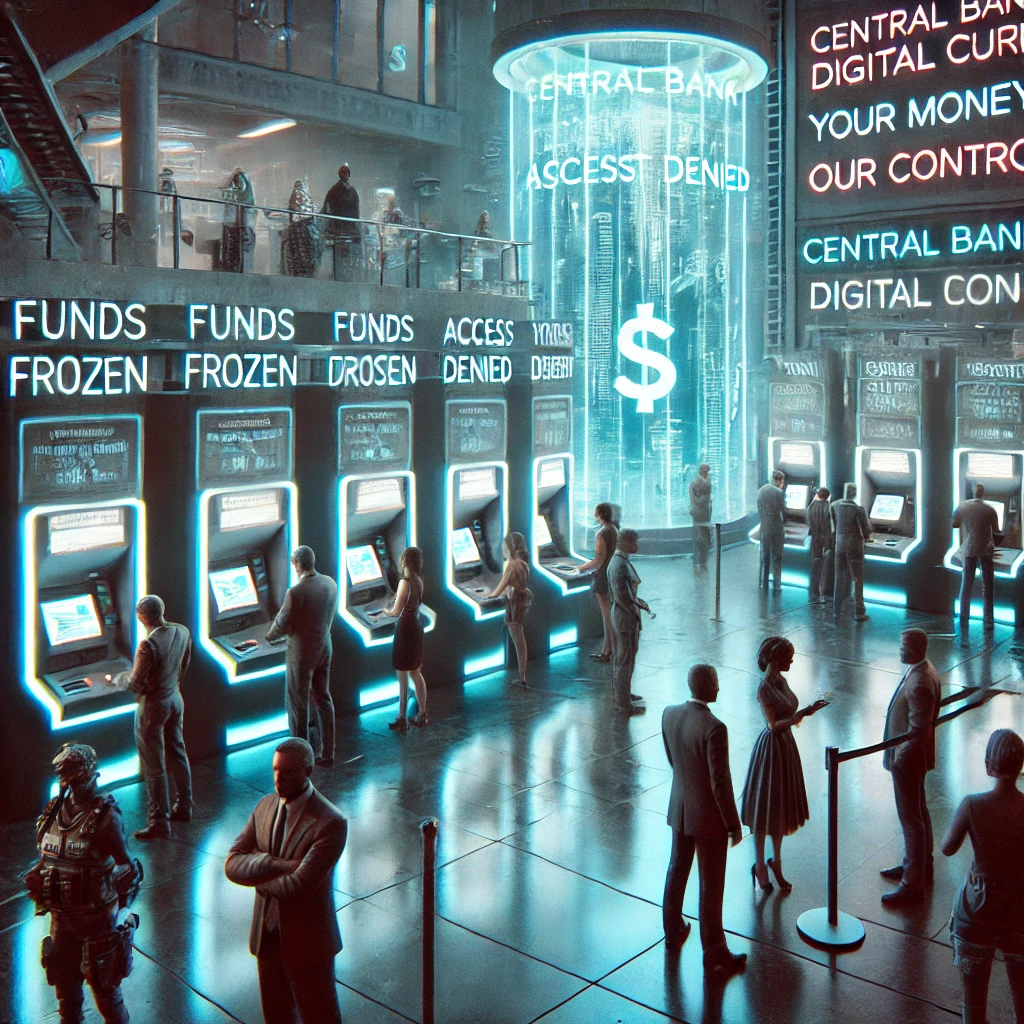
The ECB is pushing the digital euro, which would replace physical cash and give central authorities total control over transactions.
• Programmable money: The ECB can control how, where, and when you spend your money.
• Expiring currency: They could force you to spend savings within a set time to stimulate the economy.
• Negative interest rates: They could automatically reduce your savings to prevent hoarding.
• Frozen accounts: If your spending doesn’t align with their policies, they could restrict access to your funds.
🔴 Why this is dangerous:
• You don’t control your money.
• Cash will disappear, making it impossible to transact outside the system.
• It’s a surveillance tool, tracking every purchase and movement.
C. Europe’s “Green Finance” Policies – Forcing You to Invest in Their Agenda
• Banks and pension funds are being forced to divest from industries like oil, gas, or independent investments and invest in government-backed “green” projects.
• There is a growing push for investment mandates—forcing individuals or institutions to allocate wealth into EU-approved sectors.
• You may be unable to invest freely in assets that don’t align with their agenda.
🔴 Why this is dangerous:
• You lose investment freedom.
• Your savings could be redirected into sectors with lower returns, harming long-term financial security.
3. How Bitcoin Can Protect You from Financial Control
A. Bitcoin is Self-Sovereign Money
Unlike fiat currency held in banks, Bitcoin is decentralized. No government or bank can seize it, freeze it, or control how you use it.
✔ No bail-ins – Your Bitcoin cannot be taken like Cyprus’ deposits were.
✔ No financial restrictions – No government can limit your spending or transactions.
✔ No forced investments – You decide where to store or invest your wealth.
B. Bitcoin is Censorship-Resistant
• If a government imposes capital controls, Bitcoin still works.
• If bank accounts are frozen or restricted, Bitcoin can still be accessed globally.
• Transactions are peer-to-peer, meaning you don’t need approval from a third party.
🔴 Example:
• In Canada’s 2022 trucker protests, the government froze bank accounts of protesters and donors.
• Bitcoin was used to send funds without government interference.
C. Bitcoin is a Hedge Against Inflation and Economic Manipulation
• Governments print money, causing inflation.
• Bitcoin has a fixed supply of 21 million coins—it cannot be inflated.
• As fiat currency loses value, Bitcoin tends to appreciate over time due to scarcity.
4. What You Can Do to Protect Yourself
✔ Diversify your assets – Keep a mix of Bitcoin, cash, real estate, and hard assets.
✔ Withdraw funds from banks – Holding too much in the system puts you at risk of financial controls.
✔ Learn how to use Bitcoin properly – Store it in cold wallets (not on exchanges) for maximum security.
✔ Stay ahead of CBDCs – Be prepared for a world where digital euros may limit financial freedom.
Final Thoughts: A Fight for Financial Freedom
Europe is moving toward more financial control, using regulations, digital currencies, and investment mandates to steer your money where they want. Bitcoin is one of the only tools that gives people financial sovereignty.
🚨 The more control governments take, the harder it is to resist. Bitcoin offers a way out—a way to own money that no government can touch.
The markets have been going through a much-needed correction phase, shaking out weak hands before the next potential rally. While Bitcoin and altcoins have seen pullbacks, there are plenty of bullish signals in play that could set the stage for new all-time highs once uncertainty fades. Let’s break it all down.
Bitcoin’s Correction: A Buying Opportunity?
Bitcoin recently dipped below $78,000, only to recover around $83,500—a natural retracement after its explosive rally to $100K in December 2024. Analysts from 10X Research have suggested a possible dip to $73,000, but many believe these corrections are just part of Bitcoin’s long-term uptrend.
🔥 Bullish Factors for Bitcoin
✅ Institutional Interest – Bitcoin ETFs continue to attract massive inflows. ✅ Halving Supply Shock – The Bitcoin halving effect is still unfolding, reducing new BTC supply. ✅ Political Support – Trump’s latest statement, “the war on crypto is over,” signals a potential shift in regulatory sentiment. ✅ Global Economic Instability – Investors may turn to Bitcoin as a hedge against inflation and fiat devaluation.
❄️ Bearish Factors for Bitcoin
⚠️ Possible Further Corrections – Analysts predict a potential dip to $73,000 before Bitcoin stabilizes. ⚠️ Regulatory Uncertainty – While Trump’s comments are bullish, actual regulatory clarity is still needed. ⚠️ Macroeconomic Pressures – High interest rates and a stronger dollar could impact Bitcoin’s near-term growth.
If uncertainty clears up, Bitcoin could retest all-time highs and even push beyond $100K in the coming months.
XRP: Awaiting Clarity, But Momentum is Building
Ripple’s ongoing battle with the SEC remains a key focus for XRP investors, but recent legal wins suggest regulatory clarity may be on the horizon. Meanwhile, Ripple is expanding its partnerships, strengthening its presence in the cross-border payments space. If the legal overhang clears, XRP could be primed for a major breakout.
HBAR: Enterprise Adoption Accelerates
Hedera Hashgraph (HBAR) is steadily building real-world use cases. With major companies like Google, IBM, and Boeing backing the network, tokenization, DeFi, and enterprise adoption are growing. While the price has seen some volatility, the fundamentals remain solid, making HBAR one to watch.
Stock Market: $4 Trillion Wiped Out in 30 Days!
The stock market has been under heavy pressure, with $4 trillion in value erased in just 30 days. Concerns over interest rates, inflation, and geopolitical uncertainty have led to a sell-off, especially in high-growth sectors.
🔥 Bullish Factors for Stocks
✅ Earnings Strength – Many companies, especially in AI and tech, continue to report strong earnings. ✅ Potential Fed Pivot – If inflation cools, the Federal Reserve might pause or cut rates, boosting stocks. ✅ Economic Growth Resilience – Despite rate hikes, the job market and GDP growth remain steady.
❄️ Bearish Factors for Stocks
⚠️ Rising Interest Rates – Higher borrowing costs hurt corporate profits and economic growth. ⚠️ Geopolitical Risks – Ongoing conflicts and trade tensions add uncertainty to the global market. ⚠️ Investor Caution – With the recent correction, many are staying on the sidelines, waiting for a clearer trend.
Final Thoughts
Corrections are normal and healthy in any bull cycle. Bitcoin, XRP, and HBAR are all showing strong long-term potential, and once uncertainty fades, we could see another wave of bullish momentum. The stock market is also at a critical juncture—while risks remain, any positive macroeconomic shift could spark the next big rally.
🚀 Are you buying this dip? Share your thoughts below! 👇
Artificial intelligence (AI) is reshaping financial markets, giving institutional traders a powerful edge. With AI-driven algorithms analyzing data in milliseconds, retail investors often find themselves at a disadvantage. But is Wall Street using AI to manipulate the market?
How AI Gives an Edge to Big Players
High-Frequency Trading (HFT): AI algorithms execute trades at lightning speed, potentially front-running retail orders.
Market Sentiment Exploitation: AI scans news and social media to predict trends before the public reacts.
Artificial Volatility: Some firms use rapid trades to create price swings that retail investors unknowingly follow.
Should Retail Traders Be Concerned?
With institutional AI systems dominating the market, retail traders struggle to compete. Regulators are trying to catch up, but transparency remains a challenge. However, AI-powered tools for retail investors are emerging, aiming to level the playing field.
The future of trading will depend on who controls AI—and whether retail investors can access the same technology. Stay ahead of the game with the latest insights at FutureFinanceLab.com.
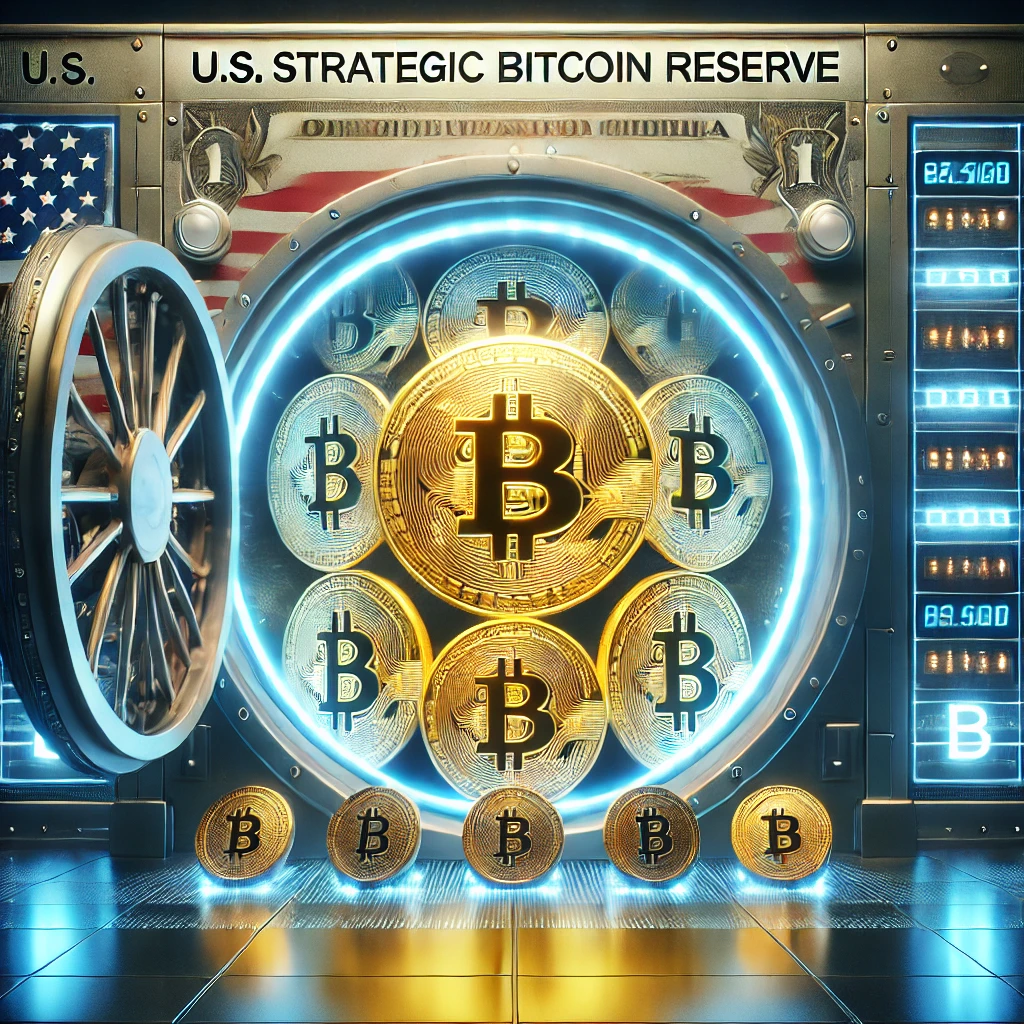
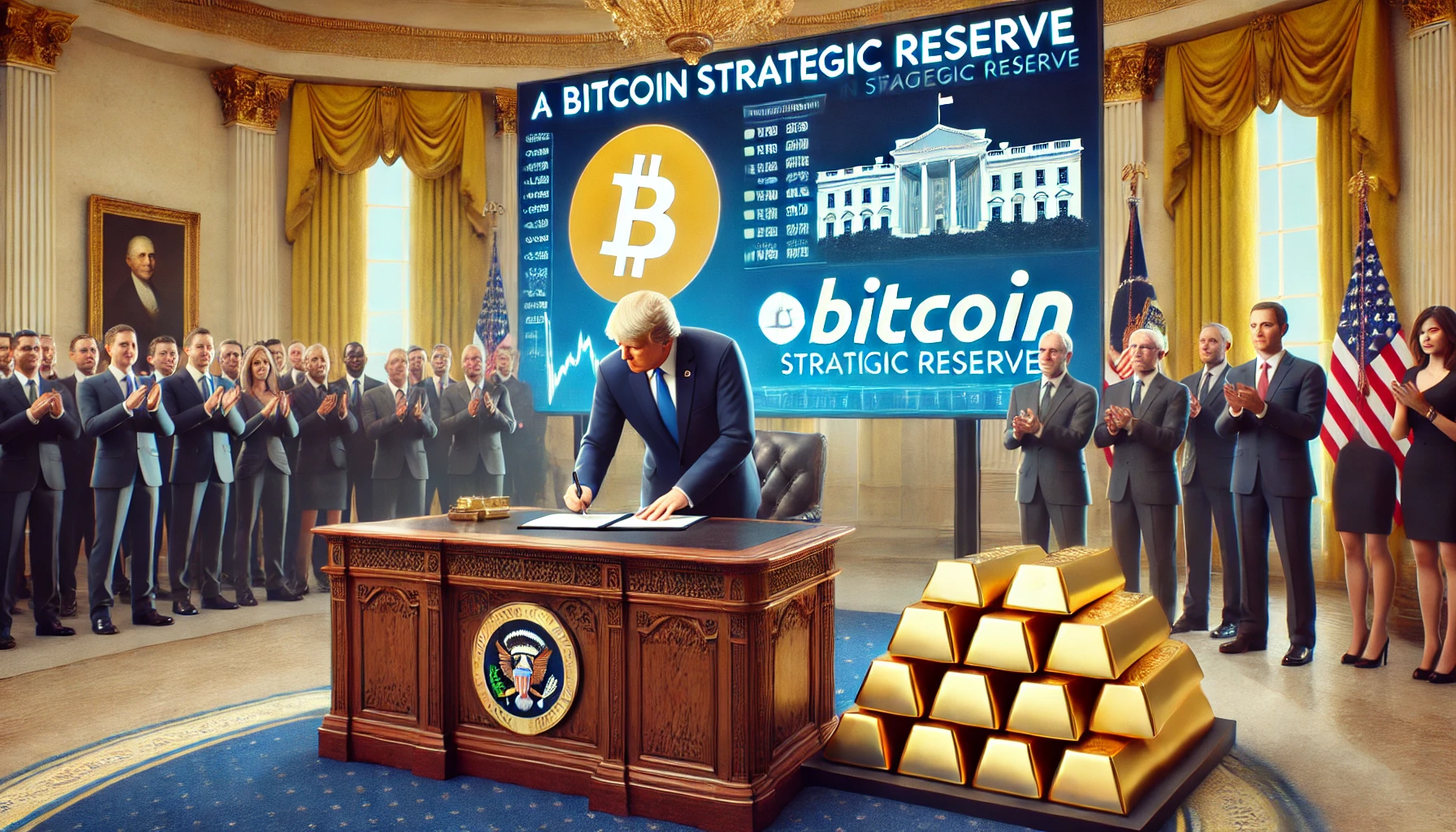
The White House Digital Assets Summit marked a historic shift in the United States’ approach to Bitcoin and digital assets. One of the biggest takeaways from the event was President Donald Trump’s executive order establishing the Strategic Bitcoin Reserve (SBR)—a move that could redefine America’s financial strategy for decades to come.
This initiative signals the government’s recognition of Bitcoin’s role as a store of value, positioning it as a strategic asset that could strengthen economic security, hedge against inflation, and secure financial dominance in an increasingly digital world.
Bitcoin as the New Gold Standard?
For decades, the global economy was backed by the gold standard, which ensured that paper currency was directly tied to physical gold reserves. This system prevented excessive money printing and inflation, providing long-term economic stability.
In his book The Bitcoin Standard, economist Saifedean Ammous argues that Bitcoin could serve as a digital successor to gold, offering an even stronger, tamper-proof monetary system due to its fixed supply of 21 million coins.
With the U.S. now considering holding Bitcoin as a strategic reserve, some experts believe this could be a step toward a Bitcoin-backed monetary system, similar to how gold reserves once backed the U.S. dollar.
Key Takeaways from the Summit
The summit brought together top voices in crypto, finance, and policy. Here’s what key figures had to say about the U.S. Bitcoin reserve:
David Sacks, an influential investor and White House advisor on AI and crypto, called the SBR a digital equivalent of Fort Knox, reinforcing its importance in securing the nation’s economic future.
Scott Bessent, U.S. Treasury Secretary, highlighted how the reserve could be funded through seized Bitcoin assets, ensuring taxpayers do not bear any financial burden. He also discussed how stablecoins could help maintain the U.S. dollar’s dominance in global markets.
Michael Saylor, a long-time Bitcoin advocate, emphasized that Bitcoin is the ultimate long-term asset for national security and financial independence. He argued that establishing an SBR now could ensure America remains at the forefront of the digital financial revolution.
These perspectives reflect a growing consensus that Bitcoin is here to stay and that governments must adapt to this new financial paradigm.
Why the Strategic Bitcoin Reserve Matters
The decision to establish a national Bitcoin reserve carries significant benefits:
1. Strengthening Economic Security
Bitcoin’s fixed supply makes it an ideal hedge against inflation and economic uncertainty. Unlike fiat currencies, which can be printed at will, Bitcoin’s scarcity could help protect national wealth over time, much like gold reserves once did.
2. Reducing National Debt
Analysts suggest that a well-managed Bitcoin reserve could generate trillions in value over the next few decades. By holding Bitcoin as a long-term asset, the U.S. government could use its appreciation to offset debt and fund national initiatives.
3. Enhancing Global Financial Influence
Other nations, including China, Russia, and the UAE, have been exploring Bitcoin and digital asset strategies. By securing a significant share of the Bitcoin network, the U.S. ensures it remains at the forefront of the digital economyrather than falling behind global competitors.
4. Encouraging Innovation and Investment
With the government recognizing Bitcoin’s value, regulatory clarity could improve, encouraging more businesses and investors to operate within the U.S. rather than seeking crypto-friendly jurisdictions overseas. This move could bring capital and jobs back to the country.
The Decentralization Debate: Government vs. Bitcoin’s Core Principles
While many Bitcoin enthusiasts support the idea of nations adopting Bitcoin, some argue that governments owning large portions of the network could undermine its decentralized nature. The Bitcoin ethos is built on individual ownership and financial sovereignty, meaning that no single entity—whether a corporation or a government—should control too much of the supply.
However, others see the U.S. Bitcoin reserve as a safeguard against authoritarian regimes gaining disproportionate influence over the network. The U.S. embracing Bitcoin could also set a precedent for other democratic nations to follow, ensuring that Bitcoin’s future remains aligned with open financial systems rather than centralized control.
Bull vs. Bear Case: What Happens Next?
Bull Case: A Stronger, Bitcoin-Backed U.S. Economy
If the Bitcoin Standard thesis plays out, the U.S. could emerge as the global leader in a new monetary era. Bitcoin’s appreciation could: ✅ Reduce national debt over time ✅ Boost the U.S. dollar’s credibility by integrating Bitcoin reserves ✅ Position America as the digital finance capital of the world
Bear Case: Risks of Government Intervention
Skeptics argue that government involvement could: ❌ Introduce new regulations that slow Bitcoin’s adoption ❌ Encourage market manipulation if the reserve is used for strategic sell-offs ❌ Trigger concerns about centralization, contradicting Bitcoin’s original vision
Conclusion
The establishment of a U.S. Strategic Bitcoin Reserve is a game-changer in the world of finance. While some remain skeptical about government involvement in Bitcoin, there’s no doubt that this move cements Bitcoin’s role in the global financial system.
As the digital economy continues to evolve, Bitcoin’s ability to serve as a hedge against inflation, a store of value, and a tool for economic empowerment makes it an asset worth watching—whether in private hands or national reserves.
Would you like to see more in-depth analysis on Bitcoin and financial trends? Join Future Finance Lab today to stay ahead in the new digital economy!
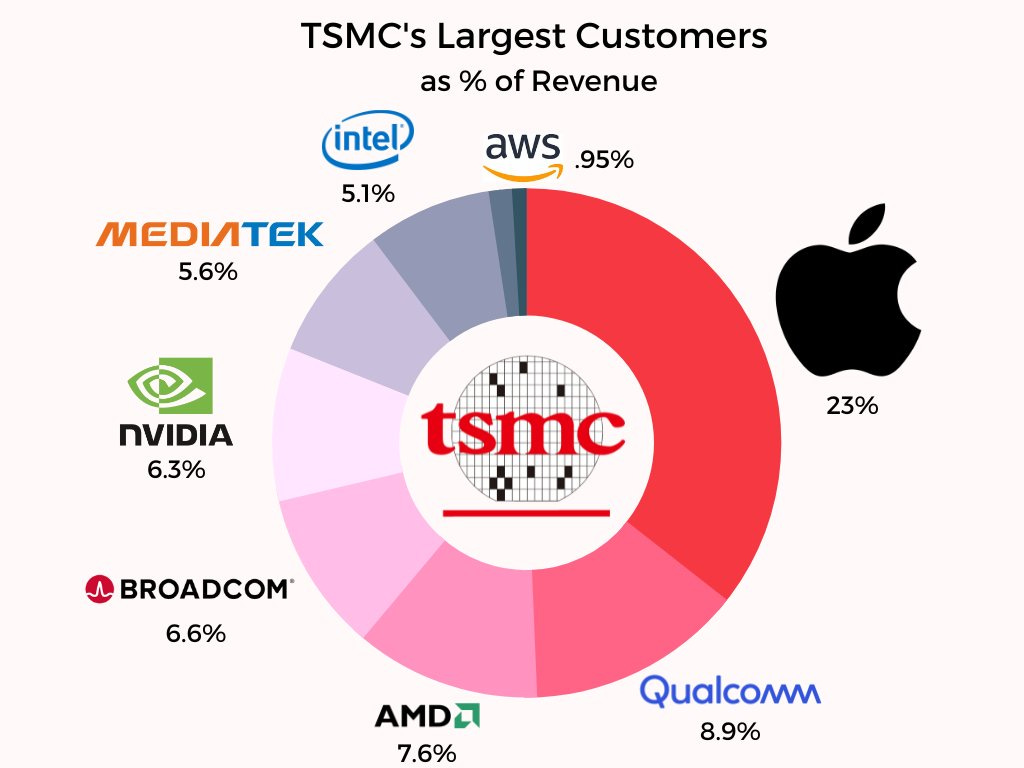
Taiwan Semiconductor Manufacturing Company (TSMC) is the backbone of the global semiconductor industry, producing chips for tech giants like Apple, Nvidia, and AMD. As the world’s largest and most advanced chipmaker, TSMC plays a critical role in powering AI, 5G, and next-generation computing. But is TSMC stock a buy today? Let’s break it down with both bullish and bearish perspectives.
The Bull Case: Why TSMC Could Keep Climbing
1. Dominance in Cutting-Edge Chip Manufacturing
TSMC’s technological leadership is unmatched. Its 3nm and upcoming 2nm nodes place it ahead of competitors like Intel and Samsung, ensuring demand from high-profile clients.
2. Rising AI and High-Performance Computing Demand
The explosion of AI, autonomous vehicles, and high-performance computing means TSMC’s chips are more critical than ever. As companies race to integrate AI, TSMC benefits from strong long-term growth trends.
3. Global Expansion & U.S. Investments
With new facilities in the U.S. and Japan, TSMC is diversifying production beyond Taiwan, reducing geopolitical risks while securing subsidies and incentives from governments looking to strengthen domestic chip production.
4. Financial Strength & Profitability
TSMC boasts robust profit margins and a strong balance sheet, allowing it to invest heavily in future technology while still delivering consistent earnings growth.
The Bear Case: Risks Investors Should Consider
1. Geopolitical Tensions
The ongoing tensions between China and Taiwan pose a major risk. Any disruption to TSMC’s operations could send shockwaves through the tech industry and financial markets.
2. Cyclicality of the Semiconductor Industry
The semiconductor industry is known for boom-and-bust cycles. A slowdown in tech spending or excess chip supply could hurt TSMC’s revenue in the short term.
3. Increased Competition
Intel and Samsung are aggressively investing in advanced manufacturing, aiming to catch up with TSMC. While TSMC holds a strong lead, any missteps could allow competitors to gain ground.
4. Rising Costs & Supply Chain Challenges
Building new fabs is expensive, and supply chain disruptions could impact profitability. As the company expands, managing costs while maintaining efficiency is a crucial challenge.
The Bottom Line: Is TSMC Stock a Buy?
TSMC remains a dominant force in the semiconductor industry, positioned at the heart of major technological advancements. While risks exist, its innovation and market leadership make it a compelling long-term investment.
Want deeper insights and real-time analysis? Become a member of Future Finance Lab and gain exclusive access to expert research, market trends, and investment opportunities. Join us today and stay ahead in the financial markets!
Tesla (TSLA) remains one of the most closely watched stocks in the market, trading around $262 today. Despite its long history of volatility, Tesla continues to push boundaries in electric vehicles, autonomous driving, and artificial intelligence. But with growing competition and recent stock declines, investors are wondering: Is Tesla at a turning point, or is there more downside ahead?
Recent Stock Performance: Volatility in Motion
Tesla’s stock has been on a downward trajectory, slipping significantly from its highs. While this decline has sparked concern among investors, it also presents an opportunity—especially for those who believe in the company’s long-term vision.
Several key factors have influenced this pullback: ✅ Slower Delivery Growth – Tesla’s European deliveries in January 2025 were nearly 50% lower than the previous year, raising concerns about demand. ✅ Intensifying Competition – Companies like BYD and legacy automakers are ramping up EV production, some even offering free advanced driver-assistance systems that challenge Tesla’s paid Full Self-Driving (FSD) model. ✅ Market Sentiment & Geopolitics – Tesla has been caught in the broader market selloff, and CEO Elon Musk’s political presence has added another layer of uncertainty.
The Case for Optimism: Tesla’s Next Moves
Despite short-term challenges, Tesla remains one of the most innovative companies in the world, with several upcoming catalysts that could reshape its future.
🔹 Affordable SUV Coming in 2025 – Tesla is launching a cheaper SUV designed to attract a wider audience and drive global EV adoption.
🔹 Robotaxis & Autonomous Driving – Testing for Level 3 Full Self-Driving (FSD Unsupervised) is set to begin in Austin, Texas, this June. While Tesla aims for full-scale deployment by 2026, analysts expect it closer to 2028.
🔹 Expanding Profit Streams – Beyond cars, Tesla is growing its revenue through energy storage, AI training (Dojo), and vehicle insurance, making it less reliant on auto sales alone.
🔹 Cost Efficiency & Manufacturing Advances – Tesla continues to cut production costs, which could improve margins and help sustain long-term profitability.
Should You Buy Tesla Stock Now?
Tesla is currently trading above its fair value estimate of $250 but far below its 52-week high. Analysts have mixed views:
📉 Bearish Case: Some believe Tesla still faces pricing pressures, increased competition, and delayed autonomous vehicle rollouts. 📈 Bullish Case: Others argue that Tesla’s investments in self-driving tech, AI, and energy storage could unlock massive new revenue streams in the coming years.
💡 Investor Takeaway: Tesla is a high-risk, high-reward stock. If you’re a long-term believer in EVs and AI, this dip might be a buying opportunity. If you’re cautious, waiting for a lower entry point—closer to $250—could offer a better margin of safety.
Final Thoughts
Tesla’s journey is far from over. While short-term volatility is inevitable, the company’s vision for autonomous driving, mass EV adoption, and AI-powered robotics keeps it ahead of the curve. Whether you’re buying now or waiting for a better price, Tesla remains a stock that demands attention.
🚀 The future of mobility is being written today—will you be part of it?
Want deeper insights and real-time analysis? Become a member of Future Finance Lab and gain exclusive access to expert research, market trends, and investment opportunities. Join us today and stay ahead in the financial markets!
In a groundbreaking move, President Trump has signed an executive order officially creating a Bitcoin Strategic Reserve, signaling a paradigm shift in how the U.S. government engages with digital assets. This decision cements Bitcoin’s status as a vital component of national financial strategy, likening it to a “digital Fort Knox for digital gold.”
With this bold step, the U.S. is no longer on the sidelines—it’s actively positioning itself as a leader in the Bitcoin economy. But what does this mean for the broader financial landscape?
Why a U.S. Bitcoin Reserve Changes Everything
As Ryan Rasmussen highlights, the implications of a U.S. Strategic Bitcoin Reserve are profound:
• Other Countries Will Follow – Just as El Salvador’s Bitcoin adoption prompted global discussions, the U.S. taking this step will likely push other nations to reconsider their stance on Bitcoin. Will China hold on to its reported 200,000 BTC? What about the UK?
• Institutional Adoption Accelerates – Banks, hedge funds, and pension funds can no longer ignore Bitcoin. If the U.S. sees it as a strategic asset, institutional investors now have no excuse to stay on the sidelines.
• Fear of a U.S. Bitcoin Ban is Gone – One of the biggest uncertainties surrounding Bitcoin has been potential government crackdowns. With a Bitcoin reserve now established, the probability of an outright ban drops to near zero.
• The U.S. Will Likely Buy More – If history tells us anything, strategic reserves tend to grow. Just as the U.S. steadily increased its gold reserves, it’s highly likely that this initial Bitcoin reserve is only the beginning.
This shift doesn’t just impact the U.S.—it reshapes the global financial order. States within the U.S. may start buying Bitcoin, and international governments could begin accumulating it as well. The race for digital asset dominance is officially on.
What’s Next?
With the creation of a Bitcoin Strategic Reserve, we may see:
• Government-led Bitcoin accumulation – Expect strategic purchases to become part of U.S. monetary policy.
• Potential regulatory clarity – With Bitcoin playing a national role, clearer regulations could emerge, making it easier for businesses and institutions to operate in the space.
• A global response – Will this push the European Union, China, or the Middle East to accelerate their Bitcoin strategies?
One thing is certain: Bitcoin is no longer just an alternative investment—it’s a national strategic asset.
The world is watching. Are you ready for what comes next?
Join the Conversation
What are your thoughts on the U.S. establishing a Bitcoin Strategic Reserve? Will other countries follow? Let’s discuss!
By joining FutureFinanceLab.com, you’ll not only learn how to get started but also discover advanced strategies to grow your portfolio and manage risks effectively.