Ultimate Beginner’s Guide to Cryptocurrency: How to Get Started

At FutureFinanceLab.com, we don’t just teach you about cryptocurrency—we help you take action. If you’re ready to dive into the world of digital currencies, here’s everything you need to know to open an account and get started.
1. What is Cryptocurrency?
Cryptocurrency is digital money that exists only online. Unlike regular currency, it operates without a central authority (like a bank) and uses blockchain technology to track transactions.
The most famous cryptocurrency is Bitcoin (BTC), but there are many others like Ethereum (ETH) and Litecoin (LTC).
2. Step-by-Step Guide: How to Open an Account and Buy Your First Cryptocurrency
Step 1: Choose a Cryptocurrency Exchange
To buy cryptocurrency, you need to open an account on a cryptocurrency exchange. Popular exchanges include:
- Coinbase: Great for beginners.
- Binance: Offers a wide range of cryptocurrencies.
- Kraken: Known for its strong security features.
Step 2: Sign Up and Verify Your Identity
Once you’ve chosen an exchange, you’ll need to create an account by entering your basic personal information, like your name and email address. Most exchanges will require you to verify your identity (KYC—Know Your Customer), which typically involves submitting a photo of your ID and a selfie.
Step 3: Deposit Funds Into Your Account
After your account is verified, you can deposit funds into it. Most exchanges allow you to deposit using USD, EUR, or other fiat currencies via:
- Bank Transfer
- Credit or Debit Card
- PayPal (on certain exchanges)
Step 4: Buy Your Cryptocurrency
Once your account is funded, you’re ready to buy cryptocurrency. You’ll find a variety of coins available for purchase, but to get started, you might want to buy Bitcoin (BTC) or Ethereum (ETH), as they are the most widely used.
- Select the coin you want to buy.
- Choose how much you want to invest.
- Complete the transaction.
Step 5: Store Your Cryptocurrency Safely
After buying your cryptocurrency, it’s important to store it securely. Here’s how:
- Hot Wallet: An online wallet connected to the internet (easy to access but less secure).
- Cold Wallet: A hardware wallet that stores your cryptocurrency offline (more secure for long-term storage).
3. Why Cryptocurrency?
- Potential for High Returns: Bitcoin and other cryptocurrencies have experienced significant growth in recent years.
- Decentralization: You have control over your funds, with no bank or government involved.
- Innovation: Cryptocurrency and blockchain are transforming industries, including finance, healthcare, and technology.
4. The Risks of Cryptocurrency
While cryptocurrency offers huge opportunities, it’s important to be aware of the risks:
- Volatility: Prices can change rapidly.
- Security Risks: Always store your crypto safely, and use secure exchanges.
- Regulation: Cryptocurrency is still being regulated in many countries, so it’s important to stay updated on legal matters.
5. Start Your Journey Today at FutureFinanceLab.com
At FutureFinanceLab.com, we don’t just give you the basics—we guide you step by step. We offer exclusive tutorials and resources to help you make the right choices when opening an account, investing, and securing your cryptocurrency.
Ready to take the first step? Join our membership today to access more detailed guides, expert strategies, and a community of crypto enthusiasts like you.
By joining FutureFinanceLab.com, you’ll not only learn how to get started but also discover advanced strategies to grow your portfolio and manage risks effectively.
Start your crypto journey today! 🚀
Protected: Exclusive Member Content: Investment Strategies Across Bitcoin, Stock Market, AI, and Green Bonds

Why Did Markets and Bitcoin Dip? Is Inflation and High Interest Rates the Culprit?
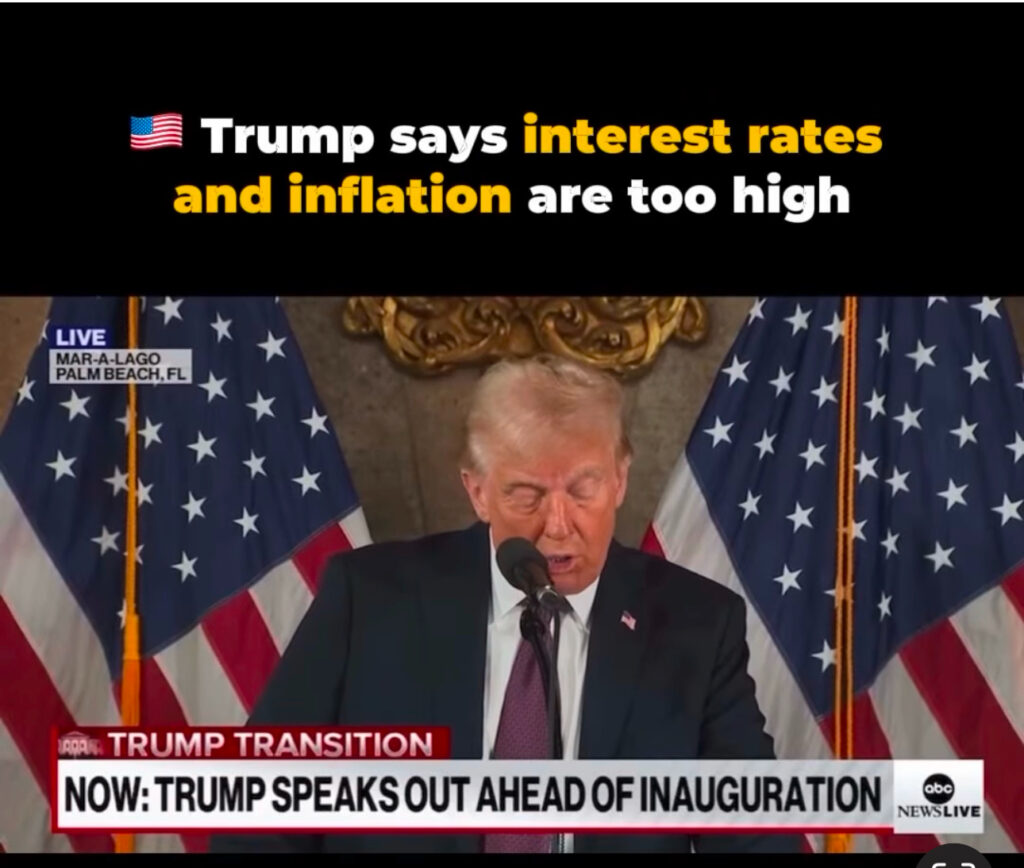
Recent dips in traditional markets and Bitcoin have sparked conversations, with many pointing to Donald Trump’s remarks on high interest rates and persistent inflation. Here’s what’s happening and what could be next.
What’s Behind the Market Dip?
1. High Interest Rates:
• The Federal Reserve’s stance of maintaining higher interest rates has created headwinds for both traditional and crypto markets. High rates make borrowing expensive, reduce liquidity, and pressure riskier assets like Bitcoin.
2. Inflation Concerns:
• Although inflation has cooled from its 2022 peaks, it remains above the Fed’s 2% target. Persistent inflation reduces purchasing power and leaves the Fed little room to lower rates aggressively.
3. Trump’s Comments:
• Former President Donald Trump called attention to high interest rates and inflation as major economic threats, echoing concerns shared by investors. His remarks may have heightened market jitters, fueling sell-offs.
4. Crypto-Specific Weakness:
• Bitcoin and cryptocurrencies are particularly sensitive to macroeconomic conditions. High interest rates reduce demand for speculative assets, and with fewer new buyers entering the market, prices have dipped.
What’s Next for Markets and Bitcoin?
1. Federal Reserve Decisions:
• Markets will closely watch the Fed’s actions in 2025. If inflation moderates, the Fed could cut rates, providing relief to both equities and crypto. However, a stubbornly high inflation rate might keep rates elevated, sustaining pressure on risk assets.
2. Earnings and Economic Data:
• Corporate earnings, unemployment figures, and inflation reports will shape market sentiment. Any signs of economic slowdown could trigger a pivot to more accommodative policies.
3. Bitcoin’s Long-Term Outlook:
• Despite near-term challenges, Bitcoin’s fundamentals remain strong. Adoption continues to grow, and the next halving event in 2024 is likely to tighten supply, which historically has supported price growth in the medium term.
What Can Investors Do?
1. Stay Diversified:
• Don’t put all your eggs in one basket. Spread your investments across traditional assets, crypto, and inflation-resistant sectors like commodities.
2. Monitor Economic Indicators:
• Keep an eye on inflation, GDP growth, and Fed policy announcements. These will set the tone for markets in 2025.
3. Focus on Fundamentals:
• For Bitcoin enthusiasts, price dips can present buying opportunities. If your conviction in crypto’s long-term potential remains strong, this could be a time to accumulate.
4. Be Patient:
• Volatility is normal in uncertain times. Avoid knee-jerk reactions and focus on your long-term investment strategy.
Conclusion
High interest rates and inflation are creating challenging conditions for both traditional and crypto markets. While short-term pain is evident, the long-term outlook for Bitcoin and equities remains cautiously optimistic, especially if inflation moderates and the Fed adjusts its policies. For now, staying informed and diversified is the best way forward.
Exploring the MedTech Sector: Innovation, Growth, and Future Trends

The MedTech sector—short for medical technology—is one of the most dynamic and rapidly evolving industries in the world today. It includes everything from medical devices and diagnostic tools to robotic surgery and wearable health tech. This article will explore the importance of MedTech, the trends driving its growth, and how it’s revolutionizing healthcare globally.
What is MedTech?
MedTech refers to any technology used in the prevention, diagnosis, treatment, or monitoring of medical conditions. It encompasses a broad range of products and solutions that help improve patient outcomes, increase the efficiency of healthcare systems, and enhance the quality of life for patients.
Some common examples of MedTech products include:
- Diagnostic devices (e.g., MRI machines, blood glucose monitors)
- Surgical instruments (e.g., minimally invasive robots, stents)
- Therapeutic devices (e.g., pacemakers, infusion pumps)
- Wearables (e.g., fitness trackers, smartwatches that monitor heart rate or sleep)
Why is the MedTech Sector Growing?
The MedTech sector is experiencing significant growth due to several key factors:
- Aging Population:
The global aging population is driving increased demand for medical devices and services. Older adults are more likely to experience chronic conditions that require continuous monitoring or intervention, such as heart disease, diabetes, and arthritis. - Advances in Technology:
Breakthroughs in artificial intelligence (AI), robotics, and 3D printing are enhancing the design, development, and functionality of MedTech products. For example, robotic surgery offers greater precision, shorter recovery times, and fewer complications for patients. - Shift to Minimally Invasive Procedures:
There’s a growing preference for minimally invasive surgeries. Procedures that require smaller incisions result in quicker recoveries and less pain, and they are more cost-effective, benefiting both patients and healthcare providers. - Health Monitoring and Personalization:
The rise of wearables and smart medical devices allows for real-time health monitoring, leading to more personalized care. These devices can track vital signs and send alerts to both patients and doctors, enabling earlier intervention for conditions like heart disease and diabetes. - Increased Investment and Funding:
The MedTech industry has attracted substantial venture capital investment due to the increasing demand for innovative healthcare solutions. Startups and established companies alike are pushing the boundaries of medical technology to provide cutting-edge solutions.
Key Areas Driving MedTech Innovation
- Robotic Surgery:
Robotic-assisted surgery is transforming how surgeons perform operations. Robots like Intuitive Surgical’s da Vinci system provide greater precision and flexibility, improving patient outcomes. Surgeons can perform complex procedures with smaller incisions, reducing recovery times. - Wearable Health Devices:
Wearables like smartwatches and fitness trackers are not only popular for fitness tracking but also provide valuable health insights. Devices that monitor heart rate, blood oxygen levels, and ECG can help detect abnormalities early and prevent more serious health issues. - 3D Printing in Healthcare:
3D printing has been a game-changer in the MedTech sector. It allows for the creation of custom prosthetics, implants, and even bioprinted tissues. This technology is reducing costs and improving the personalization of medical devices. - Artificial Intelligence (AI) in Diagnostics:
AI is enhancing medical imaging and diagnostic accuracy. By analyzing images like X-rays, MRIs, and CT scans, AI algorithms can help detect conditions like cancer and neurological disorders earlier than traditional methods, offering better outcomes for patients. - Minimally Invasive Devices:
Devices that support minimally invasive surgeries (e.g., stents, catheters) continue to evolve, offering fewer complications and faster recovery times. Innovations in this space are expanding the options available for surgeons and reducing the strain on healthcare systems.
Challenges in the MedTech Sector
While MedTech is booming, it’s not without its challenges:
- Regulatory Hurdles:
The medical device industry is highly regulated, and navigating through the approval processes (e.g., FDA approval) can be lengthy and expensive. Companies must meet strict safety and efficacy standards before their products can reach the market. - Data Privacy and Security:
With the increasing use of health data from devices and wearables, there are concerns about data security and privacy. Protecting sensitive health information is a critical issue that companies must address. - Cost Pressures:
Healthcare costs continue to rise globally, and MedTech companies face pressure to keep prices competitive while maintaining high quality. Innovative products, especially cutting-edge technologies, can be expensive, making affordability a key concern. - Ethical Issues:
As technologies like AI and robotic surgery become more prevalent, there are ongoing discussions about the ethical implications of these technologies in patient care, such as privacy concerns and decision-making transparency.
The Future of MedTech
The future of MedTech looks promising, with continuous advancements in AI, robotics, and personalized medicine. The global shift to digital health and telemedicine will also shape the industry’s growth, allowing for greater access to healthcare worldwide. Furthermore, as more individuals become health-conscious, the demand for self-care devices will increase, contributing to the sector’s expansion.
The MedTech sector is set to play an increasingly vital role in shaping the future of healthcare, helping to create more efficient, accessible, and personalized care for patients everywhere.
The Top-Performing ETFs of 2024: Key Trends and What to Expect in 2025

The ETF market in 2024 has been a year of record-breaking growth, innovation, and shifting investor sentiment. With total assets under management surpassing $10.6 trillion and over $1 trillion in new investments, ETFs have solidified their role as the go-to investment vehicle for both institutional and retail investors.
Driven by advancements in artificial intelligence, a resurgence in cryptocurrencies, and evolving macroeconomic conditions, certain ETFs have emerged as clear winners this year. In this article, we’ll spotlight the top-performing ETFs of 2024, analyze the trends that fueled their success, and outline what investors can expect in 2025.
For more in-depth financial insights and expert analysis, visit FutureFinanceLab.com. 🚀
🚀 The Best-Performing ETFs of 2024
1. FXI – iShares China Large-Cap ETF
- Focus: Large-cap Chinese equities
- 2024 Performance: +31.20%
Why It Stood Out:
Despite economic uncertainty and geopolitical tensions, FXI rebounded strongly due to aggressive stimulus measures from the Chinese government. Investors saw an opportunity in undervalued state-owned enterprises, resulting in impressive gains for this ETF.
2. IWM – iShares Russell 2000 ETF
- Focus: U.S. small-cap stocks
- 2024 Performance: +10.61%
Why It Stood Out:
Small-cap stocks historically outperform during economic recoveries, and IWM benefited from expectations of Federal Reserve rate cuts and improving domestic economic indicators.
3. XLF – Financial Select Sector SPDR Fund
- Focus: U.S. financial sector (banks, insurance, financial services)
- 2024 Performance: +27.86%
Why It Stood Out:
Rising interest margins and higher lending activity contributed to a stellar year for XLF. Banking stocks surged amid increased investor confidence in financial stability.
4. QQQ – Invesco QQQ Trust ETF
- Focus: Nasdaq-100 Index (large-cap tech stocks)
- 2024 Performance: +38.5%* (Approximate market trend)
Why It Stood Out:
Driven by mega-cap tech stocks like Microsoft, Apple, and Nvidia, QQQ thrived amid surging demand for AI technologies and robust corporate earnings.
5. SPY – SPDR S&P 500 ETF Trust
- Focus: Tracks the S&P 500 Index
- 2024 Performance: +25% (Approximate market trend)
Why It Stood Out:
SPY, one of the most widely held ETFs globally, reflected the broad strength of the S&P 500. Gains were primarily driven by sectors such as technology, healthcare, and consumer discretionary.
6. EEM – iShares MSCI Emerging Markets ETF
- Focus: Emerging markets equities
- 2024 Performance: +15% (Approximate market trend)
Why It Stood Out:
EEM provided broad exposure to emerging market equities, with gains driven by China’s recovery, India’s tech boom, and favorable trade conditions in Southeast Asia.
7. IBIT – iShares Bitcoin Trust
- Focus: Bitcoin spot price exposure
- 2024 Performance: +170%
Why It Stood Out:
The launch and institutional acceptance of IBIT marked a significant milestone in the financial world. Backed by BlackRock, this ETF allowed investors regulated access to Bitcoin exposure, attracting significant institutional capital.
8. FBTC – Fidelity Wise Origin Bitcoin Fund
- Focus: Bitcoin spot price exposure
- 2024 Performance: +165%
Why It Stood Out:
FBTC, managed by Fidelity, benefited from Bitcoin’s surge past $100,000. Its strong institutional backing and simplified investment structure made it an appealing option for long-term investors seeking digital asset exposure.
📈 Key Trends That Defined ETF Success in 2024
1. Artificial Intelligence Dominance
AI-driven growth propelled tech-focused ETFs like QQQ to new heights. Companies leveraging AI technologies for productivity and innovation were clear winners.
2. Cryptocurrency Resurgence
Bitcoin ETFs, including IBIT and FBTC, made it easier for institutional and retail investors to gain exposure to digital assets, leading to significant inflows.
3. Rate Cut Expectations
The anticipation of Federal Reserve rate cuts created optimism in small-cap stocks (IWM) and financials (XLF).
4. Energy Infrastructure Recovery
Energy-focused ETFs gained traction amid global energy transition efforts and infrastructure investments.
5. Emerging Markets Revival
ETFs like EEM benefited from a revival in emerging economies, particularly in Asia and Latin America, driven by favorable trade policies and infrastructure spending.
🔮 What to Expect in 2025
1. Rise of Thematic ETFs
Thematic ETFs focused on AI, clean energy, robotics, and blockchain are expected to remain in high demand.
2. Rate Cuts and Fixed Income ETFs
As the Federal Reserve is projected to cut interest rates to around 4%, bond ETFs and fixed-income products are set to gain investor interest.
3. Increased Adoption of Alternative ETFs
Expect to see more ETFs offering exposure to private equity, digital assets, and multi-asset strategies.
4. Continued Crypto ETF Growth
With increasing institutional adoption, Bitcoin ETFs like IBIT and FBTC could attract even more inflows in 2025.
5. Sector Rotation
Sectors like healthcare, materials, and industrials may outperform in 2025, while utilities and consumer discretionarycould lag.
💡 Investor Takeaways for 2025
- Diversify Across Themes: Include a mix of AI, energy, crypto, and fixed income ETFs in your portfolio.
- Stay Informed on Macro Trends: Watch for interest rate cuts, geopolitical events, and technological advancements.
- Focus on Long-Term Goals: Align your ETF investments with your financial objectives and risk profile.
- Monitor Emerging Markets: Growth opportunities in Asia, Latin America, and Southeast Asia remain promising.
📚 Conclusion
2024 showcased the immense potential of ETFs across technology, financials, energy, and cryptocurrency sectors. As we step into 2025, opportunities abound, but so do risks.
For more expert insights and strategies tailored to your financial goals, visit FutureFinanceLab.com. 🚀📊
What to Expect in the Stock Market and Crypto Market: Q1 2025

📊 Stock Market Outlook: Cautious Optimism
As we enter Q1 2025, the stock market faces a balancing act between opportunities and uncertainties:
- Federal Reserve Decisions: Interest rate policies will heavily influence investor sentiment.
- Earnings Season: Corporate earnings reports, especially from tech and energy sectors, will set the market tone.
- Geopolitical Events: Any global disruptions may trigger short-term volatility.
Key Tip: Defensive stocks (e.g., healthcare, utilities) and growth sectors (e.g., AI, green energy) might perform well in this mixed environment.
🚀 Crypto Market Trends: A Critical Quarter
The crypto market enters Q1 2025 with both excitement and caution. Key trends include:
- Bitcoin (BTC):
- Eyes are on Bitcoin’s price action as it approaches key resistance levels.
- Institutional investments and ETF developments could drive momentum.
- XRP (Ripple):
- Regulatory clarity continues to boost XRP’s adoption in cross-border payments.
- Watch for major partnerships with financial institutions.
- Hedera (HBAR):
- Increasing enterprise adoption may provide upward pressure on HBAR.
- Partnerships in sectors like supply chain and finance remain crucial.
- Stacks (STX):
- STX focuses on enabling smart contracts and DeFi on Bitcoin.
- Integration updates and ecosystem growth will be key drivers for Q1 performance.
Key Tip: Q1 often sets the tone for the year. Focus on assets with clear use cases and avoid hype-driven trades.
📝 Key Takeaways for Q1 Investors:
- Stock Market: Stay informed about interest rate policies and corporate earnings.
- Crypto Market: Regulatory updates and institutional movements will shape sentiment.
- Diversification: Balance traditional assets with carefully selected crypto holdings.
Securing wealth with bitcoin./How bitcoin can help people in war countries?

The Wealthy Mindset: Shifting from Spending to Investing
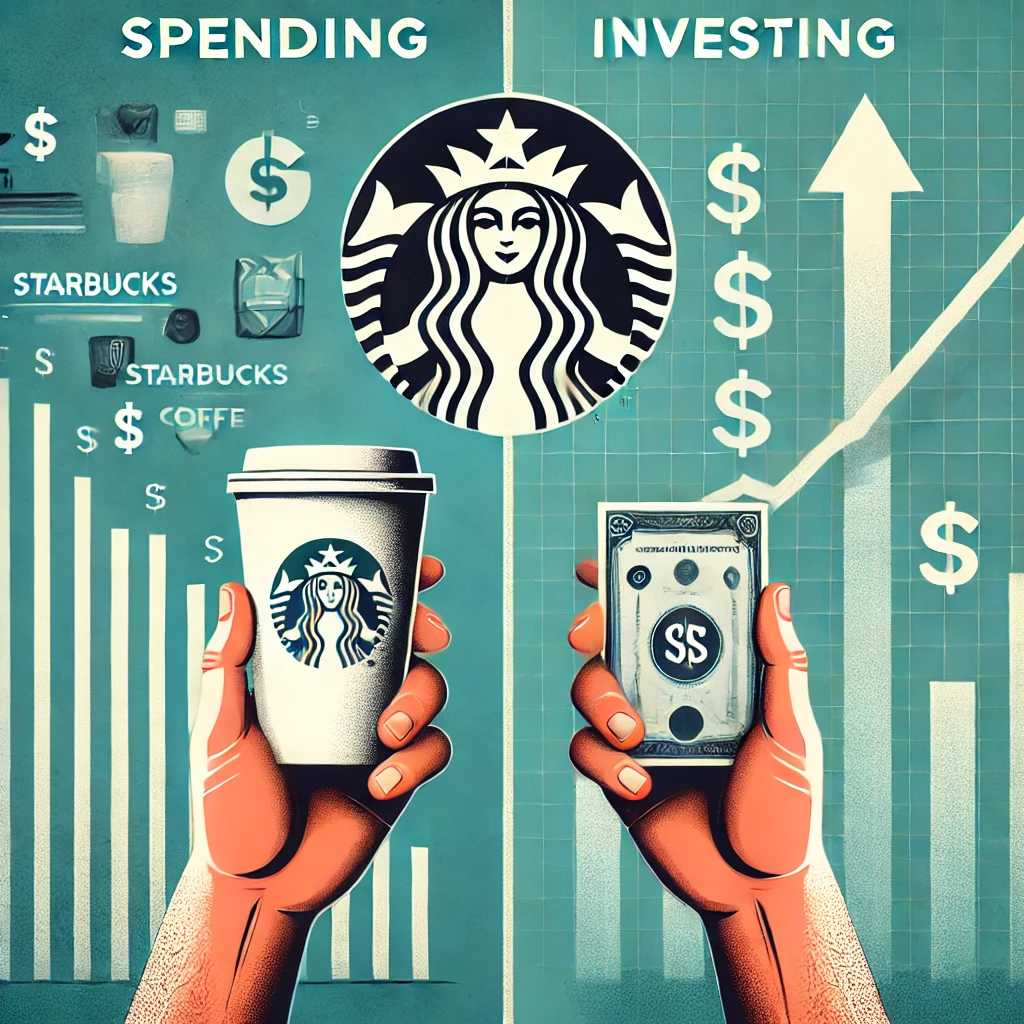
Building wealth isn’t just about earning more money—it’s about how you think about and use the money you already have. At its core, the wealthy mindset isn’t defined by the size of your paycheck but by your approach to financial decisions. The key shift? Moving from a spending-focused mindset to an investing-focused one.
Understanding the Difference: Spending vs. Investing
Spending is transactional. You exchange money for goods or services, and once the transaction is complete, the money is gone. Investing, on the other hand, is strategic. It involves putting money into assets or opportunities with the expectation of generating future returns.
For example:
- Spending: Buying the latest smartphone or a luxury car.
- Investing: Purchasing stocks, real estate, or starting a side business.
- Real-Life Example: Instead of spending $5 every day on a Starbucks coffee, you could invest that $5 into Starbucks stock. Over time, the stock could grow in value, provide dividends, and potentially yield far greater returns than the short-term pleasure of a daily coffee.
While spending satisfies immediate desires, investing builds long-term financial stability and wealth.
The Mindset Shift
To cultivate a wealthy mindset, you must view money as a tool for growth, not just consumption. Here are key principles to adopt:
- Focus on Assets, Not Liabilities: Prioritize purchases that appreciate in value or generate income.
- Delayed Gratification: Resist impulse spending and prioritize long-term financial goals.
- Continuous Learning: Stay informed about financial markets, investment opportunities, and wealth-building strategies.
- Make Your Money Work for You: Passive income streams, such as dividends or rental income, can create financial freedom.
Practical Steps to Start Investing
- Set Clear Financial Goals: Understand what you’re investing for—retirement, financial independence, or a specific milestone.
- Start Small: You don’t need large sums to begin investing. Even small, consistent contributions can grow significantly over time.
- Diversify Your Investments: Spread your money across different assets to minimize risk.
- Automate Investments: Set up automatic transfers to your investment accounts to ensure consistency.
Overcoming Common Barriers
- Fear of Risk: Educate yourself to make informed decisions and understand that all investments carry some level of risk.
- Lack of Knowledge: Use resources like FutureFinanceLab.com to expand your financial literacy.
- Instant Gratification Culture: Remind yourself of the long-term benefits of investing.
Final Thoughts
Adopting a wealthy mindset isn’t about restricting yourself from enjoying life. It’s about aligning your financial habits with your long-term goals. Every dollar spent is a choice—a choice between fleeting pleasure and future security.
At Future Finance Lab, we believe in equipping individuals with the tools and knowledge to make smarter financial choices. Shift your focus from spending to investing, and watch how your financial future transforms.
Protected: 📊 Detailed Analysis of Alibaba (BABA) Stock Investment Opportunity