Welcome to the Bitcoin Era: What the New U.S. Bills Mean for the Future of Finance

In July 2025, the U.S. House of Representatives passed two landmark pieces of legislation that will shape the next generation of finance:
The Clarity for Payment Stablecoins Act
The Financial Innovation and Technology for the 21st Century Act (FIT21)

These bills bring regulatory clarity to digital assets and mark a shift from financial experimentation to infrastructure.

This is not just regulation. This is the beginning of the Bitcoin Era.


What’s in the Bills

1. Clarity for Payment Stablecoins Act

  • Establishes federal rules for stablecoins such as USDC and USDT
  • Allows both banks and non-banks to issue them under supervision
  • Enforces full reserve backing, regular audits, and consumer protection
  • Aims to protect the dollar’s role in digital payments

2. FIT21 (Financial Innovation for the 21st Century Act)

  • Divides oversight between the SEC and CFTC
  • Defines a legal framework for digital assets
  • Provides a pathway for crypto projects to decentralize and reclassify over time
  • Encourages innovation while creating guardrails

Why It Matters for Bitcoin

Bitcoin already functions as a digital commodity, and this legislation strengthens that legal recognition. Here’s what changes:

  • Bitcoin now clearly falls under CFTC jurisdiction
  • Institutional investors can act with more confidence
  • Crypto entrepreneurs get clarity on how to build legally
  • Bitcoin is validated not just as a store of value, but as core financial infrastructure

A New Financial System Is Emerging

These laws create a dual financial system operating side by side.

Traditional FinanceBitcoin-Era Finance
Centralized institutionsOpen monetary networks
Fiat and paper-basedBitcoin and digital dollars
Bank intermediariesSelf-custody and peer-to-peer
Legacy clearing systemsReal-time blockchain settlement

This signals the rise of digital, programmable finance — built on networks like Bitcoin.


The Bigger Picture

Bitcoin began as a decentralized alternative to central banking. Today, it is becoming the base layer for a global financial system.

With these new laws:

  • Institutions can enter without legal uncertainty
  • Builders can innovate without fear of regulatory whiplash
  • Users can participate with more transparency and safety

This is not about hype. This is about structure and scale.


Final Thought

The United States is not banning crypto. It is regulating and integrating it.

Bitcoin is no longer the outsider. It is becoming the foundation of a redesigned financial world.

This is the official beginning of the Bitcoin era.

Want Help Navigating the New Financial Era?

At FutureFinanceLab, we help investors and everyday earners learn how to thrive in a digital economy.
Don’t just invest understand what’s happening.

Bitcoin vs Stablecoins: Clearing the Confusion After the Stablecoin Act

With the passing of the Stablecoin Act and recent commentary from Custodia Bank CEO Caitlin Long on CNBC, the digital asset space is once again in the spotlight. But many people are still confused about the difference between Bitcoin and stablecoins. Let’s clarify.

What’s the Difference?

Bitcoin
Bitcoin is a decentralized digital asset. Often referred to as digital gold, it is scarce, censorship-resistant, and not controlled by any government or corporation.

  • Fixed supply: only 21 million will ever exist
  • Volatile: price fluctuates based on market demand
  • Purpose: long-term store of value, hedge against inflation, and financial independence

Stablecoins
Stablecoins are digital tokens pegged to fiat currencies like the US Dollar. They are issued by centralized institutions and designed to maintain price stability.

  • Pegged value: 1 stablecoin is typically equal to 1 USD
  • Issued by: banks or private companies
  • Purpose: trading, remittances, payments, and access to DeFi applications

What Caitlin Long Said on CNBC

In a CNBC interview on July 2, 2025, Caitlin Long made a key point:

“Stablecoins are an on-ramp to Bitcoin.”

She emphasized that regulated, bank-issued stablecoins are making it easier for institutions and everyday users to enter the digital asset ecosystem. As users become comfortable transacting with stablecoins, many begin to explore Bitcoin as a more powerful tool for long-term wealth preservation and personal financial control.


How They Work Together

FeatureBitcoinStablecoins
VolatilityHighLow (pegged to fiat currency)
SupplyFixed (21 million)Flexible and demand-driven
IssuerDecentralized (no central issuer)Centralized (banks or companies)
Use CaseLong-term value, investmentPayments, trading, stability
RegulationLight regulatory frameworkIncreasing oversight under new laws

Conclusion

The Stablecoin Act is not about replacing Bitcoin. It is about creating a safe and regulated gateway into the world of digital finance. Stablecoins offer a convenient entry point. Bitcoin offers long-term value, ownership, and financial sovereignty.

If you want to make sense of where the future of money is heading, FutureFinanceLab is here to help.

Become a Member Today and learn how to navigate digital assets with clarity and confidence.

Bitcoin: The Monetary Base Layer of the Digital Age

As we move deeper into a digitally native world, the question of what kind of money fits this era becomes unavoidable. Paper cash, bank-issued liabilities, and politically managed fiat currencies increasingly feel misaligned with a world driven by code, networks, and decentralization.

Enter Bitcoin—once dismissed as a speculative experiment, now increasingly viewed as the foundational monetary layer for the internet age.


Why Legacy Money No Longer Fits

Traditional currencies are bound by geography, subject to inflation, and governed by entities that often place politics over economic stability. In contrast, the digital age demands:

  • Speed: Real-time, global transactions
  • Security: Immutable and transparent systems
  • Neutrality: Free from state interference
  • Digital-native infrastructure: Interoperability with code and smart contracts

Legacy systems are struggling to meet these expectations. Bitcoin, by design, was built for this transformation.


Bitcoin’s Evolution: From Speculation to Settlement

Initially, Bitcoin was viewed as a speculative asset. Over time, its core features—scarcity, decentralization, and censorship resistance—have proven durable, while its infrastructure has matured:

  • Lightning Network: Enables instant, low-fee payments
  • Institutional custody: Brings secure access to broader audiences
  • Nation-state adoption: El Salvador, and interest from others, signal rising legitimacy
  • Layer 2 & smart contract platforms: Expanding Bitcoin’s utility beyond basic transfers

The network effect is now in motion: the more people, businesses, and governments interact with Bitcoin, the more useful—and inevitable—it becomes.


Bitcoin as a Base Layer: What Does That Mean?

Think of the internet. It runs on foundational protocols like TCP/IP. Most users never think about them—but everything depends on them.

Similarly, Bitcoin is emerging as a monetary protocol. It doesn’t need to be flashy. It just needs to be secure, verifiable, and neutral—traits fiat systems are increasingly lacking.

As this protocol layer gains adoption, other layers—wallets, apps, DeFi platforms, and cross-border solutions—are being built on top of it, reinforcing Bitcoin’s role not just as “digital gold,” but as a financial operating system.


Use Cases: Bitcoin in the Real Digital Economy

Here’s how Bitcoin can function as the money of the digital age:

1. Global Settlement Layer

Multinational companies can use Bitcoin for transparent, fast settlement of international payments—no middlemen, no exchange-rate games.

2. Digital Collateral

Bitcoin’s predictability makes it ideal collateral in DeFi and Web3 systems. It’s already being used to back loans, liquidity pools, and tokenized assets.

3. Censorship-Resistant Savings

In countries facing capital controls or currency collapse, Bitcoin offers a store of value and freedom of financial movement.

4. Micropayments and Streaming Money

With Layer 2 technologies like Lightning, Bitcoin can be used for tiny, fast payments—perfect for content creators, IoT devices, and real-time services.

5. Remittances Without Borders

Sending money across borders can take seconds with Bitcoin—at a fraction of the cost of traditional wire transfers or Western Union fees.


Why Bitcoin, Not Just “Any Crypto”?

Other cryptocurrencies may offer innovation, but most don’t match Bitcoin’s combination of:

  • Security
  • Decentralization
  • Uptime
  • Global liquidity
  • Incentive alignment (miners, holders, developers)

Bitcoin’s neutrality, hard supply cap, and network maturity are what make it suitable to serve as a monetary base, not just a niche application.


Challenges to Watch

To be clear, Bitcoin’s future as digital base money isn’t guaranteed. It must overcome:

  • Regulatory pushback
  • Scalability friction
  • Competing central bank digital currencies (CBDCs)

Yet with each challenge, Bitcoin adapts—its open-source nature attracting global talent to continuously improve and build.


Conclusion: The Future Is Layered, and Bitcoin Is the Foundation

The digital age doesn’t just need better interfaces—it needs better money. Bitcoin, with its growing infrastructure and proven resilience, is positioning itself not just as an investment, but as the monetary foundation for a decentralized, digital-native economy.

As new applications are built on top, and as trust in traditional money erodes, Bitcoin’s quiet power grows.

The network is alive. The foundation is set. The digital age has its money.

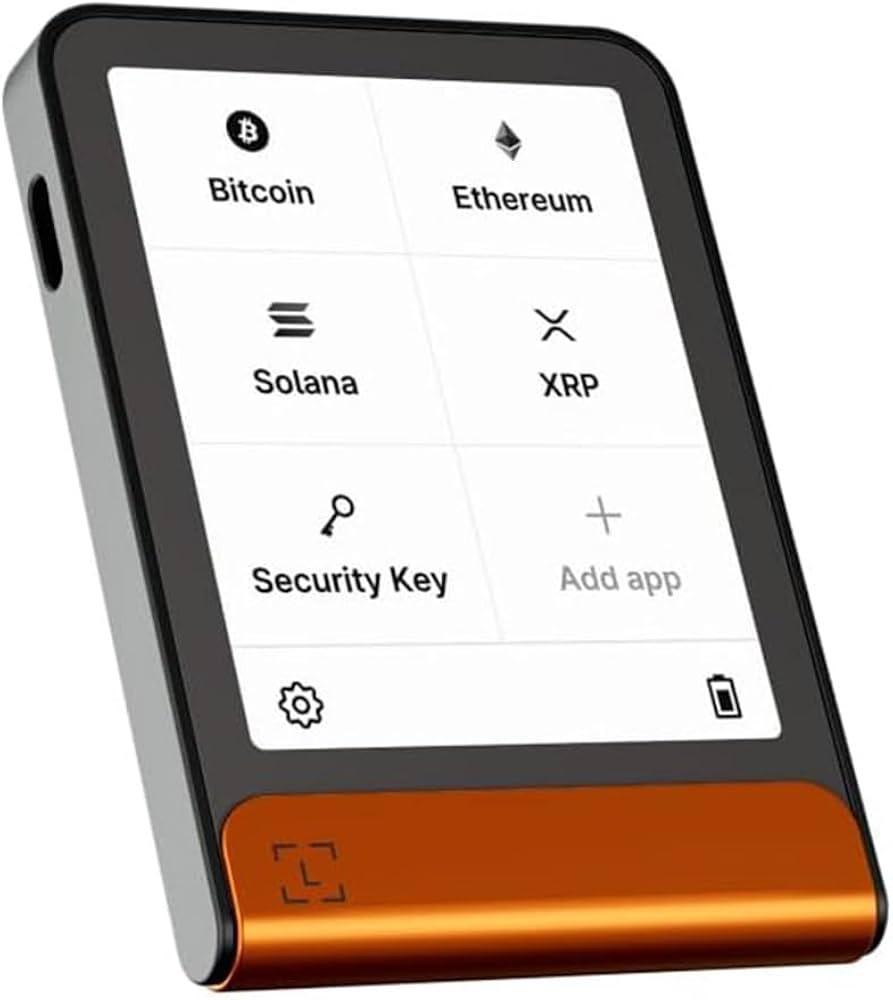
How Do Ledger Wallets Keep Your Crypto Safe? A Quick Overview

As cryptocurrency becomes more popular, keeping your digital assets secure is more important than ever. One of the safest ways to protect your crypto is by using a hardware wallet, like the Ledger wallet. Here’s how it keeps your crypto safe.

What is a Ledger Wallet?

A Ledger wallet is a hardware device that stores your cryptocurrency offline, which makes it less vulnerable to hacking. It keeps your private keys—needed to access your crypto—safe and secure.

How Does it Work?

  1. Offline Storage of Private Keys: Your private keys are stored offline on the Ledger device, making them immune to online hacks.
  2. Transaction Signing: When you make a transaction, it’s signed directly on the Ledger wallet, and your private keys are never exposed.
  3. Recovery Phrase: You’ll receive a 24-word backup phrase to restore your wallet if you lose or damage the device. This phrase is key to regaining access to your crypto.
  4. Secure Hardware: Ledger wallets use a secure chip to protect your private keys from physical and software-based attacks. You also need a PIN to access your wallet.

How Does Ledger Keep Your Crypto Safe?

  • Cold Storage: Your keys are stored offline, so they are not exposed to online threats.
  • Secure Element Chip: Ledger wallets have a special chip that prevents tampering and theft of your private keys.
  • Backup and Recovery: The 24-word recovery phrase lets you restore your wallet if needed.
  • Regular Updates: Ledger updates its firmware to protect against new threats.

Why Choose a Ledger Wallet?

  • Top Security: Cold storage and secure chips keep your crypto safe.
  • User-Friendly: Easy to set up and use, even for beginners.
  • Wide Crypto Support: Works with over 1,800 cryptocurrencies.

Conclusion

If you want to keep your crypto safe from hackers and online threats, a Ledger wallet is one of the most secure options. With cold storage, a secure chip, and easy recovery options, it offers peace of mind for storing your digital assets.

The Decline of Fiat: Why the Euro and Dollar Are Losing While Bitcoin Is Winning

The Weakening Euro and Dollar

In recent years, both the Euro and the U.S. Dollar have faced growing challenges. Inflation, central bank policies, and increasing debt burdens have put these traditional fiat currencies under pressure. Governments continue printing more money to fund deficits, reducing the purchasing power of their respective currencies.

For the Euro, economic stagnation in the Eurozone, coupled with geopolitical tensions, has weakened investor confidence. Meanwhile, the U.S. Dollar, long considered the world’s reserve currency, has seen diminishing dominance due to aggressive monetary policies and increasing debt-to-GDP ratios.

The Impact of Inflation

Inflation has been eroding savings and wages, making it harder for people to maintain their purchasing power. Central banks attempt to control inflation through interest rate hikes, but this often slows economic growth, creating a vicious cycle. Over time, people have started looking for alternatives to store value outside of traditional banking systems.

Bitcoin’s Rise as a Financial Alternative

Unlike fiat currencies, Bitcoin is decentralized, scarce, and free from government manipulation. With only 21 million coins ever to exist, its supply is fixed, making it an attractive hedge against inflation.

Institutional and Retail Adoption

Large corporations and financial institutions have been steadily adopting Bitcoin as a legitimate asset class. Major companies now hold Bitcoin as a treasury reserve, and ETFs (exchange-traded funds) have made Bitcoin more accessible to institutional investors. At the same time, individuals around the world are using Bitcoin as a safe-haven asset, especially in countries suffering from hyperinflation and economic instability.

Bitcoin as a Store of Value

Bitcoin is often referred to as ‘digital gold’ because it shares key characteristics with precious metals: scarcity, durability, and resistance to censorship. Unlike gold, however, Bitcoin is easier to store and transfer, making it a superior option for the digital economy.

Christine Lagarde en Garde: Bitcoin Will Not Enter Central Bank Reserves

European Central Bank (ECB) President Christine Lagarde has dismissed the idea of Bitcoin entering central bank reserves, claiming it lacks the stability and backing needed for such a role. However, history has repeatedly shown that centralized authorities struggle to acknowledge disruptive technologies until they become unavoidable.

Lagarde’s stance ignores Bitcoin’s increasing adoption, resilience, and superiority over inflation-prone fiat currencies. Central banks, known for money printing and mismanaging economies, are resistant to Bitcoin precisely because it removes their control over monetary policy. As trust in traditional financial institutions declines, Bitcoin’s decentralized nature becomes its greatest strength.

The Future: Bitcoin vs. Failing Fiat

As global debt rises and fiat currencies continue losing value, the appeal of Bitcoin is stronger than ever. The shift away from traditional financial systems is happening in real time, with individuals, businesses, and even governments recognizing Bitcoin’s potential.

While the Euro and the Dollar face uncertain futures due to excessive money printing and policy missteps, Bitcoin offers a transparent, decentralized, and borderless financial alternative. As trust in fiat erodes, Bitcoin’s role as a global store of value and financial system will only continue to grow.


Stay ahead of the financial revolution. Join Future Finance Lab for expert insights on Bitcoin, digital assets, and the evolving economy.

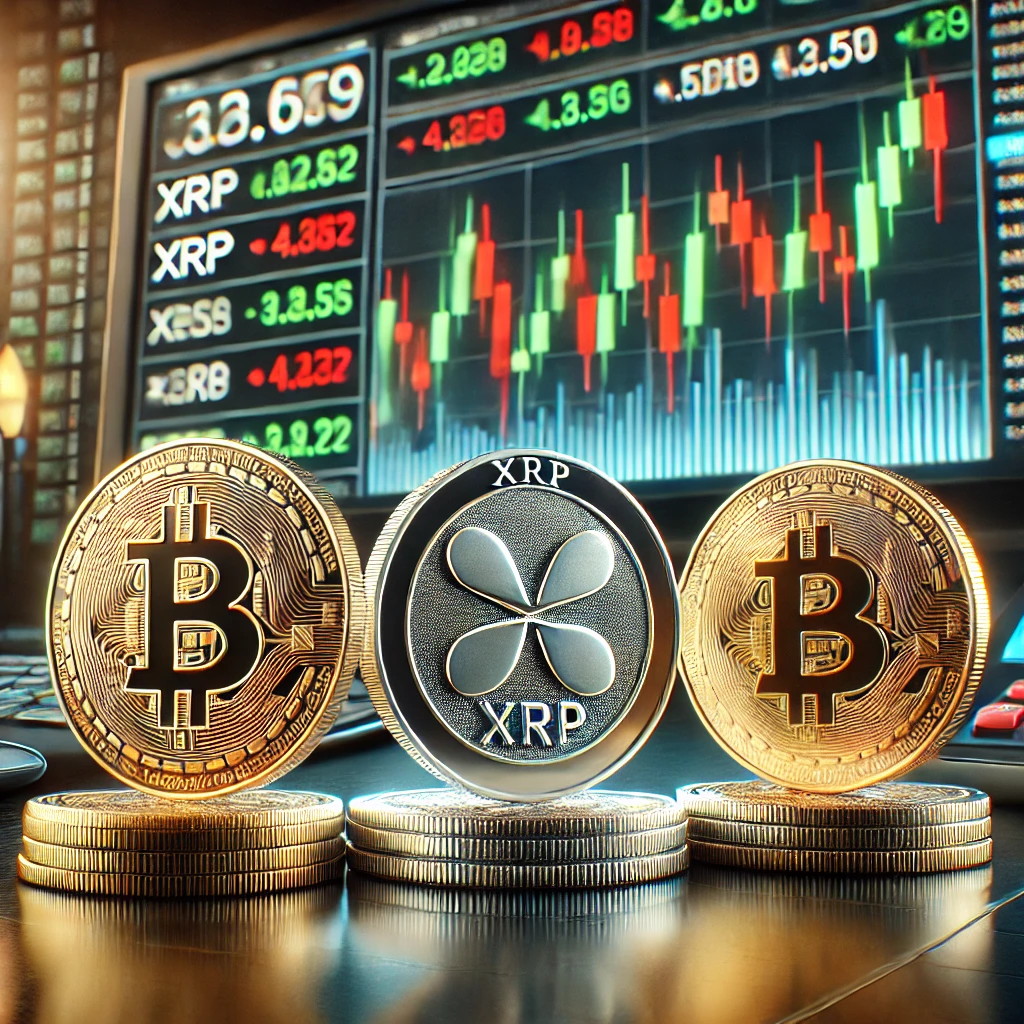
Market Update: Bitcoin, HBAR, XRP & Stocks – A Healthy Correction Before the Next Leg Up?

The markets have been going through a much-needed correction phase, shaking out weak hands before the next potential rally. While Bitcoin and altcoins have seen pullbacks, there are plenty of bullish signals in play that could set the stage for new all-time highs once uncertainty fades. Let’s break it all down.

Bitcoin’s Correction: A Buying Opportunity?

Bitcoin recently dipped below $78,000, only to recover around $83,500—a natural retracement after its explosive rally to $100K in December 2024. Analysts from 10X Research have suggested a possible dip to $73,000, but many believe these corrections are just part of Bitcoin’s long-term uptrend.

🔥 Bullish Factors for Bitcoin

✅ Institutional Interest – Bitcoin ETFs continue to attract massive inflows.
✅ Halving Supply Shock – The Bitcoin halving effect is still unfolding, reducing new BTC supply.
✅ Political Support – Trump’s latest statement, “the war on crypto is over,” signals a potential shift in regulatory sentiment.
✅ Global Economic Instability – Investors may turn to Bitcoin as a hedge against inflation and fiat devaluation.

❄️ Bearish Factors for Bitcoin

⚠️ Possible Further Corrections – Analysts predict a potential dip to $73,000 before Bitcoin stabilizes.
⚠️ Regulatory Uncertainty – While Trump’s comments are bullish, actual regulatory clarity is still needed.
⚠️ Macroeconomic Pressures – High interest rates and a stronger dollar could impact Bitcoin’s near-term growth.

If uncertainty clears up, Bitcoin could retest all-time highs and even push beyond $100K in the coming months.

XRP: Awaiting Clarity, But Momentum is Building

Ripple’s ongoing battle with the SEC remains a key focus for XRP investors, but recent legal wins suggest regulatory clarity may be on the horizon. Meanwhile, Ripple is expanding its partnerships, strengthening its presence in the cross-border payments space. If the legal overhang clears, XRP could be primed for a major breakout.

HBAR: Enterprise Adoption Accelerates

Hedera Hashgraph (HBAR) is steadily building real-world use cases. With major companies like Google, IBM, and Boeing backing the network, tokenization, DeFi, and enterprise adoption are growing. While the price has seen some volatility, the fundamentals remain solid, making HBAR one to watch.

Stock Market: $4 Trillion Wiped Out in 30 Days!

The stock market has been under heavy pressure, with $4 trillion in value erased in just 30 days. Concerns over interest rates, inflation, and geopolitical uncertainty have led to a sell-off, especially in high-growth sectors.

🔥 Bullish Factors for Stocks

✅ Earnings Strength – Many companies, especially in AI and tech, continue to report strong earnings.
✅ Potential Fed Pivot – If inflation cools, the Federal Reserve might pause or cut rates, boosting stocks.
✅ Economic Growth Resilience – Despite rate hikes, the job market and GDP growth remain steady.

❄️ Bearish Factors for Stocks

⚠️ Rising Interest Rates – Higher borrowing costs hurt corporate profits and economic growth.
⚠️ Geopolitical Risks – Ongoing conflicts and trade tensions add uncertainty to the global market.
⚠️ Investor Caution – With the recent correction, many are staying on the sidelines, waiting for a clearer trend.

Final Thoughts

Corrections are normal and healthy in any bull cycle. Bitcoin, XRP, and HBAR are all showing strong long-term potential, and once uncertainty fades, we could see another wave of bullish momentum. The stock market is also at a critical juncture—while risks remain, any positive macroeconomic shift could spark the next big rally.

🚀 Are you buying this dip? Share your thoughts below! 👇

AI-Powered Market Manipulation – Is Wall Street Outsmarting Retail Investors?

Artificial intelligence (AI) is reshaping financial markets, giving institutional traders a powerful edge. With AI-driven algorithms analyzing data in milliseconds, retail investors often find themselves at a disadvantage. But is Wall Street using AI to manipulate the market?

How AI Gives an Edge to Big Players

  • High-Frequency Trading (HFT): AI algorithms execute trades at lightning speed, potentially front-running retail orders.
  • Market Sentiment Exploitation: AI scans news and social media to predict trends before the public reacts.
  • Artificial Volatility: Some firms use rapid trades to create price swings that retail investors unknowingly follow.

Should Retail Traders Be Concerned?

With institutional AI systems dominating the market, retail traders struggle to compete. Regulators are trying to catch up, but transparency remains a challenge. However, AI-powered tools for retail investors are emerging, aiming to level the playing field.

The future of trading will depend on who controls AI—and whether retail investors can access the same technology. Stay ahead of the game with the latest insights at FutureFinanceLab.com.

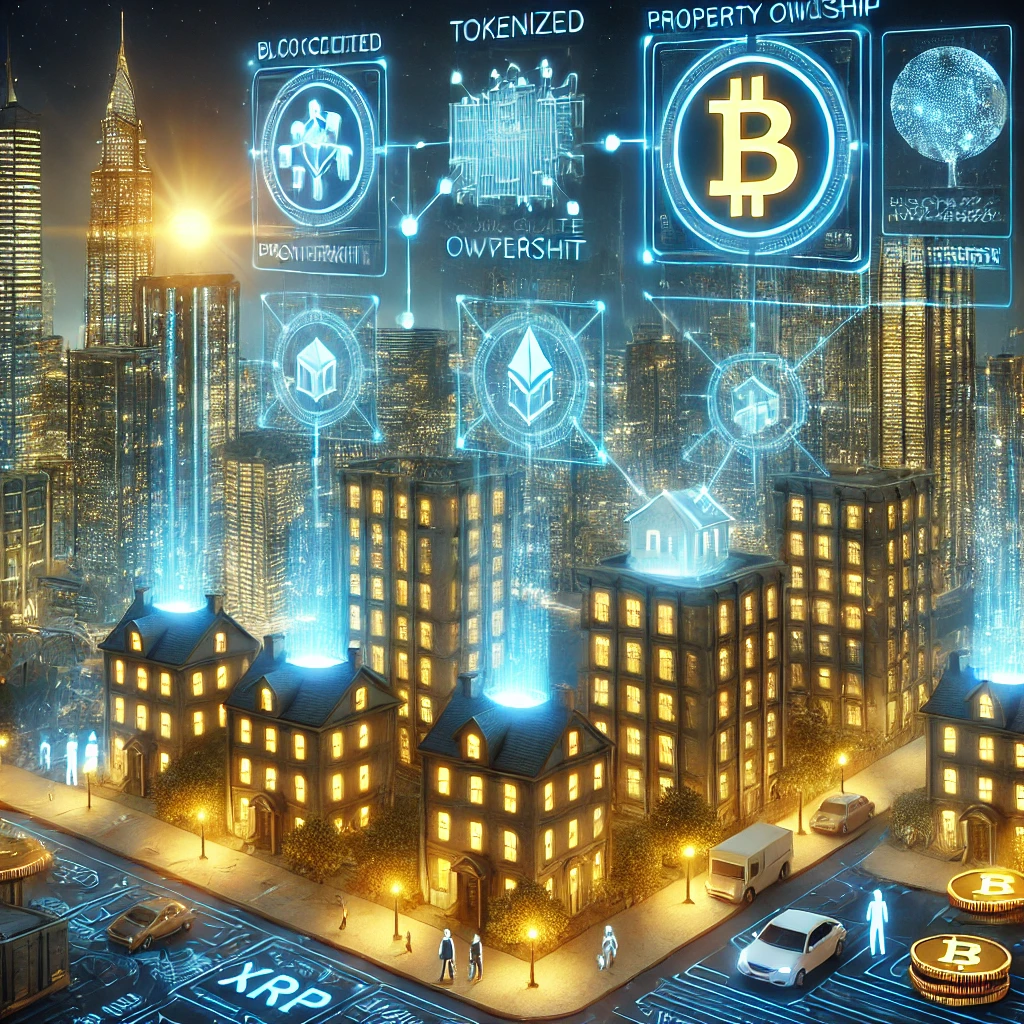
Crypto Projects to Watch: Real Estate Tokenization – Transforming Property Investment

The real estate industry has long been known for its high barriers to entry, slow transactions, and reliance on intermediaries. Blockchain technology is changing this by enabling real estate tokenization, allowing properties to be divided into digital assets that can be bought, sold, and traded seamlessly.

Several crypto projects are leading the charge in real estate tokenization, leveraging blockchain to create a more transparent and efficient property market. Let’s take a look at the key players, including Hedera (HBAR), XRP Ledger, and others, as well as the risks involved in this emerging space.


How Real Estate Tokenization Works

Real estate tokenization involves converting ownership rights of a property into blockchain-based tokens. These tokens can be:

  • Fractionalized, meaning investors can buy small portions of a property
  • Traded on secondary markets, improving liquidity
  • Stored on a blockchain, ensuring transparency and security
  • Accessible globally, allowing investors from anywhere to participate

With blockchain, real estate investment becomes faster, cheaper, and more efficient compared to traditional methods.


Top Crypto Projects in Real Estate Tokenization

1. Hedera Hashgraph (HBAR) – Enterprise-Grade Tokenization

Hedera Hashgraph is one of the most promising blockchain platforms for real estate tokenization due to its high-speed, low-cost, and secure infrastructure.

Why HBAR for Real Estate?

  • Fast transactions – Hedera can handle 10,000+ TPS with near-instant finality
  • Low fees – A fraction of a cent per transaction, making token transfers cost-effective
  • Enterprise adoption – Major institutions like Avery Dennison, Google, and Standard Bank already use Hedera’s network
  • Sustainability – Energy-efficient consensus mechanism

Example Use Case:
Hedera’s Token Service (HTS) allows real estate firms to tokenize properties, enabling fractional ownership and seamless property transfers on-chain.


2. XRP Ledger (XRP) – Real Estate Payments & Settlements

XRP Ledger (XRPL) is another strong player in the real estate tokenization space, offering fast and efficient cross-border payments that can be used in real estate transactions.

Why XRP for Real Estate?

  • Instant, low-cost payments – Transactions settle in 3-5 seconds with fees under $0.01
  • Interoperability – XRPL supports smart contracts and tokenized assets
  • Regulatory focus – Ripple is working on compliant tokenization solutions

Example Use Case:
Real estate firms can use XRPL for international property transactions, allowing buyers and sellers to transfer funds instantly without needing traditional banks.


3. Propy (PRO) – NFT-Based Real Estate Ownership

Propy is an Ethereum-based real estate platform that enables users to buy and sell properties using NFTs (Non-Fungible Tokens).

Why Propy for Real Estate?

  • NFT-based property ownership – Homes can be bought/sold as digital tokens
  • Smart contract automation – Reduces paperwork and legal costs
  • Real-world adoption – Properties have already been sold as NFTs via Propy

Example Use Case:
A Miami property was sold using Propy’s blockchain platform, showing how NFTs can revolutionize real estate transactions.


Risks of Real Estate Tokenization

While real estate tokenization has significant potential, it also comes with several risks that investors should consider.

1. Regulatory Uncertainty

Tokenized real estate is still a gray area in many jurisdictions. Governments may introduce new regulations that impact how these digital assets are issued, traded, or taxed.

2. Market Liquidity Issues

While tokenization improves liquidity, secondary markets for real estate tokens are still in their early stages. Selling a tokenized property share may not always be as easy as selling traditional crypto assets.

3. Smart Contract Risks

Blockchain relies on smart contracts, which can be vulnerable to hacks, bugs, or exploits. If a contract is poorly written, it could lead to financial losses for investors.

4. Centralization Risks

Some real estate tokenization platforms are still partially centralized, meaning they rely on companies or legal structures that could introduce risks like fraud, mismanagement, or legal disputes.

5. Lack of Consumer Protection

Unlike traditional real estate investments, tokenized real estate may not be covered by standard consumer protections, increasing the risk of fraud or asset disputes.


The Future of Real Estate Tokenization

The tokenization of real estate is still in its early stages, but the potential is massive. With blockchain, real estate investment is becoming:

  • More accessible – Anyone can invest, even with small amounts
  • More liquid – Sell your tokens anytime instead of waiting months for a buyer
  • More transparent – No hidden fees, middlemen, or fraud risks

Projects like Hedera (HBAR), XRP Ledger, Propy, RealT, and Landshare are paving the way for a new era of real estate investing.


Learn More at FutureFinanceLab.com

If you want to stay ahead of the curve and understand how crypto, DeFi, and tokenization are shaping the future of finance, check out FutureFinanceLab.com.

  • Get insights on blockchain, investing, and financial innovation
  • Explore the latest trends in tokenized assets
  • Stay informed about new crypto opportunities

The future of real estate is on the blockchain—are you ready?

Beginner’s Guide to Common Investment Strategies

If you’re new to investing, you might feel overwhelmed by all the different strategies out there. Don’t worry—I’ve got you covered! Here’s a bite-sized breakdown of six key investment approaches, so you can find the one that fits your goals and risk level.


1️⃣ Contrarian Investing – Buy When Others Are Fearful

🔑 Key Idea: Go against the crowd and invest in assets that others are avoiding.
📈 Best For: Risk-takers who believe in long-term market cycles.
📊 Example: Buying stocks when the market is crashing, expecting them to rebound later.
🔥 Works Best In: Extreme market conditions (when fear is high).


2️⃣ Growth Investing – Bet on the Future

🔑 Key Idea: Invest in companies expected to grow fast, like tech startups.
📈 Best For: Those willing to take on more risk for higher potential rewards.
📊 Example: Investing in companies like Tesla or Nvidia before they became giants.
🔥 Works Best In: Bull markets (when the economy is growing).


3️⃣ Income Investing – Get Paid While You Wait

🔑 Key Idea: Focus on investments that pay you regularly, like dividend stocks.
📈 Best For: Investors looking for steady, passive income.
📊 Example: Buying shares in companies like Coca-Cola that pay dividends.
🔥 Works Best In: Stable markets.


4️⃣ Index Investing – Set It and Forget It

🔑 Key Idea: Invest in the entire market instead of picking individual stocks.
📈 Best For: Beginners and long-term investors who want simple, low-cost investing.
📊 Example: Buying an S&P 500 ETF to own a small piece of the top 500 U.S. companies.
🔥 Works Best In: Any market condition.


5️⃣ Momentum Investing – Ride the Wave

🔑 Key Idea: Buy stocks that are already trending up and sell before the trend fades.
📈 Best For: Short-term traders who follow market trends.
📊 Example: Buying stocks that have been rising fast, like AI companies.
🔥 Works Best In: Trending markets.


6️⃣ Value Investing – Buy Low, Sell High

🔑 Key Idea: Find great companies that are undervalued and wait for their price to rise.
📈 Best For: Patient investors who believe in long-term wealth building.
📊 Example: Warren Buffett’s approach—buying solid businesses at a discount.
🔥 Works Best In: Bear markets or when stocks are undervalued.


Which Strategy is Right for You?

There’s no one-size-fits-all answer. Your best strategy depends on:
✅ Your risk tolerance (Are you comfortable with market ups and downs?)
✅ Your time horizon (Do you want short-term gains or long-term wealth?)
✅ Your financial goals (Are you looking for income, growth, or stability?)

👉 Want to learn more and start your journey? Join FutureFinanceLab.com for expert insights, tools, and a community of smart investors like you! 🚀

The Future of Digital Assets: What You Need to Know

What Are Digital Assets?

Digital assets are more than just cryptocurrencies. They include everything from Bitcoin and Ethereum to tokenized real estate, NFTs, and AI-powered financial instruments. As the world shifts toward a digital-first economy, understanding these assets is essential for staying ahead.

Why Digital Assets Matter

The financial landscape is evolving, and digital assets are at the forefront. They offer transparency, security, and efficiency that traditional financial systems struggle to match. With blockchain technology enabling decentralized finance (DeFi), investors now have more opportunities to diversify and grow wealth outside of traditional banking.

Investment Opportunities in Digital Assets

  • Bitcoin & Cryptocurrencies – The foundation of digital assets, Bitcoin remains a strong long-term store of value.
  • Tokenized Real Estate – Invest in fractional ownership of real estate through blockchain-based tokens.
  • NFTs & Digital Collectibles – Beyond art, NFTs represent ownership of virtual assets, music rights, and even intellectual property.
  • AI & Web3 – The rise of AI-driven financial platforms and Web3 technology is reshaping the way we interact with digital assets.

The Risks & How to Navigate Them

While digital assets present massive opportunities, they also come with risks like volatility, regulatory uncertainty, and security threats. Investors must stay informed and adopt strategies to mitigate these risks.

🚀 Want to stay ahead of the digital finance revolution? Get exclusive insights and strategies—become a member of FutureFinanceLab.com today!