Market Update: Bitcoin, HBAR, XRP & Stocks – A Healthy Correction Before the Next Leg Up?

The markets have been going through a much-needed correction phase, shaking out weak hands before the next potential rally. While Bitcoin and altcoins have seen pullbacks, there are plenty of bullish signals in play that could set the stage for new all-time highs once uncertainty fades. Let’s break it all down.

Bitcoin’s Correction: A Buying Opportunity?

Bitcoin recently dipped below $78,000, only to recover around $83,500—a natural retracement after its explosive rally to $100K in December 2024. Analysts from 10X Research have suggested a possible dip to $73,000, but many believe these corrections are just part of Bitcoin’s long-term uptrend.

🔥 Bullish Factors for Bitcoin

✅ Institutional Interest – Bitcoin ETFs continue to attract massive inflows.
✅ Halving Supply Shock – The Bitcoin halving effect is still unfolding, reducing new BTC supply.
✅ Political Support – Trump’s latest statement, “the war on crypto is over,” signals a potential shift in regulatory sentiment.
✅ Global Economic Instability – Investors may turn to Bitcoin as a hedge against inflation and fiat devaluation.

❄️ Bearish Factors for Bitcoin

⚠️ Possible Further Corrections – Analysts predict a potential dip to $73,000 before Bitcoin stabilizes.
⚠️ Regulatory Uncertainty – While Trump’s comments are bullish, actual regulatory clarity is still needed.
⚠️ Macroeconomic Pressures – High interest rates and a stronger dollar could impact Bitcoin’s near-term growth.

If uncertainty clears up, Bitcoin could retest all-time highs and even push beyond $100K in the coming months.

XRP: Awaiting Clarity, But Momentum is Building

Ripple’s ongoing battle with the SEC remains a key focus for XRP investors, but recent legal wins suggest regulatory clarity may be on the horizon. Meanwhile, Ripple is expanding its partnerships, strengthening its presence in the cross-border payments space. If the legal overhang clears, XRP could be primed for a major breakout.

HBAR: Enterprise Adoption Accelerates

Hedera Hashgraph (HBAR) is steadily building real-world use cases. With major companies like Google, IBM, and Boeing backing the network, tokenization, DeFi, and enterprise adoption are growing. While the price has seen some volatility, the fundamentals remain solid, making HBAR one to watch.

Stock Market: $4 Trillion Wiped Out in 30 Days!

The stock market has been under heavy pressure, with $4 trillion in value erased in just 30 days. Concerns over interest rates, inflation, and geopolitical uncertainty have led to a sell-off, especially in high-growth sectors.

🔥 Bullish Factors for Stocks

✅ Earnings Strength – Many companies, especially in AI and tech, continue to report strong earnings.
✅ Potential Fed Pivot – If inflation cools, the Federal Reserve might pause or cut rates, boosting stocks.
✅ Economic Growth Resilience – Despite rate hikes, the job market and GDP growth remain steady.

❄️ Bearish Factors for Stocks

⚠️ Rising Interest Rates – Higher borrowing costs hurt corporate profits and economic growth.
⚠️ Geopolitical Risks – Ongoing conflicts and trade tensions add uncertainty to the global market.
⚠️ Investor Caution – With the recent correction, many are staying on the sidelines, waiting for a clearer trend.

Final Thoughts

Corrections are normal and healthy in any bull cycle. Bitcoin, XRP, and HBAR are all showing strong long-term potential, and once uncertainty fades, we could see another wave of bullish momentum. The stock market is also at a critical juncture—while risks remain, any positive macroeconomic shift could spark the next big rally.

🚀 Are you buying this dip? Share your thoughts below! 👇

AI-Powered Market Manipulation – Is Wall Street Outsmarting Retail Investors?

Artificial intelligence (AI) is reshaping financial markets, giving institutional traders a powerful edge. With AI-driven algorithms analyzing data in milliseconds, retail investors often find themselves at a disadvantage. But is Wall Street using AI to manipulate the market?

How AI Gives an Edge to Big Players

  • High-Frequency Trading (HFT): AI algorithms execute trades at lightning speed, potentially front-running retail orders.
  • Market Sentiment Exploitation: AI scans news and social media to predict trends before the public reacts.
  • Artificial Volatility: Some firms use rapid trades to create price swings that retail investors unknowingly follow.

Should Retail Traders Be Concerned?

With institutional AI systems dominating the market, retail traders struggle to compete. Regulators are trying to catch up, but transparency remains a challenge. However, AI-powered tools for retail investors are emerging, aiming to level the playing field.

The future of trading will depend on who controls AI—and whether retail investors can access the same technology. Stay ahead of the game with the latest insights at FutureFinanceLab.com.

Crypto Projects to Watch: Real Estate Tokenization – Transforming Property Investment

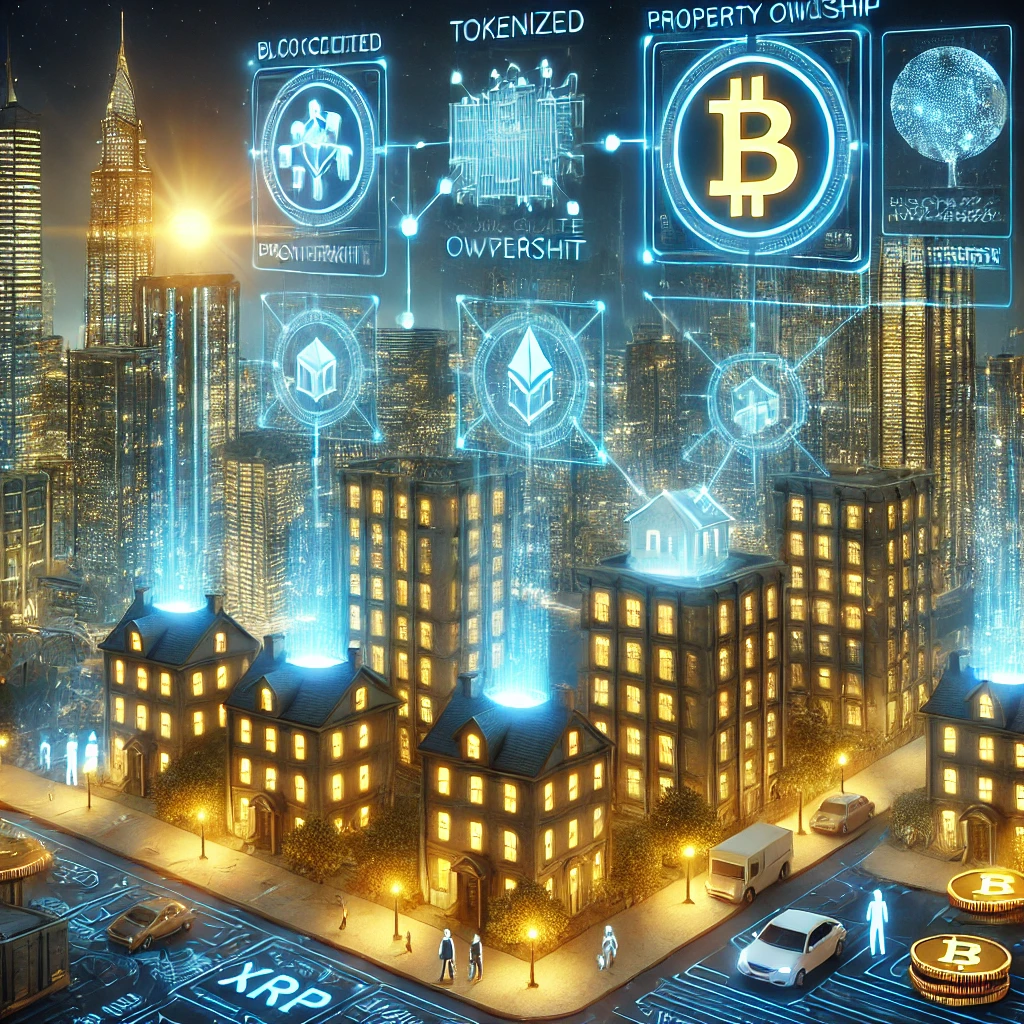
The real estate industry has long been known for its high barriers to entry, slow transactions, and reliance on intermediaries. Blockchain technology is changing this by enabling real estate tokenization, allowing properties to be divided into digital assets that can be bought, sold, and traded seamlessly.

Several crypto projects are leading the charge in real estate tokenization, leveraging blockchain to create a more transparent and efficient property market. Let’s take a look at the key players, including Hedera (HBAR), XRP Ledger, and others, as well as the risks involved in this emerging space.


How Real Estate Tokenization Works

Real estate tokenization involves converting ownership rights of a property into blockchain-based tokens. These tokens can be:

  • Fractionalized, meaning investors can buy small portions of a property
  • Traded on secondary markets, improving liquidity
  • Stored on a blockchain, ensuring transparency and security
  • Accessible globally, allowing investors from anywhere to participate

With blockchain, real estate investment becomes faster, cheaper, and more efficient compared to traditional methods.


Top Crypto Projects in Real Estate Tokenization

1. Hedera Hashgraph (HBAR) – Enterprise-Grade Tokenization

Hedera Hashgraph is one of the most promising blockchain platforms for real estate tokenization due to its high-speed, low-cost, and secure infrastructure.

Why HBAR for Real Estate?

  • Fast transactions – Hedera can handle 10,000+ TPS with near-instant finality
  • Low fees – A fraction of a cent per transaction, making token transfers cost-effective
  • Enterprise adoption – Major institutions like Avery Dennison, Google, and Standard Bank already use Hedera’s network
  • Sustainability – Energy-efficient consensus mechanism

Example Use Case:
Hedera’s Token Service (HTS) allows real estate firms to tokenize properties, enabling fractional ownership and seamless property transfers on-chain.


2. XRP Ledger (XRP) – Real Estate Payments & Settlements

XRP Ledger (XRPL) is another strong player in the real estate tokenization space, offering fast and efficient cross-border payments that can be used in real estate transactions.

Why XRP for Real Estate?

  • Instant, low-cost payments – Transactions settle in 3-5 seconds with fees under $0.01
  • Interoperability – XRPL supports smart contracts and tokenized assets
  • Regulatory focus – Ripple is working on compliant tokenization solutions

Example Use Case:
Real estate firms can use XRPL for international property transactions, allowing buyers and sellers to transfer funds instantly without needing traditional banks.


3. Propy (PRO) – NFT-Based Real Estate Ownership

Propy is an Ethereum-based real estate platform that enables users to buy and sell properties using NFTs (Non-Fungible Tokens).

Why Propy for Real Estate?

  • NFT-based property ownership – Homes can be bought/sold as digital tokens
  • Smart contract automation – Reduces paperwork and legal costs
  • Real-world adoption – Properties have already been sold as NFTs via Propy

Example Use Case:
A Miami property was sold using Propy’s blockchain platform, showing how NFTs can revolutionize real estate transactions.


Risks of Real Estate Tokenization

While real estate tokenization has significant potential, it also comes with several risks that investors should consider.

1. Regulatory Uncertainty

Tokenized real estate is still a gray area in many jurisdictions. Governments may introduce new regulations that impact how these digital assets are issued, traded, or taxed.

2. Market Liquidity Issues

While tokenization improves liquidity, secondary markets for real estate tokens are still in their early stages. Selling a tokenized property share may not always be as easy as selling traditional crypto assets.

3. Smart Contract Risks

Blockchain relies on smart contracts, which can be vulnerable to hacks, bugs, or exploits. If a contract is poorly written, it could lead to financial losses for investors.

4. Centralization Risks

Some real estate tokenization platforms are still partially centralized, meaning they rely on companies or legal structures that could introduce risks like fraud, mismanagement, or legal disputes.

5. Lack of Consumer Protection

Unlike traditional real estate investments, tokenized real estate may not be covered by standard consumer protections, increasing the risk of fraud or asset disputes.


The Future of Real Estate Tokenization

The tokenization of real estate is still in its early stages, but the potential is massive. With blockchain, real estate investment is becoming:

  • More accessible – Anyone can invest, even with small amounts
  • More liquid – Sell your tokens anytime instead of waiting months for a buyer
  • More transparent – No hidden fees, middlemen, or fraud risks

Projects like Hedera (HBAR), XRP Ledger, Propy, RealT, and Landshare are paving the way for a new era of real estate investing.


Learn More at FutureFinanceLab.com

If you want to stay ahead of the curve and understand how crypto, DeFi, and tokenization are shaping the future of finance, check out FutureFinanceLab.com.

  • Get insights on blockchain, investing, and financial innovation
  • Explore the latest trends in tokenized assets
  • Stay informed about new crypto opportunities

The future of real estate is on the blockchain—are you ready?

The Future of Digital Assets: What You Need to Know

What Are Digital Assets?

Digital assets are more than just cryptocurrencies. They include everything from Bitcoin and Ethereum to tokenized real estate, NFTs, and AI-powered financial instruments. As the world shifts toward a digital-first economy, understanding these assets is essential for staying ahead.

Why Digital Assets Matter

The financial landscape is evolving, and digital assets are at the forefront. They offer transparency, security, and efficiency that traditional financial systems struggle to match. With blockchain technology enabling decentralized finance (DeFi), investors now have more opportunities to diversify and grow wealth outside of traditional banking.

Investment Opportunities in Digital Assets

  • Bitcoin & Cryptocurrencies – The foundation of digital assets, Bitcoin remains a strong long-term store of value.
  • Tokenized Real Estate – Invest in fractional ownership of real estate through blockchain-based tokens.
  • NFTs & Digital Collectibles – Beyond art, NFTs represent ownership of virtual assets, music rights, and even intellectual property.
  • AI & Web3 – The rise of AI-driven financial platforms and Web3 technology is reshaping the way we interact with digital assets.

The Risks & How to Navigate Them

While digital assets present massive opportunities, they also come with risks like volatility, regulatory uncertainty, and security threats. Investors must stay informed and adopt strategies to mitigate these risks.

🚀 Want to stay ahead of the digital finance revolution? Get exclusive insights and strategies—become a member of FutureFinanceLab.com today!

ECB president Christine Lagarde : How She’s Wrong About Bitcoin While Fiat Fails

Lagarde’s Dismissal of Bitcoin

European Central Bank (ECB) President Christine Lagarde has openly rejected the idea of Bitcoin entering central bank reserves, dismissing it as too volatile and lacking intrinsic value. She insists that Bitcoin will never play a role in official monetary policy, reinforcing the ECB’s commitment to traditional fiat currencies like the Euro.

However, history has shown that central authorities often fail to recognize disruptive financial innovations until they become too big to ignore. Lagarde’s stance is not only outdated but also a desperate attempt to maintain control over a failing fiat system.

Why Fiat Currencies Are Losing

The Euro and the U.S. Dollar are both facing significant declines in purchasing power due to reckless monetary policies. Governments and central banks continue to print excessive amounts of money, increasing debt burdens and fueling inflation. As a result, the value of these currencies is eroding, and people are searching for alternatives.

Inflation and Central Bank Failures

Inflation is steadily eroding savings and wages, making it harder for individuals to maintain their purchasing power. Central banks attempt to counteract inflation with interest rate hikes, but this often slows economic growth and leads to economic downturns. Despite these measures, the long-term trend remains clear: fiat currencies are losing value.

Bitcoin’s Victory Over Centralized Control

Unlike fiat currencies, Bitcoin operates outside the control of any government or central bank. It is decentralized, has a fixed supply of 21 million coins, and cannot be manipulated by inflationary policies.

Bitcoin as a Hedge Against Inflation

With more institutions and individuals turning to Bitcoin as a hedge against inflation, its adoption continues to grow. Major corporations are adding Bitcoin to their treasuries, ETFs are bringing Bitcoin into mainstream investment portfolios, and nations struggling with inflation are increasingly embracing Bitcoin as a store of value.

The Real Reason Central Banks Fear Bitcoin

Lagarde and other central bankers reject Bitcoin not because it lacks value but because it threatens their monopoly on money. If Bitcoin were to enter central bank reserves, it would signal the decline of government-controlled monetary policy. This is why central banks continue to push their own digital currencies (CBDCs) while dismissing Bitcoin’s superior financial properties.

The Inevitable Shift

As fiat currencies continue their downward spiral, Bitcoin’s role as a global financial alternative will only strengthen. The market is speaking louder than central bank rhetoric, and individuals are waking up to the reality that traditional money is failing them.

Lagarde can dismiss Bitcoin all she wants, but history will prove her wrong. The decentralized financial revolution is already here, and Bitcoin is leading the way.


Stay ahead of the financial revolution. Join Future Finance Lab for expert insights on Bitcoin, digital assets, and the evolving economy.

Ultimate Beginner’s Guide to Cryptocurrency: How to Get Started

At FutureFinanceLab.com, we don’t just teach you about cryptocurrency—we help you take action. If you’re ready to dive into the world of digital currencies, here’s everything you need to know to open an account and get started.


1. What is Cryptocurrency?

Cryptocurrency is digital money that exists only online. Unlike regular currency, it operates without a central authority (like a bank) and uses blockchain technology to track transactions.

The most famous cryptocurrency is Bitcoin (BTC), but there are many others like Ethereum (ETH) and Litecoin (LTC).


2. Step-by-Step Guide: How to Open an Account and Buy Your First Cryptocurrency

Step 1: Choose a Cryptocurrency Exchange

To buy cryptocurrency, you need to open an account on a cryptocurrency exchange. Popular exchanges include:

  • Coinbase: Great for beginners.
  • Binance: Offers a wide range of cryptocurrencies.
  • Kraken: Known for its strong security features.

Step 2: Sign Up and Verify Your Identity

Once you’ve chosen an exchange, you’ll need to create an account by entering your basic personal information, like your name and email address. Most exchanges will require you to verify your identity (KYC—Know Your Customer), which typically involves submitting a photo of your ID and a selfie.


Step 3: Deposit Funds Into Your Account

After your account is verified, you can deposit funds into it. Most exchanges allow you to deposit using USDEUR, or other fiat currencies via:

  • Bank Transfer
  • Credit or Debit Card
  • PayPal (on certain exchanges)

Step 4: Buy Your Cryptocurrency

Once your account is funded, you’re ready to buy cryptocurrency. You’ll find a variety of coins available for purchase, but to get started, you might want to buy Bitcoin (BTC) or Ethereum (ETH), as they are the most widely used.

  • Select the coin you want to buy.
  • Choose how much you want to invest.
  • Complete the transaction.

Step 5: Store Your Cryptocurrency Safely

After buying your cryptocurrency, it’s important to store it securely. Here’s how:

  • Hot Wallet: An online wallet connected to the internet (easy to access but less secure).
  • Cold Wallet: A hardware wallet that stores your cryptocurrency offline (more secure for long-term storage).

3. Why Cryptocurrency?

  • Potential for High Returns: Bitcoin and other cryptocurrencies have experienced significant growth in recent years.
  • Decentralization: You have control over your funds, with no bank or government involved.
  • Innovation: Cryptocurrency and blockchain are transforming industries, including finance, healthcare, and technology.

4. The Risks of Cryptocurrency

While cryptocurrency offers huge opportunities, it’s important to be aware of the risks:

  • Volatility: Prices can change rapidly.
  • Security Risks: Always store your crypto safely, and use secure exchanges.
  • Regulation: Cryptocurrency is still being regulated in many countries, so it’s important to stay updated on legal matters.

5. Start Your Journey Today at FutureFinanceLab.com

At FutureFinanceLab.com, we don’t just give you the basics—we guide you step by step. We offer exclusive tutorials and resources to help you make the right choices when opening an account, investing, and securing your cryptocurrency.

Ready to take the first step? Join our membership today to access more detailed guides, expert strategies, and a community of crypto enthusiasts like you.


By joining FutureFinanceLab.com, you’ll not only learn how to get started but also discover advanced strategies to grow your portfolio and manage risks effectively.

Start your crypto journey today! 🚀

Why Did Markets and Bitcoin Dip? Is Inflation and High Interest Rates the Culprit?

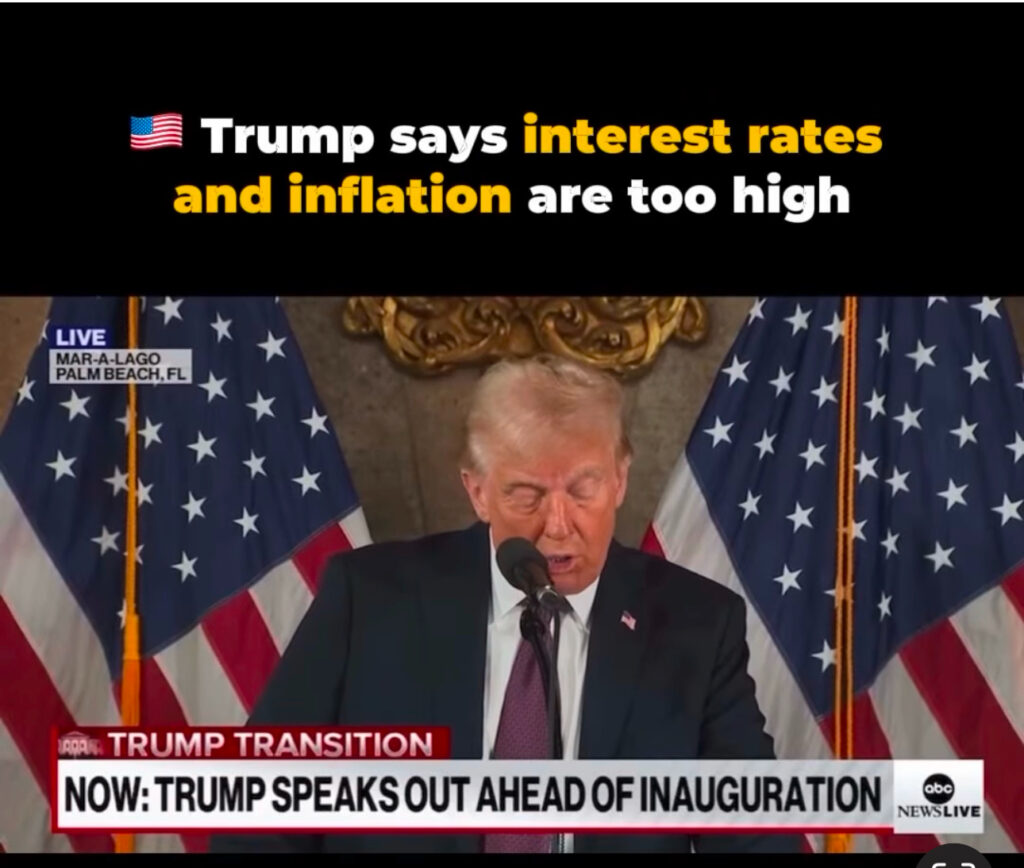
Recent dips in traditional markets and Bitcoin have sparked conversations, with many pointing to Donald Trump’s remarks on high interest rates and persistent inflation. Here’s what’s happening and what could be next.

What’s Behind the Market Dip?

1. High Interest Rates:

• The Federal Reserve’s stance of maintaining higher interest rates has created headwinds for both traditional and crypto markets. High rates make borrowing expensive, reduce liquidity, and pressure riskier assets like Bitcoin.

2. Inflation Concerns:

• Although inflation has cooled from its 2022 peaks, it remains above the Fed’s 2% target. Persistent inflation reduces purchasing power and leaves the Fed little room to lower rates aggressively.

3. Trump’s Comments:

• Former President Donald Trump called attention to high interest rates and inflation as major economic threats, echoing concerns shared by investors. His remarks may have heightened market jitters, fueling sell-offs.

4. Crypto-Specific Weakness:

• Bitcoin and cryptocurrencies are particularly sensitive to macroeconomic conditions. High interest rates reduce demand for speculative assets, and with fewer new buyers entering the market, prices have dipped.

What’s Next for Markets and Bitcoin?

1. Federal Reserve Decisions:

• Markets will closely watch the Fed’s actions in 2025. If inflation moderates, the Fed could cut rates, providing relief to both equities and crypto. However, a stubbornly high inflation rate might keep rates elevated, sustaining pressure on risk assets.

2. Earnings and Economic Data:

• Corporate earnings, unemployment figures, and inflation reports will shape market sentiment. Any signs of economic slowdown could trigger a pivot to more accommodative policies.

3. Bitcoin’s Long-Term Outlook:

• Despite near-term challenges, Bitcoin’s fundamentals remain strong. Adoption continues to grow, and the next halving event in 2024 is likely to tighten supply, which historically has supported price growth in the medium term.

What Can Investors Do?

1. Stay Diversified:

• Don’t put all your eggs in one basket. Spread your investments across traditional assets, crypto, and inflation-resistant sectors like commodities.

2. Monitor Economic Indicators:

• Keep an eye on inflation, GDP growth, and Fed policy announcements. These will set the tone for markets in 2025.

3. Focus on Fundamentals:

• For Bitcoin enthusiasts, price dips can present buying opportunities. If your conviction in crypto’s long-term potential remains strong, this could be a time to accumulate.

4. Be Patient:

• Volatility is normal in uncertain times. Avoid knee-jerk reactions and focus on your long-term investment strategy.

Conclusion

High interest rates and inflation are creating challenging conditions for both traditional and crypto markets. While short-term pain is evident, the long-term outlook for Bitcoin and equities remains cautiously optimistic, especially if inflation moderates and the Fed adjusts its policies. For now, staying informed and diversified is the best way forward.

Bitcoin, the Fed, and the Market Dance: A Day in Crypto’s World

As I scrolled through the headlines this morning, the air was charged with anticipation: the Federal Reserve was gearing up for its final monetary policy decision of the year. Would they cut rates? Hold steady? Hike unexpectedly? For market-watchers like me, it’s the kind of day where even a sip of coffee feels like a luxury—everything is moving fast, especially in the volatile world of Bitcoin.

The Fed, true to the whispers of analysts, trimmed interest rates by 0.25%. The new target range: 4.25% to 4.5%. While this was expected, it wasn’t without drama. The Fed Chair, Jerome Powell, delivered his trademark cautious optimism, hinting at only two further cuts in 2025, fewer than the market had hoped. And just like that, the ripple effects began.

Bitcoin: The Risk Asset with a Mind of Its Own

Bitcoin has been described as “digital gold,” a hedge against inflation, a decentralized store of value. But on days like today, Bitcoin behaves less like gold and more like a thrill-seeking daredevil. As Powell’s words sank in, Bitcoin took a sharp tumble, falling below the $101,000 mark after flirting with $107,000 earlier in the day.

Why? It’s all about sentiment. In recent years, Bitcoin has grown up. It’s no longer a niche playground for tech geeks—it’s a macroeconomic participant, reacting to central bank decisions and global liquidity just like equities.

When the Fed signaled a slower pace of rate cuts, the message was clear: easy money isn’t coming back as quickly as some investors hoped. And Bitcoin, often seen as a high-risk, high-reward asset, reflected that sentiment instantly.

The Market Mood

Traditional markets weren’t immune to the Fed’s cautious tone either. The S&P 500 sank 2.6%, the Nasdaq dropped over 3%, and Treasury yields ticked higher. The stock market was throwing its own tantrum, and Bitcoin was caught in the crossfire.

It was a reminder of just how interconnected everything is. In 2023, Bitcoin’s correlation to tech stocks began to fade, but the connection hasn’t disappeared completely. A risk-off mood in equities often spills over into crypto.

But here’s the twist: Bitcoin’s dip wasn’t met with despair.

A Silver Lining?

Scrolling through Twitter, Telegram groups, and crypto forums, there was a surprising undercurrent of optimism. Long-term holders saw this dip not as a warning but as an opportunity. “Bitcoin under $101K is a gift,” one post declared confidently. Others pointed out that BTC has weathered far worse storms and emerged stronger.

And that’s what fascinates me about Bitcoin. It’s not just an asset; it’s a movement. Every pullback, every surge carries with it a narrative that transcends numbers. Today’s drop? For some, it’s the Fed tightening the leash on risk assets. For others, it’s just another moment in Bitcoin’s endless dance of volatility—a feature, not a bug.

Lessons From the Day

Here’s the thing about days like today: they remind you why you’re in the game. Bitcoin, for all its volatility, is a mirror to the broader financial ecosystem. The Fed’s decisions, inflation numbers, geopolitical events—they all manifest in Bitcoin’s price chart with stunning immediacy.

But there’s another lesson, too: patience. Markets overreact in the short term, but long-term trends tell the real story. As I watched Bitcoin bounce slightly off its lows, I thought about how many times I’d seen this play out. Back in 2020, a dip to $10K felt catastrophic. Today, $101K feels like a minor blip.

That’s the journey Bitcoin takes you on—a rollercoaster of emotions, sure, but also a journey of perspective.

Where Do We Go From Here?

Nobody knows. And that’s the beauty of it. The Fed may have a roadmap for rates in 2025, but markets—and especially Bitcoin—have a way of surprising everyone.

If today’s action taught me anything, it’s this: Bitcoin thrives on chaos. And for those of us along for the ride, days like today are why we’re here. It’s not just about the price—it’s about witnessing the evolution of a financial revolution, one Fed meeting at a time.

Tomorrow’s another day. The market will open, Bitcoin will move, and the dance will continue. The question isn’t whether Bitcoin will recover—it’s whether you’re ready to keep up with the music.

Altcoin Season is Officially Here: Spotlight on XRP and HBAR

As the latest CMC Altcoin Season Index hits a solid 75/100, it’s official: the crypto market is firmly in altcoin territory. This index score indicates that a majority of the top 50 cryptocurrencies have outperformed Bitcoin over the last 90 days, signaling a significant shift in investor sentiment and capital flow toward altcoins.

Leading the charge are some standout performers, including XRP and HBAR, with impressive 90-day gains of 321% and 373%, respectively. These gains underscore the growing confidence in utility-driven tokens as investors look beyond Bitcoin for opportunities.

XRP: Momentum from Legal and Utility Gains

XRP’s resurgence is tied to favorable developments in its ongoing legal saga and increasing adoption for cross-border payments. Ripple’s expanding partnerships and use cases in the financial sector have propelled XRP into the spotlight, with its price reflecting renewed optimism about its potential.

HBAR: Pioneering Efficiency and Scalability

HBAR has also seen a meteoric rise, driven by its unique position in the market. Hedera’s enterprise-grade blockchain solution, offering unmatched efficiency and scalability, continues to attract institutional and developer interest. Its focus on real-world applications, from tokenized assets to supply chain solutions, has resonated with investors.

Broader Market Implications

The current altcoin season marks a clear divergence in the crypto landscape. While Bitcoin remains a dominant force, this trend highlights the market’s appetite for innovation and diversification. With other coins like DOGE, ADA, and ALGO also posting significant gains, this rally reflects a broader altcoin narrative centered on utility, community, and speculative excitement.

For traders and investors, the season is ripe with opportunities, but as always, market conditions demand careful analysis and risk management. Altcoin season may just be getting started, and coins like XRP and HBAR are positioned to remain pivotal players in this evolving narrative.

For more insights into the evolving world of cryptocurrency and finance, and to stay ahead in this fast-moving space, visit FutureFinanceLab.com. Become a member today to access exclusive content, market trends, and expert analyses!