Wall Streets Crypto Embrace: Big Banks Quietly Moving In

In a surprising but increasingly evident shift, major financial institutions are making bold moves into the cryptocurrency space. The recent news that BNY Mellon, Citi, State Street, Bank of Montreal, and Goldman Sachs are engaging in various crypto-related activities signals a growing institutional appetite for digital assets. While regulatory uncertainty has kept traditional banks at bay for years, the tide appears to be turning.

A New Era for Crypto Custody and Investment

State Street & Citi Bank Enter Crypto Custody

According to reports, State Street and Citi Banks two of the worlds largest custodian banks are launching crypto custody services. This is a significant move, as custodian banks play a crucial role in safeguarding institutional assets. With State Street managing over $44 trillion in assets and Citi Bank overseeing around $2.14 trillion, their involvement in digital asset custody could bridge the gap between traditional finance and crypto.

Crypto custody services allow institutional investors to hold Bitcoin and other digital assets securely, which has been a key barrier preventing mainstream adoption. This development suggests that demand for crypto exposure among institutional clients is reaching new highs.

Bank of Montreal Quietly Accumulating Bitcoin ETFs

While some banks are focused on infrastructure, others are making direct investments. The Bank of Montreal (BMO) has reportedly been quietly accumulating Bitcoin ETFs. This indicates growing confidence in Bitcoin as a long-term asset and suggests that institutional players are looking to gain exposure to crypto in regulated and familiar ways.

Bitcoin ETFs have gained significant traction recently, providing a more accessible investment vehicle for both retail and institutional investors. BMOs actions reflect a broader trend of financial institutions positioning themselves ahead of potential future price surges.

Goldman Sachs Betting Big on Bitcoin and Ethereum

Perhaps the most striking development comes from Goldman Sachs, which has been betting billions on Bitcoin and Ethereum amid price volatility. While Goldman Sachs has had a love-hate relationship with crypto in the past, the firm is now actively trading and profiting from digital asset volatility.

This move suggests that major financial institutions are no longer just experimenting with crypto—they are actively engaging in it as a core part of their trading strategies. As more firms follow Goldmans lead, the crypto market could see increased liquidity and stability.

Why Are Banks Moving Into Crypto Now?

Several factors are driving this institutional shift toward crypto:

1. Regulatory Clarity is Improving : Governments and financial watchdogs are starting to provide clearer frameworks for institutional crypto adoption.

2. Institutional Demand is Surging : Hedge funds, pension funds, and high-net-worth individuals are demanding exposure to digital assets.

3. Crypto is Becoming a Mainstream Asset Class:The rise of Bitcoin ETFs and blockchain integration into finance has made digital assets more appealing.

4. Competitive Pressure :As more banks embrace crypto, others risk falling behind if they don’t adapt.

What This Means for the Future of Crypto

The involvement of these major banks legitimizes cryptocurrency in a way that was previously unthinkable. While retail investors have been active in crypto for over a decade, institutional adoption has been the missing piece. With trillions in assets under management, these financial giants could dramatically reshape the crypto landscape.

As more banks roll out custody services, investment products, and trading desks, cryptocurrency could become as integral to financial markets as traditional assets like stocks and bonds. For crypto investors, this institutional embrace is bullish, as it increases adoption, liquidity, and long-term stability.

One thing is certain: Wall Street is no longer ignoring crypto it’s moving in.

By joining FutureFinanceLab.com, you’ll not only learn how to get started but also discover advanced strategies to grow your portfolio and manage risks effectively.

Start your crypto journey today!

Dark Pools: The Hidden Side of Financial Markets and How Tokenized Assets Can Bring Transparency

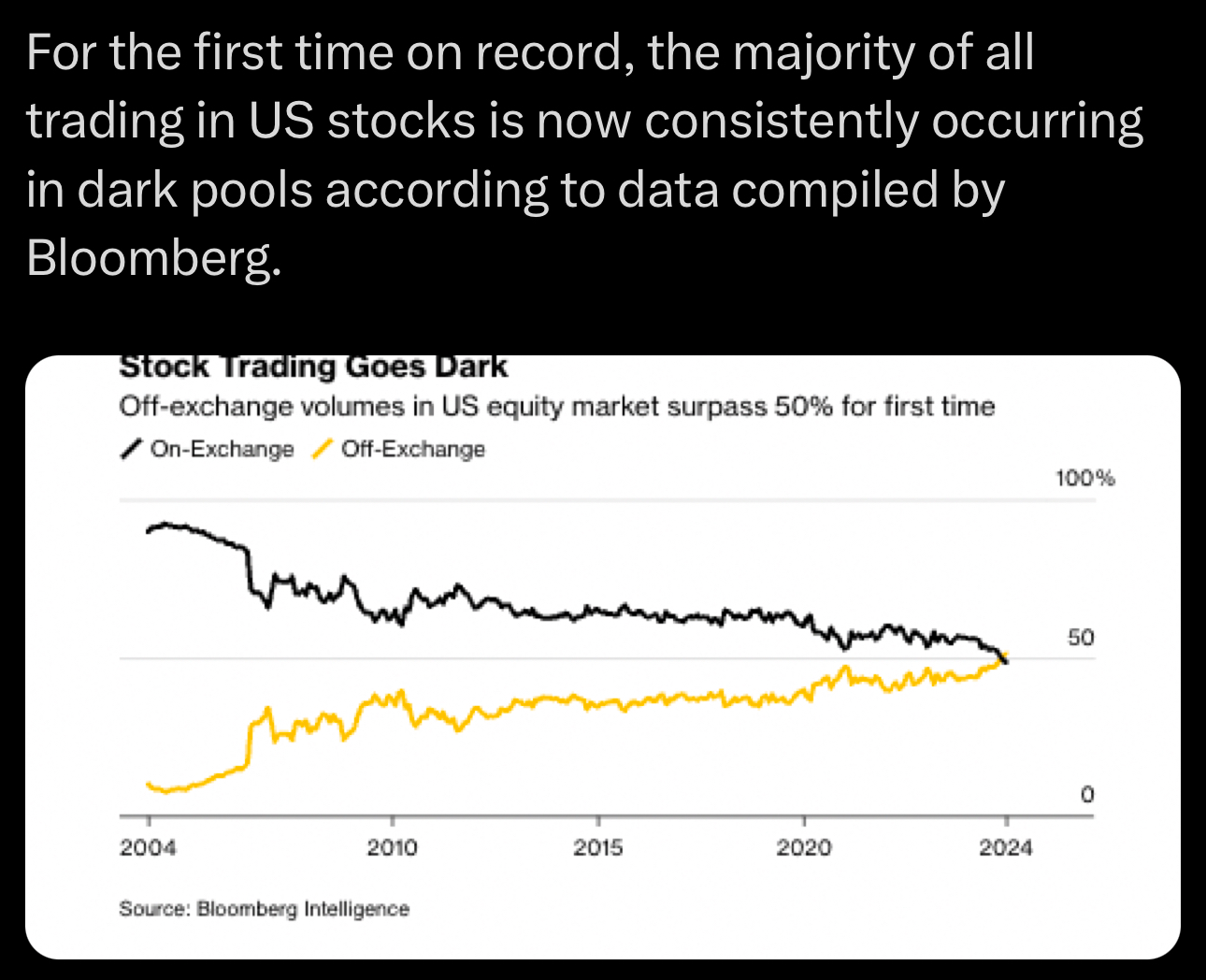
In the world of finance, transparency is often hailed as the cornerstone of fair and efficient markets. Yet, a significant portion of trading happens away from the public eye in dark pools. These private trading venues, designed to facilitate large transactions without affecting market prices, have become increasingly dominant. For the first time in history, over 50% of U.S. stock trading now occurs off-exchange, according to Bloomberg. This trend raises critical questions about market fairness, transparency, and the future of trading.

At Future Finance Lab, we believe in exploring the intersection of finance and technology to uncover solutions that foster trust and efficiency. In this article, we will dive into the risks posed by dark pools and examine how tokenized assets and blockchain technology can address these challenges.

What Are Dark Pools?

Dark pools, also known as private trading forums, are a type of alternative trading system (ATS) where institutional investors execute large trades away from public exchanges like the NYSE or NASDAQ. These platforms offer advantages such as:

Anonymity: Preventing market moves caused by public knowledge of large trades.

Reduced Market Impact: Allowing trades to be executed without immediately affecting the stocks price.

While these features serve a purpose, they come at a cost. The lack of public scrutiny creates a fragmented and opaque market, leaving retail investors at a disadvantage and reducing overall market transparency.

The Dangers of Dark Pools

1. Market Opacity:

Dark pools obscure large portions of trading activity, which can distort price discovery the process by which market prices reflect supply and demand.

2. Unfair Advantage:

Institutional players gain access to privileged information and favorable trading conditions that retail investors lack.

3. Risk of Manipulation:

The absence of public oversight increases the likelihood of market manipulation or collusion among participants.

4. Liquidity Challenges:

When too much volume is diverted to dark pools, public markets can suffer from reduced liquidity, leading to higher volatility and wider spreads.

5. Eroding Trust:

For markets to function effectively, participants need confidence in their fairness. The secrecy of dark pools undermines this trust.

Can Tokenized Assets Fix the Problem?

Tokenized assets represent real-world assets (such as stocks, bonds, or real estate) on a blockchain. By leveraging blockchain technology, tokenization introduces unprecedented transparency and efficiency into financial markets. Here is how:

1. Real-Time Transparency:

Every transaction involving a tokenized asset is recorded on a blockchain, creating an immutable and publicly accessible ledger. This ensures all market participants have equal access to trading data, addressing the opacity of dark pools.

2. Decentralized Trading Platforms:

Blockchain-powered decentralized exchanges (DEXs) allow large trades to occur with reduced market impact while maintaining transparency. Unlike dark pools, these platforms provide a record of trade volumes and prices.

3. Fair Market Access:

Tokenized assets democratize finance by lowering entry barriers. Retail investors can access fractional ownership of assets and participate in markets traditionally dominated by institutions.

4. Programmable Rules:

Smart contracts embedded in tokenized assets can enforce fair trading practices, such as mandatory disclosures or price limits, reducing the potential for manipulation.

5. Enhanced Liquidity:

Fractionalization of tokenized assets increases market liquidity by enabling smaller trades, reducing the reliance on private venues for large transactions.

Challenges to Overcome

While tokenized assets present a compelling solution, there are hurdles to widespread adoption:

Regulatory Uncertainty:

Governments and regulators must define clear frameworks for blockchain-based trading to ensure compliance and protect investors.

Infrastructure and Scalability:

Blockchain networks need to handle high transaction volumes efficiently to compete with existing financial systems.

Institutional Buy-In:

For tokenized markets to thrive, institutional players must adopt and trust the technology.

The Future of Financial Markets

The rise of dark pools highlights the need for innovation in financial markets. Tokenized assets offer a pathway to greater transparency, efficiency, and inclusivity. By merging the power of blockchain technology with financial systems, we can create markets where everyone from retail investors to institutions has equal access to information and opportunities.

At Future Finance Lab, we are committed to exploring these cutting-edge solutions. Our goal is to empower investors with the tools and knowledge to thrive in a rapidly evolving financial landscape. Together, we can pave the way for a fairer, more transparent future.

Stay tuned as we continue to explore innovations in finance and technology. Have thoughts on dark pools or tokenized assets? Join the conversation on FutureFinanceLab.com!

America’s Wealth Gap: Why It Matters and What We Can Do

The Growing Divide

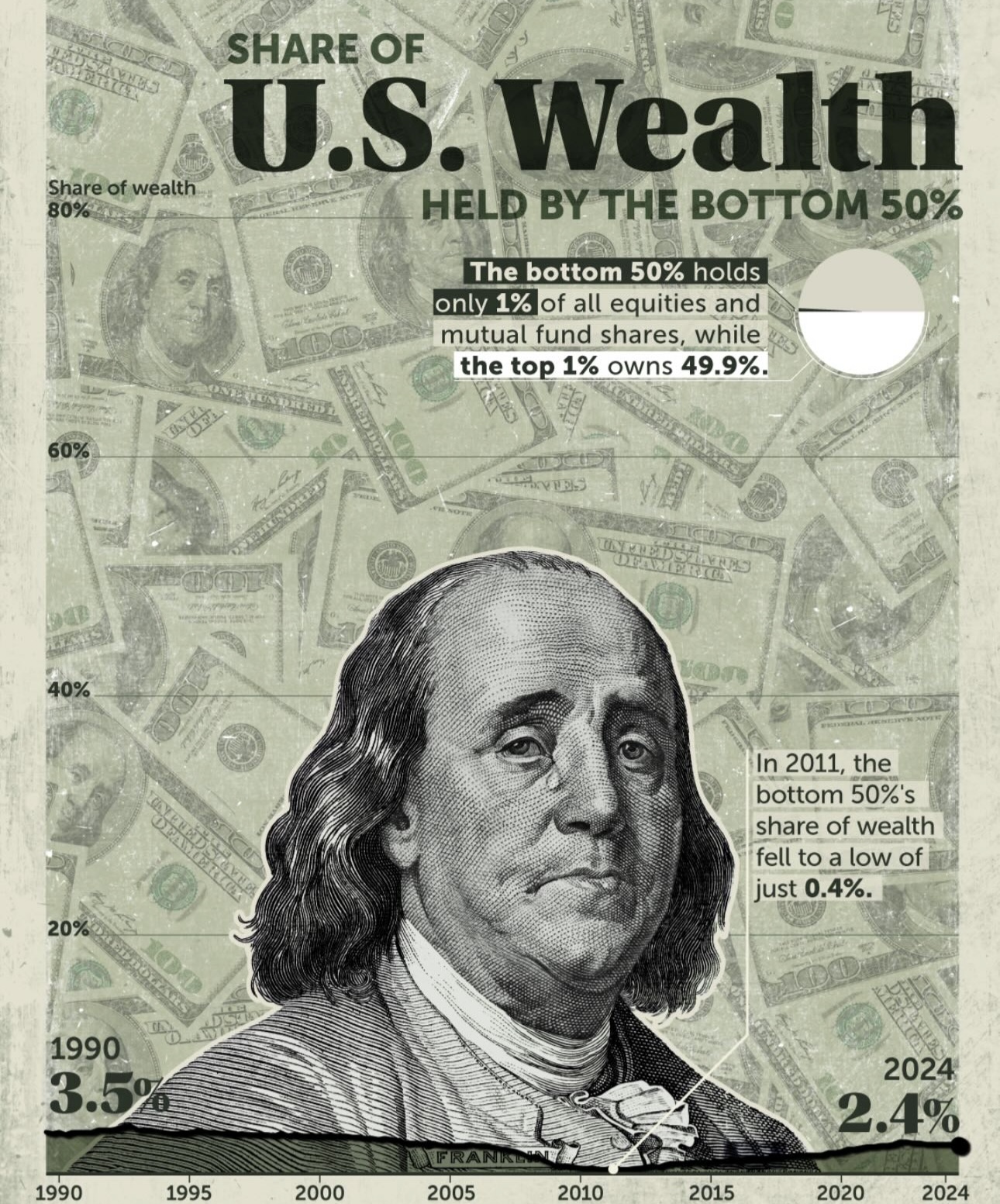
The U.S. economy is growing, but not everyone is benefiting equally. Today, the bottom 50% of Americans own just 2.4% of the country’s wealth, while the top 1% controls nearly 50%. This gap has been widening for decades, making it harder for everyday people to build financial security.

Why Is This Happening?

Several key factors are driving wealth inequality:

Stock Market Gains Favor the Wealthy: The rich own most stocks, while the bottom 50% hold just 1% of all equities and mutual funds. Since stocks grow in value over time, the wealthy keep getting richer.

Wages Aren’t Keeping Up: While living costs like housing and healthcare keep rising, wages for most workers have stayed the same or grown very slowly.

Lack of Investment Opportunities: Many lower-income individuals don’t have enough savings or knowledge to invest, missing out on long-term wealth-building.

What Can We Do?

To close the wealth gap, we need to:

1. Improve Financial Education :Teaching people how to invest and save wisely.

2. Make Investing More Accessible :Encouraging apps and programs that help everyday people invest in stocks and assets.

3. Support Fairer Economic Policies :Tax reforms and wage policies that help lower-income workers build wealth.

The Future of Wealth

If we don’t address this gap, financial inequality will continue to grow, making it harder for future generations to succeed. By promoting smart financial habits, accessible investing, and fair policies, we can work toward a more balanced and inclusive economy.

At FutureFinanceLab, we believe financial knowledge is power. Stay informed, start investing, and take control of your financial future!

The Future of Digital Assets: What You Need to Know

What Are Digital Assets?

Digital assets are more than just cryptocurrencies. They include everything from Bitcoin and Ethereum to tokenized real estate, NFTs, and AI-powered financial instruments. As the world shifts toward a digital-first economy, understanding these assets is essential for staying ahead.

Why Digital Assets Matter

The financial landscape is evolving, and digital assets are at the forefront. They offer transparency, security, and efficiency that traditional financial systems struggle to match. With blockchain technology enabling decentralized finance (DeFi), investors now have more opportunities to diversify and grow wealth outside of traditional banking.

Investment Opportunities in Digital Assets

  • Bitcoin & Cryptocurrencies – The foundation of digital assets, Bitcoin remains a strong long-term store of value.
  • Tokenized Real Estate – Invest in fractional ownership of real estate through blockchain-based tokens.
  • NFTs & Digital Collectibles – Beyond art, NFTs represent ownership of virtual assets, music rights, and even intellectual property.
  • AI & Web3 – The rise of AI-driven financial platforms and Web3 technology is reshaping the way we interact with digital assets.

The Risks & How to Navigate Them

While digital assets present massive opportunities, they also come with risks like volatility, regulatory uncertainty, and security threats. Investors must stay informed and adopt strategies to mitigate these risks.

🚀 Want to stay ahead of the digital finance revolution? Get exclusive insights and strategies—become a member of FutureFinanceLab.com today!

Unlocking Hidden Value: The Magic of Hidden Assets in Investing

In the stock market, sometimes two and two equals eight. How? Because a company can possess hidden assets that aren’t reflected in its stock price. When Wall Street finally recognizes these hidden gems, the stock can skyrocket.

Disney: A Case Study in Hidden Assets

Take Disney as an example. After opening Disney World and EPCOT, the company’s growth appeared to slow. However, hidden within Disney were untapped treasures. The Disney name itself became a powerhouse, launching initiatives like the Disney Channel, licensing Mickey Mouse, and expanding their merchandise. Remarkably, many of these assets were sitting on the books for little to no value!

But it didn’t stop there. Disney owned extensive land inside Disney World, while competitors built hotels outside. Instead of letting the opportunity slip by, Disney transformed that land into new parks and invited other companies to pay for the privilege of building within their property. These moves unlocked immense value and reignited growth.

Identifying Hidden Assets

Hidden assets come in many forms:

  • Real Estate: Companies often own valuable real estate whose market value isn’t fully reflected on their balance sheets.
  • Patents and Intellectual Property: Patents can provide a significant competitive edge, as seen with companies like Intel.
  • Brand Power: Iconic brands like Coca-Cola carry immense value, even though this might not appear on financial statements.

Buying Stocks Below Cash Value

Sometimes, a stock might even trade below its cash value after subtracting all debt. In such cases, it’s like getting the underlying business for free. These opportunities are rare but highly rewarding when they align with a strong, sustainable business model.

What This Means for Investors

When researching a stock, always ask yourself: Are there hidden assets waiting to be unlocked? A company’s true value often goes beyond its balance sheet, and recognizing these hidden opportunities can lead to exceptional returns. So keep your eyes open for those 2 + 2 equals 8 moments—you might just find your next big investment.

3D Printing in Healthcare: Revolutionizing Patient Care and Medical Innovation

3D printing has quickly evolved from a futuristic concept to a game-changing technology across various industries. In healthcare, this innovation is transforming medical devicesprosthetics, and bioprinting—a process that involves printing human tissues and organs. With the medical industry’s growing demand for personalized carecost-effective solutions, and more efficient production methods, 3D printing is playing a crucial role in shaping the future of healthcare.


How 3D Printing is Revolutionizing Healthcare

3D printing in healthcare uses a layer-by-layer approach to create customized medical devicesimplants, and prosthetics that are tailored to the individual patient. This technology is not only enabling personalized medicine but also offering groundbreaking advancements in medical treatments and surgical procedures.

Here’s how 3D printing is making waves in healthcare:

  1. Personalized Medical Devices and Implants:
    Traditional medical devices and implants are often mass-produced and standardized, but 3D printing allows for customization. For example, implants for joint replacementsdental implants, and cranial implants can be printed to fit a patient’s unique anatomy. This reduces complications, improves comfort, and enhances recovery times.
  2. Prosthetics:
    3D printing has made it more affordable to produce prosthetic limbs that are customized to the exact specifications of the patient. This technology also enables faster production times, reducing the overall cost of prosthetics while increasing accessibility, especially in low-income areas.
  3. Bioprinting:
    One of the most exciting advancements in 3D printing is bioprinting, where human cells are used to print tissuesand organs. While this technology is still in its early stages, it has the potential to address the global shortage of organ donors and create lab-grown tissues for medical research and transplants.
  4. Surgical Planning and Simulation:
    Surgeons can use 3D printed models of a patient’s anatomy to plan complex surgeries. This can help with pre-surgical planningpractice procedures, and educational purposes for medical professionals. Printing models of organs or body parts allows for a better understanding of individual patient conditions, leading to more precise and safer surgeries.
  5. Drug Development and Testing:
    3D printing can also be used to create personalized drug delivery systems, where medications are tailored to fit the patient’s specific needs. In addition, drug testing can be done on printed models of tissues, allowing researchers to test new drugs and treatments in a more accurate and cost-effective way.

Companies Leading the Charge in 3D Printing for Healthcare

Several companies are at the forefront of 3D printing technology in healthcare. Some of the top stocks to watch in this space include:

  1. 3D Systems Corporation (DDD)
    3D Systems is one of the pioneers in 3D printing technology, and they have a strong focus on healthcare applications. Their 3D printers are used to create medical devices, prosthetics, and even surgical tools. With their healthcare division, 3D Systems continues to lead the way in bioprinting and the production of custom implants.Why Watch: 3D Systems has made significant investments in the medical sector and is well-positioned for future growth in personalized healthcare products and bioprinting.
  2. Stratasys Ltd. (SSYS)
    Stratasys is another key player in the 3D printing market. The company provides additive manufacturing solutions for industries including aerospace, automotive, and healthcare. Stratasys is focused on printing biocompatible materials for use in creating prostheticsorthopedic devices, and dental implants.Why Watch: Stratasys is advancing in the field of 3D-printed dental and orthopedic implants, and its partnerships with healthcare providers make it an important player in medical 3D printing.
  3. Materialise NV (MTLS)
    Materialise is a leading provider of 3D printing software and services for a wide range of industries, including healthcare. The company’s 3D printing platform is used by medical professionals to create customized implantsprosthetics, and surgical guides. Materialise is also making strides in bioprinting, with a focus on developing customized 3D-printed medical solutions.Why Watch: Materialise is heavily involved in medical research, and its customization capabilities have strong potential for growth in both bioprinting and personalized medicine.
  4. Organovo Holdings (ONVO)
    Organovo is one of the leaders in bioprinting, a form of 3D printing that involves printing human cells to create tissues for medical research. The company’s technology allows for the printing of functional human tissues, which can be used in drug testing, disease modeling, and even for future organ transplants.Why Watch: Organovo is one of the most promising companies in the bioprinting space, with significant potential to revolutionize organ transplantation and medical research.

Challenges and Future of 3D Printing in Healthcare

While 3D printing offers tremendous potential, there are still challenges to overcome:

  1. Regulatory Hurdles:
    Medical products, including 3D printed devices and implants, are subject to strict regulations from agencies like the FDA. This means that companies must go through comprehensive testing and approval processes before their products can reach the market.
  2. Material Limitations:
    While progress is being made, there are still limitations regarding the range of biocompatible materials that can be used for 3D printing, particularly in bioprinting. Expanding the materials pool will be essential for future advancements in organ printing and tissue engineering.
  3. Cost and Accessibility:
    Although 3D printing makes customized healthcare solutions more affordable than traditional methods, the initial investment in 3D printing technology can still be costly. This might limit its adoption in certain regions or healthcare settings.

Conclusion

3D printing is revolutionizing healthcare by enabling the creation of personalized medical devicesprosthetics, and bioprinted tissues. As technology continues to evolve, bioprinting and custom implants will play an increasingly important role in improving patient care. Companies like 3D SystemsStratasys, and Organovo are at the forefront of this innovation and are poised to make a significant impact on the healthcare industry in the years ahead.

For investors, keeping an eye on these 3D printing companies could offer promising opportunities as the healthcare sector continues to embrace the benefits of this groundbreaking technology.


Top MedTech Companies to Watch in 2025

The MedTech industry is filled with innovative companies shaping the future of healthcare. From robotic surgery and wearable devices to diagnostic technologies and 3D printing, these companies are at the forefront of transforming patient care. Here are some top MedTech companies to watch in 2025:


1. Medtronic (MDT)

Sector: Cardiovascular, Diabetes, Neurology, Surgery
Medtronic is one of the largest and most well-established names in MedTech. With products spanning across multiple specialties, including cardiac devicesspinal implants, and insulin pumps, Medtronic remains a leader in innovation. The company is also investing heavily in robotic surgery and AI-powered diagnostics.

Why Watch: Their Minimally Invasive Therapies Group and the HawkOne robotic platform are expected to drive future growth.


2. Intuitive Surgical (ISRG)

Sector: Robotic Surgery
Intuitive Surgical is the maker of the da Vinci Surgical System, a leading robotic-assisted surgery platform. This technology revolutionized the field of minimally invasive surgery and continues to lead innovation with new advancements in robotic systems.

Why Watch: Their new da Vinci SP system and potential growth in AI integration are set to drive their position in the robotic surgery market.


3. Boston Scientific (BSX)

Sector: Cardiovascular, Endoscopy, Urology, Neurology
Boston Scientific is well-known for its minimally invasive devices used in the treatment of cardiovascular diseasesoncologyspinal conditions, and gastrointestinal disorders. With significant market share in stentscatheters, and balloon dilatation devices, the company is expanding into emerging areas like robotic surgery and bioelectric medicine.

Why Watch: Their focus on endoscopic solutions and cardiovascular treatments is driving innovation in healthcare.


4. Stryker Corporation (SYK)

Sector: Orthopedics, Surgical, Neurotechnology
Stryker is a key player in the orthopedic and neurotechnology spaces. They specialize in joint replacement systems, spinal implants, and surgical instruments. Their investment in robotic surgery, specifically with the Mako robotic-arm system for joint replacement, continues to grow.

Why Watch: Stryker’s continuous focus on advanced robotics and innovative implant technologies makes it a company to keep an eye on in 2025.


5. Abbott Laboratories (ABT)

Sector: Diagnostics, Cardiovascular, Diabetes, Neuromodulation
Abbott has a broad range of medical devices, particularly in diagnosticscardiac monitoring, and diabetes management. Their Freestyle Libre glucose monitoring system is a breakthrough in diabetes care, and their heart stents are also market leaders.

Why Watch: Abbott’s point-of-care diagnostics and next-gen glucose monitoring systems are paving the way for more accessible, real-time health data.


6. Philips Healthcare (PHG)

Sector: Diagnostics, Imaging, Patient Monitoring
Philips is a leader in healthcare technology, particularly known for its medical imaging systems, patient monitoring solutions, and diagnostic equipment. They are expanding into AI-driven healthcare solutions and personalized health technologies.

Why Watch: Philips’ push for AI integration in imaging and personal health devices will shape the future of diagnostics and patient care.


7. Thermo Fisher Scientific (TMO)

Sector: Diagnostics, Laboratory Equipment, Life Sciences
Thermo Fisher Scientific is a leader in laboratory equipment and diagnostic solutions for a wide range of healthcare applications. With a focus on genomicsproteomics, and biological sciences, Thermo Fisher is expanding its role in personalized medicine and biotechnology.

Why Watch: Their involvement in the biopharma space and next-generation sequencing technologies positions them for growth in precision medicine.


8. Edwards Lifesciences (EW)

Sector: Cardiovascular, Critical Care
Edwards Lifesciences specializes in heart valves and critical care monitoring devices. Their transcatheter heart valve therapies are a game-changer in heart disease treatments, particularly for high-risk patients who would otherwise require open-heart surgery.

Why Watch: Edwards is a leader in transcatheter valve replacement (TAVR) and hemodynamic monitoringtechnologies, which are gaining traction in heart disease management.


9. ResMed (RMD)

Sector: Sleep Apnea, Respiratory Devices
ResMed focuses on sleep apnea treatmentchronic obstructive pulmonary disease (COPD) management, and ventilation devices. With the increasing global prevalence of sleep disorders, ResMed’s solutions are in high demand.

Why Watch: ResMed’s focus on cloud-based solutions for health data management and expanding into digital healthmakes it a key player in the sleep medicine field.


10. Zimmer Biomet (ZBH)

Sector: Orthopedics, Surgical, Spine
Zimmer Biomet is a leader in orthopedic products, including joint replacementspinal devices, and trauma products. The company’s focus on robotics3D printing, and personalized joint implants sets it apart in the orthopedic sector.

Why Watch: Zimmer’s focus on next-gen robotics and innovative spinal solutions provides long-term growth potential.


Conclusion

The MedTech industry continues to grow and evolve, driven by innovative technologies and an increasing demand for minimally invasive procedures and personalized healthcare solutions. Companies like MedtronicIntuitive Surgical, and Boston Scientific are leading the charge with new products and technologies that are transforming how healthcare is delivered.

These companies, along with others in the space, are paving the way for more efficienteffective, and patient-friendly solutions. Investors and healthcare professionals alike should keep an eye on these leaders as the MedTech sectorexpands and reshapes the future of healthcare.


Exploring the MedTech Sector: Innovation, Growth, and Future Trends

The MedTech sector—short for medical technology—is one of the most dynamic and rapidly evolving industries in the world today. It includes everything from medical devices and diagnostic tools to robotic surgery and wearable health tech. This article will explore the importance of MedTech, the trends driving its growth, and how it’s revolutionizing healthcare globally.


What is MedTech?

MedTech refers to any technology used in the prevention, diagnosis, treatment, or monitoring of medical conditions. It encompasses a broad range of products and solutions that help improve patient outcomes, increase the efficiency of healthcare systems, and enhance the quality of life for patients.

Some common examples of MedTech products include:

  • Diagnostic devices (e.g., MRI machines, blood glucose monitors)
  • Surgical instruments (e.g., minimally invasive robots, stents)
  • Therapeutic devices (e.g., pacemakers, infusion pumps)
  • Wearables (e.g., fitness trackers, smartwatches that monitor heart rate or sleep)

Why is the MedTech Sector Growing?

The MedTech sector is experiencing significant growth due to several key factors:

  1. Aging Population:
    The global aging population is driving increased demand for medical devices and services. Older adults are more likely to experience chronic conditions that require continuous monitoring or intervention, such as heart diseasediabetes, and arthritis.
  2. Advances in Technology:
    Breakthroughs in artificial intelligence (AI)robotics, and 3D printing are enhancing the design, development, and functionality of MedTech products. For example, robotic surgery offers greater precision, shorter recovery times, and fewer complications for patients.
  3. Shift to Minimally Invasive Procedures:
    There’s a growing preference for minimally invasive surgeries. Procedures that require smaller incisions result in quicker recoveries and less pain, and they are more cost-effective, benefiting both patients and healthcare providers.
  4. Health Monitoring and Personalization:
    The rise of wearables and smart medical devices allows for real-time health monitoring, leading to more personalized care. These devices can track vital signs and send alerts to both patients and doctors, enabling earlier intervention for conditions like heart disease and diabetes.
  5. Increased Investment and Funding:
    The MedTech industry has attracted substantial venture capital investment due to the increasing demand for innovative healthcare solutions. Startups and established companies alike are pushing the boundaries of medical technology to provide cutting-edge solutions.

Key Areas Driving MedTech Innovation

  1. Robotic Surgery:
    Robotic-assisted surgery is transforming how surgeons perform operations. Robots like Intuitive Surgical’s da Vinci system provide greater precision and flexibility, improving patient outcomes. Surgeons can perform complex procedures with smaller incisions, reducing recovery times.
  2. Wearable Health Devices:
    Wearables like smartwatches and fitness trackers are not only popular for fitness tracking but also provide valuable health insights. Devices that monitor heart rateblood oxygen levels, and ECG can help detect abnormalities early and prevent more serious health issues.
  3. 3D Printing in Healthcare:
    3D printing has been a game-changer in the MedTech sector. It allows for the creation of custom prosthetics, implants, and even bioprinted tissues. This technology is reducing costs and improving the personalization of medical devices.
  4. Artificial Intelligence (AI) in Diagnostics:
    AI is enhancing medical imaging and diagnostic accuracy. By analyzing images like X-rays, MRIs, and CT scans, AI algorithms can help detect conditions like cancer and neurological disorders earlier than traditional methods, offering better outcomes for patients.
  5. Minimally Invasive Devices:
    Devices that support minimally invasive surgeries (e.g., stentscatheters) continue to evolve, offering fewer complications and faster recovery times. Innovations in this space are expanding the options available for surgeons and reducing the strain on healthcare systems.

Challenges in the MedTech Sector

While MedTech is booming, it’s not without its challenges:

  1. Regulatory Hurdles:
    The medical device industry is highly regulated, and navigating through the approval processes (e.g., FDA approval) can be lengthy and expensive. Companies must meet strict safety and efficacy standards before their products can reach the market.
  2. Data Privacy and Security:
    With the increasing use of health data from devices and wearables, there are concerns about data security and privacy. Protecting sensitive health information is a critical issue that companies must address.
  3. Cost Pressures:
    Healthcare costs continue to rise globally, and MedTech companies face pressure to keep prices competitive while maintaining high quality. Innovative products, especially cutting-edge technologies, can be expensive, making affordability a key concern.
  4. Ethical Issues:
    As technologies like AI and robotic surgery become more prevalent, there are ongoing discussions about the ethical implications of these technologies in patient care, such as privacy concerns and decision-making transparency.

The Future of MedTech

The future of MedTech looks promising, with continuous advancements in AI, robotics, and personalized medicine. The global shift to digital health and telemedicine will also shape the industry’s growth, allowing for greater access to healthcare worldwide. Furthermore, as more individuals become health-conscious, the demand for self-care devices will increase, contributing to the sector’s expansion.

The MedTech sector is set to play an increasingly vital role in shaping the future of healthcare, helping to create more efficient, accessible, and personalized care for patients everywhere.


How to Grow Your Wealth by Investing $50 Weekly: A Diversified Approach

Investing $50 every week might seem small, but with a well-structured, diversified portfolio that includes Bitcoin, S&P 500 ETFs, and other key assets, it can become a powerful wealth-building strategy over time. In this guide, we’ll explore how consistent weekly investments can grow over 1, 5, and 10 years—and how you can get started with insights from FutureFinanceLab.com.


📊 Why a Diversified Portfolio Matters

A diversified portfolio spreads your $50 across different asset classes, reducing risk while increasing potential returns. Here’s an example breakdown:

  • 40% in S&P 500 ETFs: Steady, long-term growth through exposure to leading U.S. companies.
  • 30% in Bitcoin: High-risk, high-reward potential from cryptocurrency.
  • 20% in Global/Tech ETFs: Broader exposure to international and tech-focused stocks.
  • 10% in Bonds or Stable Assets: Stability during market downturns.

This blend offers growth, protection against volatility, and long-term sustainability.


🚀 Investment Growth Projections Over Time

1-Year Outlook

  • Total Invested: $2,600 ($50 × 52 weeks)
  • Expected Growth:
    • S&P 500 ETFs (7% return): $1,040 → ~$1,110
    • Bitcoin (10-20% variable return): $780 → ~$860–$930
    • Global/Tech ETFs (6-8% return): $520 → ~$550–$560
    • Bonds/Stable Assets (3% return): $260 → ~$267

💼 Total Estimated Portfolio Value: ~$2,780–$2,867

🔑 Key Takeaway: In the first year, growth may seem modest, but consistency is building a strong foundation.


5-Year Outlook

  • Total Invested: $13,000 ($50 × 52 weeks × 5 years)
  • Expected Growth:
    • S&P 500 ETFs: $5,200 → ~$7,300
    • Bitcoin: $3,900 → ~$6,000–$8,000
    • Global/Tech ETFs: $2,600 → ~$3,500
    • Bonds/Stable Assets: $1,300 → ~$1,500

💼 Total Estimated Portfolio Value: ~$18,300–$20,300

🔑 Key Takeaway: Compound growth starts showing significant results by year five, with Bitcoin contributing to higher upside potential.


10-Year Outlook

  • Total Invested: $26,000 ($50 × 52 weeks × 10 years)
  • Expected Growth:
    • S&P 500 ETFs: $10,400 → ~$21,000
    • Bitcoin: $7,800 → ~$15,000–$25,000
    • Global/Tech ETFs: $5,200 → ~$10,000
    • Bonds/Stable Assets: $2,600 → ~$3,500

💼 Total Estimated Portfolio Value: ~$49,500–$59,500

🔑 Key Takeaway: The power of consistency and compounding creates impressive long-term results. Bitcoin’s volatility may cause larger swings, but overall diversification balances risk and reward.


📚 Why FutureFinanceLab.com is Your Go-To Resource

At FutureFinanceLab.com, we focus on making financial education accessible and practical. Whether you’re a beginner or an experienced investor, you’ll find:

✅ Step-by-step investment guides
✅ Real-time market analysis
✅ Updates on Bitcoin, ETFs, and diversified portfolios
✅ Personalized AI-driven financial insights

Stay informed, make smarter investment choices, and grow your financial future with confidence.


🛠️ Steps to Start Investing $50 Weekly

  1. Open an Investment Account: Choose a broker or investment app with access to ETFs, Bitcoin, and diversified funds.
  2. Automate Weekly Investments: Set up recurring deposits every week.
  3. Diversify Smartly: Allocate your $50 across different assets as shown above.
  4. Track Performance: Regularly review and rebalance your portfolio.
  5. Educate Yourself: Stay updated with resources from FutureFinanceLab.com.

🌟 Final Thoughts

Investing $50 weekly isn’t just about the amount—it’s about consistency, discipline, and diversification. By spreading your investment across Bitcoin, ETFs, and other assets, you reduce risk and maximize growth potential over time.

Start today, stick to your plan, and let FutureFinanceLab.com guide you on your journey to financial freedom. 🚀

Greed and Fear: The Twin Forces Driving Financial Markets

Financial markets are a reflection of human emotion, where greed and fear play leading roles. These two forces influence investors’ decisions, often driving them to irrational behaviors. To navigate the complexities of investing, understanding how greed and fear operate is essential—especially when examining historical events like the 2008 financial crisis.

Warren Buffett’s Timeless Advice

Warren Buffett, renowned for his wisdom and long-term investing approach, provided a valuable perspective on these emotions in his 2008 letter to shareholders following the market crash. His advice remains as relevant today as it was then:

“Be fearful when others are greedy, and greedy when others are fearful.”

This philosophy underscores the importance of contrarian thinking in investing. When fear dominates and prices plummet, opportunities for value investing emerge. Conversely, when markets are euphoric, inflated prices often signal increased risk.

Behavioral Finance: The Psychology of Markets

Behavioral finance explores how psychological factors influence financial decisions. By analyzing these biases, investors can better understand market trends and their own tendencies.

  1. Herd Mentality
    Investors often follow the crowd, leading to booms and busts. During the 2008 crisis, fear drove mass sell-offs, causing markets to spiral downward. Similarly, unchecked optimism during the housing bubble fueled overvaluation.
  2. Loss Aversion
    This bias, where losses hurt more than gains feel rewarding, often leads investors to avoid risks or hold onto losing investments, hoping for a rebound.
  3. Overconfidence
    In bull markets, many investors believe they can outsmart the market, feeding speculative bubbles. This overconfidence often results in poor timing and costly mistakes.

Lessons from the 2008 Financial Crisis

The 2008 financial crisis serves as a textbook example of greed and fear at work. Excess greed in the form of subprime mortgages and complex financial instruments pushed markets to unsustainable levels. When the bubble burst, fear caused a massive sell-off, leading to a global recession.

In his letter, Buffett emphasized sticking to investment fundamentals, maintaining a long-term outlook, and avoiding speculative behavior. His advice highlights the importance of emotional discipline during turbulent times.

Practical Tips for Managing Greed and Fear

  • Focus on Value: Invest in quality assets at reasonable prices, avoiding the temptation of chasing speculative trends.
  • Stay Rational: Develop a disciplined investment strategy and stick to it, even during market highs or lows.
  • Learn from History: Understanding past market cycles can help anticipate future trends and avoid common pitfalls.
  • Diversify: Spread investments across asset classes to minimize risks associated with extreme market swings.

Join Our Community of Learners

Markets will always be influenced by greed and fear, but successful investors learn to recognize and manage these emotions. At Future Finance Lab, we’re dedicated to helping you master the tools and knowledge needed to thrive in today’s financial landscape.

By becoming a member, you’ll gain access to personalized learning experiences, expert insights, and a community of like-minded individuals passionate about financial growth. From market analysis to cryptocurrency and personal finance strategies, our platform empowers you to take control of your financial journey.

Join us today to be part of a growing community that prioritizes learning, rational decision-making, and long-term success. Together, we can turn fear into opportunity and greed into thoughtful action.

👉 Become a Member Now and start building a smarter financial future!