Bitcoin vs Stablecoins: Clearing the Confusion After the Stablecoin Act

With the passing of the Stablecoin Act and recent commentary from Custodia Bank CEO Caitlin Long on CNBC, the digital asset space is once again in the spotlight. But many people are still confused about the difference between Bitcoin and stablecoins. Let’s clarify.

What’s the Difference?

Bitcoin
Bitcoin is a decentralized digital asset. Often referred to as digital gold, it is scarce, censorship-resistant, and not controlled by any government or corporation.

  • Fixed supply: only 21 million will ever exist
  • Volatile: price fluctuates based on market demand
  • Purpose: long-term store of value, hedge against inflation, and financial independence

Stablecoins
Stablecoins are digital tokens pegged to fiat currencies like the US Dollar. They are issued by centralized institutions and designed to maintain price stability.

  • Pegged value: 1 stablecoin is typically equal to 1 USD
  • Issued by: banks or private companies
  • Purpose: trading, remittances, payments, and access to DeFi applications

What Caitlin Long Said on CNBC

In a CNBC interview on July 2, 2025, Caitlin Long made a key point:

“Stablecoins are an on-ramp to Bitcoin.”

She emphasized that regulated, bank-issued stablecoins are making it easier for institutions and everyday users to enter the digital asset ecosystem. As users become comfortable transacting with stablecoins, many begin to explore Bitcoin as a more powerful tool for long-term wealth preservation and personal financial control.


How They Work Together

FeatureBitcoinStablecoins
VolatilityHighLow (pegged to fiat currency)
SupplyFixed (21 million)Flexible and demand-driven
IssuerDecentralized (no central issuer)Centralized (banks or companies)
Use CaseLong-term value, investmentPayments, trading, stability
RegulationLight regulatory frameworkIncreasing oversight under new laws

Conclusion

The Stablecoin Act is not about replacing Bitcoin. It is about creating a safe and regulated gateway into the world of digital finance. Stablecoins offer a convenient entry point. Bitcoin offers long-term value, ownership, and financial sovereignty.

If you want to make sense of where the future of money is heading, FutureFinanceLab is here to help.

Become a Member Today and learn how to navigate digital assets with clarity and confidence.

Quiet Quitting, Loud Investing: A New Generation’s Wealth Strategy

In the wake of the “quiet quitting” movement, which has seen many employees scale back their work-life commitments and redefine success, a new trend is emerging on the financial front: Loud Investing. As younger generations, particularly Millennials and Gen Z, rethink traditional career and lifestyle expectations, they’re simultaneously making bold moves in the financial markets. This shift is transforming how wealth is created, managed, and preserved.

While “quiet quitting” is often seen as stepping back from the hustle culture, Loud Investing is about leaning into bold, strategic financial decisions to secure long-term wealth without the traditional grind.

The Quiet Quitting Movement: A Response to Overwork and Burnout

“Quiet quitting” emerged as a response to the demands of modern work life, where workers are no longer willing to sacrifice their personal lives for career advancement. It’s not about quitting your job altogether, but about disengaging from the extra hours, emails, and work that go beyond what’s expected.

This trend is fueled by the desire for better work-life balance, mental well-being, and prioritizing personal fulfillment. As the world witnessed the “Great Resignation” during the COVID-19 pandemic, quiet quitting has become a continuation of the broader conversation around the future of work.


Loud Investing: A Wealth Strategy for the New Generation

While many have embraced quiet quitting to reclaim time and energy, the rise of Loud Investing is proving that younger generations aren’t simply checking out of the rat race—they’re rethinking how to achieve financial success.

For these investors, the traditional model of working for decades, saving in low-interest accounts, and hoping for a stable retirement is being replaced by more proactive and aggressive strategies. Here’s what characterizes Loud Investing:

1. A Focus on Alternative Assets: Bitcoin, HBAR, and More

Cryptocurrencies have become a focal point for this generation’s wealth-building strategy. Bitcoin remains a cornerstone of this new approach, with its potential as a hedge against inflation and a store of value. Additionally, HBAR, known for its speed and scalability, is gaining traction as an enterprise blockchain platform that powers tokenization, smart contracts, and decentralized finance (DeFi) solutions.

These digital assets are seen not just as speculative investments but as part of a broader technological revolution—offering diversification and access to new asset classes that were previously out of reach for traditional investors.

2. A Proactive Approach to Investing

Unlike older generations, who may have opted for safe, long-term investments in stocks or bonds, Loud Investors are diving into higher-risk, high-reward opportunities. Whether it’s real estate via tokenization, investing in startups, or exploring DeFi platforms, young investors are exploring nontraditional vehicles to make their money work harder.

This generation is more likely to use tools like automated investing platforms, or Robo-Advisors, to grow their portfolios, especially when it comes to digital assets. The idea is to use technology to make informed, data-driven decisions without the overwhelming burden of constant research.

3. A Focus on Financial Independence, Not Retirement

This shift in strategy also comes with a shift in mindset. The goal is not necessarily to work for decades, save a modest sum, and retire at a set age. Instead, financial independence is the new dream. By investing early in assets that can generate passive income, young people aim to build wealth without the need to be chained to a traditional job.

This strategy involves early investments in diversified portfolios, taking advantage of long-term growth potential, and creating multiple streams of income. Bitcoin and HBAR can play an essential role here, as they are seen as instruments for hedging against economic uncertainties while offering exponential growth opportunities.


Building Wealth Through Smart, Loud Investing

What does this all mean for the future of wealth management? For one, it’s clear that the new generation is shifting away from the traditional investment strategies that favored steady employment and conservative wealth-building approaches. They are actively making their money work for them, by embracing technology, blockchain, and more dynamic asset classes.

Incorporating BitcoinHBAR, and other digital assets into their portfolios allows them to stay ahead of inflation, gain exposure to emerging industries, and take control of their financial destinies. Rather than waiting for decades to see substantial returns, these investors are opting for strategies that provide them with the freedom to enjoy their lives now—without compromising their financial future.


The Future of Wealth Creation: Combining Quiet Quitting with Loud Investing

As quiet quitting becomes more widely accepted as a valid lifestyle choice, the underlying trend is clear: people want to reclaim their time and energy from a system that often overworks them. Loud Investing is the complementary strategy that allows individuals to reclaim their financial independence—pursuing growth through smart, forward-thinking investments in blockchain, crypto, and emerging technologies.

It’s not about doing less, it’s about doing more with what you have. The goal is to work smarter, not harder, and use the financial markets as a tool to build wealth in a way that aligns with a modern, balanced lifestyle.

For those ready to explore how digital assets like Bitcoin and HBAR can play a crucial role in wealth-building strategies, FutureFinanceLab.com is here to provide insights and guidance for navigating this new era of investing.

BlackRock and BNY Mellon Tokenize $150B Treasury Fund: A Major Leap Toward Blockchain Integration

In a groundbreaking move that signals the rapid evolution of traditional finance, BlackRock and BNY Mellon have announced a partnership to tokenize shares of a $150 billion government money market fund. This represents one of the largest efforts to bring real-world assets (RWAs) into the world of blockchain, showcasing the increasing role of digital technologies in transforming financial markets.

What Does This Mean?

BlackRock’s massive institutional trust fund, which holds short-term U.S. Treasuries, is now set to be tokenized with BNY Mellon providing the infrastructure. This means that shares in the fund will be represented as digital tokens, enabling faster transactions, improved liquidity, and enhanced transparency.

Though the SEC filing does not specify which blockchain will be used, given BlackRock’s past engagements with Ethereum, it’s reasonable to assume that major public blockchains may be part of the picture. However, more enterprise-focused blockchains like Hedera (HBAR), known for its low transaction costs and high throughput, are also strong contenders for tokenization efforts like this. Additionally, XRP—with its proven focus on cross-border payments and speed—could play an important role in facilitating tokenized assets in global financial markets.


Why Tokenize Treasuries?

The tokenization of a $150 billion treasury fund could revolutionize the way the market operates by:

  • Enabling faster settlements with blockchain’s near-instant transaction speeds.
  • Improving liquidity, allowing investors to trade tokenized assets globally and without the traditional market hours restrictions.
  • Enhancing transparency by allowing every transaction to be recorded on an immutable ledger.
  • Making fractional ownership possible, allowing smaller investors to gain exposure to Treasuries with smaller investments.

This is more than just about technological innovation—it’s about creating a more efficient and accessible financial ecosystem.


Bitcoin, HBAR, XRP, and the Broader Digital Asset Ecosystem

As traditional finance continues to integrate blockchain, digital assets like BitcoinHBAR, and XRP are becoming increasingly important. Bitcoin remains the flagship digital asset—often compared to gold in the digital age—offering monetary sovereignty as global economies continue to shift.

HBAR, with its enterprise-grade scalability, and XRP, with its lightning-fast cross-border payment capabilities, are both positioned to be critical players in the tokenized finance world. For tokenizing Treasuries and similar assets, HBAR’s low-cost, high-speed blockchain makes it an attractive option for enterprise adoption, while XRP’s liquidity and settlement capabilities can facilitate efficient transfers across borders.

Together, these digital assets, alongside blockchain technology, are reshaping the landscape of global finance, offering institutions and investors a more transparent, efficient, and connected way to trade and settle assets.


The Strategic Implications for Investors

For investors, this shift is a clear signal that blockchain technology is no longer just a niche for cryptocurrencies—it’s becoming a fundamental part of the infrastructure supporting major financial markets. The move to tokenize Treasuries and other traditional assets brings blockchain’s speed, security, and transparency to the heart of institutional finance.

This is just the beginning. Tokenization will likely open the doors to a wide range of new investment opportunities, including the ability to easily trade fractionalized assets, and offers better access to global liquidity.

Moreover, this trend paves the way for more digital assets—like BitcoinHBAR, and XRP—to play an integral role in mainstream financial systems, potentially reshaping how assets are stored, traded, and valued.


Stay ahead of the curve with more insights at FutureFinanceLab.com, your source for the latest in finance, blockchain, and digital assets.

Bitcoin: The Monetary Base Layer of the Digital Age

As we move deeper into a digitally native world, the question of what kind of money fits this era becomes unavoidable. Paper cash, bank-issued liabilities, and politically managed fiat currencies increasingly feel misaligned with a world driven by code, networks, and decentralization.

Enter Bitcoin—once dismissed as a speculative experiment, now increasingly viewed as the foundational monetary layer for the internet age.


Why Legacy Money No Longer Fits

Traditional currencies are bound by geography, subject to inflation, and governed by entities that often place politics over economic stability. In contrast, the digital age demands:

  • Speed: Real-time, global transactions
  • Security: Immutable and transparent systems
  • Neutrality: Free from state interference
  • Digital-native infrastructure: Interoperability with code and smart contracts

Legacy systems are struggling to meet these expectations. Bitcoin, by design, was built for this transformation.


Bitcoin’s Evolution: From Speculation to Settlement

Initially, Bitcoin was viewed as a speculative asset. Over time, its core features—scarcity, decentralization, and censorship resistance—have proven durable, while its infrastructure has matured:

  • Lightning Network: Enables instant, low-fee payments
  • Institutional custody: Brings secure access to broader audiences
  • Nation-state adoption: El Salvador, and interest from others, signal rising legitimacy
  • Layer 2 & smart contract platforms: Expanding Bitcoin’s utility beyond basic transfers

The network effect is now in motion: the more people, businesses, and governments interact with Bitcoin, the more useful—and inevitable—it becomes.


Bitcoin as a Base Layer: What Does That Mean?

Think of the internet. It runs on foundational protocols like TCP/IP. Most users never think about them—but everything depends on them.

Similarly, Bitcoin is emerging as a monetary protocol. It doesn’t need to be flashy. It just needs to be secure, verifiable, and neutral—traits fiat systems are increasingly lacking.

As this protocol layer gains adoption, other layers—wallets, apps, DeFi platforms, and cross-border solutions—are being built on top of it, reinforcing Bitcoin’s role not just as “digital gold,” but as a financial operating system.


Use Cases: Bitcoin in the Real Digital Economy

Here’s how Bitcoin can function as the money of the digital age:

1. Global Settlement Layer

Multinational companies can use Bitcoin for transparent, fast settlement of international payments—no middlemen, no exchange-rate games.

2. Digital Collateral

Bitcoin’s predictability makes it ideal collateral in DeFi and Web3 systems. It’s already being used to back loans, liquidity pools, and tokenized assets.

3. Censorship-Resistant Savings

In countries facing capital controls or currency collapse, Bitcoin offers a store of value and freedom of financial movement.

4. Micropayments and Streaming Money

With Layer 2 technologies like Lightning, Bitcoin can be used for tiny, fast payments—perfect for content creators, IoT devices, and real-time services.

5. Remittances Without Borders

Sending money across borders can take seconds with Bitcoin—at a fraction of the cost of traditional wire transfers or Western Union fees.


Why Bitcoin, Not Just “Any Crypto”?

Other cryptocurrencies may offer innovation, but most don’t match Bitcoin’s combination of:

  • Security
  • Decentralization
  • Uptime
  • Global liquidity
  • Incentive alignment (miners, holders, developers)

Bitcoin’s neutrality, hard supply cap, and network maturity are what make it suitable to serve as a monetary base, not just a niche application.


Challenges to Watch

To be clear, Bitcoin’s future as digital base money isn’t guaranteed. It must overcome:

  • Regulatory pushback
  • Scalability friction
  • Competing central bank digital currencies (CBDCs)

Yet with each challenge, Bitcoin adapts—its open-source nature attracting global talent to continuously improve and build.


Conclusion: The Future Is Layered, and Bitcoin Is the Foundation

The digital age doesn’t just need better interfaces—it needs better money. Bitcoin, with its growing infrastructure and proven resilience, is positioning itself not just as an investment, but as the monetary foundation for a decentralized, digital-native economy.

As new applications are built on top, and as trust in traditional money erodes, Bitcoin’s quiet power grows.

The network is alive. The foundation is set. The digital age has its money.

Why Everyone Buys at the Top (and How Not To)

Ever feel like you’re always buying right before the crash?

You’re not alone. It’s one of the most common (and painful) mistakes investors make—buying at the top of a market cycle, when prices are inflated and excitement is everywhere.

But why does this keep happening? And more importantly, how can you avoid it?

Let’s break it down using simple psychologyreal data, and practical tools to help you stay smart when the market gets loud.


🔁 The Herd Mentality Trap

Humans are social creatures. When we see crowds rushing into something—whether it’s a concert, a new iPhone, or a cryptocurrency—we instinctively believe “they must know something I don’t.”

That’s herd mentality, and in markets, it creates a dangerous feedback loop:

  1. Prices start rising.
  2. Early investors share success stories.
  3. Media amplifies the trend.
  4. Fear of missing out (FOMO) kicks in.
  5. Late buyers rush in at inflated prices.
  6. Smart money exits quietly.
  7. The bubble pops.

“When everyone is greedy, be fearful.” — Warren Buffett


📈 Real-World Examples of Buying at the Top

Let’s look at some painful market tops:

  • Bitcoin 2017: Retail frenzy pushed BTC to $19,000 in December… then it crashed 80%.
  • Dot-Com Bubble (2000): Stocks like Pets.com soared before collapsing. The Nasdaq lost over 75%.
  • GameStop 2021: Social media pumped it to $483… only to crash back to earth weeks later.

Each case followed the same emotional cycle—optimism → excitement → euphoria → panic → despair.


🧠 The Psychology Behind It

Here’s the simplified psychology of a typical investor:

StageEmotionAction Taken
Prices rising slowlySkepticismWait and watch
Prices climbing fastFOMOBuy late
Prices peakEuphoriaBuy more
Prices drop fastFearPanic sell
Prices bottom outRegretAvoid market

People often buy when they feel most confident—which ironically is when risk is highest.


✅ How to Avoid Buying at the Top

You don’t need to predict the top—you just need a system that protects you from emotional mistakes. Here’s how:

  1. Have a Plan
    → Set buy/sell levels in advance based on your goals, not emotions.
  2. Use Dollar-Cost Averaging (DCA)
    → Invest small amounts regularly, regardless of price. It smooths out the ups and downs.
  3. Check the Crowd
    → If everyone is talking about it—even your barista—it might be time to pause.
  4. Zoom Out
    → Look at the 5-year chart, not the 5-minute one. Trends matter more than spikes.
  5. Avoid FOMO News
    → Be skeptical of headlines like “You Can’t Lose with This Stock!”

📉 Simple Visual to Remember

          Euphoria

│ 📈⬆️
│ /
Optimism │ /
│ / ← You buy here 😬
│ /
│ / 📉⬇️
│/
└──────────────▶
Fear Panic

Final Thought: Buy When It’s Boring

The best time to buy is usually when no one is talking about it—not when it’s trending on X or TikTok.

At FutureFinanceLab.com, we help you think long-term, zoom out, and invest with clarity—not emotion.


📌 Want practical tools to avoid FOMO and start investing smarter?
Explore our latest bite-sized market lessons at FutureFinanceLab.com.

Is “Sell in May” Still Relevant? Breaking the Myth for the Modern Investor

For decades, investors have repeated the old saying: “Sell in May and go away.” The idea is simple—markets supposedly underperform between May and October, so selling in spring and returning in the fall was once considered smart. But is that still true in today’s hyper-connected, data-driven economy?

And more importantly—does this idea even make sense for Bitcoin and other digital assets?

Let’s unpack it.


The Origin of the “Sell in May” Strategy

Back in the day, business activity often slowed down in the summer. Vacations, lighter consumer demand, and reduced corporate momentum sometimes meant lower earnings and weaker market performance. Investors got used to seeing sluggish summer markets—and many adopted this seasonal strategy.


The Modern Market Doesn’t Sleep

Fast forward to today, and things look very different:

  • Global business doesn’t pause for summer
  • Automation and cloud-based operations keep companies running at full speed
  • E-commerce and digital services drive consistent revenue streams year-round

Companies now operate in a world that’s 24/7, borderless, and tech-powered—which means the old “Sell in May” logic no longer applies like it used to.


S&P 500 Performance: The Data Tells a New Story

Market research reveals that this seasonal theory has mostly failed in recent decades. Take the S&P 500, for example:

  • From 2005 to 2024, the index lost money between May and October only three times:
    • 2008 (Global Financial Crisis)
    • 2011 (Debt ceiling crisis)
    • 2022 (Inflation + Fed rate hikes)

That’s 17 out of 20 years where the “slow season” actually delivered positive returns.


Bitcoin: A Different Beast Entirely

If “Sell in May” doesn’t hold up for the S&P 500 anymore, it definitely doesn’t apply to Bitcoin.

Why?

  • Bitcoin trades 24/7, with no breaks, no holidays, and no centralized downtime.
  • It’s driven by macro narratives, adoption cycles, halving events, and global liquidity trends, not seasonal business slowdowns.
  • Historically, some of Bitcoin’s strongest months have been during the summer—including major runs in 2017and 2021.

In crypto, trying to apply traditional Wall Street seasonality is like using a compass on a GPS-driven rocket—you’re likely to miss the big picture.


The Takeaway: Myths Don’t Make Money

The “Sell in May” idea might sound clever, but it’s outdated and unreliable in today’s markets—both traditional and digital.

Modern investing is about data, discipline, and long-term vision—not calendar-based guesses.

If you’re investing in stocks, Bitcoin, or building a diversified portfolio, timing the market based on old sayings is more likely to hurt than help.


📌 Ready to think smarter about your money?
Visit FutureFinanceLab.com for real-world insights, beginner-friendly tools, and bite-sized learning built for the modern investor.

What Do Fed Meetings Really Mean for You?

Behind the Headlines of Rate Hikes and Cuts

Every few months, the news lights up with headlines like:
“Fed Hikes Interest Rates by 0.25%” or “Fed Signals Pause in Rate Cuts.”
But what does that actually mean—for your wallet, your investments, or your plans to buy a house or car?

Let’s break it all down in simple language, with real-life examples.

What Is the Fed?


🔍 First Things First: What Is the Fed?

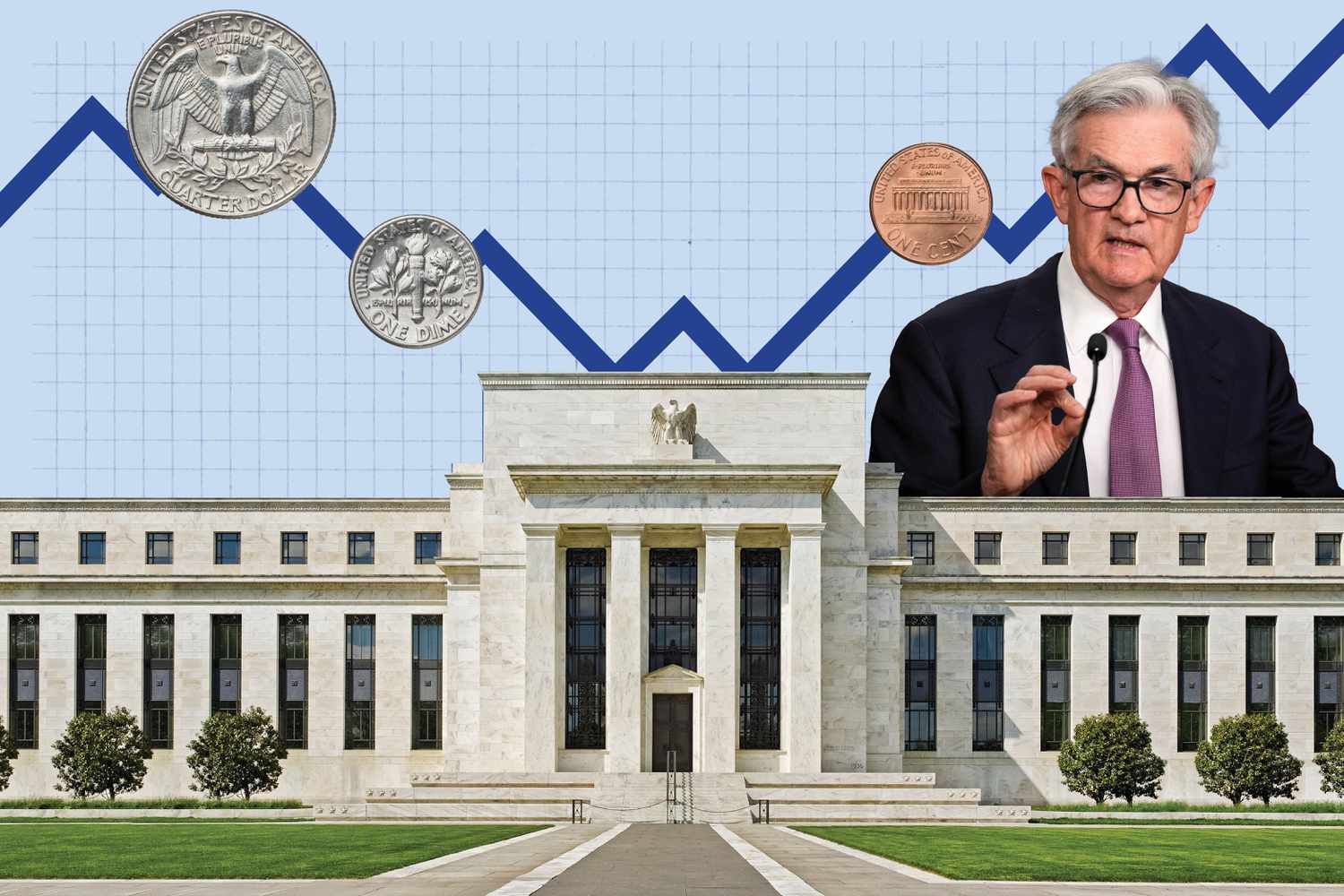
The Federal Reserve (aka “the Fed”) is the central bank of the United States. Its job is to keep inflation under control, support employment, and maintain a stable financial system. One of its most powerful tools? Interest rates.

The Fed sets something called the federal funds rate—which is the interest rate banks charge each other to borrow money overnight. This rate trickles down and affects everything from your credit card interest to mortgage rates to stock prices.


📈 When the Fed Raises Rates (Rate Hike)

When the Fed raises rates, borrowing becomes more expensive.

  • Credit cards cost more.
  • Car loans and mortgages get pricier.
  • Business loans are harder to get.

Why do they do this? Usually to cool down inflation. If prices are rising too fast (like gas, groceries, rent), higher rates slow things down. Less borrowing = less spending = lower inflation.

💡 What It Means for You:

  • Stock Market: Stocks often go down short-term. Higher rates mean companies borrow less, spend less, and might grow more slowly.
  • Planning to Buy a House or Car? Loans get more expensive. Your monthly payment goes up.
  • Have Credit Card Debt? You’ll likely pay more in interest.
  • Savings Account? Good news—banks might offer higher returns on your savings.

📉 When the Fed Lowers Rates (Rate Cut)

When the Fed cuts rates, it’s trying to stimulate the economy.

  • Borrowing becomes cheaper.
  • People and businesses are encouraged to spend more.
  • The goal? To boost growth—especially during slowdowns or recessions.

💡 What It Means for You:

  • Stock Market: Stocks usually go up. Cheap money often leads to higher profits and more investment.
  • Planning to Buy a House or Car? Lower interest rates mean smaller monthly payments.
  • Have Credit Card Debt? You might pay less in interest—but not by much. Credit card rates don’t fall as fast.
  • Savings Account? Your bank might lower your interest rate.

🏦 Real-Life Example:

Imagine You’re Buying a House

  • With high interest rates (7% mortgage): A $400,000 loan = ~$2,660/month
  • With low interest rates (4% mortgage): That same loan = ~$1,910/month

That’s $750 more every month, just because of interest rates!


📊 What About Investors?

If you’re investing in the stock market—or thinking about it—Fed decisions are like ripples in a pond.

  • Tech and growth stocks get hit harder when rates rise, because future profits are worth less today.
  • Banks and value stocks often benefit when rates rise, due to better loan margins.
  • Real estate stocks (REITs) may suffer when borrowing is more expensive.

Long-term investors don’t need to panic every time the Fed moves. But it helps to understand how policy shapes the financial climate.


🧠 The Takeaway: Think Like a Financial Weather Forecaster

  • Rate Hikes = Cooling Down (slow the economy)
  • Rate Cuts = Heating Up (stimulate growth)

These are not just Wall Street terms—they affect your mortgage, your credit card, your investments, and even your job prospects.


✅ Actionable Tips for You

  1. Buying a home soon? Shop for the best rate—but know it could rise after a Fed meeting.
  2. Investing? Don’t chase short-term moves. Think long-term, but stay informed.
  3. Carrying debt? Consider paying off high-interest credit cards before rates rise again.
  4. Savings? Compare interest rates on high-yield accounts when rates are rising.

Final Thoughts: Why It Matters

Fed decisions may sound like boring economic news, but they’re actually power moves that shape your financial life. The more you understand what’s going on behind the headlines, the more confidently you can make smart money moves.

Next time you hear, “The Fed just raised rates,” don’t just scroll past it—know exactly what it means for you.


📚 Want to Learn More?

Check out our beginner-friendly articles and video explainers at FutureFinanceLab.com. We’re breaking down finance, one simple concept at a time.

What’s the Safest Way to Start Investing?

“If your biggest fear is losing money—you’re not alone. The best investors once felt the same way. But they didn’t stay afraid. They got smart.”


🛡️ Start With Safety, Not Hype

Too many people jump into investing without protection. That’s like walking into a storm without an umbrella. Here’s how smart investors protect themselves from Day 1:


💵 1. Build an Emergency Fund

Before investing a dime, stash 3–6 months of expenses in cash or a high-yield savings account. It’s your safety net—not an investment, but protection.


🧺 2. Diversify, Don’t Gamble

Don’t bet everything on a single stock. Use index funds to invest in entire markets (like the S&P 500), or ETFs that give you exposure to multiple assets in one click.


₿ 3. Learn Bitcoin, But Don’t Bet the Farm

Bitcoin isn’t a get-rich-quick tool—but it is a growing store of value. Learn what it really is before investing. A small, long-term position in Bitcoin is how many are hedging against inflation and monetary risk.


🧭 4. Know Your Risk Tolerance

If a 10% drop makes you panic, you’re not ready for aggressive plays. Start slow. Stick to assets that match your emotional and financial risk profile.


🚀 Start Safe. Grow Smart.

At FutureFinanceLab.com, we teach beginners how to build real financial strategy—not just chase trends.
You’ll learn how money works, how to build a portfolio you understand, and how to stay safe while growing wealth.

Because smart investing starts with clarity, not chaos.

You Will Own Nothing and Be… Controlled? The Truth About Ownership, Wealth, and the Future of Finance

“You will own nothing and be happy.”
This phrase, popularized by futurists and institutions like the World Economic Forum, reflects a growing trend in today’s digital economy: convenience over ownership. On the surface, it seems harmless. After all, subscription services, shared economies, and platform-based access models are efficient, flexible, and easy to use.

But behind the convenience lies a more serious concern. If you do not own anything, you are not building wealth. You are helping someone else build theirs.

The Subscription Economy: Access Without Value

Modern life is increasingly defined by subscriptions. We rent homes, lease cars, stream content, and pay monthly for software, groceries, even clothing. At first, it feels like freedom. You are not tied down, you are always up-to-date, and you can cancel anytime.

But the more you rely on temporary access, the less you build long-term value. You are paying for use, not ownership. And the money you spend is funding the assets and wealth of those who own the systems you rely on.

Access is not ownership. It is consumption.

Why Ownership Still Matters

Real wealth is not built by spending money. It is built by owning things that either grow in value or generate income. This is not a new idea. It is the foundation of financial independence.

Consider the alternatives:

  • Owning a home means building equity, not just paying rent
  • Owning a stock means benefiting from company profits
  • Owning a business means creating recurring revenue
  • Owning intellectual property means earning from your ideas
  • Owning digital assets like Bitcoin means controlling your financial future

When you own, your money works for you. When you rent, you are working for someone else’s asset base.

Bitcoin and Digital Property Rights

Bitcoin offers a unique kind of ownership in the digital age. It is not a subscription, and it does not rely on intermediaries or platform permissions. When you hold Bitcoin in a self-custodied wallet, it is fully yours. It cannot be inflated, frozen, or devalued by third parties.

Bitcoin represents a form of digital property that is scarce, portable, and global. Unlike a song on a streaming service or a social media post that can be removed, Bitcoin is not permissioned access. It is ownership.

And ownership is power.

The Cost of Owning Nothing

Renting everything might feel modern, but it creates long-term dependence. You are always one price increase, one policy change, or one service outage away from disruption. You are not in control of the tools, the platforms, or even your money.

When you own nothing, you are always paying. And when you are always paying, you are always serving someone else’s goals, not your own.

Build, Don’t Just Subscribe

If you want financial security, you need to start owning. That does not mean rejecting all subscriptions or conveniences, but it does mean thinking critically about where your money goes.

Start by investing in:

  • Assets that appreciate
  • Businesses you can control
  • Digital property with long-term value
  • Skills and knowledge that compound
  • Platforms and tools that you own, not just use

Conclusion

Ownership is not outdated. It is more important than ever. In a world that encourages endless renting and constant consumption, those who choose to own will be the ones who create freedom, flexibility, and wealth.

You do not need to own everything. But you must own something.

Because without ownership, there is no leverage. And without leverage, there is no financial freedom.

Bitcoin vs. Traditional Assets: Which One Holds Value?

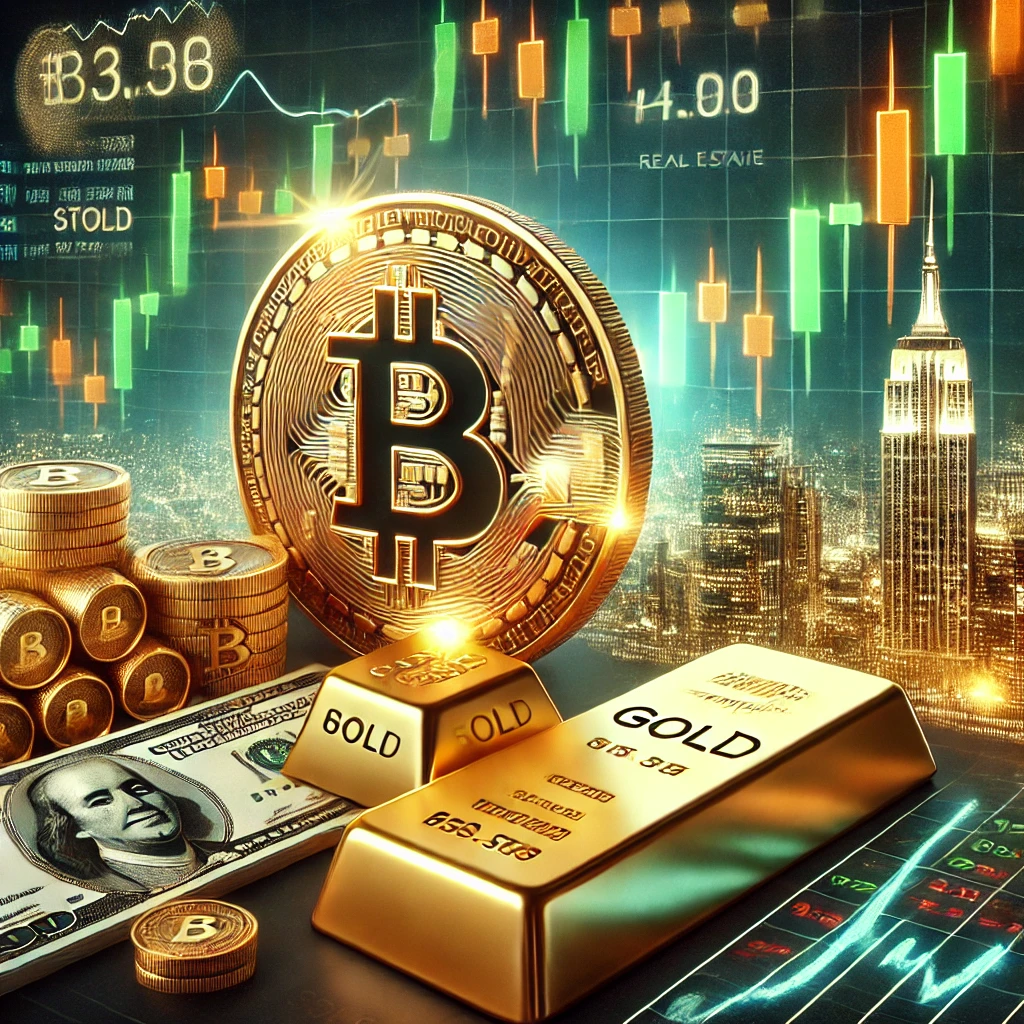
As financial markets evolve, investors are increasingly comparing Bitcoin to traditional assets like stocks, gold, and real estate. But which one truly holds value? In this article, we’ll break down the key differences and explore how Bitcoin stacks up against traditional investments.

Understanding Value in Assets

Value in investments is often determined by scarcity, utility, demand, and historical performance. Traditional assets have long been trusted as stores of value, while Bitcoin, as a digital asset, is challenging conventional wisdom. Let’s analyze each.

Bitcoin: The Digital Gold?

Bitcoin is often compared to gold due to its fixed supply (21 million coins) and decentralized nature. Here’s why some investors see it as a strong store of value:

  • Scarcity: Unlike fiat currencies, Bitcoin has a limited supply, preventing inflationary dilution.
  • Decentralization: No central authority controls Bitcoin, making it resistant to manipulation.
  • Portability & Accessibility: Unlike gold, Bitcoin can be easily transferred across borders.
  • Volatility: While Bitcoin has seen significant price swings, long-term holders have often benefited from its appreciation.

Stocks: Ownership in Companies

Stocks represent ownership in a company and have historically been strong long-term investments. Their value comes from:

  • Dividends & Growth: Stocks generate returns through capital appreciation and dividend payouts.
  • Market Trends: The stock market has decades of data showcasing economic cycles, bull runs, and corrections.
  • Regulation & Stability: Unlike Bitcoin, stocks are regulated by financial authorities, providing investor protections.
  • Inflation Hedge: Historically, stocks have outperformed inflation, offering real growth over time.

Gold: The Timeless Store of Value

Gold has been used as money and a store of value for thousands of years. It is favored for:

  • Intrinsic Value: Unlike Bitcoin, gold is a physical asset with industrial and ornamental uses.
  • Stability: Gold prices tend to be less volatile than Bitcoin, making it a preferred hedge during economic downturns.
  • Inflation Protection: As a hard asset, gold typically retains value in inflationary environments.
  • Liquidity: Easily tradable in global markets with a long-established system of valuation.

Real Estate: A Tangible Investment

Real estate provides both utility and investment potential through:

  • Passive Income: Rental properties generate cash flow over time.
  • Appreciation: Real estate often increases in value due to economic growth and demand.
  • Leverage Opportunities: Investors can use loans to acquire properties, amplifying potential returns.
  • Hedge Against Inflation: Property values and rental income typically rise with inflation.

Performance Since 2009: Bitcoin vs. Traditional Assets

Since Bitcoin’s inception in 2009, it has significantly outperformed traditional assets in terms of returns:

  • Bitcoin: Bitcoin started as a niche digital asset but has grown exponentially, delivering over 100,000% returns for early investors, with an average annual return of approximately 120-150% since 2009.
  • Stocks (S&P 500): The S&P 500 has averaged 10-12% annual returns over the past decade, offering steady growth but far lower than Bitcoin’s trajectory.
  • Gold: Gold has seen modest gains, averaging 3-6% annual returns since 2009, with occasional spikes during economic uncertainty.
  • Real Estate: Housing markets have appreciated at an average rate of 4-7% per year, with variations depending on location and demand.

Bitcoin’s massive gains come with higher volatility, while traditional assets provide more stability and predictable returns. Investors must weigh the potential risks and rewards when allocating their portfolios.

Bitcoin vs. Traditional Assets: A Comparative Table

AssetScarcityVolatilityAccessibilityInflation HedgePassive IncomePerformance Since 2009
BitcoinFixed (21M)HighHighYesNo100,000%+ growth
StocksUnlimitedMediumHighYesYes (Dividends)10-12% annual growth
GoldLimitedLowMediumYesNo3-6% annual growth
Real EstateLimitedLow-MediumLowYesYes (Rent)4-7% annual growth

Which One Holds Value?

Each asset class serves a different purpose. Bitcoin is emerging as a modern alternative to gold, offering decentralization and high potential returns but with volatility risks. Stocks and real estate remain strong long-term investments, providing income and growth potential. Gold remains a reliable hedge during uncertainty.

The ideal investment strategy depends on your risk tolerance, financial goals, and market outlook. Many investors choose a diversified approach, incorporating Bitcoin alongside traditional assets to balance risk and reward.

Final Thoughts

Bitcoin is no longer just a speculative asset—it’s becoming a legitimate part of investment portfolios. However, traditional assets still hold strong historical value. The question isn’t just “which is better?” but rather, “how can they complement each other in a diversified portfolio?”

Want more insights on Bitcoin and investing? Join FutureFinanceLab.com for expert analysis and financial trends!