Revolutionizing Crypto Investing: Grayscale’s Bold Move with Cardano and Hedera ETFs

A Game-Changer for Future Finance

Grayscale Investments, a titan in digital asset management, is shaking up the crypto world with its latest move: registering statutory trusts for Cardano (ADA) and Hedera (HBAR) in Delaware. This step hints at the imminent launch of spot exchange-traded funds (ETFs) for these altcoins, potentially transforming how investors engage with cryptocurrencies. Let’s dive into why this development is a big deal for the future of finance.

Source: Grayscale’s Cardano and Hedera ETFs

Grayscale’s Strategic Play: Delaware Trusts and ETF Ambitions

By registering the Grayscale Cardano Trust ETF and Grayscale Hedera Trust ETF in Delaware, Grayscale is laying the groundwork for a major leap in crypto investment options. These registrations are often a prelude to filing Form S-1 with the U.S. Securities and Exchange Commission (SEC), a crucial step toward ETF approval.

Grayscale is no stranger to altcoin trusts, having previously explored assets like Dogecoin and Avalanche. However, spotlighting Cardano and Hedera signals their rising star status in the blockchain universe, positioning them as prime candidates for institutional investment.

Navigating the SEC: A Path to Approval

The SEC is the gatekeeper for ETF approvals, and 2025 has already seen progress. The agency acknowledged filings from NYSE Arca for a Cardano ETF and Nasdaq for a Hedera ETF, marking the start of the regulatory journey. Recent approvals of in-kind redemption for Bitcoin and Ether ETFs have fueled optimism for altcoin ETFs. Plus, the SEC’s collaboration with the CFTC on Project Crypto is working to clarify token classifications, potentially smoothing the path for Cardano and Hedera ETFs.

Why Cardano and Hedera Stand Out

Cardano: The Brainy Blockchain

Cardano’s research-driven approach sets it apart. Its key strengths include:

  • Scalability: Powered by the Ouroboros proof-of-stake protocol, Cardano handles high transaction volumes while staying decentralized.
  • Eco-Friendly Design: Unlike energy-hungry proof-of-work systems, Cardano prioritizes sustainability.
  • Academic Rigor: Every protocol upgrade undergoes peer-reviewed scrutiny, ensuring top-tier security and reliability.

These qualities make Cardano a magnet for investors looking for robust, green blockchain solutions.

Hedera: Built for Business

Hedera’s hashgraph technology delivers blazing-fast, low-cost transactions tailored for enterprise needs. Its standout use cases include:

  • Supply Chain Transparency: Hedera streamlines tracking for goods and services, boosting efficiency.
  • Tokenization Powerhouse: Businesses can create and manage digital assets, perfect for modernizing operations.

Hedera’s enterprise focus makes it a compelling choice for institutional investors, aligning perfectly with Grayscale’s ETF vision.

Why Altcoin ETFs Matter for Investors

The potential launch of Cardano and Hedera ETFs could open new doors for institutional players:

  • Regulated Access: ETFs offer a secure, compliant way to invest in crypto without the complexities of direct ownership.
  • Boosted Liquidity: ETFs could make trading these altcoins easier, attracting more market participation.
  • Diversification: Adding altcoin ETFs to portfolios helps investors hedge against volatility in traditional markets.

Ripple Effects for the Crypto Market

If these ETFs get the green light, the impact could be seismic:

  • Mass Adoption: Regulated ETFs could bring Cardano and Hedera to a broader audience, driving mainstream use.
  • Competitive Surge: Grayscale’s move might inspire other firms to launch their own altcoin ETFs, heating up the market.
  • Market Evolution: More altcoin ETFs signal a maturing crypto space, with increased institutional trust and regulatory clarity.

Grayscale’s Bigger Picture

This isn’t just about Cardano and Hedera. Grayscale’s trust registrations are part of a broader push to diversify its offerings, including new trusts like DeepBook and Walrus on the Sui blockchain. This multichain strategy strengthens Grayscale’s dominance while giving investors more ways to tap into crypto’s potential.

Regulatory Challenges Ahead

Despite the excitement, ETF approval isn’t a done deal. SEC reviews and public consultations could delay the process. However, the SEC and CFTC’s joint efforts under Project Crypto suggest a more crypto-friendly regulatory future, which could ease these hurdles.

The Road Ahead for Crypto Investing

Grayscale’s pursuit of Cardano and Hedera ETFs is a bold step toward mainstreaming altcoin investments. By focusing on two innovative blockchain platforms, Grayscale is not only diversifying its portfolio but also setting the stage for a new wave of institutional crypto adoption. As regulations evolve, these ETFs could mark a turning point, unlocking unprecedented growth and innovation in the crypto market.

Stay tuned to FutureFinanceLab for more insights on the evolving world of crypto investments!

Disclaimer: This article is for informational purposes only and does not constitute investment advice. Crypto investments carry high risks, and prices can be volatile. Always consult a financial professional before investing.

© 2025 FutureFinanceLab. This article is adapted from content originally published by OKX, used with permission.

Bitcoin Hits New All-Time High: What It Means for Crypto Investors in 2025

The king of crypto is back on top.

In a dramatic surge that captured the attention of investors worldwide, Bitcoin has officially hit a new all-time high, breaking past its previous peak and reinforcing its position as the most dominant digital asset in the world. This latest milestone is not just a price point—it’s a signal.

A signal that digital money is no longer a fringe concept.

Why This ATH Matters

Bitcoin’s new all-time high reflects more than speculation—it shows growing institutional adoptionrising inflation hedging, and global recognition of decentralized finance.

From major asset managers integrating Bitcoin into portfolios to global payment firms offering crypto services, the fundamentals backing this rally are stronger than ever.

This ATH is different.

It’s not fueled by hype alone—it’s supported by:

  • The growth of Bitcoin ETFs
  • Geopolitical shifts away from fiat dependence
  • Regulatory clarity in several key markets
  • And a maturing retail investor base looking for sound money in a digital world

Bitcoin: Still the Benchmark

Bitcoin continues to be the “digital gold” that institutions and individuals turn to first. Its scarcity (21 million cap), security, and network effects have set it apart as the most resilient crypto asset.

But the crypto story doesn’t stop there.

What About HBAR and XRP?

While Bitcoin dominates headlines, HBAR (Hedera Hashgraph) and XRP (Ripple) are quietly gaining traction with different, equally compelling use cases:

🌀 HBAR: The Enterprise Layer for Web3

Hedera’s unique consensus mechanism and enterprise partnerships (like Google, IBM, and LG) make it a serious player in real-world Web3 infrastructure. As tokenized assets, identity, and supply chain solutions expand, HBAR could play a foundational role.

🌊 XRP: The Bridge for Global Payments

Despite legal hurdles in recent years, XRP continues to push boundaries in cross-border finance. With RippleNet expanding globally and growing interest in CBDC interoperability, XRP is more than alive—it’s evolving.

A New Crypto Cycle?

If you’ve been on the sidelines, this is your wake-up call. Bitcoin’s ATH isn’t just a milestone—it’s a reminder of the massive shifts taking place in finance, technology, and trust.

The world is going digital. Is your portfolio ready?


💡 FutureFinanceLab Insight:
Don’t chase price. Understand value.
The smart investor looks beyond headlines and asks:

  • What is the long-term use case?
  • Who’s building?
  • What problem does this solve?

Bitcoin’s new high is a reflection of long-term belief—something every investor should study deeply.


Want to Learn More?

Join the FutureFinanceLab Membership for deeper insights, model portfolios, and private coaching as we navigate the next phase of the crypto and digital finance revolution.

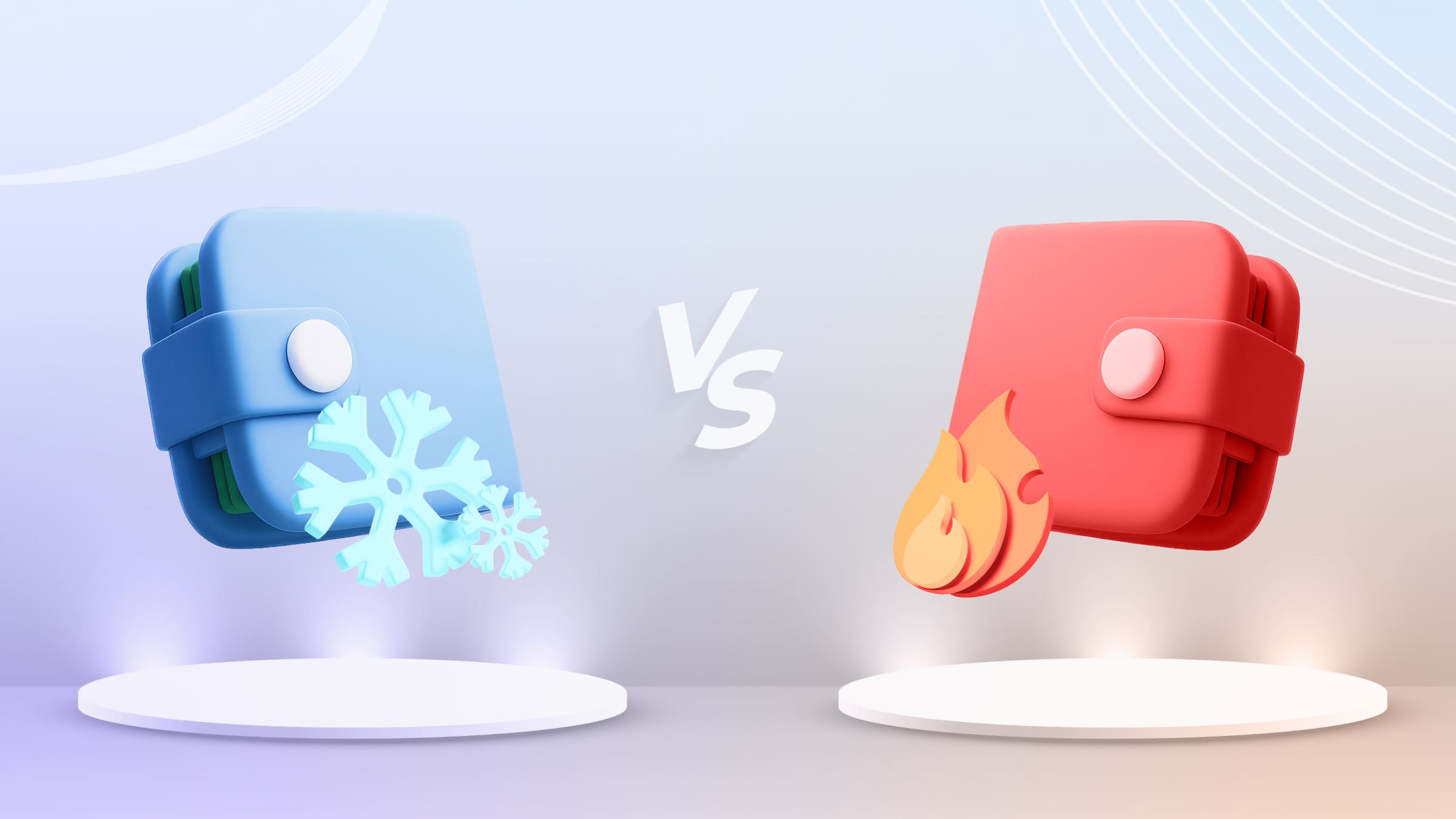
Crypto Wallets 101: Hot vs. Cold, and How to Store Your Coins Safely

✍️ Introduction

You’ve bought your first cryptocurrency—great! But now what?
If you’re leaving your coins on an exchange, you could be taking unnecessary risks.
This guide breaks down the two main types of crypto wallets—hot and cold—and helps you choose the best way to store your crypto securely.


🔐 What Is a Crypto Wallet?

A crypto wallet doesn’t hold your coins physically. Instead, it stores the private keys that let you access and control your funds on the blockchain.

Think of your private key as your digital signature—whoever holds it, owns the crypto.


🔥 What Is a Hot Wallet?

Hot wallets are connected to the internet and are best for convenience.

✅ Pros:

  • Easy to set up
  • Great for frequent trading
  • Often free

❌ Cons:

  • More vulnerable to hacks and malware
  • Best for small amounts or short-term use

Examples:

  • Exchange wallets (Binance, Coinbase)
  • Mobile apps (Trust Wallet, MetaMask)
  • Browser extensions (Phantom, MetaMask)

❄️ What Is a Cold Wallet?

Cold wallets are offline storage methods. Your keys are kept completely disconnected from the internet.

✅ Pros:

  • Much safer from online threats
  • Ideal for long-term holders (“HODLers”)

❌ Cons:

  • Not as convenient for active trading
  • Hardware wallets cost money

Examples:

  • Hardware wallets (Ledger, Trezor)
  • Paper wallets (printed QR code and keys)
  • Air-gapped computers (for advanced users)

🔐 Which One Should You Use?

If You’re…Go With…
A casual traderHot wallet
A long-term HODLerCold wallet
Holding large amountsCold wallet
Using DeFi apps oftenHot wallet
Just getting startedHot wallet + research cold storage later

🔄 Bonus Tip: Use Both

Many investors use a hybrid approach:

  • Keep some funds in a hot wallet for daily use
  • Store the rest in a cold wallet for long-term safety

🛡️ Best Practices for Crypto Security

  • Always enable 2FA (two-factor authentication)
  • Never share your seed phrase—not even with support teams
  • Backup your wallet info securely (offline or in a fireproof safe)
  • Be cautious of phishing websites or fake wallet apps

✅ Final Thoughts

If crypto is digital gold, then your wallet is the vault.
Understanding the difference between hot and cold wallets is key to staying safe in the crypto space.
Choose what works for your needs—and remember, not your keys = not your coins.

How Tokenized Stocks & Bonds Are Reshaping Finance

The financial world is changing fast, and one of the biggest innovations is the rise of tokenized stocks and bonds. But what does this mean, and why should investors care? Let’s break it down in simple terms.

What Are Tokenized Stocks & Bonds?

Tokenization is the process of turning real-world assets—like stocks and bonds—into digital tokens on a blockchain. Each token represents ownership of a fraction of the asset, making it easier to trade and access.

Key Benefits of Tokenization:

  • 24/7 Trading: Unlike traditional markets, tokenized assets can be traded anytime, anywhere.
  • Lower Costs: Cutting out middlemen reduces fees and transaction costs.
  • Greater Access: Investors can buy small fractions of assets, making them more affordable.
  • Instant Settlements: Blockchain eliminates long settlement times, speeding up transactions.
  • Transparency & Security: Blockchain ensures ownership records are clear and secure.

How Tokenized Stocks Work

Instead of buying shares through a broker, investors can purchase digital tokens that represent stock ownership. These tokens are stored on a blockchain and can be traded instantly with minimal fees.

Example:

Imagine a stock like Apple (AAPL) is tokenized. Instead of needing to buy a full share, you could buy a fraction of an Apple stock using tokens. This makes investing in top stocks more accessible to everyone.

How Tokenized Bonds Work

Bonds are typically slow-moving investments with complex processes. Tokenized bonds solve these problems by making them easier to buy, sell, and trade on blockchain platforms. They also offer faster payouts for interest earnings.

Example:

A company issuing a tokenized corporate bond could allow investors to buy small portions of it, making bonds more liquid and accessible to a wider audience.

The Future of Tokenized Finance

Tokenized stocks and bonds are still in their early stages, but they are already reshaping traditional finance. More companies and governments are exploring tokenization as a way to make financial markets more efficient and inclusive.

Final Thoughts

Tokenized assets bring more freedom, speed, and accessibility to investing. As the financial world shifts toward blockchain technology, we may soon see a world where owning and trading assets is as easy as sending an email.

Want to stay ahead of the curve? Join FutureFinanceLab.com for expert insights on blockchain, investing, and financial innovation!

Ultimate Beginner’s Guide to Cryptocurrency: How to Get Started

At FutureFinanceLab.com, we don’t just teach you about cryptocurrency—we help you take action. If you’re ready to dive into the world of digital currencies, here’s everything you need to know to open an account and get started.


1. What is Cryptocurrency?

Cryptocurrency is digital money that exists only online. Unlike regular currency, it operates without a central authority (like a bank) and uses blockchain technology to track transactions.

The most famous cryptocurrency is Bitcoin (BTC), but there are many others like Ethereum (ETH) and Litecoin (LTC).


2. Step-by-Step Guide: How to Open an Account and Buy Your First Cryptocurrency

Step 1: Choose a Cryptocurrency Exchange

To buy cryptocurrency, you need to open an account on a cryptocurrency exchange. Popular exchanges include:

  • Coinbase: Great for beginners.
  • Binance: Offers a wide range of cryptocurrencies.
  • Kraken: Known for its strong security features.

Step 2: Sign Up and Verify Your Identity

Once you’ve chosen an exchange, you’ll need to create an account by entering your basic personal information, like your name and email address. Most exchanges will require you to verify your identity (KYC—Know Your Customer), which typically involves submitting a photo of your ID and a selfie.


Step 3: Deposit Funds Into Your Account

After your account is verified, you can deposit funds into it. Most exchanges allow you to deposit using USDEUR, or other fiat currencies via:

  • Bank Transfer
  • Credit or Debit Card
  • PayPal (on certain exchanges)

Step 4: Buy Your Cryptocurrency

Once your account is funded, you’re ready to buy cryptocurrency. You’ll find a variety of coins available for purchase, but to get started, you might want to buy Bitcoin (BTC) or Ethereum (ETH), as they are the most widely used.

  • Select the coin you want to buy.
  • Choose how much you want to invest.
  • Complete the transaction.

Step 5: Store Your Cryptocurrency Safely

After buying your cryptocurrency, it’s important to store it securely. Here’s how:

  • Hot Wallet: An online wallet connected to the internet (easy to access but less secure).
  • Cold Wallet: A hardware wallet that stores your cryptocurrency offline (more secure for long-term storage).

3. Why Cryptocurrency?

  • Potential for High Returns: Bitcoin and other cryptocurrencies have experienced significant growth in recent years.
  • Decentralization: You have control over your funds, with no bank or government involved.
  • Innovation: Cryptocurrency and blockchain are transforming industries, including finance, healthcare, and technology.

4. The Risks of Cryptocurrency

While cryptocurrency offers huge opportunities, it’s important to be aware of the risks:

  • Volatility: Prices can change rapidly.
  • Security Risks: Always store your crypto safely, and use secure exchanges.
  • Regulation: Cryptocurrency is still being regulated in many countries, so it’s important to stay updated on legal matters.

5. Start Your Journey Today at FutureFinanceLab.com

At FutureFinanceLab.com, we don’t just give you the basics—we guide you step by step. We offer exclusive tutorials and resources to help you make the right choices when opening an account, investing, and securing your cryptocurrency.

Ready to take the first step? Join our membership today to access more detailed guides, expert strategies, and a community of crypto enthusiasts like you.


By joining FutureFinanceLab.com, you’ll not only learn how to get started but also discover advanced strategies to grow your portfolio and manage risks effectively.

Start your crypto journey today! 🚀

What to Expect in the Stock Market and Crypto Market: Q1 2025

📊 Stock Market Outlook: Cautious Optimism

As we enter Q1 2025, the stock market faces a balancing act between opportunities and uncertainties:

  • Federal Reserve Decisions: Interest rate policies will heavily influence investor sentiment.
  • Earnings Season: Corporate earnings reports, especially from tech and energy sectors, will set the market tone.
  • Geopolitical Events: Any global disruptions may trigger short-term volatility.

Key Tip: Defensive stocks (e.g., healthcare, utilities) and growth sectors (e.g., AI, green energy) might perform well in this mixed environment.


🚀 Crypto Market Trends: A Critical Quarter

The crypto market enters Q1 2025 with both excitement and caution. Key trends include:

  1. Bitcoin (BTC):
    • Eyes are on Bitcoin’s price action as it approaches key resistance levels.
    • Institutional investments and ETF developments could drive momentum.
  2. XRP (Ripple):
    • Regulatory clarity continues to boost XRP’s adoption in cross-border payments.
    • Watch for major partnerships with financial institutions.
  3. Hedera (HBAR):
    • Increasing enterprise adoption may provide upward pressure on HBAR.
    • Partnerships in sectors like supply chain and finance remain crucial.
  4. Stacks (STX):
    • STX focuses on enabling smart contracts and DeFi on Bitcoin.
    • Integration updates and ecosystem growth will be key drivers for Q1 performance.

Key Tip: Q1 often sets the tone for the year. Focus on assets with clear use cases and avoid hype-driven trades.


📝 Key Takeaways for Q1 Investors:

  • Stock Market: Stay informed about interest rate policies and corporate earnings.
  • Crypto Market: Regulatory updates and institutional movements will shape sentiment.
  • Diversification: Balance traditional assets with carefully selected crypto holdings.