Revolutionizing Crypto Investing: Grayscale’s Bold Move with Cardano and Hedera ETFs

A Game-Changer for Future Finance

Grayscale Investments, a titan in digital asset management, is shaking up the crypto world with its latest move: registering statutory trusts for Cardano (ADA) and Hedera (HBAR) in Delaware. This step hints at the imminent launch of spot exchange-traded funds (ETFs) for these altcoins, potentially transforming how investors engage with cryptocurrencies. Let’s dive into why this development is a big deal for the future of finance.

Source: Grayscale’s Cardano and Hedera ETFs

Grayscale’s Strategic Play: Delaware Trusts and ETF Ambitions

By registering the Grayscale Cardano Trust ETF and Grayscale Hedera Trust ETF in Delaware, Grayscale is laying the groundwork for a major leap in crypto investment options. These registrations are often a prelude to filing Form S-1 with the U.S. Securities and Exchange Commission (SEC), a crucial step toward ETF approval.

Grayscale is no stranger to altcoin trusts, having previously explored assets like Dogecoin and Avalanche. However, spotlighting Cardano and Hedera signals their rising star status in the blockchain universe, positioning them as prime candidates for institutional investment.

Navigating the SEC: A Path to Approval

The SEC is the gatekeeper for ETF approvals, and 2025 has already seen progress. The agency acknowledged filings from NYSE Arca for a Cardano ETF and Nasdaq for a Hedera ETF, marking the start of the regulatory journey. Recent approvals of in-kind redemption for Bitcoin and Ether ETFs have fueled optimism for altcoin ETFs. Plus, the SEC’s collaboration with the CFTC on Project Crypto is working to clarify token classifications, potentially smoothing the path for Cardano and Hedera ETFs.

Why Cardano and Hedera Stand Out

Cardano: The Brainy Blockchain

Cardano’s research-driven approach sets it apart. Its key strengths include:

  • Scalability: Powered by the Ouroboros proof-of-stake protocol, Cardano handles high transaction volumes while staying decentralized.
  • Eco-Friendly Design: Unlike energy-hungry proof-of-work systems, Cardano prioritizes sustainability.
  • Academic Rigor: Every protocol upgrade undergoes peer-reviewed scrutiny, ensuring top-tier security and reliability.

These qualities make Cardano a magnet for investors looking for robust, green blockchain solutions.

Hedera: Built for Business

Hedera’s hashgraph technology delivers blazing-fast, low-cost transactions tailored for enterprise needs. Its standout use cases include:

  • Supply Chain Transparency: Hedera streamlines tracking for goods and services, boosting efficiency.
  • Tokenization Powerhouse: Businesses can create and manage digital assets, perfect for modernizing operations.

Hedera’s enterprise focus makes it a compelling choice for institutional investors, aligning perfectly with Grayscale’s ETF vision.

Why Altcoin ETFs Matter for Investors

The potential launch of Cardano and Hedera ETFs could open new doors for institutional players:

  • Regulated Access: ETFs offer a secure, compliant way to invest in crypto without the complexities of direct ownership.
  • Boosted Liquidity: ETFs could make trading these altcoins easier, attracting more market participation.
  • Diversification: Adding altcoin ETFs to portfolios helps investors hedge against volatility in traditional markets.

Ripple Effects for the Crypto Market

If these ETFs get the green light, the impact could be seismic:

  • Mass Adoption: Regulated ETFs could bring Cardano and Hedera to a broader audience, driving mainstream use.
  • Competitive Surge: Grayscale’s move might inspire other firms to launch their own altcoin ETFs, heating up the market.
  • Market Evolution: More altcoin ETFs signal a maturing crypto space, with increased institutional trust and regulatory clarity.

Grayscale’s Bigger Picture

This isn’t just about Cardano and Hedera. Grayscale’s trust registrations are part of a broader push to diversify its offerings, including new trusts like DeepBook and Walrus on the Sui blockchain. This multichain strategy strengthens Grayscale’s dominance while giving investors more ways to tap into crypto’s potential.

Regulatory Challenges Ahead

Despite the excitement, ETF approval isn’t a done deal. SEC reviews and public consultations could delay the process. However, the SEC and CFTC’s joint efforts under Project Crypto suggest a more crypto-friendly regulatory future, which could ease these hurdles.

The Road Ahead for Crypto Investing

Grayscale’s pursuit of Cardano and Hedera ETFs is a bold step toward mainstreaming altcoin investments. By focusing on two innovative blockchain platforms, Grayscale is not only diversifying its portfolio but also setting the stage for a new wave of institutional crypto adoption. As regulations evolve, these ETFs could mark a turning point, unlocking unprecedented growth and innovation in the crypto market.

Stay tuned to FutureFinanceLab for more insights on the evolving world of crypto investments!

Disclaimer: This article is for informational purposes only and does not constitute investment advice. Crypto investments carry high risks, and prices can be volatile. Always consult a financial professional before investing.

© 2025 FutureFinanceLab. This article is adapted from content originally published by OKX, used with permission.


What Is the Stock Market? A Beginner’s Guide in Plain English

Introduction

Ever heard people talk about “the market” and wondered what the fuss is about? Whether it’s stocks going up, crashing down, or breaking records, the stock market can sound like a mysterious world for insiders only. But it doesn’t have to be. In this guide, we’ll break it down in plain English so anyone—yes, even you—can understand it.


🧠 What Is the Stock Market?

The stock market is a place where people buy and sell pieces of companies, called stocks or shares.
When you buy a stock, you own a small piece of that company.

There are two major parts:

  • Stock exchanges – like the New York Stock Exchange (NYSE) or Nasdaq.
  • Investors – people like you and me (plus big institutions) trading these stocks.

💡 Why Do Companies Sell Stocks?

When companies need money to grow, they can:

  • Take loans
  • OR sell part of their company to investors by going public

Going public = listed on the stock market.

In return, investors hope the company grows and their stock price goes up, so they can sell it for more later.


📊 How Do You Make Money in the Stock Market?

There are two main ways:

  1. Capital Gains – Buy low, sell high.
  2. Dividends – Some companies pay you part of their profits regularly.

🚪 How Do You Start Investing?

  1. Open a brokerage account (like Fidelity, Schwab, or Robinhood).
  2. Fund it with your money.
  3. Choose what to buy – individual stocks, ETFs, or index funds.
  4. Hit “buy” – you’re officially an investor!

👉 Tip: Start small and think long-term.


⚠️ What Are the Risks?

  • Stocks can go up and down.
  • You could lose money in the short term.
  • But history shows the market grows over time.

That’s why long-term investing is key.


🧰 Final Thoughts

You don’t need to be a Wall Street expert to start investing.
You just need to understand the basics, stay curious, and take the first step.

Bitcoin vs. Traditional Assets: Which One Holds Value?

As financial markets evolve, investors are increasingly comparing Bitcoin to traditional assets like stocks, gold, and real estate. But which one truly holds value? In this article, we’ll break down the key differences and explore how Bitcoin stacks up against traditional investments.

Understanding Value in Assets

Value in investments is often determined by scarcity, utility, demand, and historical performance. Traditional assets have long been trusted as stores of value, while Bitcoin, as a digital asset, is challenging conventional wisdom. Let’s analyze each.

Bitcoin: The Digital Gold?

Bitcoin is often compared to gold due to its fixed supply (21 million coins) and decentralized nature. Here’s why some investors see it as a strong store of value:

  • Scarcity: Unlike fiat currencies, Bitcoin has a limited supply, preventing inflationary dilution.
  • Decentralization: No central authority controls Bitcoin, making it resistant to manipulation.
  • Portability & Accessibility: Unlike gold, Bitcoin can be easily transferred across borders.
  • Volatility: While Bitcoin has seen significant price swings, long-term holders have often benefited from its appreciation.

Stocks: Ownership in Companies

Stocks represent ownership in a company and have historically been strong long-term investments. Their value comes from:

  • Dividends & Growth: Stocks generate returns through capital appreciation and dividend payouts.
  • Market Trends: The stock market has decades of data showcasing economic cycles, bull runs, and corrections.
  • Regulation & Stability: Unlike Bitcoin, stocks are regulated by financial authorities, providing investor protections.
  • Inflation Hedge: Historically, stocks have outperformed inflation, offering real growth over time.

Gold: The Timeless Store of Value

Gold has been used as money and a store of value for thousands of years. It is favored for:

  • Intrinsic Value: Unlike Bitcoin, gold is a physical asset with industrial and ornamental uses.
  • Stability: Gold prices tend to be less volatile than Bitcoin, making it a preferred hedge during economic downturns.
  • Inflation Protection: As a hard asset, gold typically retains value in inflationary environments.
  • Liquidity: Easily tradable in global markets with a long-established system of valuation.

Real Estate: A Tangible Investment

Real estate provides both utility and investment potential through:

  • Passive Income: Rental properties generate cash flow over time.
  • Appreciation: Real estate often increases in value due to economic growth and demand.
  • Leverage Opportunities: Investors can use loans to acquire properties, amplifying potential returns.
  • Hedge Against Inflation: Property values and rental income typically rise with inflation.

Performance Since 2009: Bitcoin vs. Traditional Assets

Since Bitcoin’s inception in 2009, it has significantly outperformed traditional assets in terms of returns:

  • Bitcoin: Bitcoin started as a niche digital asset but has grown exponentially, delivering over 100,000% returns for early investors, with an average annual return of approximately 120-150% since 2009.
  • Stocks (S&P 500): The S&P 500 has averaged 10-12% annual returns over the past decade, offering steady growth but far lower than Bitcoin’s trajectory.
  • Gold: Gold has seen modest gains, averaging 3-6% annual returns since 2009, with occasional spikes during economic uncertainty.
  • Real Estate: Housing markets have appreciated at an average rate of 4-7% per year, with variations depending on location and demand.

Bitcoin’s massive gains come with higher volatility, while traditional assets provide more stability and predictable returns. Investors must weigh the potential risks and rewards when allocating their portfolios.

Bitcoin vs. Traditional Assets: A Comparative Table

AssetScarcityVolatilityAccessibilityInflation HedgePassive IncomePerformance Since 2009
BitcoinFixed (21M)HighHighYesNo100,000%+ growth
StocksUnlimitedMediumHighYesYes (Dividends)10-12% annual growth
GoldLimitedLowMediumYesNo3-6% annual growth
Real EstateLimitedLow-MediumLowYesYes (Rent)4-7% annual growth

Which One Holds Value?

Each asset class serves a different purpose. Bitcoin is emerging as a modern alternative to gold, offering decentralization and high potential returns but with volatility risks. Stocks and real estate remain strong long-term investments, providing income and growth potential. Gold remains a reliable hedge during uncertainty.

The ideal investment strategy depends on your risk tolerance, financial goals, and market outlook. Many investors choose a diversified approach, incorporating Bitcoin alongside traditional assets to balance risk and reward.

Final Thoughts

Bitcoin is no longer just a speculative asset—it’s becoming a legitimate part of investment portfolios. However, traditional assets still hold strong historical value. The question isn’t just “which is better?” but rather, “how can they complement each other in a diversified portfolio?”

Want more insights on Bitcoin and investing? Join FutureFinanceLab.com for expert analysis and financial trends!

Does “Buy the Dip” Actually Work? A Look at Historical Market Crashes

“Buy the dip” is one of the most repeated mantras in investing—but does it really work? Should you be buying when markets are falling and headlines are screaming panic?

Let’s cut through the noise and look at how buying the dip has performed during some of the most significant market crashes in history.

What Does “Buying the Dip” Mean?

Buying the dip refers to purchasing stocks or assets after a significant decline in price, with the expectation that they’ll rebound. The idea is simple: buy low, hold, and wait for the market to recover.

But while the concept sounds easy, in practice, it’s psychologically tough. You’re buying when everyone else is running for the exits. So, does it pay off?

Major Market Crashes and the Dip-Buying Payoff

1. The Great Depression (1929–1932)

  • Crash: Market fell ~86% from peak to trough.
  • Recovery Time: 25 years (S&P didn’t return to 1929 levels until 1954).
  • Buy the Dip Outcome: Those who bought in 1932 saw several hundred percent gains over the following decades—but it was a long and bumpy road.

2. Black Monday (1987)

  • Crash: -34% in one day.
  • Recovery Time: Less than 2 years.
  • Buy the Dip Outcome: Investors who bought after the crash nearly doubled their money within a few years.

3. Dot-Com Crash (2000–2002)

  • Crash: S&P fell ~49%.
  • Recovery Time: 7 years (recovered by 2007).
  • Buy the Dip Outcome: Buying in 2002–2003 gave you a ~100% return by 2007. Tech-heavy Nasdaq took longer to fully recover, but gains were significant for patient investors.

4. Global Financial Crisis (2008)

  • Crash: -57% decline in the S&P 500.
  • Recovery Time: About 6 years.
  • Buy the Dip Outcome: If you bought in early 2009, you saw returns of over 400% by 2020.

5. COVID-19 Crash (2020)

  • Crash: -34% in about a month.
  • Recovery Time: Just 6 months.
  • Buy the Dip Outcome: Those who bought in March 2020 saw their portfolios double within 18 months.

The Takeaway: Buying the Dip Works—If You’re Prepared

Historically, buying the dip has delivered strong long-term returns, but it requires:

  • Liquidity: You need cash on hand when the market drops.
  • Conviction: It’s hard to buy when fear is at its peak.
  • Time Horizon: The biggest gains come from holding for years, not weeks.

Important note: Not all dips are created equal. Some recoveries take years. Timing the exact bottom is nearly impossible, which is why averaging in over time (dollar-cost averaging) is often more effective than trying to “call the bottom.”

Final Thoughts

Buying the dip isn’t a get-rich-quick scheme—it’s a mindset rooted in long-term belief in markets. While the past doesn’t guarantee future results, history consistently rewards investors who stay calm during chaos and stick to their strategy.

In times of panic, opportunity often hides in plain sight.

Investing in Robotics: High-Growth Stocks & Trends

The robotics industry is rapidly evolving, transforming sectors such as manufacturing, healthcare, logistics, and even finance. With automation, AI, and machine learning driving innovation, robotics presents a compelling investment opportunity for those looking to capitalize on the future of technology.

Why Invest in Robotics?

  1. Mass Adoption Across Industries – From self-driving cars to robotic surgery, automation is revolutionizing how businesses operate.
  2. Rising Market Demand – The global robotics market is expected to exceed $114 billion by 2025, driven by advancements in AI and automation.
  3. Cost Efficiency & Productivity Gains – Companies are adopting robotics to improve efficiency, reduce labor costs, and enhance precision.
  4. Government & Corporate Investment – Increasing funding and support for automation across industries signal long-term growth potential.

Top Robotics Stocks to Watch

1. NVIDIA (NVDA)

  • NVIDIA’s AI-powered GPUs are essential for robotic applications, from autonomous vehicles to industrial automation.
  • The company’s focus on AI and deep learning makes it a key player in the robotics ecosystem.

2. Tesla (TSLA)

  • Tesla’s advancements in AI and self-driving technology position it as a leader in autonomous robotics.
  • The development of humanoid robots, such as Tesla’s Optimus, highlights its long-term vision.

3. ABB Ltd (ABB)

  • A global leader in industrial robotics, ABB provides automation solutions for factories, logistics, and utilities.
  • Its strong presence in Europe and Asia makes it a solid pick for long-term growth.

4. Intuitive Surgical (ISRG)

  • The pioneer of robotic-assisted surgery, Intuitive Surgical’s da Vinci system is transforming healthcare.
  • With an increasing number of hospitals adopting robotic surgery, this company stands at the forefront of medical robotics.

5. Boston Dynamics (Owned by Hyundai Motor Company – HYMTF)

  • Known for its advanced robotics, including Spot and Atlas, Boston Dynamics is pushing the boundaries of AI-powered automation.
  • Hyundai’s investment in mobility solutions makes this a stock to watch.

Emerging Trends in Robotics Investment

1. AI & Machine Learning Integration

  • AI-driven robotics are enabling smarter automation, improving adaptability in industrial applications.
  • Companies focusing on AI-driven automation, like UiPath (PATH), are gaining investor interest.

2. Autonomous Vehicles & Smart Logistics

  • Self-driving technology is expanding beyond Tesla, with companies like Waymo (Alphabet’s subsidiary) and Nuro leading innovation.
  • Robotics in warehouses, such as Amazon’s automation, is creating new investment opportunities.

3. Human-Robot Collaboration (Cobots)

  • Collaborative robots (cobots) are designed to work alongside humans in industries like healthcare and manufacturing.
  • Companies such as Universal Robots (a Teradyne subsidiary) are seeing increased adoption.

4. Space Robotics & Exploration

  • NASA, SpaceX, and private space companies are investing in robotics for planetary exploration and satellite servicing.
  • Astrobotic Technology and other emerging firms are working on autonomous space robots.

How to Invest in Robotics?

  1. Individual Stocks – Directly invest in robotics companies like those listed above.
  2. ETFs & Index Funds – Diversify with funds like the Global X Robotics & Artificial Intelligence ETF (BOTZ)or ROBO Global Robotics & Automation Index ETF (ROBO).
  3. Venture Capital & Startups – Early-stage investments in robotics startups offer high-reward potential.
  4. Tokenized Assets & Digital Securities – Some blockchain platforms now offer tokenized investments in tech startups, including robotics firms.

Final Thoughts

The robotics revolution is already here, and investors who recognize the potential early stand to benefit significantly. With AI, automation, and machine learning at the forefront, robotics stocks and ETFs provide strong opportunities for portfolio growth.

Want deeper insights into high-growth tech investments? Join FutureFinanceLab.com for exclusive market analysis, trends, and expert discussions on robotics, AI, and the future of investing!

Emerging Market Opportunities in 2025 & Beyond 🚀

The global economic landscape is shifting fast, and emerging markets (EMs) are at the center of high-growth investment opportunities. Driven by technology, deglobalization, and shifting supply chains, these markets are redefining global wealth creation. Here’s where the smart money is flowing in 2025:


1️⃣ Digital Payment & Fintech Boom

🌍 Opportunity: Many emerging markets skipped traditional banking and went straight to mobile-first digital finance. Fintech startups are transforming payments, lending, and remittances.
📌 Hot Markets:

  • India 🇮🇳 (UPI dominance, rapid digital lending expansion)
  • Africa 🌍 (M-Pesa, crypto adoption, neobanks on the rise)
  • Latin America 🇧🇷 (Nubank, MercadoPago growing fast)
    🚀 Why? The unbanked population is shrinking, and digital finance adoption is accelerating.

2️⃣ AI & Automation in Manufacturing

🌍 Opportunity: With the West reducing dependence on China, Vietnam, India, and Mexico are emerging as key manufacturing powerhouses.
📌 Hot Markets:

  • Vietnam 🇻🇳 (Electronics & textiles boom)
  • Mexico 🇲🇽 (Nearshoring benefits from US-China trade shifts)
  • India 🇮🇳 (Semiconductors, Apple supply chain moves)
    🚀 Why? Global firms reshoring and diversifying their supply chains are creating massive industrial growth.

3️⃣ Renewable Energy & Critical Metals

🌍 Opportunity: The energy transition is driving huge demand for lithium, nickel, and rare earth metals for EV batteries and renewables.
📌 Hot Markets:

  • Chile & Argentina 🇨🇱🇦🇷 (Lithium Triangle dominance)
  • Indonesia 🇮🇩 (Nickel refining leader)
  • Africa 🌍 (Cobalt, rare earth elements crucial for tech)
    🚀 Why? EVs & solar demand are skyrocketing, fueling commodity supercycles.

4️⃣ Emerging Market Stock & Crypto Opportunities

🌍 Opportunity: Digital assets and equity markets in emerging economies are outperforming developed nations.
📌 Hot Markets:

  • Brazil & India 🇧🇷🇮🇳 (Strong GDP growth, booming stock markets)
  • Middle East & Africa 🌍 (Crypto-friendly policies, financial hubs emerging)
  • Southeast Asia 🌏 (Web3 adoption, tokenized assets on the rise)
    🚀 Why? Institutional investors piling into EM assets for growth + diversification.

Conclusion: Where to Look in 2025?

🔥 Tech & fintech will lead financial inclusion.
⚙️ Automation & AI are reshaping supply chains.
⚡ Energy & commodities will drive global inflation trends.
💰 Stock & crypto markets in EMs are set for long-term growth.

Want deeper insights into emerging markets & investment trends? 🚀
📢 Join FutureFinanceLab.com for expert analysis & exclusive opportunities!

How Tokenized Stocks & Bonds Are Reshaping Finance

The financial world is changing fast, and one of the biggest innovations is the rise of tokenized stocks and bonds. But what does this mean, and why should investors care? Let’s break it down in simple terms.

What Are Tokenized Stocks & Bonds?

Tokenization is the process of turning real-world assets—like stocks and bonds—into digital tokens on a blockchain. Each token represents ownership of a fraction of the asset, making it easier to trade and access.

Key Benefits of Tokenization:

  • 24/7 Trading: Unlike traditional markets, tokenized assets can be traded anytime, anywhere.
  • Lower Costs: Cutting out middlemen reduces fees and transaction costs.
  • Greater Access: Investors can buy small fractions of assets, making them more affordable.
  • Instant Settlements: Blockchain eliminates long settlement times, speeding up transactions.
  • Transparency & Security: Blockchain ensures ownership records are clear and secure.

How Tokenized Stocks Work

Instead of buying shares through a broker, investors can purchase digital tokens that represent stock ownership. These tokens are stored on a blockchain and can be traded instantly with minimal fees.

Example:

Imagine a stock like Apple (AAPL) is tokenized. Instead of needing to buy a full share, you could buy a fraction of an Apple stock using tokens. This makes investing in top stocks more accessible to everyone.

How Tokenized Bonds Work

Bonds are typically slow-moving investments with complex processes. Tokenized bonds solve these problems by making them easier to buy, sell, and trade on blockchain platforms. They also offer faster payouts for interest earnings.

Example:

A company issuing a tokenized corporate bond could allow investors to buy small portions of it, making bonds more liquid and accessible to a wider audience.

The Future of Tokenized Finance

Tokenized stocks and bonds are still in their early stages, but they are already reshaping traditional finance. More companies and governments are exploring tokenization as a way to make financial markets more efficient and inclusive.

Final Thoughts

Tokenized assets bring more freedom, speed, and accessibility to investing. As the financial world shifts toward blockchain technology, we may soon see a world where owning and trading assets is as easy as sending an email.

Want to stay ahead of the curve? Join FutureFinanceLab.com for expert insights on blockchain, investing, and financial innovation!

The Collapse of the Dollar: Fact or Fiction? – How Bitcoin, Gold, and AI-Driven DeFi Play a Role

The U.S. dollar has long been the backbone of global finance, but with rising debt, inflation concerns, and shifting geopolitical dynamics, some believe its dominance is at risk. Could Bitcoin, gold, and AI-driven decentralized finance (DeFi) reshape the future of money?

Is the Dollar Really in Danger?

  • Debt & Inflation: Trillions in U.S. debt and aggressive money printing raise concerns about long-term stability.
  • De-Dollarization: Countries like China and Russia are exploring alternatives, reducing dependence on the USD.
  • CBDCs & AI Finance: Governments are pushing for central bank digital currencies (CBDCs), while AI-driven DeFi offers a decentralized alternative.

The Rise of Bitcoin, Gold & DeFi

  • Bitcoin as Digital Gold: A hedge against inflation and centralized monetary policies.
  • Gold’s Timeless Value: A historically stable asset during economic uncertainty.
  • AI & DeFi Disrupting Finance: Smart contracts, algorithmic trading, and decentralized lending challenge traditional banking.

What’s Next?

While the dollar isn’t collapsing overnight, alternative assets are gaining traction. The financial landscape is shifting—will you adapt? Stay informed with the latest insights at FutureFinanceLab.com.

AI-Powered Market Manipulation – Is Wall Street Outsmarting Retail Investors?

Artificial intelligence (AI) is reshaping financial markets, giving institutional traders a powerful edge. With AI-driven algorithms analyzing data in milliseconds, retail investors often find themselves at a disadvantage. But is Wall Street using AI to manipulate the market?

How AI Gives an Edge to Big Players

  • High-Frequency Trading (HFT): AI algorithms execute trades at lightning speed, potentially front-running retail orders.
  • Market Sentiment Exploitation: AI scans news and social media to predict trends before the public reacts.
  • Artificial Volatility: Some firms use rapid trades to create price swings that retail investors unknowingly follow.

Should Retail Traders Be Concerned?

With institutional AI systems dominating the market, retail traders struggle to compete. Regulators are trying to catch up, but transparency remains a challenge. However, AI-powered tools for retail investors are emerging, aiming to level the playing field.

The future of trading will depend on who controls AI—and whether retail investors can access the same technology. Stay ahead of the game with the latest insights at FutureFinanceLab.com.

TSMC Stock Analysis: The Future of Semiconductors & Investment Potential

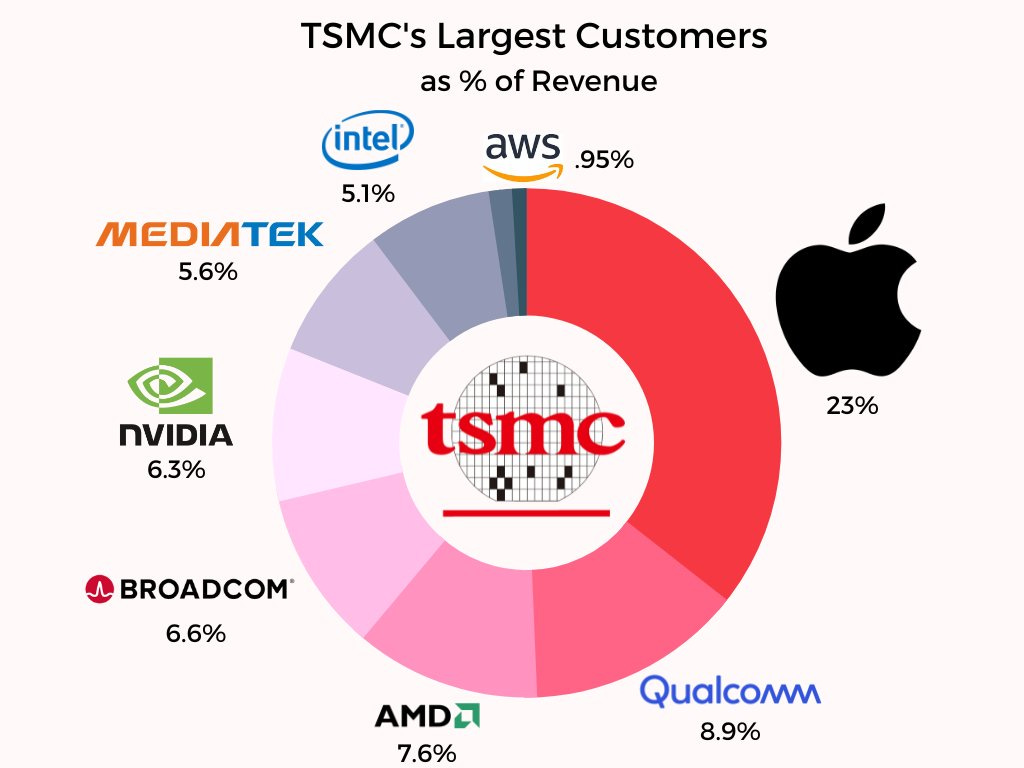
Taiwan Semiconductor Manufacturing Company (TSMC) is the backbone of the global semiconductor industry, producing chips for tech giants like Apple, Nvidia, and AMD. As the world’s largest and most advanced chipmaker, TSMC plays a critical role in powering AI, 5G, and next-generation computing. But is TSMC stock a buy today? Let’s break it down with both bullish and bearish perspectives.

The Bull Case: Why TSMC Could Keep Climbing

1. Dominance in Cutting-Edge Chip Manufacturing

TSMC’s technological leadership is unmatched. Its 3nm and upcoming 2nm nodes place it ahead of competitors like Intel and Samsung, ensuring demand from high-profile clients.

2. Rising AI and High-Performance Computing Demand

The explosion of AI, autonomous vehicles, and high-performance computing means TSMC’s chips are more critical than ever. As companies race to integrate AI, TSMC benefits from strong long-term growth trends.

3. Global Expansion & U.S. Investments

With new facilities in the U.S. and Japan, TSMC is diversifying production beyond Taiwan, reducing geopolitical risks while securing subsidies and incentives from governments looking to strengthen domestic chip production.

4. Financial Strength & Profitability

TSMC boasts robust profit margins and a strong balance sheet, allowing it to invest heavily in future technology while still delivering consistent earnings growth.

The Bear Case: Risks Investors Should Consider

1. Geopolitical Tensions

The ongoing tensions between China and Taiwan pose a major risk. Any disruption to TSMC’s operations could send shockwaves through the tech industry and financial markets.

2. Cyclicality of the Semiconductor Industry

The semiconductor industry is known for boom-and-bust cycles. A slowdown in tech spending or excess chip supply could hurt TSMC’s revenue in the short term.

3. Increased Competition

Intel and Samsung are aggressively investing in advanced manufacturing, aiming to catch up with TSMC. While TSMC holds a strong lead, any missteps could allow competitors to gain ground.

4. Rising Costs & Supply Chain Challenges

Building new fabs is expensive, and supply chain disruptions could impact profitability. As the company expands, managing costs while maintaining efficiency is a crucial challenge.

The Bottom Line: Is TSMC Stock a Buy?

TSMC remains a dominant force in the semiconductor industry, positioned at the heart of major technological advancements. While risks exist, its innovation and market leadership make it a compelling long-term investment.

Want deeper insights and real-time analysis? Become a member of Future Finance Lab and gain exclusive access to expert research, market trends, and investment opportunities. Join us today and stay ahead in the financial markets!