$4.9 Trillion Lost: What the 2025 Market Drop Means—and What’s Next for Investors (Including Bitcoin)

The U.S. stock market has just lost $4.9 trillion in value over the past six weeks, marking one of the most aggressive wealth contractions in recent history. But unlike past sell-offs, there’s a major new player on the field: Bitcoin.

Is this just another correction—or the beginning of a deeper shift in where investors seek refuge and growth?


Why Did the Stock Market Drop in 2025?

Multiple headwinds are converging:

• Geopolitical uncertainty (trade wars, elections, global instability)

• Persistent inflation that’s proving hard to tame

• Confusing Fed policy signals on interest rates

• Disappointing earnings from top S&P 500 companies

• Rising recession fears and stagflation risks

• Bearish investor sentiment at its highest since early 2020

These factors have triggered one of the sharpest drawdowns since the pandemic era.


How Bitcoin Is Reacting

Unlike traditional markets, Bitcoin has been showing signs of relative strength:

• BTC has gained ~15–20% during the same 6-week period in which equities lost trillions.

• Investors are increasingly viewing Bitcoin as “digital gold”—a hedge against fiat debasement and policy risk.

• Institutional flows into Bitcoin ETFs and custody services have reached new highs in early 2025.

While still volatile, Bitcoin is proving to be a non-correlated asset class that thrives when confidence in traditional markets erodes.

Search trend spikes for “Bitcoin during market crash” and “safe haven crypto” support this shift in sentiment.


Historical Context: This Drop vs Past Crashes

Crash/EventValue LostDurationTrigger
COVID-19 (2020)~$6–7 trillion~2 monthsPandemic panic
GFC (2008–2009)~$8 trillion~17 monthsFinancial system breakdown
Dot-com Bubble~$5 trillion~2.5 yearsTech overvaluation
Current (2025)$4.9 trillion~6 weeks (so far)Inflation, geopolitics, Fed
Bitcoin 2025+15–20%Same periodSeen as hedge asset

What Smart Investors Are Doing in 2025

1. Rotating to Quality and Defensive Assets

• Sectors: Healthcare, consumer staples, utilities

• Alternative assets: Bitcoin, gold, and silver

2. Rebalancing & Diversifying

• Reducing overexposure to overvalued equities

• Increasing exposure to non-correlated assets like crypto and commodities

• Exploring inflation-protected securities (TIPS, real assets)

3. Staying Long-Term Focused

• Market corrections are painful—but often present long-term opportunity

• Bitcoin and equities can coexist in a diversified modern portfolio


Investor Sentiment: Fear High, But Opportunity Rising

• The AAII bearish sentiment is over 50%

• Volatility indexes (VIX) are elevated

• Institutional investors are sitting on record amounts of dry powder

Translation? Fear is high—but so is opportunity. Bitcoin’s rise amid a collapsing equity market is sparking real conversations about asset allocation in the digital age.


Final Takeaway: A New Market Cycle May Be Forming

This $4.9 trillion drop could be the start of a new era—where capital flows aren’t just about stocks and bonds, but also Bitcoin and other digital assets.

Historically, every crash reshapes the investment landscape. 2025 may be remembered not just for what the stock market lost, but for what investors discovered—alternative, decentralized stores of value that thrive on volatility and uncertainty.


Actionable Steps

• Reassess your exposure to equities, crypto, and cash

• Stay informed on Fed moves, inflation data, and BTC adoption trends

• Consider Bitcoin as part of your diversification strategy—especially during volatile times

Want Deeper Insights, Tailored to You?

This $4.9 trillion market shake-up is just the beginning. If you’re serious about navigating today’s complex markets—and preparing for the next wave of opportunity—it’s time to level up your strategy.

At FutureFinanceLab, our members get exclusive access to:

• Personalized AI-powered market insights

• Real-time investor sentiment tracking

• In-depth breakdowns of macro trends, Bitcoin, and emerging assets

• Curated educational resources for all experience levels

• Monthly webinars, reports, and strategy sessions

• A growing community of forward-thinking investors and traders

Join FutureFinanceLab today and transform how you understand, analyze, and act in the markets.

How Tokenized Stocks & Bonds Are Reshaping Finance

The financial world is changing fast, and one of the biggest innovations is the rise of tokenized stocks and bonds. But what does this mean, and why should investors care? Let’s break it down in simple terms.

What Are Tokenized Stocks & Bonds?

Tokenization is the process of turning real-world assets—like stocks and bonds—into digital tokens on a blockchain. Each token represents ownership of a fraction of the asset, making it easier to trade and access.

Key Benefits of Tokenization:

  • 24/7 Trading: Unlike traditional markets, tokenized assets can be traded anytime, anywhere.
  • Lower Costs: Cutting out middlemen reduces fees and transaction costs.
  • Greater Access: Investors can buy small fractions of assets, making them more affordable.
  • Instant Settlements: Blockchain eliminates long settlement times, speeding up transactions.
  • Transparency & Security: Blockchain ensures ownership records are clear and secure.

How Tokenized Stocks Work

Instead of buying shares through a broker, investors can purchase digital tokens that represent stock ownership. These tokens are stored on a blockchain and can be traded instantly with minimal fees.

Example:

Imagine a stock like Apple (AAPL) is tokenized. Instead of needing to buy a full share, you could buy a fraction of an Apple stock using tokens. This makes investing in top stocks more accessible to everyone.

How Tokenized Bonds Work

Bonds are typically slow-moving investments with complex processes. Tokenized bonds solve these problems by making them easier to buy, sell, and trade on blockchain platforms. They also offer faster payouts for interest earnings.

Example:

A company issuing a tokenized corporate bond could allow investors to buy small portions of it, making bonds more liquid and accessible to a wider audience.

The Future of Tokenized Finance

Tokenized stocks and bonds are still in their early stages, but they are already reshaping traditional finance. More companies and governments are exploring tokenization as a way to make financial markets more efficient and inclusive.

Final Thoughts

Tokenized assets bring more freedom, speed, and accessibility to investing. As the financial world shifts toward blockchain technology, we may soon see a world where owning and trading assets is as easy as sending an email.

Want to stay ahead of the curve? Join FutureFinanceLab.com for expert insights on blockchain, investing, and financial innovation!

Why Did Markets and Bitcoin Dip? Is Inflation and High Interest Rates the Culprit?

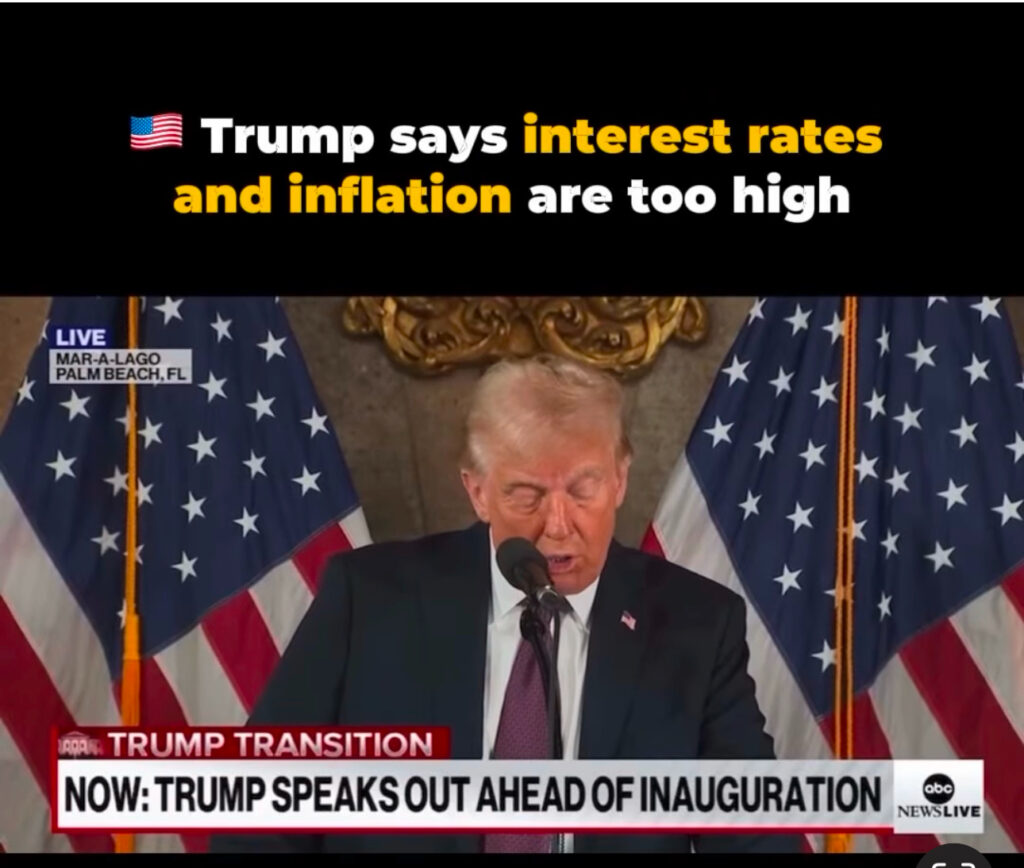
Recent dips in traditional markets and Bitcoin have sparked conversations, with many pointing to Donald Trump’s remarks on high interest rates and persistent inflation. Here’s what’s happening and what could be next.

What’s Behind the Market Dip?

1. High Interest Rates:

• The Federal Reserve’s stance of maintaining higher interest rates has created headwinds for both traditional and crypto markets. High rates make borrowing expensive, reduce liquidity, and pressure riskier assets like Bitcoin.

2. Inflation Concerns:

• Although inflation has cooled from its 2022 peaks, it remains above the Fed’s 2% target. Persistent inflation reduces purchasing power and leaves the Fed little room to lower rates aggressively.

3. Trump’s Comments:

• Former President Donald Trump called attention to high interest rates and inflation as major economic threats, echoing concerns shared by investors. His remarks may have heightened market jitters, fueling sell-offs.

4. Crypto-Specific Weakness:

• Bitcoin and cryptocurrencies are particularly sensitive to macroeconomic conditions. High interest rates reduce demand for speculative assets, and with fewer new buyers entering the market, prices have dipped.

What’s Next for Markets and Bitcoin?

1. Federal Reserve Decisions:

• Markets will closely watch the Fed’s actions in 2025. If inflation moderates, the Fed could cut rates, providing relief to both equities and crypto. However, a stubbornly high inflation rate might keep rates elevated, sustaining pressure on risk assets.

2. Earnings and Economic Data:

• Corporate earnings, unemployment figures, and inflation reports will shape market sentiment. Any signs of economic slowdown could trigger a pivot to more accommodative policies.

3. Bitcoin’s Long-Term Outlook:

• Despite near-term challenges, Bitcoin’s fundamentals remain strong. Adoption continues to grow, and the next halving event in 2024 is likely to tighten supply, which historically has supported price growth in the medium term.

What Can Investors Do?

1. Stay Diversified:

• Don’t put all your eggs in one basket. Spread your investments across traditional assets, crypto, and inflation-resistant sectors like commodities.

2. Monitor Economic Indicators:

• Keep an eye on inflation, GDP growth, and Fed policy announcements. These will set the tone for markets in 2025.

3. Focus on Fundamentals:

• For Bitcoin enthusiasts, price dips can present buying opportunities. If your conviction in crypto’s long-term potential remains strong, this could be a time to accumulate.

4. Be Patient:

• Volatility is normal in uncertain times. Avoid knee-jerk reactions and focus on your long-term investment strategy.

Conclusion

High interest rates and inflation are creating challenging conditions for both traditional and crypto markets. While short-term pain is evident, the long-term outlook for Bitcoin and equities remains cautiously optimistic, especially if inflation moderates and the Fed adjusts its policies. For now, staying informed and diversified is the best way forward.