Revolutionizing Crypto Investing: Grayscale’s Bold Move with Cardano and Hedera ETFs

A Game-Changer for Future Finance

Grayscale Investments, a titan in digital asset management, is shaking up the crypto world with its latest move: registering statutory trusts for Cardano (ADA) and Hedera (HBAR) in Delaware. This step hints at the imminent launch of spot exchange-traded funds (ETFs) for these altcoins, potentially transforming how investors engage with cryptocurrencies. Let’s dive into why this development is a big deal for the future of finance.

Source: Grayscale’s Cardano and Hedera ETFs

Grayscale’s Strategic Play: Delaware Trusts and ETF Ambitions

By registering the Grayscale Cardano Trust ETF and Grayscale Hedera Trust ETF in Delaware, Grayscale is laying the groundwork for a major leap in crypto investment options. These registrations are often a prelude to filing Form S-1 with the U.S. Securities and Exchange Commission (SEC), a crucial step toward ETF approval.

Grayscale is no stranger to altcoin trusts, having previously explored assets like Dogecoin and Avalanche. However, spotlighting Cardano and Hedera signals their rising star status in the blockchain universe, positioning them as prime candidates for institutional investment.

Navigating the SEC: A Path to Approval

The SEC is the gatekeeper for ETF approvals, and 2025 has already seen progress. The agency acknowledged filings from NYSE Arca for a Cardano ETF and Nasdaq for a Hedera ETF, marking the start of the regulatory journey. Recent approvals of in-kind redemption for Bitcoin and Ether ETFs have fueled optimism for altcoin ETFs. Plus, the SEC’s collaboration with the CFTC on Project Crypto is working to clarify token classifications, potentially smoothing the path for Cardano and Hedera ETFs.

Why Cardano and Hedera Stand Out

Cardano: The Brainy Blockchain

Cardano’s research-driven approach sets it apart. Its key strengths include:

  • Scalability: Powered by the Ouroboros proof-of-stake protocol, Cardano handles high transaction volumes while staying decentralized.
  • Eco-Friendly Design: Unlike energy-hungry proof-of-work systems, Cardano prioritizes sustainability.
  • Academic Rigor: Every protocol upgrade undergoes peer-reviewed scrutiny, ensuring top-tier security and reliability.

These qualities make Cardano a magnet for investors looking for robust, green blockchain solutions.

Hedera: Built for Business

Hedera’s hashgraph technology delivers blazing-fast, low-cost transactions tailored for enterprise needs. Its standout use cases include:

  • Supply Chain Transparency: Hedera streamlines tracking for goods and services, boosting efficiency.
  • Tokenization Powerhouse: Businesses can create and manage digital assets, perfect for modernizing operations.

Hedera’s enterprise focus makes it a compelling choice for institutional investors, aligning perfectly with Grayscale’s ETF vision.

Why Altcoin ETFs Matter for Investors

The potential launch of Cardano and Hedera ETFs could open new doors for institutional players:

  • Regulated Access: ETFs offer a secure, compliant way to invest in crypto without the complexities of direct ownership.
  • Boosted Liquidity: ETFs could make trading these altcoins easier, attracting more market participation.
  • Diversification: Adding altcoin ETFs to portfolios helps investors hedge against volatility in traditional markets.

Ripple Effects for the Crypto Market

If these ETFs get the green light, the impact could be seismic:

  • Mass Adoption: Regulated ETFs could bring Cardano and Hedera to a broader audience, driving mainstream use.
  • Competitive Surge: Grayscale’s move might inspire other firms to launch their own altcoin ETFs, heating up the market.
  • Market Evolution: More altcoin ETFs signal a maturing crypto space, with increased institutional trust and regulatory clarity.

Grayscale’s Bigger Picture

This isn’t just about Cardano and Hedera. Grayscale’s trust registrations are part of a broader push to diversify its offerings, including new trusts like DeepBook and Walrus on the Sui blockchain. This multichain strategy strengthens Grayscale’s dominance while giving investors more ways to tap into crypto’s potential.

Regulatory Challenges Ahead

Despite the excitement, ETF approval isn’t a done deal. SEC reviews and public consultations could delay the process. However, the SEC and CFTC’s joint efforts under Project Crypto suggest a more crypto-friendly regulatory future, which could ease these hurdles.

The Road Ahead for Crypto Investing

Grayscale’s pursuit of Cardano and Hedera ETFs is a bold step toward mainstreaming altcoin investments. By focusing on two innovative blockchain platforms, Grayscale is not only diversifying its portfolio but also setting the stage for a new wave of institutional crypto adoption. As regulations evolve, these ETFs could mark a turning point, unlocking unprecedented growth and innovation in the crypto market.

Stay tuned to FutureFinanceLab for more insights on the evolving world of crypto investments!

Disclaimer: This article is for informational purposes only and does not constitute investment advice. Crypto investments carry high risks, and prices can be volatile. Always consult a financial professional before investing.

© 2025 FutureFinanceLab. This article is adapted from content originally published by OKX, used with permission.


Bitcoin Hits New All-Time High: What It Means for Crypto Investors in 2025

The king of crypto is back on top.

In a dramatic surge that captured the attention of investors worldwide, Bitcoin has officially hit a new all-time high, breaking past its previous peak and reinforcing its position as the most dominant digital asset in the world. This latest milestone is not just a price point—it’s a signal.

A signal that digital money is no longer a fringe concept.

Why This ATH Matters

Bitcoin’s new all-time high reflects more than speculation—it shows growing institutional adoptionrising inflation hedging, and global recognition of decentralized finance.

From major asset managers integrating Bitcoin into portfolios to global payment firms offering crypto services, the fundamentals backing this rally are stronger than ever.

This ATH is different.

It’s not fueled by hype alone—it’s supported by:

  • The growth of Bitcoin ETFs
  • Geopolitical shifts away from fiat dependence
  • Regulatory clarity in several key markets
  • And a maturing retail investor base looking for sound money in a digital world

Bitcoin: Still the Benchmark

Bitcoin continues to be the “digital gold” that institutions and individuals turn to first. Its scarcity (21 million cap), security, and network effects have set it apart as the most resilient crypto asset.

But the crypto story doesn’t stop there.

What About HBAR and XRP?

While Bitcoin dominates headlines, HBAR (Hedera Hashgraph) and XRP (Ripple) are quietly gaining traction with different, equally compelling use cases:

🌀 HBAR: The Enterprise Layer for Web3

Hedera’s unique consensus mechanism and enterprise partnerships (like Google, IBM, and LG) make it a serious player in real-world Web3 infrastructure. As tokenized assets, identity, and supply chain solutions expand, HBAR could play a foundational role.

🌊 XRP: The Bridge for Global Payments

Despite legal hurdles in recent years, XRP continues to push boundaries in cross-border finance. With RippleNet expanding globally and growing interest in CBDC interoperability, XRP is more than alive—it’s evolving.

A New Crypto Cycle?

If you’ve been on the sidelines, this is your wake-up call. Bitcoin’s ATH isn’t just a milestone—it’s a reminder of the massive shifts taking place in finance, technology, and trust.

The world is going digital. Is your portfolio ready?


💡 FutureFinanceLab Insight:
Don’t chase price. Understand value.
The smart investor looks beyond headlines and asks:

  • What is the long-term use case?
  • Who’s building?
  • What problem does this solve?

Bitcoin’s new high is a reflection of long-term belief—something every investor should study deeply.


Want to Learn More?

Join the FutureFinanceLab Membership for deeper insights, model portfolios, and private coaching as we navigate the next phase of the crypto and digital finance revolution.

Does “Buy the Dip” Actually Work? A Look at Historical Market Crashes

“Buy the dip” is one of the most repeated mantras in investing—but does it really work? Should you be buying when markets are falling and headlines are screaming panic?

Let’s cut through the noise and look at how buying the dip has performed during some of the most significant market crashes in history.

What Does “Buying the Dip” Mean?

Buying the dip refers to purchasing stocks or assets after a significant decline in price, with the expectation that they’ll rebound. The idea is simple: buy low, hold, and wait for the market to recover.

But while the concept sounds easy, in practice, it’s psychologically tough. You’re buying when everyone else is running for the exits. So, does it pay off?

Major Market Crashes and the Dip-Buying Payoff

1. The Great Depression (1929–1932)

  • Crash: Market fell ~86% from peak to trough.
  • Recovery Time: 25 years (S&P didn’t return to 1929 levels until 1954).
  • Buy the Dip Outcome: Those who bought in 1932 saw several hundred percent gains over the following decades—but it was a long and bumpy road.

2. Black Monday (1987)

  • Crash: -34% in one day.
  • Recovery Time: Less than 2 years.
  • Buy the Dip Outcome: Investors who bought after the crash nearly doubled their money within a few years.

3. Dot-Com Crash (2000–2002)

  • Crash: S&P fell ~49%.
  • Recovery Time: 7 years (recovered by 2007).
  • Buy the Dip Outcome: Buying in 2002–2003 gave you a ~100% return by 2007. Tech-heavy Nasdaq took longer to fully recover, but gains were significant for patient investors.

4. Global Financial Crisis (2008)

  • Crash: -57% decline in the S&P 500.
  • Recovery Time: About 6 years.
  • Buy the Dip Outcome: If you bought in early 2009, you saw returns of over 400% by 2020.

5. COVID-19 Crash (2020)

  • Crash: -34% in about a month.
  • Recovery Time: Just 6 months.
  • Buy the Dip Outcome: Those who bought in March 2020 saw their portfolios double within 18 months.

The Takeaway: Buying the Dip Works—If You’re Prepared

Historically, buying the dip has delivered strong long-term returns, but it requires:

  • Liquidity: You need cash on hand when the market drops.
  • Conviction: It’s hard to buy when fear is at its peak.
  • Time Horizon: The biggest gains come from holding for years, not weeks.

Important note: Not all dips are created equal. Some recoveries take years. Timing the exact bottom is nearly impossible, which is why averaging in over time (dollar-cost averaging) is often more effective than trying to “call the bottom.”

Final Thoughts

Buying the dip isn’t a get-rich-quick scheme—it’s a mindset rooted in long-term belief in markets. While the past doesn’t guarantee future results, history consistently rewards investors who stay calm during chaos and stick to their strategy.

In times of panic, opportunity often hides in plain sight.

$4.9 Trillion Lost: What the 2025 Market Drop Means—and What’s Next for Investors (Including Bitcoin)

The U.S. stock market has just lost $4.9 trillion in value over the past six weeks, marking one of the most aggressive wealth contractions in recent history. But unlike past sell-offs, there’s a major new player on the field: Bitcoin.

Is this just another correction—or the beginning of a deeper shift in where investors seek refuge and growth?


Why Did the Stock Market Drop in 2025?

Multiple headwinds are converging:

• Geopolitical uncertainty (trade wars, elections, global instability)

• Persistent inflation that’s proving hard to tame

• Confusing Fed policy signals on interest rates

• Disappointing earnings from top S&P 500 companies

• Rising recession fears and stagflation risks

• Bearish investor sentiment at its highest since early 2020

These factors have triggered one of the sharpest drawdowns since the pandemic era.


How Bitcoin Is Reacting

Unlike traditional markets, Bitcoin has been showing signs of relative strength:

• BTC has gained ~15–20% during the same 6-week period in which equities lost trillions.

• Investors are increasingly viewing Bitcoin as “digital gold”—a hedge against fiat debasement and policy risk.

• Institutional flows into Bitcoin ETFs and custody services have reached new highs in early 2025.

While still volatile, Bitcoin is proving to be a non-correlated asset class that thrives when confidence in traditional markets erodes.

Search trend spikes for “Bitcoin during market crash” and “safe haven crypto” support this shift in sentiment.


Historical Context: This Drop vs Past Crashes

Crash/EventValue LostDurationTrigger
COVID-19 (2020)~$6–7 trillion~2 monthsPandemic panic
GFC (2008–2009)~$8 trillion~17 monthsFinancial system breakdown
Dot-com Bubble~$5 trillion~2.5 yearsTech overvaluation
Current (2025)$4.9 trillion~6 weeks (so far)Inflation, geopolitics, Fed
Bitcoin 2025+15–20%Same periodSeen as hedge asset

What Smart Investors Are Doing in 2025

1. Rotating to Quality and Defensive Assets

• Sectors: Healthcare, consumer staples, utilities

• Alternative assets: Bitcoin, gold, and silver

2. Rebalancing & Diversifying

• Reducing overexposure to overvalued equities

• Increasing exposure to non-correlated assets like crypto and commodities

• Exploring inflation-protected securities (TIPS, real assets)

3. Staying Long-Term Focused

• Market corrections are painful—but often present long-term opportunity

• Bitcoin and equities can coexist in a diversified modern portfolio


Investor Sentiment: Fear High, But Opportunity Rising

• The AAII bearish sentiment is over 50%

• Volatility indexes (VIX) are elevated

• Institutional investors are sitting on record amounts of dry powder

Translation? Fear is high—but so is opportunity. Bitcoin’s rise amid a collapsing equity market is sparking real conversations about asset allocation in the digital age.


Final Takeaway: A New Market Cycle May Be Forming

This $4.9 trillion drop could be the start of a new era—where capital flows aren’t just about stocks and bonds, but also Bitcoin and other digital assets.

Historically, every crash reshapes the investment landscape. 2025 may be remembered not just for what the stock market lost, but for what investors discovered—alternative, decentralized stores of value that thrive on volatility and uncertainty.


Actionable Steps

• Reassess your exposure to equities, crypto, and cash

• Stay informed on Fed moves, inflation data, and BTC adoption trends

• Consider Bitcoin as part of your diversification strategy—especially during volatile times

Want Deeper Insights, Tailored to You?

This $4.9 trillion market shake-up is just the beginning. If you’re serious about navigating today’s complex markets—and preparing for the next wave of opportunity—it’s time to level up your strategy.

At FutureFinanceLab, our members get exclusive access to:

• Personalized AI-powered market insights

• Real-time investor sentiment tracking

• In-depth breakdowns of macro trends, Bitcoin, and emerging assets

• Curated educational resources for all experience levels

• Monthly webinars, reports, and strategy sessions

• A growing community of forward-thinking investors and traders

Join FutureFinanceLab today and transform how you understand, analyze, and act in the markets.

Understanding Balance Sheets: A Quick Guide to Smarter Investing

A balance sheet is one of the most powerful tools to understand a company’s financial health. At FutureFinanceLab.com, we simplify finance, and today we’re breaking down the balance sheet into digestible insights that every investor should know.


What’s a Balance Sheet?

Think of a balance sheet as the financial snapshot of a company. It reveals what the company owns (assets), what it owes (liabilities), and its net worth (equity). By subtracting liabilities from assets, you get equity—a critical metric that shows the company’s real value. Simple yet essential.


Why Cash is King

Cash gives a company the flexibility to seize opportunities or weather tough times. Whether it’s buying back shares, paying off debt, or fueling expansion, having plenty of cash is always a positive sign. Here’s the secret: subtract total debt from cash on hand. If the result is strong and positive, you’re looking at a company with a rock-solid balance sheet.


A Real-World Example

Imagine a company with $20 million in cash, no debt, and 4 million shares outstanding. That means $5 cash per share. If the stock price is $10, you’re effectively paying just $5 for the business itself. Now that’s a potential bargain worth considering!


The Debt Factor

Debt is a double-edged sword. While some debt can help a company grow, too much can be a red flag. A quick rule of thumb: if total debt exceeds 50% of the company’s capitalization, it’s risky. However, if it’s under 20%, you’ve got a safer bet. Remember, some industries like banking and financial services naturally operate with higher debt levels—so always check what’s typical for the sector.


Hidden Liabilities: Leases in Disguise

Not all debts are obvious. Long-term leases can be hidden in the fine print as capitalized lease obligations. These commitments can significantly impact a company’s financial health but are often overlooked by investors. Always dive into the footnotes for a complete picture.


The Democratization of Data

In the past, professional investors had a significant edge in accessing financial data. Today, technology has leveled the playing field. With the right tools and a basic understanding of balance sheets, anyone can evaluate a company’s financial standing like a pro.


Final Thoughts

Mastering balance sheets can transform the way you invest. At FutureFinanceLab.com, our mission is to equip you with the knowledge to make informed financial decisions. From spotting cash-rich companies to avoiding debt traps, understanding the basics is your first step toward smarter investing.

Ultimate Beginner’s Guide to Cryptocurrency: How to Get Started

At FutureFinanceLab.com, we don’t just teach you about cryptocurrency—we help you take action. If you’re ready to dive into the world of digital currencies, here’s everything you need to know to open an account and get started.


1. What is Cryptocurrency?

Cryptocurrency is digital money that exists only online. Unlike regular currency, it operates without a central authority (like a bank) and uses blockchain technology to track transactions.

The most famous cryptocurrency is Bitcoin (BTC), but there are many others like Ethereum (ETH) and Litecoin (LTC).


2. Step-by-Step Guide: How to Open an Account and Buy Your First Cryptocurrency

Step 1: Choose a Cryptocurrency Exchange

To buy cryptocurrency, you need to open an account on a cryptocurrency exchange. Popular exchanges include:

  • Coinbase: Great for beginners.
  • Binance: Offers a wide range of cryptocurrencies.
  • Kraken: Known for its strong security features.

Step 2: Sign Up and Verify Your Identity

Once you’ve chosen an exchange, you’ll need to create an account by entering your basic personal information, like your name and email address. Most exchanges will require you to verify your identity (KYC—Know Your Customer), which typically involves submitting a photo of your ID and a selfie.


Step 3: Deposit Funds Into Your Account

After your account is verified, you can deposit funds into it. Most exchanges allow you to deposit using USDEUR, or other fiat currencies via:

  • Bank Transfer
  • Credit or Debit Card
  • PayPal (on certain exchanges)

Step 4: Buy Your Cryptocurrency

Once your account is funded, you’re ready to buy cryptocurrency. You’ll find a variety of coins available for purchase, but to get started, you might want to buy Bitcoin (BTC) or Ethereum (ETH), as they are the most widely used.

  • Select the coin you want to buy.
  • Choose how much you want to invest.
  • Complete the transaction.

Step 5: Store Your Cryptocurrency Safely

After buying your cryptocurrency, it’s important to store it securely. Here’s how:

  • Hot Wallet: An online wallet connected to the internet (easy to access but less secure).
  • Cold Wallet: A hardware wallet that stores your cryptocurrency offline (more secure for long-term storage).

3. Why Cryptocurrency?

  • Potential for High Returns: Bitcoin and other cryptocurrencies have experienced significant growth in recent years.
  • Decentralization: You have control over your funds, with no bank or government involved.
  • Innovation: Cryptocurrency and blockchain are transforming industries, including finance, healthcare, and technology.

4. The Risks of Cryptocurrency

While cryptocurrency offers huge opportunities, it’s important to be aware of the risks:

  • Volatility: Prices can change rapidly.
  • Security Risks: Always store your crypto safely, and use secure exchanges.
  • Regulation: Cryptocurrency is still being regulated in many countries, so it’s important to stay updated on legal matters.

5. Start Your Journey Today at FutureFinanceLab.com

At FutureFinanceLab.com, we don’t just give you the basics—we guide you step by step. We offer exclusive tutorials and resources to help you make the right choices when opening an account, investing, and securing your cryptocurrency.

Ready to take the first step? Join our membership today to access more detailed guides, expert strategies, and a community of crypto enthusiasts like you.


By joining FutureFinanceLab.com, you’ll not only learn how to get started but also discover advanced strategies to grow your portfolio and manage risks effectively.

Start your crypto journey today! 🚀

The Wealthy Mindset: Shifting from Spending to Investing

Building wealth isn’t just about earning more money—it’s about how you think about and use the money you already have. At its core, the wealthy mindset isn’t defined by the size of your paycheck but by your approach to financial decisions. The key shift? Moving from a spending-focused mindset to an investing-focused one.

Understanding the Difference: Spending vs. Investing

Spending is transactional. You exchange money for goods or services, and once the transaction is complete, the money is gone. Investing, on the other hand, is strategic. It involves putting money into assets or opportunities with the expectation of generating future returns.

For example:

  • Spending: Buying the latest smartphone or a luxury car.
  • Investing: Purchasing stocks, real estate, or starting a side business.
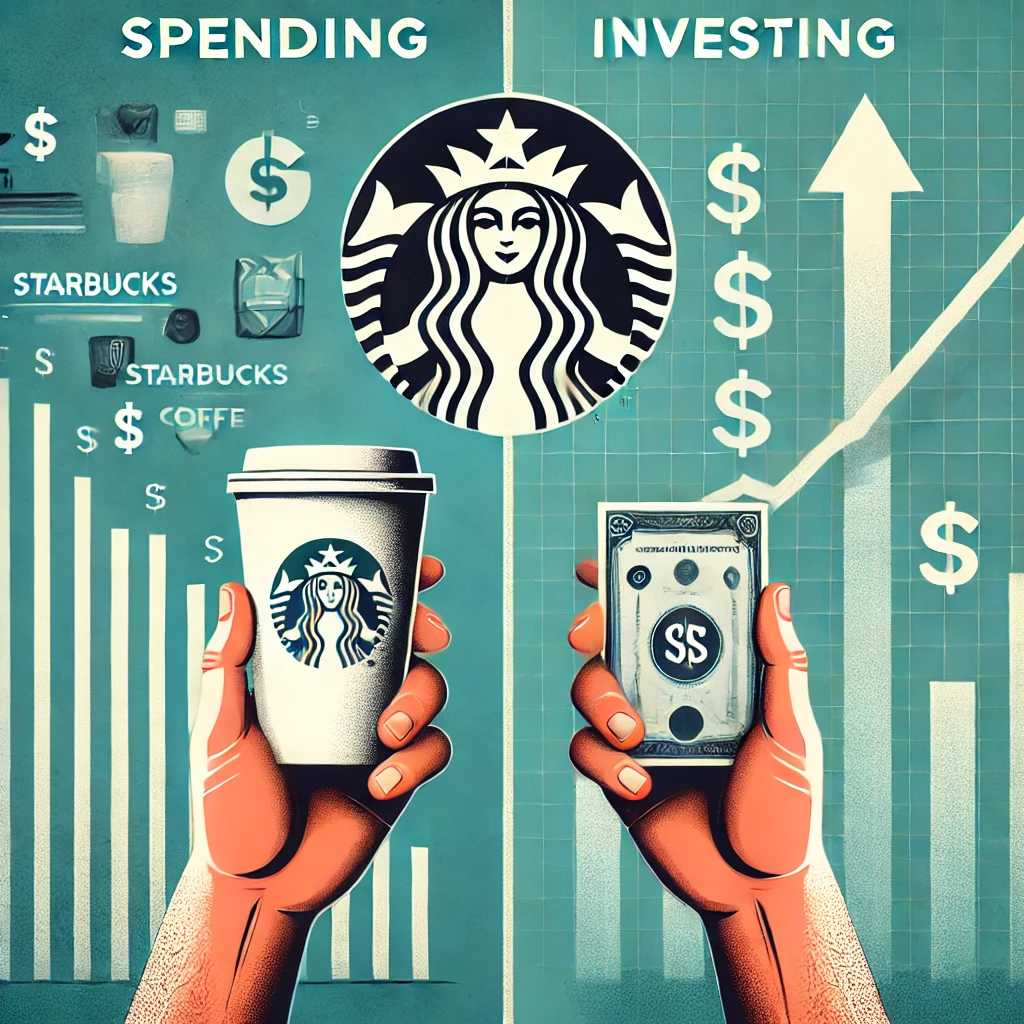
  • Real-Life Example: Instead of spending $5 every day on a Starbucks coffee, you could invest that $5 into Starbucks stock. Over time, the stock could grow in value, provide dividends, and potentially yield far greater returns than the short-term pleasure of a daily coffee.

While spending satisfies immediate desires, investing builds long-term financial stability and wealth.

The Mindset Shift

To cultivate a wealthy mindset, you must view money as a tool for growth, not just consumption. Here are key principles to adopt:

  1. Focus on Assets, Not Liabilities: Prioritize purchases that appreciate in value or generate income.
  2. Delayed Gratification: Resist impulse spending and prioritize long-term financial goals.
  3. Continuous Learning: Stay informed about financial markets, investment opportunities, and wealth-building strategies.
  4. Make Your Money Work for You: Passive income streams, such as dividends or rental income, can create financial freedom.

Practical Steps to Start Investing

  1. Set Clear Financial Goals: Understand what you’re investing for—retirement, financial independence, or a specific milestone.
  2. Start Small: You don’t need large sums to begin investing. Even small, consistent contributions can grow significantly over time.
  3. Diversify Your Investments: Spread your money across different assets to minimize risk.
  4. Automate Investments: Set up automatic transfers to your investment accounts to ensure consistency.

Overcoming Common Barriers

  • Fear of Risk: Educate yourself to make informed decisions and understand that all investments carry some level of risk.
  • Lack of Knowledge: Use resources like FutureFinanceLab.com to expand your financial literacy.
  • Instant Gratification Culture: Remind yourself of the long-term benefits of investing.

Final Thoughts

Adopting a wealthy mindset isn’t about restricting yourself from enjoying life. It’s about aligning your financial habits with your long-term goals. Every dollar spent is a choice—a choice between fleeting pleasure and future security.

At Future Finance Lab, we believe in equipping individuals with the tools and knowledge to make smarter financial choices. Shift your focus from spending to investing, and watch how your financial future transforms.

Beginner’s Guide to Crypto Investment

Beginner’s Guide to Crypto Investment

Learn How to Invest in Crypto Responsibly

Investing in cryptocurrencies can be exciting and rewarding, but it’s essential to approach it with caution and strategy. This guide will help you understand the basics and make informed decisions while minimizing risks.


1. Understand the Basics

Before diving in, familiarize yourself with key terms and concepts:

  • Cryptocurrency: Digital or virtual currencies secured by cryptography (e.g., Bitcoin, Ethereum).
  • Blockchain: The technology that powers cryptocurrencies by maintaining a decentralized ledger.
  • Wallet: A digital tool for storing, sending, and receiving cryptocurrencies.

Tip: Start by researching popular cryptocurrencies like Bitcoin (BTC) and Ethereum (ETH) before exploring smaller projects.


2. Assess Your Financial Situation

Only invest money you can afford to lose. Cryptocurrencies are highly volatile, and prices can fluctuate dramatically.

  • Create an investment budget.
  • Build an emergency fund before allocating money to crypto.
  • Diversify your investments to balance risk.

3. Choose a Reliable Exchange

Select a trusted platform to buy and trade cryptocurrencies. Look for:

  • Security Features: Two-factor authentication (2FA), encryption, and cold storage.
  • Ease of Use: User-friendly interfaces for beginners.
  • Reputation: Platforms like Coinbase, Binance, and Crypto.com are widely recognized.

4. Secure Your Investments

Protect your cryptocurrencies by using secure storage solutions:

  • Hot Wallets: Convenient for frequent trading but vulnerable to online threats.
  • Cold Wallets: Offline storage, such as hardware wallets, offering maximum security.
  • Avoid sharing your private keys or passwords.

5. Start Small and Stay Informed

  • Begin with a small amount to get familiar with the process.
  • Regularly follow crypto news and trends from reliable sources.
  • Learn about emerging technologies and updates in the crypto space.

6. Beware of Scams

  • Avoid “get rich quick” schemes or unsolicited investment offers.
  • Verify the authenticity of any platform or project before investing.
  • Use official websites and links to avoid phishing attacks.

7. Long-Term Perspective

Cryptocurrencies can be a long-term investment. Avoid panic selling during market dips and focus on projects with solid fundamentals.

Remember: Patience is key.


8. Learn About Taxes and Regulations

Understand your country’s tax policies on crypto gains and abide by local regulations. Responsible investing includes reporting earnings correctly.


9. Tools and Resources

  • Portfolio Trackers: Apps like CoinGecko or Blockfolio to monitor your investments.
  • Educational Platforms: Future Finance Lab offers in-depth tutorials to guide you.

Ready to Start Your Crypto Journey?

Investing in cryptocurrencies responsibly requires knowledge, discipline, and a long-term approach. By following these tips, you can confidently take your first steps in the world of digital assets.

Explore More Resources

Check out our latest articles and tools to help you succeed in crypto investing at Future Finance Lab!