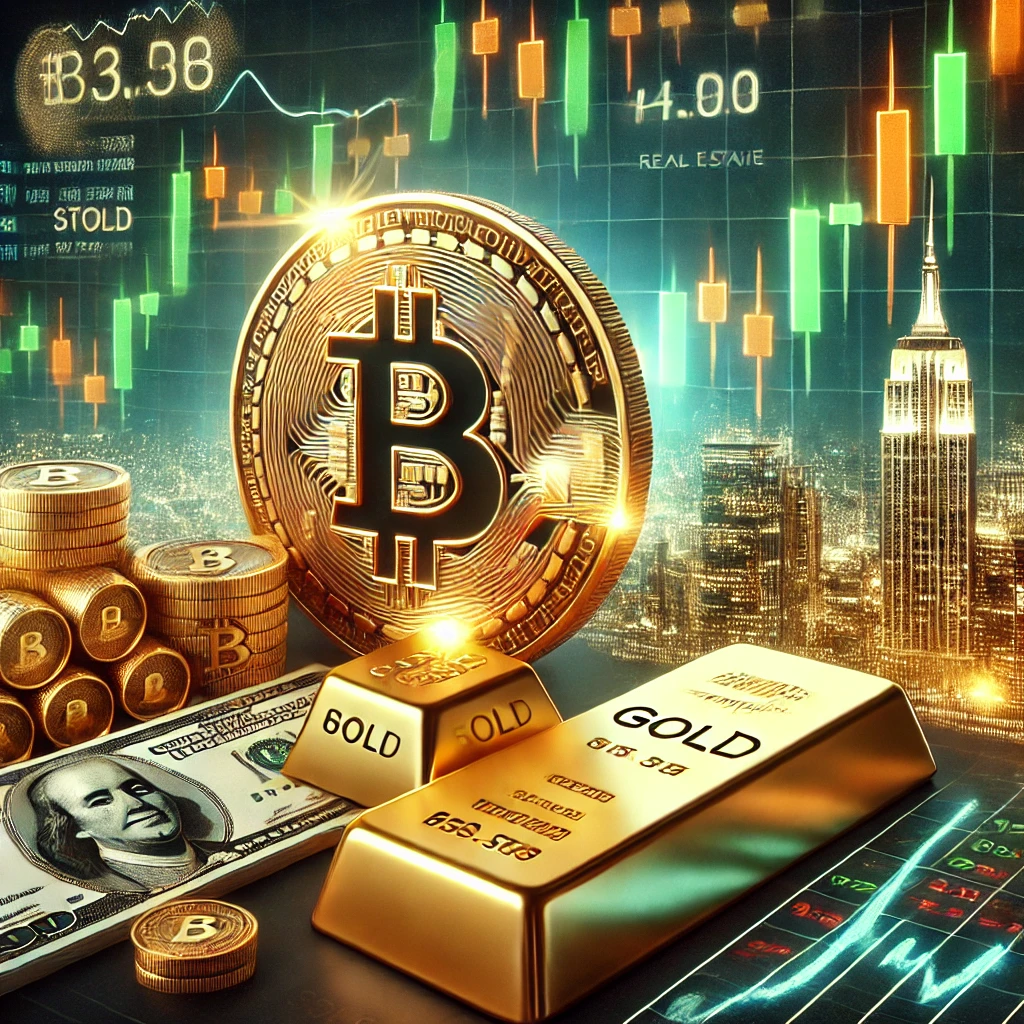
Markets on Edge: Record Valuations Meet Fed Rate Cut

The U.S. stock market is at a crossroads. The S&P 500 is now trading at 3.15× sales, its highest valuation in history — even higher than the dot-com peak in 2000 and the AI-driven surge of 2021. At the same time, the Federal Reserve is preparing for one of its most important policy meetings of the year on September 16–17, 2025.

The stakes couldn’t be higher. Here’s what you need to know — in plain English.


Why Valuations Matter

  • The long-term average Price-to-Sales ratio for the S&P 500 is around 1.5–2.0×.
  • At 3.15× sales, investors are paying more than ever for every dollar of revenue.
  • Historically, when valuations run this high, future 10-year returns shrink and the market becomes more fragile.

In short: the market isn’t guaranteed to crash tomorrow, but the odds of lower long-term returns (and sharper corrections) increase significantly.


All Eyes on the Federal Reserve – September 17

The Fed’s upcoming meeting is critical because it comes amid slowing economic growth and sticky inflation.

  • What’s expected: Markets overwhelmingly expect a 25 bps rate cut, with a smaller chance of a surprise 50 bps cut.
  • Why now:
    • August jobs report showed just 22,000 jobs added.
    • Unemployment ticked up to 4.3%.
    • Earlier payrolls were revised lower by over 900,000 jobs.
  • The challenge: Inflation is still running close to 3%, above the Fed’s 2% target. Policymakers face a balancing act between supporting a weakening job market and keeping inflation in check.

TL;DR — Market Setup for September

  • Valuations: S&P 500 at record highs (3.15× sales).
  • Fed Meeting: Rate cut almost certain; size (25 vs. 50 bps) is key.
  • Market Fragility: Expensive equities vulnerable to disappointments; risk of “sell the news” reaction.
  • Gold: Approaching record highs as investors hedge against uncertainty.
  • Bitcoin: A potential winner from Fed easing — liquidity tailwind + hedge against dollar weakness and persistent inflation.

What This Means for Investors

  1. Stay cautious on equities. With valuations stretched, risk-reward skews negative unless earnings keep surprising.
  2. Diversify beyond the S&P 500. Consider value stocks, defensive sectors, or international markets with lower valuations.
  3. Watch alternative assets. Gold and Bitcoin are increasingly attractive in a world of high valuations, rate cuts, and inflation risk.
  4. Keep a cash buffer. Liquidity gives you flexibility to buy during corrections.

Bottom Line

The U.S. market is entering September at its most expensive valuation in history, just as the Fed prepares to cut rates. That’s a fragile setup. Investors should brace for volatility, manage risk carefully, and keep an eye on alternative assets like gold and Bitcoin that may benefit from shifting monetary policy.

How Rate Cuts Spark Asset Booms (and Busts): Lessons from Past Fed Cycles

The Federal Reserve’s upcoming September 17 meeting has investors bracing for a rate cut. But history shows that lower rates don’t just support the economy they often fuel major market booms… and eventually, painful busts.

Let’s break down what past Fed cycles can teach us about today’s setup.


Rate Cuts = Cheap Money = Rising Assets

When the Fed cuts rates, borrowing becomes cheaper. That liquidity doesn’t just flow into businesses — it often spills into stocks, housing, and risk assets like gold and Bitcoin.

  • Lower interest costs boost corporate profits.
  • Investors chase returns as bonds yield less.
  • Speculation rises as easy money encourages risk-taking.

A Quick Look Back: Booms & Busts

  • 1990s Dot-Com Boom
    After the 1994 rate cuts, cheap capital fueled a tech bubble. The Nasdaq soared 400%… before crashing 78% by 2002.
  • 2008 Global Financial Crisis
    Years of low rates in the early 2000s helped inflate the housing bubble. When it burst, the Fed had to slash rates back to zero.
  • 2020 Pandemic Response
    Near-zero rates and stimulus checks drove massive rallies in stocks, real estate, and Bitcoin. But 2022’s inflation spike forced the Fed into its fastest hiking cycle in 40 years.

What It Means for 2025

The market today looks eerily familiar:

  • S&P 500 trading at record 3.15× sales (the highest in history).
  • Gold near all-time highs as a hedge.
  • Bitcoin primed to benefit from another round of Fed easing.

The danger? Rate cuts often work like rocket fuel at first — but they can also inflate bubbles that eventually burst.


TL;DR — Key Lessons for Investors

  • Rate cuts pump liquidity into markets, boosting stocks, housing, and crypto.
  • Every boom has a bust. The bigger the run-up, the harsher the correction.
  • 2025 looks frothy. Stocks are at record valuations, making them vulnerable.
  • Diversification matters. Don’t chase momentum blindly balance equities with gold, Bitcoin, and cash for flexibility.

Bottom Line

History shows that rate cuts spark powerful asset rallies but rarely end well if valuations are already stretched. As the Fed moves to ease on September 17, investors should prepare for both short-term upside and the risk of a longer-term bust.

Bitcoin vs. Traditional Assets: Which One Holds Value?

As financial markets evolve, investors are increasingly comparing Bitcoin to traditional assets like stocks, gold, and real estate. But which one truly holds value? In this article, we’ll break down the key differences and explore how Bitcoin stacks up against traditional investments.

Understanding Value in Assets

Value in investments is often determined by scarcity, utility, demand, and historical performance. Traditional assets have long been trusted as stores of value, while Bitcoin, as a digital asset, is challenging conventional wisdom. Let’s analyze each.

Bitcoin: The Digital Gold?

Bitcoin is often compared to gold due to its fixed supply (21 million coins) and decentralized nature. Here’s why some investors see it as a strong store of value:

  • Scarcity: Unlike fiat currencies, Bitcoin has a limited supply, preventing inflationary dilution.
  • Decentralization: No central authority controls Bitcoin, making it resistant to manipulation.
  • Portability & Accessibility: Unlike gold, Bitcoin can be easily transferred across borders.
  • Volatility: While Bitcoin has seen significant price swings, long-term holders have often benefited from its appreciation.

Stocks: Ownership in Companies

Stocks represent ownership in a company and have historically been strong long-term investments. Their value comes from:

  • Dividends & Growth: Stocks generate returns through capital appreciation and dividend payouts.
  • Market Trends: The stock market has decades of data showcasing economic cycles, bull runs, and corrections.
  • Regulation & Stability: Unlike Bitcoin, stocks are regulated by financial authorities, providing investor protections.
  • Inflation Hedge: Historically, stocks have outperformed inflation, offering real growth over time.

Gold: The Timeless Store of Value

Gold has been used as money and a store of value for thousands of years. It is favored for:

  • Intrinsic Value: Unlike Bitcoin, gold is a physical asset with industrial and ornamental uses.
  • Stability: Gold prices tend to be less volatile than Bitcoin, making it a preferred hedge during economic downturns.
  • Inflation Protection: As a hard asset, gold typically retains value in inflationary environments.
  • Liquidity: Easily tradable in global markets with a long-established system of valuation.

Real Estate: A Tangible Investment

Real estate provides both utility and investment potential through:

  • Passive Income: Rental properties generate cash flow over time.
  • Appreciation: Real estate often increases in value due to economic growth and demand.
  • Leverage Opportunities: Investors can use loans to acquire properties, amplifying potential returns.
  • Hedge Against Inflation: Property values and rental income typically rise with inflation.

Performance Since 2009: Bitcoin vs. Traditional Assets

Since Bitcoin’s inception in 2009, it has significantly outperformed traditional assets in terms of returns:

  • Bitcoin: Bitcoin started as a niche digital asset but has grown exponentially, delivering over 100,000% returns for early investors, with an average annual return of approximately 120-150% since 2009.
  • Stocks (S&P 500): The S&P 500 has averaged 10-12% annual returns over the past decade, offering steady growth but far lower than Bitcoin’s trajectory.
  • Gold: Gold has seen modest gains, averaging 3-6% annual returns since 2009, with occasional spikes during economic uncertainty.
  • Real Estate: Housing markets have appreciated at an average rate of 4-7% per year, with variations depending on location and demand.

Bitcoin’s massive gains come with higher volatility, while traditional assets provide more stability and predictable returns. Investors must weigh the potential risks and rewards when allocating their portfolios.

Bitcoin vs. Traditional Assets: A Comparative Table

AssetScarcityVolatilityAccessibilityInflation HedgePassive IncomePerformance Since 2009
BitcoinFixed (21M)HighHighYesNo100,000%+ growth
StocksUnlimitedMediumHighYesYes (Dividends)10-12% annual growth
GoldLimitedLowMediumYesNo3-6% annual growth
Real EstateLimitedLow-MediumLowYesYes (Rent)4-7% annual growth

Which One Holds Value?

Each asset class serves a different purpose. Bitcoin is emerging as a modern alternative to gold, offering decentralization and high potential returns but with volatility risks. Stocks and real estate remain strong long-term investments, providing income and growth potential. Gold remains a reliable hedge during uncertainty.

The ideal investment strategy depends on your risk tolerance, financial goals, and market outlook. Many investors choose a diversified approach, incorporating Bitcoin alongside traditional assets to balance risk and reward.

Final Thoughts

Bitcoin is no longer just a speculative asset—it’s becoming a legitimate part of investment portfolios. However, traditional assets still hold strong historical value. The question isn’t just “which is better?” but rather, “how can they complement each other in a diversified portfolio?”

Want more insights on Bitcoin and investing? Join FutureFinanceLab.com for expert analysis and financial trends!