Markets on Edge: Record Valuations Meet Fed Rate Cut

The U.S. stock market is at a crossroads. The S&P 500 is now trading at 3.15× sales, its highest valuation in history — even higher than the dot-com peak in 2000 and the AI-driven surge of 2021. At the same time, the Federal Reserve is preparing for one of its most important policy meetings of the year on September 16–17, 2025.

The stakes couldn’t be higher. Here’s what you need to know — in plain English.


Why Valuations Matter

  • The long-term average Price-to-Sales ratio for the S&P 500 is around 1.5–2.0×.
  • At 3.15× sales, investors are paying more than ever for every dollar of revenue.
  • Historically, when valuations run this high, future 10-year returns shrink and the market becomes more fragile.

In short: the market isn’t guaranteed to crash tomorrow, but the odds of lower long-term returns (and sharper corrections) increase significantly.


All Eyes on the Federal Reserve – September 17

The Fed’s upcoming meeting is critical because it comes amid slowing economic growth and sticky inflation.

  • What’s expected: Markets overwhelmingly expect a 25 bps rate cut, with a smaller chance of a surprise 50 bps cut.
  • Why now:
    • August jobs report showed just 22,000 jobs added.
    • Unemployment ticked up to 4.3%.
    • Earlier payrolls were revised lower by over 900,000 jobs.
  • The challenge: Inflation is still running close to 3%, above the Fed’s 2% target. Policymakers face a balancing act between supporting a weakening job market and keeping inflation in check.

TL;DR — Market Setup for September

  • Valuations: S&P 500 at record highs (3.15× sales).
  • Fed Meeting: Rate cut almost certain; size (25 vs. 50 bps) is key.
  • Market Fragility: Expensive equities vulnerable to disappointments; risk of “sell the news” reaction.
  • Gold: Approaching record highs as investors hedge against uncertainty.
  • Bitcoin: A potential winner from Fed easing — liquidity tailwind + hedge against dollar weakness and persistent inflation.

What This Means for Investors

  1. Stay cautious on equities. With valuations stretched, risk-reward skews negative unless earnings keep surprising.
  2. Diversify beyond the S&P 500. Consider value stocks, defensive sectors, or international markets with lower valuations.
  3. Watch alternative assets. Gold and Bitcoin are increasingly attractive in a world of high valuations, rate cuts, and inflation risk.
  4. Keep a cash buffer. Liquidity gives you flexibility to buy during corrections.

Bottom Line

The U.S. market is entering September at its most expensive valuation in history, just as the Fed prepares to cut rates. That’s a fragile setup. Investors should brace for volatility, manage risk carefully, and keep an eye on alternative assets like gold and Bitcoin that may benefit from shifting monetary policy.
How Economic Data Moves Markets: Jobs Report, CPI, GDP Explained

You’ve probably seen headlines like:

📉 “Markets tumble after jobs report surprise”
📈 “Stocks rally on better-than-expected CPI numbers”

But what do those numbers really mean—and why do investors care so much?

If you’ve ever felt confused by terms like CPIGDP, or non-farm payrolls, you’re not alone. Here’s a clear, beginner-friendly breakdown of the most important economic reports and how they move the markets—and your money.


🧠 Why Economic Data Matters

Think of economic data as a report card on the health of the U.S. economy. Investors, analysts, and the Federal Reserve use these numbers to make decisions about:

  • Spending
  • Interest rates
  • Investments
  • Business strategy

When a major report is better or worse than expected, it can shift everything from stock prices to mortgage rates within hours.


📊 1. Jobs Report (Non-Farm Payrolls)

Released by: U.S. Bureau of Labor Statistics
When: First Friday of every month
What it shows:

  • How many jobs were added or lost
  • Unemployment rate
  • Wage growth

Why it moves markets:

A strong jobs report means a strong economy—but it can also signal that the Fed might raise interest rates to cool inflation.
A weak report may signal economic trouble, but it could also mean the Fed may cut rates to stimulate growth.

Example:

In 2023, a surprise surge in job creation caused the stock market to dip—because traders feared more rate hikes were coming.


💸 2. CPI (Consumer Price Index)

Released by: U.S. Bureau of Labor Statistics
When: Monthly
What it shows:

  • The rate of inflation (how fast prices are rising for goods and services)

Why it moves markets:

CPI is the #1 inflation measure the Fed watches.

  • High CPI = More rate hikes likely
  • Low CPI = Rate cuts or pause

Example:

A hotter-than-expected CPI can send stocks lower and bond yields higher, especially if inflation appears “sticky.”


📈 3. GDP (Gross Domestic Product)

Released by: U.S. Bureau of Economic Analysis
When: Quarterly
What it shows:

  • How fast the economy is growing or shrinking
  • Based on consumer spending, business investment, government spending, and trade

Why it moves markets:

GDP reveals the overall health of the economy.

  • Strong growth = good news… unless it sparks inflation
  • Weak growth = recession fears

Example:

If GDP shrinks two quarters in a row, that’s typically considered a recession—and markets react quickly.


🧮 Bonus Reports That Also Matter

  • PCE (Personal Consumption Expenditures): Another inflation gauge the Fed prefers over CPI
  • Retail Sales: Shows consumer spending strength
  • ISM Manufacturing Index: Measures business activity and sentiment
  • Consumer Confidence Index: Gauges how people feel about the economy
  • Initial Jobless Claims: Weekly check on layoffs

📉 So… Why Do Markets React So Quickly?

It’s not just the numbers—it’s what the market expected vs. what actually happened.

Markets are forward-looking. They try to price in the future. So a surprise report can change everything:

  • Bad data = Fed may cut rates = stocks go up
  • Good data = Fed may raise rates = stocks go down

It can feel backwards, but it’s about expectations, not just reality.


👁️ What to Watch (Even If You’re Not a Trader)

You don’t need to be an economist to understand how these reports affect you:

  • 📊 Investing: Economic data affects stock prices and interest rates
  • 🏡 Buying a home: Mortgage rates are influenced by inflation and jobs data
  • 💳 Using credit: Rate hikes make borrowing more expensive
  • 📉 Recession risk: GDP and job data help you prepare for downturns

🧠 Final Thought: Stay Focused, Not Shaken

Economic data is important—but you don’t have to panic at every headline. Think of it like weather forecasts:

One report doesn’t make a climate—just like one bad week doesn’t make a bad investment.

Stay calm. Stay diversified. And use economic reports to stay informed—not scared.


FutureFinanceLab.com simplifies complex financial topics so you can invest smart and build real wealth. No noise, no jargon—just what matters.

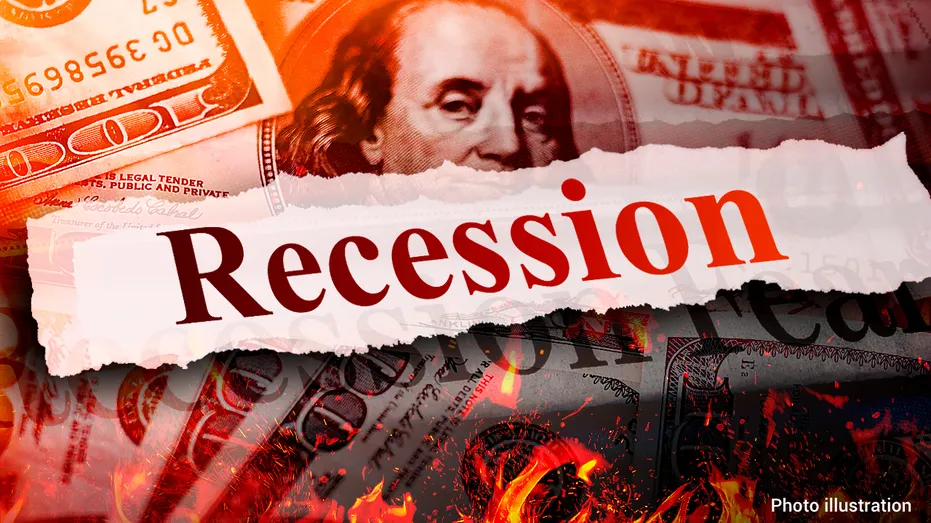
Is 2025 the Year of the Next Recession?

The economy moves in cycles, and every investor wants to know: Is 2025 the year we face the next recession? While headlines stir fear, the smart money is already positioning—not panicking.

Key Indicators to Watch

✅ Interest Rates & Inflation: The Federal Reserve’s decisions will determine liquidity and borrowing costs. A prolonged high-rate environment could slow growth, but an easing policy might signal recovery.

✅ Global Economic Shifts: Emerging markets, supply chain dynamics, and geopolitical events will play a major role in shaping financial stability.

✅ Investor Sentiment: Fear-driven markets often create buying opportunities for those who can think long-term.

What History Tells Us

Markets have always faced downturns, yet every past recession has led to new waves of innovation, wealth-building, and opportunity. The elite don’t react—they anticipate. They position themselves ahead of trends and capitalize when others hesitate.

The Future Isn’t Just About Survival—It’s About Strategy

Instead of fearing the downturn, learn how to navigate it. Understand market cycles, recognize undervalued assets, and leverage emerging financial opportunities.

🚀 Want real insights, not just media noise? Join FutureFinanceLab.com for expert analysis, investment strategies, and access to a community of forward-thinking investors. The game doesn’t stop—position yourself to win.

ECB president Christine Lagarde : How She’s Wrong About Bitcoin While Fiat Fails

Lagarde’s Dismissal of Bitcoin

European Central Bank (ECB) President Christine Lagarde has openly rejected the idea of Bitcoin entering central bank reserves, dismissing it as too volatile and lacking intrinsic value. She insists that Bitcoin will never play a role in official monetary policy, reinforcing the ECB’s commitment to traditional fiat currencies like the Euro.

However, history has shown that central authorities often fail to recognize disruptive financial innovations until they become too big to ignore. Lagarde’s stance is not only outdated but also a desperate attempt to maintain control over a failing fiat system.

Why Fiat Currencies Are Losing

The Euro and the U.S. Dollar are both facing significant declines in purchasing power due to reckless monetary policies. Governments and central banks continue to print excessive amounts of money, increasing debt burdens and fueling inflation. As a result, the value of these currencies is eroding, and people are searching for alternatives.

Inflation and Central Bank Failures

Inflation is steadily eroding savings and wages, making it harder for individuals to maintain their purchasing power. Central banks attempt to counteract inflation with interest rate hikes, but this often slows economic growth and leads to economic downturns. Despite these measures, the long-term trend remains clear: fiat currencies are losing value.

Bitcoin’s Victory Over Centralized Control

Unlike fiat currencies, Bitcoin operates outside the control of any government or central bank. It is decentralized, has a fixed supply of 21 million coins, and cannot be manipulated by inflationary policies.

Bitcoin as a Hedge Against Inflation

With more institutions and individuals turning to Bitcoin as a hedge against inflation, its adoption continues to grow. Major corporations are adding Bitcoin to their treasuries, ETFs are bringing Bitcoin into mainstream investment portfolios, and nations struggling with inflation are increasingly embracing Bitcoin as a store of value.

The Real Reason Central Banks Fear Bitcoin

Lagarde and other central bankers reject Bitcoin not because it lacks value but because it threatens their monopoly on money. If Bitcoin were to enter central bank reserves, it would signal the decline of government-controlled monetary policy. This is why central banks continue to push their own digital currencies (CBDCs) while dismissing Bitcoin’s superior financial properties.

The Inevitable Shift

As fiat currencies continue their downward spiral, Bitcoin’s role as a global financial alternative will only strengthen. The market is speaking louder than central bank rhetoric, and individuals are waking up to the reality that traditional money is failing them.

Lagarde can dismiss Bitcoin all she wants, but history will prove her wrong. The decentralized financial revolution is already here, and Bitcoin is leading the way.


Stay ahead of the financial revolution. Join Future Finance Lab for expert insights on Bitcoin, digital assets, and the evolving economy.

Why Did Markets and Bitcoin Dip? Is Inflation and High Interest Rates the Culprit?

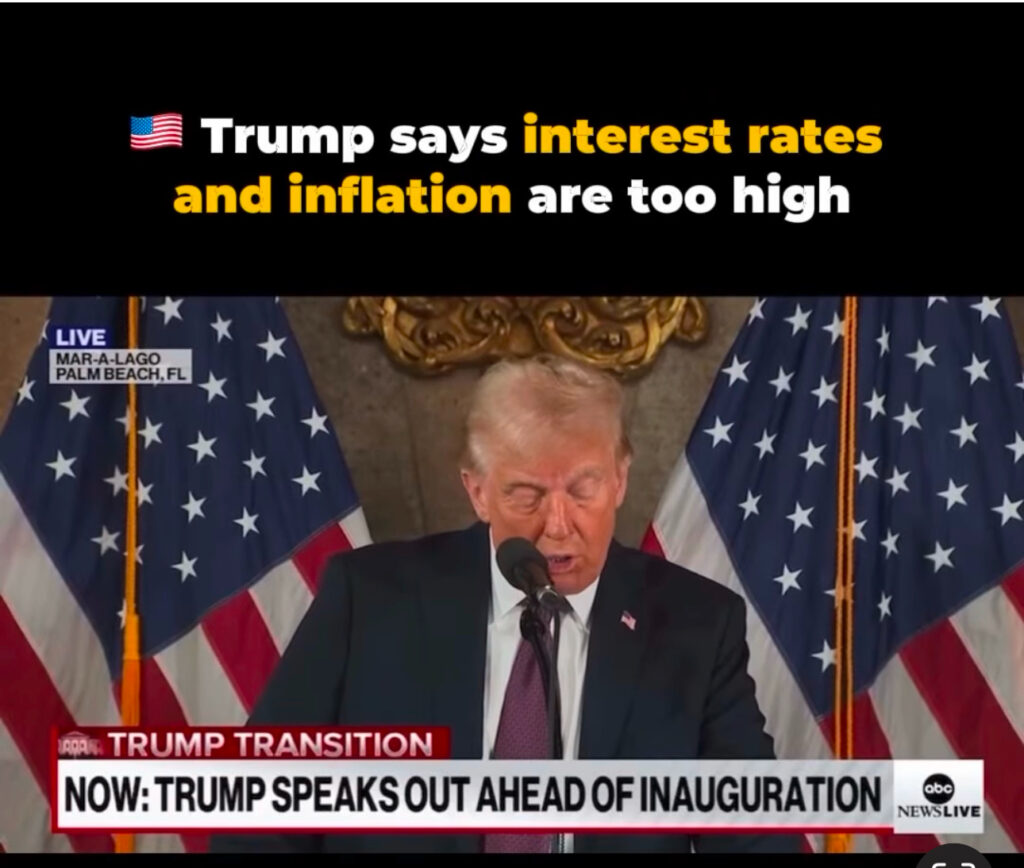
Recent dips in traditional markets and Bitcoin have sparked conversations, with many pointing to Donald Trump’s remarks on high interest rates and persistent inflation. Here’s what’s happening and what could be next.

What’s Behind the Market Dip?

1. High Interest Rates:

• The Federal Reserve’s stance of maintaining higher interest rates has created headwinds for both traditional and crypto markets. High rates make borrowing expensive, reduce liquidity, and pressure riskier assets like Bitcoin.

2. Inflation Concerns:

• Although inflation has cooled from its 2022 peaks, it remains above the Fed’s 2% target. Persistent inflation reduces purchasing power and leaves the Fed little room to lower rates aggressively.

3. Trump’s Comments:

• Former President Donald Trump called attention to high interest rates and inflation as major economic threats, echoing concerns shared by investors. His remarks may have heightened market jitters, fueling sell-offs.

4. Crypto-Specific Weakness:

• Bitcoin and cryptocurrencies are particularly sensitive to macroeconomic conditions. High interest rates reduce demand for speculative assets, and with fewer new buyers entering the market, prices have dipped.

What’s Next for Markets and Bitcoin?

1. Federal Reserve Decisions:

• Markets will closely watch the Fed’s actions in 2025. If inflation moderates, the Fed could cut rates, providing relief to both equities and crypto. However, a stubbornly high inflation rate might keep rates elevated, sustaining pressure on risk assets.

2. Earnings and Economic Data:

• Corporate earnings, unemployment figures, and inflation reports will shape market sentiment. Any signs of economic slowdown could trigger a pivot to more accommodative policies.

3. Bitcoin’s Long-Term Outlook:

• Despite near-term challenges, Bitcoin’s fundamentals remain strong. Adoption continues to grow, and the next halving event in 2024 is likely to tighten supply, which historically has supported price growth in the medium term.

What Can Investors Do?

1. Stay Diversified:

• Don’t put all your eggs in one basket. Spread your investments across traditional assets, crypto, and inflation-resistant sectors like commodities.

2. Monitor Economic Indicators:

• Keep an eye on inflation, GDP growth, and Fed policy announcements. These will set the tone for markets in 2025.

3. Focus on Fundamentals:

• For Bitcoin enthusiasts, price dips can present buying opportunities. If your conviction in crypto’s long-term potential remains strong, this could be a time to accumulate.

4. Be Patient:

• Volatility is normal in uncertain times. Avoid knee-jerk reactions and focus on your long-term investment strategy.

Conclusion

High interest rates and inflation are creating challenging conditions for both traditional and crypto markets. While short-term pain is evident, the long-term outlook for Bitcoin and equities remains cautiously optimistic, especially if inflation moderates and the Fed adjusts its policies. For now, staying informed and diversified is the best way forward.