The Debt Ceiling Explained: Is the U.S. Going Broke?

Every few months or years, the headlines scream:
“Debt Ceiling Crisis!”
“U.S. Could Default on Its Debt!”

It sounds scary—but what does it really mean? Is the U.S. actually going broke? Will your savings or investments disappear?

Let’s break it down in clear, practical terms—no financial jargon, just what matters to you.


🧱 What Is the Debt Ceiling?

The debt ceiling is the legal limit on how much money the U.S. government can borrow to pay its bills.

Yes, you read that right—the government borrows money, just like a person or business might. When it hits the limit, it can’t borrow more unless Congress votes to raise it.

This borrowing pays for things the government has already promised to spend money on—like Social Security, military salaries, Medicare, interest on the national debt, and more.

👉 Think of it like this:
You’ve already swiped your credit card for groceries and rent. But when the bill comes, your bank says, “Sorry, we’re freezing your limit unless your family votes to raise it.”


🕰️ Why Does This Keep Coming Up?

Because the U.S. spends more than it earns through taxes. That means it must borrow to make up the difference—and that borrowing adds up over time.

When the government reaches the debt ceiling, it legally can’t borrow more—even if the bills are due. This triggers a political standoff almost every time.


⚠️ What Happens If the U.S. Hits the Debt Ceiling?

If Congress doesn’t raise the limit in time, the U.S. could technically default—which means failing to pay interest on its debt or pay other obligations.

That’s never happened before. But if it did, here’s what could happen:

  • Stock markets could panic
  • Interest rates could spike
  • The U.S. credit rating could be downgraded
  • Federal benefits (Social Security, military pay) could be delayed

It’s serious—and that’s why even though politicians fight about it, they usually find a last-minute solution.


💸 Is the U.S. Going Broke?

Not exactly.

The U.S. controls its own currency (the U.S. dollar), and it can always technically “print” more money. So it can always pay back debts in dollars.

But doing that recklessly could cause inflation or reduce trust in the dollar. So while the U.S. can’t run out of dollars, it can damage its financial reputation—which could hurt everyone.


📊 What It Means for You

If You’re an Investor:

  • Debt ceiling drama usually causes short-term volatility.
  • Stocks may drop during the debate—but recover fast after a deal is reached.
  • Bonds may fluctuate, especially U.S. Treasuries.

If You Have a Loan or Plan to Get One:

  • Interest rates may rise if markets lose confidence in U.S. debt.
  • That means higher mortgage, credit card, or car loan costs.

If You Rely on Government Benefits:

  • In an actual default (unlikely), checks could be delayed.
  • This includes Social Security, Medicare reimbursements, and federal salaries.

🔎 Real-Life Example: 2011 Debt Ceiling Crisis

In 2011, Congress nearly failed to raise the ceiling in time.

  • The U.S. credit rating was downgraded for the first time in history.
  • The stock market dropped sharply (S&P 500 fell nearly 17% in weeks).
  • Interest rates spiked temporarily—affecting mortgage and loan costs.

But after a deal was reached, the markets recovered. The scare was real—but it didn’t last.


✅ The Takeaway

The debt ceiling debate is more political than practical—but it has real consequences if it drags on.

You don’t need to panic, but you should pay attention. Here’s what to do:

💡 What You Can Do:

  1. Stay invested long-term—don’t react emotionally to political drama.
  2. Keep an emergency fund in case federal payments are delayed.
  3. Watch interest rate trends if you’re shopping for a mortgage or car loan.
  4. Understand the headlines—but don’t let fear drive your financial choices.

🧠 Final Thought

The U.S. isn’t broke—but political gridlock can cause real ripple effects across the economy. The more you understand how the system works, the better decisions you can make with your money.

At FutureFinanceLab.com, we simplify what really matters—so you can invest smart, spend wisely, and plan with confidence.
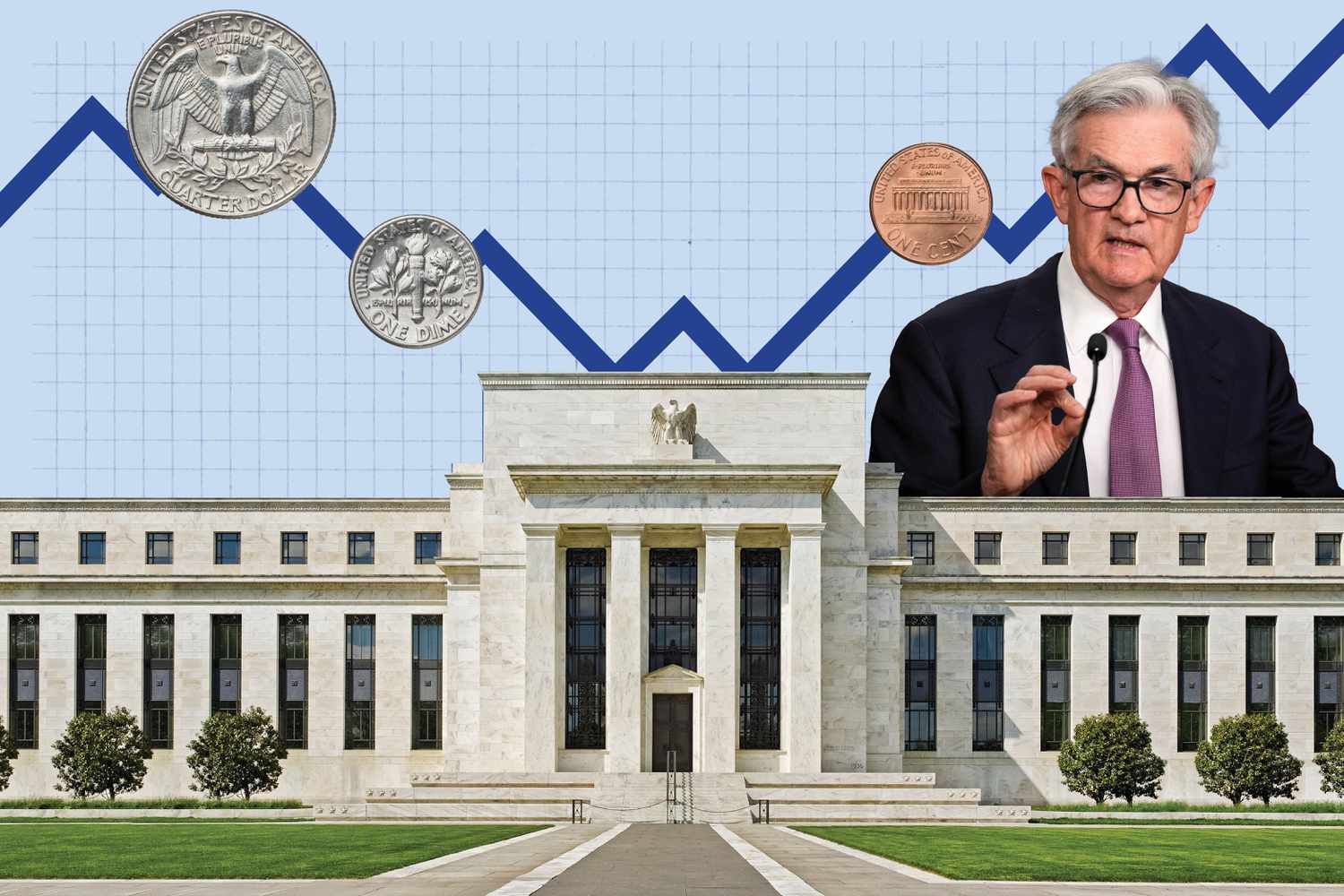
What Do Fed Meetings Really Mean for You?

Behind the Headlines of Rate Hikes and Cuts

Every few months, the news lights up with headlines like:
“Fed Hikes Interest Rates by 0.25%” or “Fed Signals Pause in Rate Cuts.”
But what does that actually mean—for your wallet, your investments, or your plans to buy a house or car?

Let’s break it all down in simple language, with real-life examples.

What Is the Fed?


🔍 First Things First: What Is the Fed?

The Federal Reserve (aka “the Fed”) is the central bank of the United States. Its job is to keep inflation under control, support employment, and maintain a stable financial system. One of its most powerful tools? Interest rates.

The Fed sets something called the federal funds rate—which is the interest rate banks charge each other to borrow money overnight. This rate trickles down and affects everything from your credit card interest to mortgage rates to stock prices.


📈 When the Fed Raises Rates (Rate Hike)

When the Fed raises rates, borrowing becomes more expensive.

  • Credit cards cost more.
  • Car loans and mortgages get pricier.
  • Business loans are harder to get.

Why do they do this? Usually to cool down inflation. If prices are rising too fast (like gas, groceries, rent), higher rates slow things down. Less borrowing = less spending = lower inflation.

💡 What It Means for You:

  • Stock Market: Stocks often go down short-term. Higher rates mean companies borrow less, spend less, and might grow more slowly.
  • Planning to Buy a House or Car? Loans get more expensive. Your monthly payment goes up.
  • Have Credit Card Debt? You’ll likely pay more in interest.
  • Savings Account? Good news—banks might offer higher returns on your savings.

📉 When the Fed Lowers Rates (Rate Cut)

When the Fed cuts rates, it’s trying to stimulate the economy.

  • Borrowing becomes cheaper.
  • People and businesses are encouraged to spend more.
  • The goal? To boost growth—especially during slowdowns or recessions.

💡 What It Means for You:

  • Stock Market: Stocks usually go up. Cheap money often leads to higher profits and more investment.
  • Planning to Buy a House or Car? Lower interest rates mean smaller monthly payments.
  • Have Credit Card Debt? You might pay less in interest—but not by much. Credit card rates don’t fall as fast.
  • Savings Account? Your bank might lower your interest rate.

🏦 Real-Life Example:

Imagine You’re Buying a House

  • With high interest rates (7% mortgage): A $400,000 loan = ~$2,660/month
  • With low interest rates (4% mortgage): That same loan = ~$1,910/month

That’s $750 more every month, just because of interest rates!


📊 What About Investors?

If you’re investing in the stock market—or thinking about it—Fed decisions are like ripples in a pond.

  • Tech and growth stocks get hit harder when rates rise, because future profits are worth less today.
  • Banks and value stocks often benefit when rates rise, due to better loan margins.
  • Real estate stocks (REITs) may suffer when borrowing is more expensive.

Long-term investors don’t need to panic every time the Fed moves. But it helps to understand how policy shapes the financial climate.


🧠 The Takeaway: Think Like a Financial Weather Forecaster

  • Rate Hikes = Cooling Down (slow the economy)
  • Rate Cuts = Heating Up (stimulate growth)

These are not just Wall Street terms—they affect your mortgage, your credit card, your investments, and even your job prospects.


✅ Actionable Tips for You

  1. Buying a home soon? Shop for the best rate—but know it could rise after a Fed meeting.
  2. Investing? Don’t chase short-term moves. Think long-term, but stay informed.
  3. Carrying debt? Consider paying off high-interest credit cards before rates rise again.
  4. Savings? Compare interest rates on high-yield accounts when rates are rising.

Final Thoughts: Why It Matters

Fed decisions may sound like boring economic news, but they’re actually power moves that shape your financial life. The more you understand what’s going on behind the headlines, the more confidently you can make smart money moves.

Next time you hear, “The Fed just raised rates,” don’t just scroll past it—know exactly what it means for you.


📚 Want to Learn More?

Check out our beginner-friendly articles and video explainers at FutureFinanceLab.com. We’re breaking down finance, one simple concept at a time.

You Will Own Nothing and Be… Controlled? The Truth About Ownership, Wealth, and the Future of Finance

“You will own nothing and be happy.”
This phrase, popularized by futurists and institutions like the World Economic Forum, reflects a growing trend in today’s digital economy: convenience over ownership. On the surface, it seems harmless. After all, subscription services, shared economies, and platform-based access models are efficient, flexible, and easy to use.

But behind the convenience lies a more serious concern. If you do not own anything, you are not building wealth. You are helping someone else build theirs.

The Subscription Economy: Access Without Value

Modern life is increasingly defined by subscriptions. We rent homes, lease cars, stream content, and pay monthly for software, groceries, even clothing. At first, it feels like freedom. You are not tied down, you are always up-to-date, and you can cancel anytime.

But the more you rely on temporary access, the less you build long-term value. You are paying for use, not ownership. And the money you spend is funding the assets and wealth of those who own the systems you rely on.

Access is not ownership. It is consumption.

Why Ownership Still Matters

Real wealth is not built by spending money. It is built by owning things that either grow in value or generate income. This is not a new idea. It is the foundation of financial independence.

Consider the alternatives:

  • Owning a home means building equity, not just paying rent
  • Owning a stock means benefiting from company profits
  • Owning a business means creating recurring revenue
  • Owning intellectual property means earning from your ideas
  • Owning digital assets like Bitcoin means controlling your financial future

When you own, your money works for you. When you rent, you are working for someone else’s asset base.

Bitcoin and Digital Property Rights

Bitcoin offers a unique kind of ownership in the digital age. It is not a subscription, and it does not rely on intermediaries or platform permissions. When you hold Bitcoin in a self-custodied wallet, it is fully yours. It cannot be inflated, frozen, or devalued by third parties.

Bitcoin represents a form of digital property that is scarce, portable, and global. Unlike a song on a streaming service or a social media post that can be removed, Bitcoin is not permissioned access. It is ownership.

And ownership is power.

The Cost of Owning Nothing

Renting everything might feel modern, but it creates long-term dependence. You are always one price increase, one policy change, or one service outage away from disruption. You are not in control of the tools, the platforms, or even your money.

When you own nothing, you are always paying. And when you are always paying, you are always serving someone else’s goals, not your own.

Build, Don’t Just Subscribe

If you want financial security, you need to start owning. That does not mean rejecting all subscriptions or conveniences, but it does mean thinking critically about where your money goes.

Start by investing in:

  • Assets that appreciate
  • Businesses you can control
  • Digital property with long-term value
  • Skills and knowledge that compound
  • Platforms and tools that you own, not just use

Conclusion

Ownership is not outdated. It is more important than ever. In a world that encourages endless renting and constant consumption, those who choose to own will be the ones who create freedom, flexibility, and wealth.

You do not need to own everything. But you must own something.

Because without ownership, there is no leverage. And without leverage, there is no financial freedom.

2025 Personal Finance Resolutions: A Blueprint for Financial Growth

As we welcome 2025, it’s the perfect time to set meaningful financial goals that align with your vision for a secure and prosperous future. At Future Finance Lab, we believe every financial decision can lead to lasting change when paired with clear goals and consistent action.

1. Master the Art of Budgeting

A well-planned budget isn’t about restriction—it’s about financial clarity. In 2025, commit to tracking your income and expenses, identifying unnecessary spending, and allocating funds for savings and investments.

2. Prioritize an Emergency Fund

Financial stability starts with preparation. Build an emergency fund with at least three to six months’ worth of living expenses to handle unexpected financial surprises without derailing your goals.

3. Start Investing Early and Consistently

The earlier you invest, the greater the potential for growth. Whether through stocks, index funds, or real estate, make investing a habit—even if it’s small amounts regularly.

4. Tackle High-Interest Debt

Debt can be a significant barrier to financial freedom. In 2025, focus on paying off high-interest debt using strategies like the snowball or avalanche method to reduce financial strain.

5. Upgrade Your Financial Knowledge

Knowledge drives smarter decisions. Spend time reading financial articles, watching tutorials, or exploring the educational resources on FutureFinanceLab.com.

6. Set SMART Financial Goals

Ensure your goals are Specific, Measurable, Achievable, Relevant, and Time-bound. Whether it’s saving for a vacation, a home, or retirement, clarity drives action.

7. Diversify Income Streams

Don’t rely on a single income source. Explore side hustles, freelance opportunities, or passive income investments to build financial resilience.

8. Adopt a Long-Term Mindset

Wealth isn’t built overnight. Focus on consistent actions, delayed gratification, and long-term strategies rather than chasing quick wins.

9. Automate Your Savings and Investments

Set up automatic transfers to your savings and investment accounts. This removes the temptation to spend and ensures consistency.

10. Stay Adaptable and Review Quarterly

Financial plans should evolve with your life. Review your financial progress every quarter and adjust your strategy as needed.

Final Thoughts

2025 is not just another year; it’s an opportunity to build a financial foundation that supports your dreams. At Future Finance Lab, we’re here to guide you every step of the way with insights, tools, and strategies tailored to your goals.

Take the first step today, and let’s make 2025 your most financially empowering year yet.

Personal Finance Strategies: Build Wealth and Achieve Financial Freedom


Introduction to Personal Finance

Welcome to Personal Finance Strategies!
Achieving financial freedom is a journey that starts with understanding how to manage your money wisely. Whether you’re saving for retirement, buying a home, or simply trying to reduce debt, personal finance strategies can help you reach your financial goals.

This e-book will guide you through key strategies to build wealth and achieve financial independence, so you can live the life you’ve always dreamed of.


Key Personal Finance Strategies

1. Create a Budget

The foundation of financial freedom starts with a budget. A budget helps you track your income and expenses, ensuring that you spend within your means.

How to create a budget:

  • List all your sources of income (salary, side business, etc.).
  • Write down all your expenses (rent, utilities, groceries, etc.).
  • Subtract your expenses from your income to see if you’re living within your means.
  • Adjust as necessary, cutting out non-essential expenses and saving more.

2. Build an Emergency Fund

Life is unpredictable, and having an emergency fund can prevent you from falling into debt when unexpected expenses arise. Aim to save at least 3-6 months’ worth of living expenses in a separate, easily accessible account.

How to build an emergency fund:

  • Start small – even $500 can be a good beginning.
  • Set aside a portion of your monthly income (automate transfers if possible).
  • Keep it for emergencies only, such as medical bills or car repairs.

3. Eliminate Debt

High-interest debt, such as credit card debt, can hold you back from building wealth. Focus on paying it off as quickly as possible.

How to eliminate debt:

  • List all your debts from highest to lowest interest rate.
  • Pay off the highest interest debt first, while making minimum payments on others (the “debt avalanche” method).
  • Consider consolidating or refinancing options if they offer lower interest rates.

4. Save and Invest for the Future

To build long-term wealth, saving isn’t enough – you need to invest. This is where compound interest works in your favor.

How to start investing:

  • Begin with retirement accounts like a 401(k) or IRA, which offer tax advantages.
  • Diversify your investments by investing in stocks, bonds, and mutual funds.
  • Start small, but be consistent. Even modest monthly contributions can grow significantly over time.

Page 3: Building Wealth & Achieving Financial Freedom

5. Set Financial Goals

Setting clear, achievable financial goals gives you direction and motivation. Whether it’s buying a house, traveling, or saving for retirement, having a goal helps you stay focused and disciplined.

How to set financial goals:

  • Make your goals specific (e.g., “Save $5,000 for an emergency fund” rather than “Save money”).
  • Break your goals into smaller, actionable steps.
  • Track your progress and adjust as needed.

6. Automate Your Savings and Investments

To make wealth-building easier, automate your savings and investments. Set up automatic transfers to your savings accounts and investment portfolios to ensure consistent progress without effort.

How to automate your finances:

  • Set up automatic payroll deductions for retirement savings.
  • Automate transfers to your savings and investment accounts each month.
  • Use tools like employer-sponsored retirement plans or apps to simplify the process.

7. Protect Your Wealth with Insurance

Insurance helps protect you and your loved ones against unforeseen financial setbacks. Life, health, and property insurance can help prevent financial hardship during difficult times.

How to protect your wealth:

  • Review your insurance policies to ensure they cover important areas (health, home, auto, life).
  • Adjust your coverage as life circumstances change (e.g., marriage, having children, buying a house).

Conclusion:

Building wealth and achieving financial freedom is a process, but with discipline and the right strategies, you can get there. Start small, stay consistent, and always be mindful of your financial goals. As you grow, you’ll gain more confidence in managing your finances and achieving the freedom you desire.

To continue your financial journey, join our community at futurefinancelab.com, where you can access exclusive content, resources, and insights to stay ahead in your financial pursuits.