BlackRock and BNY Mellon Tokenize $150B Treasury Fund: A Major Leap Toward Blockchain Integration

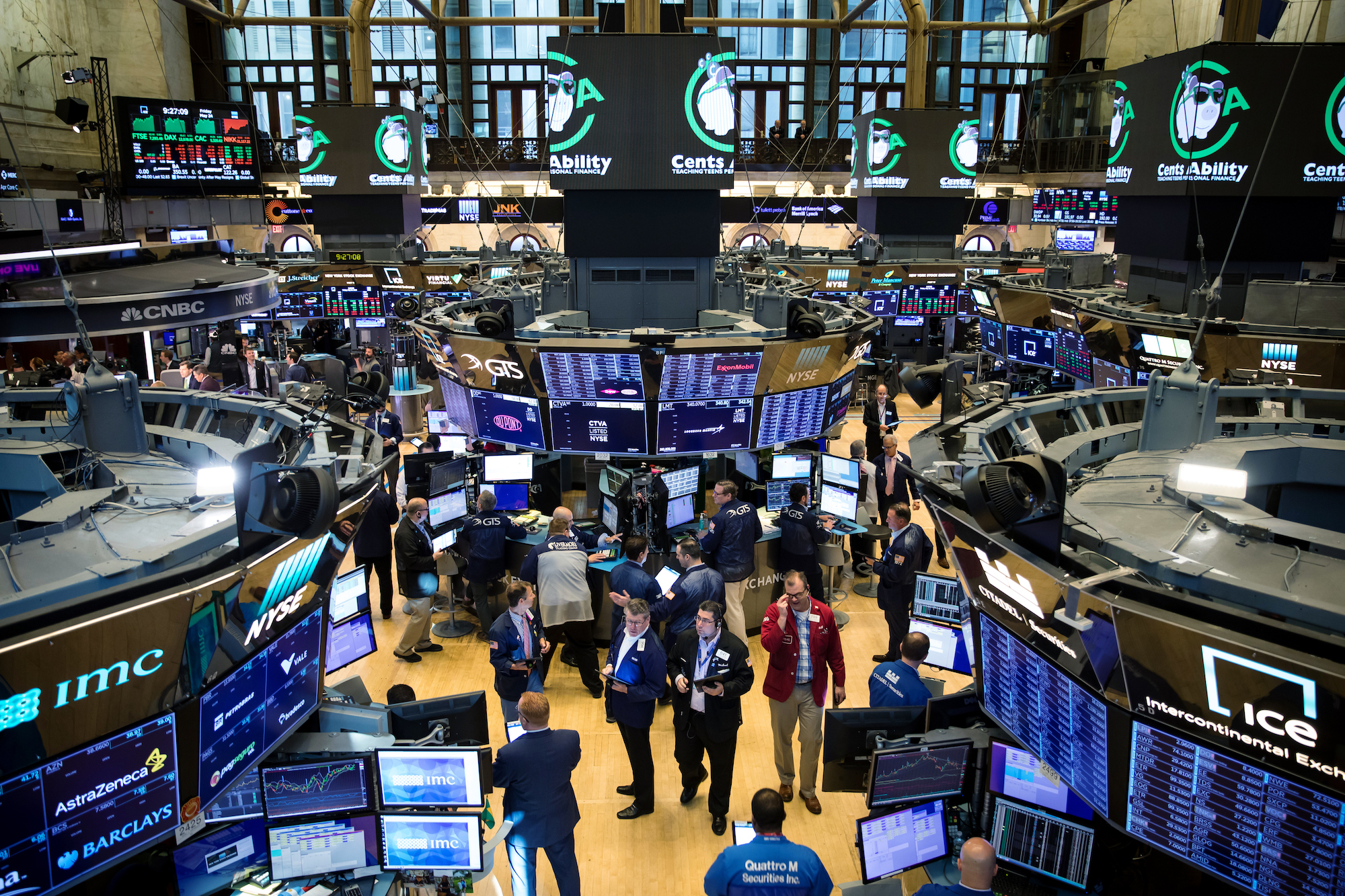
In a groundbreaking move that signals the rapid evolution of traditional finance, BlackRock and BNY Mellon have announced a partnership to tokenize shares of a $150 billion government money market fund. This represents one of the largest efforts to bring real-world assets (RWAs) into the world of blockchain, showcasing the increasing role of digital technologies in transforming financial markets.

What Does This Mean?

BlackRock’s massive institutional trust fund, which holds short-term U.S. Treasuries, is now set to be tokenized with BNY Mellon providing the infrastructure. This means that shares in the fund will be represented as digital tokens, enabling faster transactions, improved liquidity, and enhanced transparency.

Though the SEC filing does not specify which blockchain will be used, given BlackRock’s past engagements with Ethereum, it’s reasonable to assume that major public blockchains may be part of the picture. However, more enterprise-focused blockchains like Hedera (HBAR), known for its low transaction costs and high throughput, are also strong contenders for tokenization efforts like this. Additionally, XRP—with its proven focus on cross-border payments and speed—could play an important role in facilitating tokenized assets in global financial markets.


Why Tokenize Treasuries?

The tokenization of a $150 billion treasury fund could revolutionize the way the market operates by:

  • Enabling faster settlements with blockchain’s near-instant transaction speeds.
  • Improving liquidity, allowing investors to trade tokenized assets globally and without the traditional market hours restrictions.
  • Enhancing transparency by allowing every transaction to be recorded on an immutable ledger.
  • Making fractional ownership possible, allowing smaller investors to gain exposure to Treasuries with smaller investments.

This is more than just about technological innovation—it’s about creating a more efficient and accessible financial ecosystem.


Bitcoin, HBAR, XRP, and the Broader Digital Asset Ecosystem

As traditional finance continues to integrate blockchain, digital assets like BitcoinHBAR, and XRP are becoming increasingly important. Bitcoin remains the flagship digital asset—often compared to gold in the digital age—offering monetary sovereignty as global economies continue to shift.

HBAR, with its enterprise-grade scalability, and XRP, with its lightning-fast cross-border payment capabilities, are both positioned to be critical players in the tokenized finance world. For tokenizing Treasuries and similar assets, HBAR’s low-cost, high-speed blockchain makes it an attractive option for enterprise adoption, while XRP’s liquidity and settlement capabilities can facilitate efficient transfers across borders.

Together, these digital assets, alongside blockchain technology, are reshaping the landscape of global finance, offering institutions and investors a more transparent, efficient, and connected way to trade and settle assets.


The Strategic Implications for Investors

For investors, this shift is a clear signal that blockchain technology is no longer just a niche for cryptocurrencies—it’s becoming a fundamental part of the infrastructure supporting major financial markets. The move to tokenize Treasuries and other traditional assets brings blockchain’s speed, security, and transparency to the heart of institutional finance.

This is just the beginning. Tokenization will likely open the doors to a wide range of new investment opportunities, including the ability to easily trade fractionalized assets, and offers better access to global liquidity.

Moreover, this trend paves the way for more digital assets—like BitcoinHBAR, and XRP—to play an integral role in mainstream financial systems, potentially reshaping how assets are stored, traded, and valued.


Stay ahead of the curve with more insights at FutureFinanceLab.com, your source for the latest in finance, blockchain, and digital assets.
How Tokenized Stocks & Bonds Are Reshaping Finance

The financial world is changing fast, and one of the biggest innovations is the rise of tokenized stocks and bonds. But what does this mean, and why should investors care? Let’s break it down in simple terms.

What Are Tokenized Stocks & Bonds?

Tokenization is the process of turning real-world assets—like stocks and bonds—into digital tokens on a blockchain. Each token represents ownership of a fraction of the asset, making it easier to trade and access.

Key Benefits of Tokenization:

  • 24/7 Trading: Unlike traditional markets, tokenized assets can be traded anytime, anywhere.
  • Lower Costs: Cutting out middlemen reduces fees and transaction costs.
  • Greater Access: Investors can buy small fractions of assets, making them more affordable.
  • Instant Settlements: Blockchain eliminates long settlement times, speeding up transactions.
  • Transparency & Security: Blockchain ensures ownership records are clear and secure.

How Tokenized Stocks Work

Instead of buying shares through a broker, investors can purchase digital tokens that represent stock ownership. These tokens are stored on a blockchain and can be traded instantly with minimal fees.

Example:

Imagine a stock like Apple (AAPL) is tokenized. Instead of needing to buy a full share, you could buy a fraction of an Apple stock using tokens. This makes investing in top stocks more accessible to everyone.

How Tokenized Bonds Work

Bonds are typically slow-moving investments with complex processes. Tokenized bonds solve these problems by making them easier to buy, sell, and trade on blockchain platforms. They also offer faster payouts for interest earnings.

Example:

A company issuing a tokenized corporate bond could allow investors to buy small portions of it, making bonds more liquid and accessible to a wider audience.

The Future of Tokenized Finance

Tokenized stocks and bonds are still in their early stages, but they are already reshaping traditional finance. More companies and governments are exploring tokenization as a way to make financial markets more efficient and inclusive.

Final Thoughts

Tokenized assets bring more freedom, speed, and accessibility to investing. As the financial world shifts toward blockchain technology, we may soon see a world where owning and trading assets is as easy as sending an email.

Want to stay ahead of the curve? Join FutureFinanceLab.com for expert insights on blockchain, investing, and financial innovation!

Summary of the Report: Digital Assets and the U.S. Treasury Market

This report explores the relationship between digital assets (like Bitcoin and stablecoins) and the U.S. Treasury market, focusing on growth trends, blockchain applications, and tokenization’s potential benefits and challenges.

Key Points:

1. Digital Asset Growth:

• The market for digital assets has grown substantially:

• Total crypto market cap rose from $7 billion in 2015 to $2.385 trillion in 2024.

• Bitcoin’s market cap reached $1.364 trillion in 2024, emphasizing its role as “digital gold” in decentralized finance (DeFi).

• Despite this growth, the digital asset market is still small compared to traditional assets like U.S. Treasuries or equities.

2. Stablecoins’ Role:

• Stablecoins have emerged as critical tools in crypto transactions, with 80% of all crypto trades involving a stablecoin.

• They are increasingly backed by U.S. Treasuries, with $120 billion in stablecoin collateral invested in Treasury-backed assets.

• Regulatory oversight will determine stablecoins’ long-term role in financial markets.

3. Blockchain and Tokenization in Treasury Markets:

Tokenization enables the digital representation of assets (e.g., U.S. Treasuries) on blockchain platforms, offering:

• Atomic settlement (instant and simultaneous transactions).

• Smart contract automation for collateral management.

• Fractional ownership, increasing accessibility for smaller investors.

• Current projects include BlackRock’s tokenized Treasury funds and JPMorgan’s blockchain-based repo platform.

4. Potential Benefits of Tokenization:

• Improved settlement speed and reliability.

• Enhanced transparency and accountability in the Treasury market.

• Greater global accessibility for retail and institutional investors.

5. Challenges and Risks:

Technological Risks: High transition costs and potential cybersecurity vulnerabilities.

Operational Risks: Custody and counterparty risks in digital asset ecosystems.

Market Risks: Increased leverage and potential liquidity mismatches in tokenized markets.

Regulatory Challenges: Legal uncertainty and the need for international coordination.

6. Stablecoins and Financial Stability:

• Unregulated stablecoins pose risks of “runs,” where rapid liquidations could destabilize Treasury markets.

• Lessons from historical financial crises suggest stablecoins will require regulation similar to money market funds or banks.

Conclusion:

• While digital assets have introduced new demand for Treasuries and improved financial technologies, they are not yet significant drivers of Treasury market dynamics.

• Future adoption of tokenized Treasuries depends on regulatory clarity, infrastructure development, and integration with existing systems.

• A cautious approach, led by central authorities and aligned with private-sector innovations, is recommended.

For more insights into the evolving intersection of digital assets and traditional markets, visit FutureFinanceLab.com!