America’s Wealth Gap: Why It Matters and What We Can Do

The Growing Divide

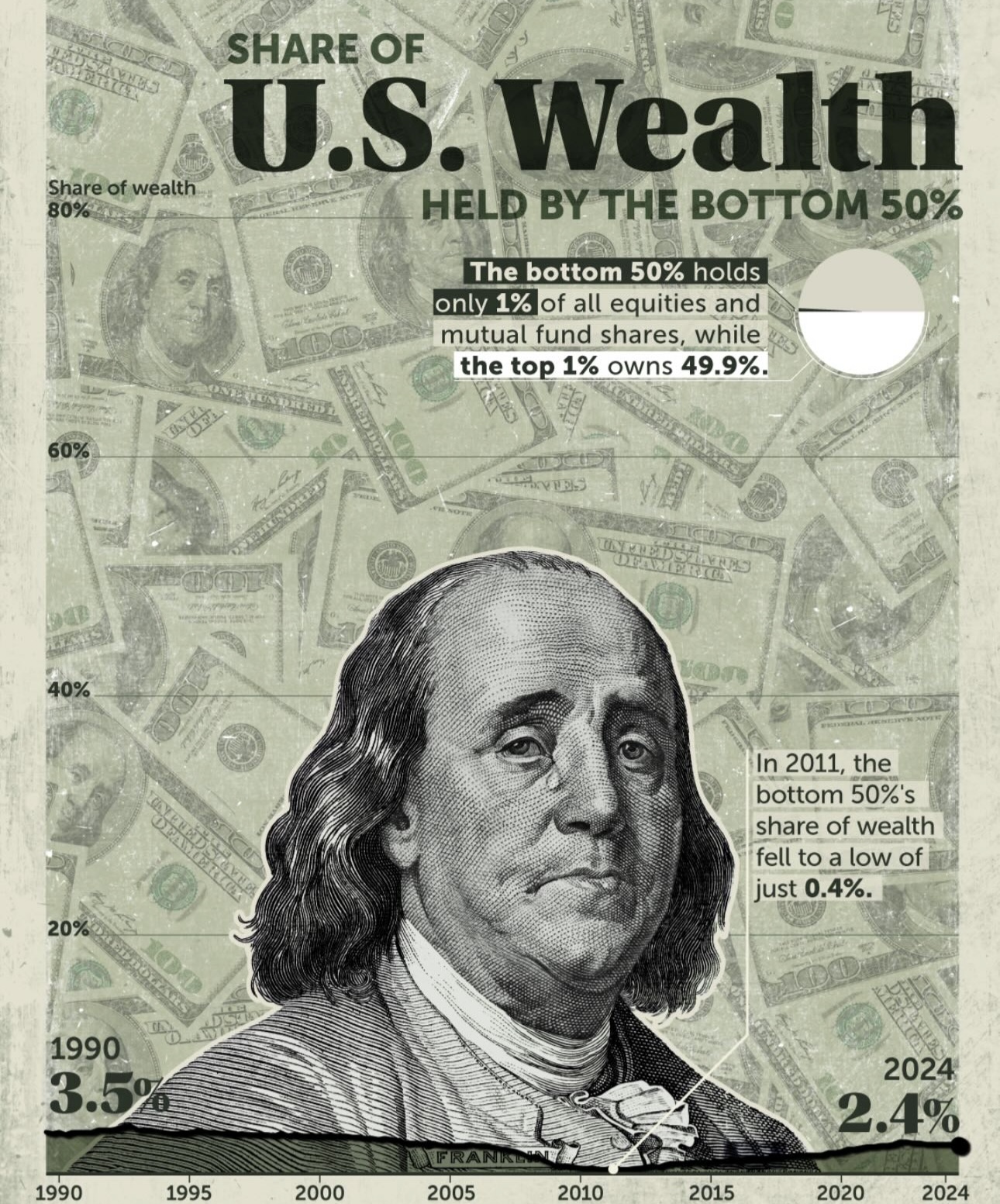
The U.S. economy is growing, but not everyone is benefiting equally. Today, the bottom 50% of Americans own just 2.4% of the country’s wealth, while the top 1% controls nearly 50%. This gap has been widening for decades, making it harder for everyday people to build financial security.

Why Is This Happening?

Several key factors are driving wealth inequality:

Stock Market Gains Favor the Wealthy: The rich own most stocks, while the bottom 50% hold just 1% of all equities and mutual funds. Since stocks grow in value over time, the wealthy keep getting richer.

Wages Aren’t Keeping Up: While living costs like housing and healthcare keep rising, wages for most workers have stayed the same or grown very slowly.

Lack of Investment Opportunities: Many lower-income individuals don’t have enough savings or knowledge to invest, missing out on long-term wealth-building.

What Can We Do?

To close the wealth gap, we need to:

1. Improve Financial Education :Teaching people how to invest and save wisely.

2. Make Investing More Accessible :Encouraging apps and programs that help everyday people invest in stocks and assets.

3. Support Fairer Economic Policies :Tax reforms and wage policies that help lower-income workers build wealth.

The Future of Wealth

If we don’t address this gap, financial inequality will continue to grow, making it harder for future generations to succeed. By promoting smart financial habits, accessible investing, and fair policies, we can work toward a more balanced and inclusive economy.

At FutureFinanceLab, we believe financial knowledge is power. Stay informed, start investing, and take control of your financial future!

Why Elites Like Bill Gates and Warren Buffett Dismiss Bitcoin — And How It Shifts Wealth to the People

Introduction

Bitcoin has been a disruptive force in the financial world since its creation in 2009. Yet, many of the world’s wealthiest elites — such as Bill Gates and Warren Buffett — have been vocal critics of Bitcoin. Their skepticism isn’t just personal opinion; it’s deeply tied to their interests in the traditional financial system. Buffett, for instance, has extensive holdings in banks and financial institutions, which stand to lose power as Bitcoin grows. Meanwhile, Gates, despite his advocacy for financial inclusion, has dismissed Bitcoin as speculative and environmentally damaging.

But why are these influential figures so opposed to Bitcoin? The answer lies in how Bitcoin threatens the existing financial order — shifting wealth, power, and financial services away from centralized institutions and into the hands of ordinary people.

Bitcoin Challenges Traditional Power Structures

1. The Threat to Banks and Centralized Finance

Bitcoin operates on a decentralized network, meaning no central authority (such as a government or bank) controls it. This is a direct challenge to the traditional banking system, which relies on customers depositing their money in banks, allowing these institutions to generate profits through loans, fees, and investments.

Warren Buffett’s empire, Berkshire Hathaway, owns significant stakes in financial giants like Bank of America, Wells Fargo, and American Express. If Bitcoin adoption grows, fewer people will rely on banks for savings, transactions, and wealth storage, potentially devaluing Buffett’s holdings.

2. Financial Freedom vs. Control

Elites and governments favor controlled financial systems where transactions can be monitored, taxed, and restricted. Bitcoin, on the other hand, is permissionless — anyone can use it without needing approval from a bank or government. This makes it an attractive alternative for people living under oppressive regimes, those without access to banking, and anyone who values financial sovereignty.

3. Inflation and Wealth Transfer

One of the most critical aspects of Bitcoin is its fixed supply of 21 million coins. Unlike fiat currencies, which can be endlessly printed by central banks (leading to inflation and the erosion of purchasing power), Bitcoin offers a hedge against inflation.

Wealthy elites often benefit from inflation because they own appreciating assets like stocks and real estate, while the average person sees their savings lose value over time. Bitcoin changes this dynamic by giving individuals a way to store value outside of the traditional financial system.

How Bitcoin Helps Shift Wealth to the People

Bitcoin is not just a speculative asset — it is a tool for financial empowerment. Here’s how:

1. Banking the Unbanked

Over a billion people worldwide lack access to traditional banking services. Bitcoin provides them with a way to save, send, and receive money without needing a bank account. All that’s required is a smartphone and internet access. This is particularly powerful in countries with unstable currencies and corrupt banking systems.

2. Low-Cost, Borderless Transactions

Traditional financial institutions charge hefty fees for international remittances and transactions. Bitcoin allows people to send money across borders almost instantly and at a fraction of the cost. This is a game-changer for migrant workers who send billions of dollars home every year, as well as businesses operating in global markets.

3. Protection Against Government Overreach

Governments and central banks have a history of freezing bank accounts, confiscating funds, and imposing capital controls during times of economic crisis. Bitcoin gives people a way to store their wealth in a secure, censorship-resistant form, free from government interference.

4. Wealth Creation Through Decentralized Finance (DeFi)

Bitcoin is at the heart of a growing financial ecosystem that includes decentralized finance (DeFi). This new movement allows people to earn interest, take out loans, and trade assets without relying on traditional banks. By removing middlemen, DeFi puts more wealth-generating opportunities directly into the hands of individuals.

Why the Elites Try to Ignore or Dismiss Bitcoin

Despite its benefits, Bitcoin is constantly under attack by mainstream financial elites. Here’s why:

• They fear losing control — Bitcoin operates outside the control of governments and central banks, making it harder for elites to manipulate financial systems for their own benefit.

• They benefit from the status quo — Wealthy investors and business leaders have built their fortunes within the current system. A decentralized alternative threatens their privileged positions.

• They misunderstand the technology — Many critics, including Warren Buffett, have admitted they don’t fully understand Bitcoin. Buffett famously called it “rat poison squared,” despite Bitcoin’s growing adoption and success.

Conclusion

Bitcoin represents a financial revolution — one that shifts power from centralized institutions to the people. While billionaires like Bill Gates and Warren Buffett dismiss it, millions of ordinary people worldwide are using Bitcoin to gain financial freedom, escape inflation, and access banking services for the first time.

As Bitcoin adoption grows, it will continue to challenge the traditional financial system, empowering individuals in ways that were previously unimaginable. The future of money is decentralized, and those who embrace it stand to benefit the most.

The Wealthy Mindset: Shifting from Spending to Investing

Building wealth isn’t just about earning more money—it’s about how you think about and use the money you already have. At its core, the wealthy mindset isn’t defined by the size of your paycheck but by your approach to financial decisions. The key shift? Moving from a spending-focused mindset to an investing-focused one.

Understanding the Difference: Spending vs. Investing

Spending is transactional. You exchange money for goods or services, and once the transaction is complete, the money is gone. Investing, on the other hand, is strategic. It involves putting money into assets or opportunities with the expectation of generating future returns.

For example:

  • Spending: Buying the latest smartphone or a luxury car.
  • Investing: Purchasing stocks, real estate, or starting a side business.
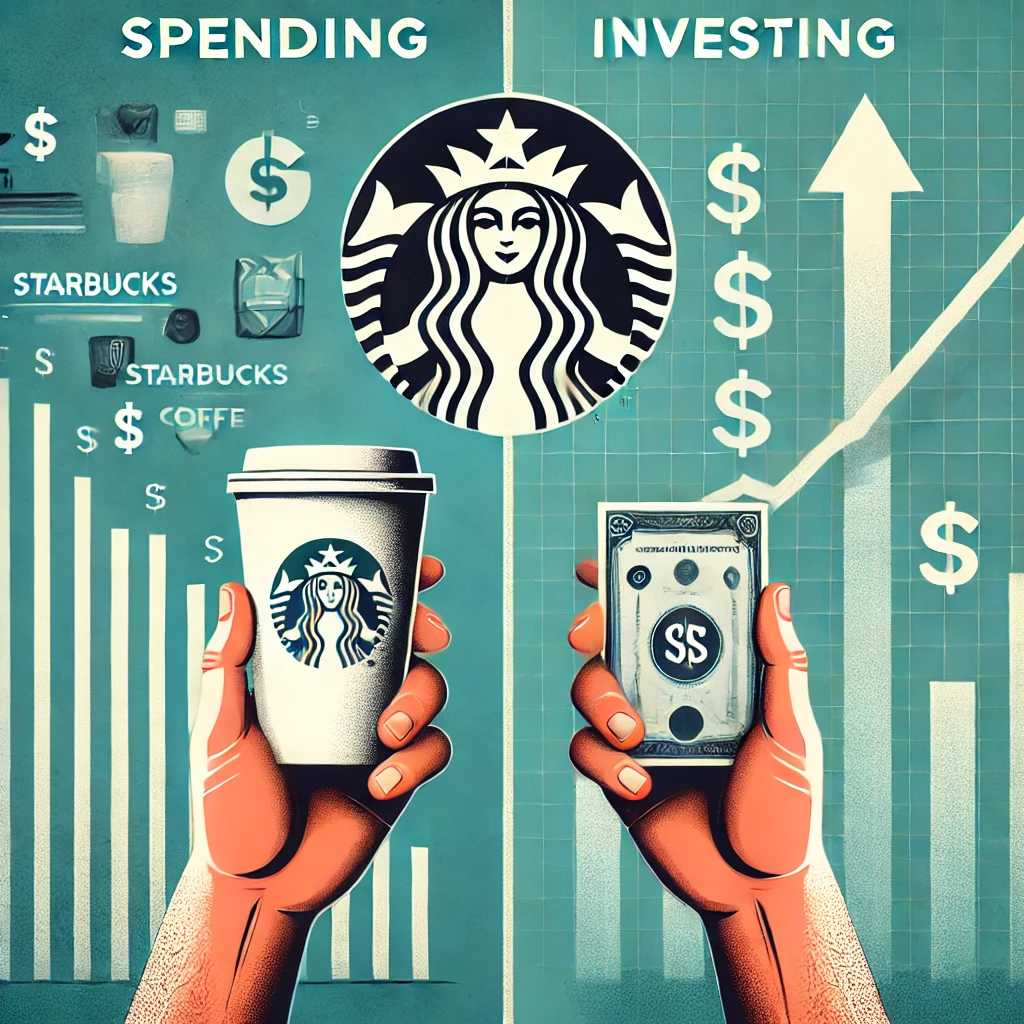
  • Real-Life Example: Instead of spending $5 every day on a Starbucks coffee, you could invest that $5 into Starbucks stock. Over time, the stock could grow in value, provide dividends, and potentially yield far greater returns than the short-term pleasure of a daily coffee.

While spending satisfies immediate desires, investing builds long-term financial stability and wealth.

The Mindset Shift

To cultivate a wealthy mindset, you must view money as a tool for growth, not just consumption. Here are key principles to adopt:

  1. Focus on Assets, Not Liabilities: Prioritize purchases that appreciate in value or generate income.
  2. Delayed Gratification: Resist impulse spending and prioritize long-term financial goals.
  3. Continuous Learning: Stay informed about financial markets, investment opportunities, and wealth-building strategies.
  4. Make Your Money Work for You: Passive income streams, such as dividends or rental income, can create financial freedom.

Practical Steps to Start Investing

  1. Set Clear Financial Goals: Understand what you’re investing for—retirement, financial independence, or a specific milestone.
  2. Start Small: You don’t need large sums to begin investing. Even small, consistent contributions can grow significantly over time.
  3. Diversify Your Investments: Spread your money across different assets to minimize risk.
  4. Automate Investments: Set up automatic transfers to your investment accounts to ensure consistency.

Overcoming Common Barriers

  • Fear of Risk: Educate yourself to make informed decisions and understand that all investments carry some level of risk.
  • Lack of Knowledge: Use resources like FutureFinanceLab.com to expand your financial literacy.
  • Instant Gratification Culture: Remind yourself of the long-term benefits of investing.

Final Thoughts

Adopting a wealthy mindset isn’t about restricting yourself from enjoying life. It’s about aligning your financial habits with your long-term goals. Every dollar spent is a choice—a choice between fleeting pleasure and future security.

At Future Finance Lab, we believe in equipping individuals with the tools and knowledge to make smarter financial choices. Shift your focus from spending to investing, and watch how your financial future transforms.

How to Diversify Your Portfolio Across Digital Assets and Traditional Markets

Diversification isn’t limited to cryptocurrencies. A balanced investment strategy also includes traditional markets like stocks, ETFs, and bonds. Here’s a simple guide to diversifying across both digital and traditional assets:


Step 1: Understand the Basics of Diversification

Diversifying spreads your investments across various asset classes to manage risk effectively. It ensures that a poor performance in one area doesn’t heavily impact your entire portfolio.


Step 2: Diversify Across Asset Classes

A well-rounded portfolio might include:

1. Cryptocurrencies:

  • Blue-Chip Cryptos: Bitcoin (BTC) and Ethereum (ETH) are market leaders.
  • Altcoins: Consider newer projects like Solana (SOL) or Chainlink (LINK).
  • Stablecoins: Use USDC or DAI for liquidity and protection during market dips.
  • DeFi Tokens & NFTs: Exposure to decentralized finance and virtual assets adds growth potential.

2. Stock Market:

  • Individual Stocks: Focus on blue-chip companies, growth stocks, or dividend-paying shares.
  • ETFs: Exchange-traded funds like S&P 500 ETFs (e.g., SPY or VOO) provide broad market exposure.
  • Thematic ETFs: Consider funds focusing on technology, clean energy, or blockchain.

3. Bonds:

  • Bonds provide stability and predictable returns, offsetting the volatility of cryptos.

4. Commodities:

  • Investments in gold, silver, or even digital gold tokens offer a hedge against inflation.

Step 3: Tailor to Your Risk Tolerance

  • High-Risk Assets: Cryptos and growth stocks offer high potential returns but are volatile.
  • Moderate-Risk Assets: ETFs and DeFi tokens provide balanced growth.
  • Low-Risk Assets: Stablecoins, bonds, and dividend stocks ensure safety and steady income.

Step 4: Stay Consistent

Adopt strategies like Dollar-Cost Averaging (DCA) to reduce the impact of market fluctuations. Invest consistently over time, buying more assets when prices dip.


Step 5: Monitor and Rebalance

Over time, some investments may grow faster than others, skewing your portfolio. Periodically review and rebalance your allocation.


Step 6: Leverage Tools and Insights

At FutureFinanceLab.com, members gain access to:

  • AI-Powered Recommendations: Personalized advice based on your goals.
  • Exclusive Reports: In-depth analyses of crypto, ETFs, and stock trends.
  • Simulators & Tools: Experiment with portfolio strategies risk-free.
  • Community Discussions: Share insights with like-minded investors.

Why Diversify?

  1. Mitigate Risks: Spread your exposure across different markets and industries.
  2. Optimize Returns: Seize opportunities in both traditional and emerging sectors.
  3. Achieve Stability: Balance volatility with reliable assets like bonds or stablecoins.