The Future of Digital Assets: What You Need to Know

What Are Digital Assets?

Digital assets are more than just cryptocurrencies. They include everything from Bitcoin and Ethereum to tokenized real estate, NFTs, and AI-powered financial instruments. As the world shifts toward a digital-first economy, understanding these assets is essential for staying ahead.

Why Digital Assets Matter

The financial landscape is evolving, and digital assets are at the forefront. They offer transparency, security, and efficiency that traditional financial systems struggle to match. With blockchain technology enabling decentralized finance (DeFi), investors now have more opportunities to diversify and grow wealth outside of traditional banking.

Investment Opportunities in Digital Assets

  • Bitcoin & Cryptocurrencies – The foundation of digital assets, Bitcoin remains a strong long-term store of value.
  • Tokenized Real Estate – Invest in fractional ownership of real estate through blockchain-based tokens.
  • NFTs & Digital Collectibles – Beyond art, NFTs represent ownership of virtual assets, music rights, and even intellectual property.
  • AI & Web3 – The rise of AI-driven financial platforms and Web3 technology is reshaping the way we interact with digital assets.

The Risks & How to Navigate Them

While digital assets present massive opportunities, they also come with risks like volatility, regulatory uncertainty, and security threats. Investors must stay informed and adopt strategies to mitigate these risks.

🚀 Want to stay ahead of the digital finance revolution? Get exclusive insights and strategies—become a member of FutureFinanceLab.com today!

Market Mood: Cautious Optimism with Bitcoin Surging Past $105K

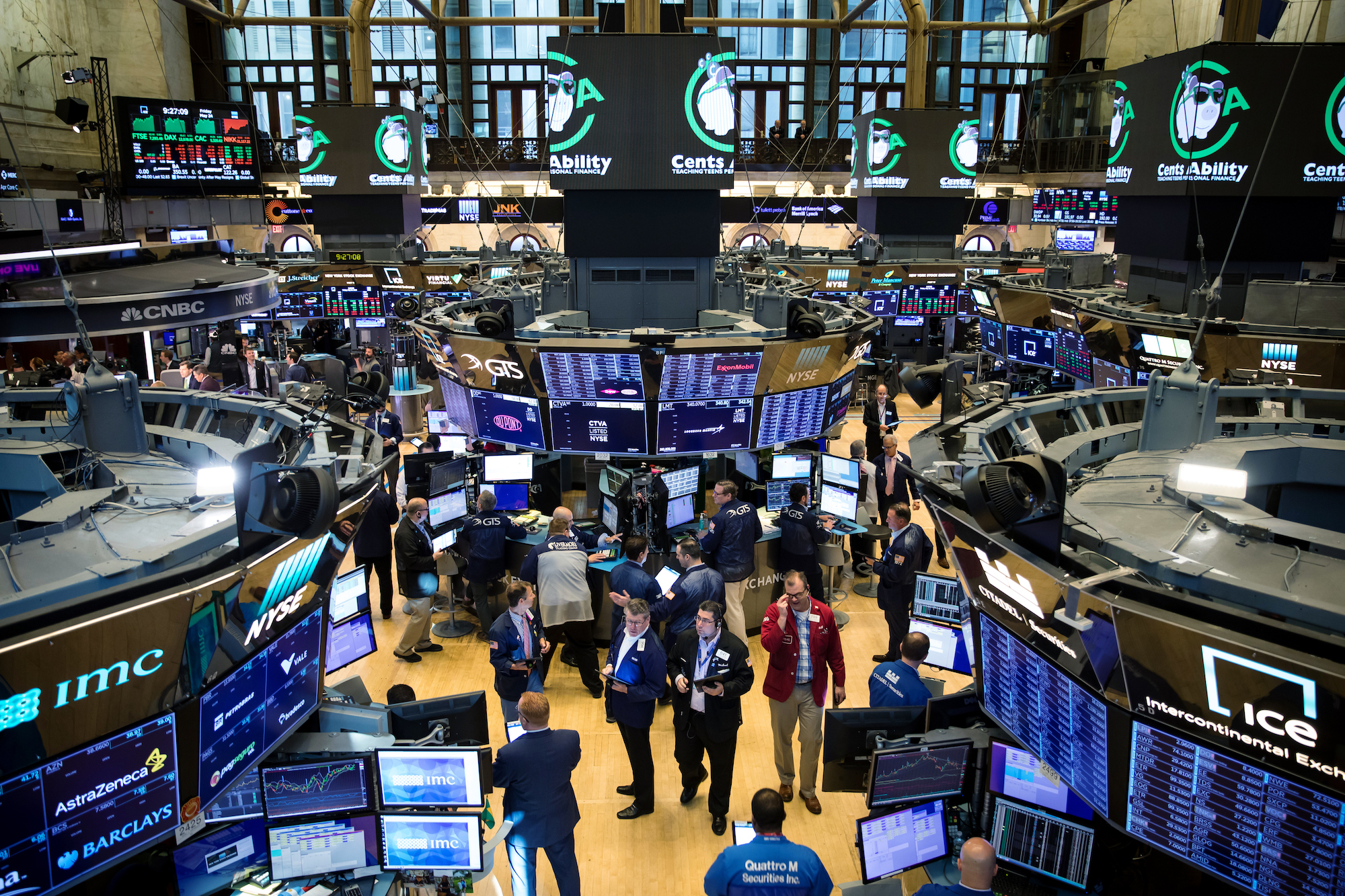
As we step into February 2025, the financial markets are showing a mix of resilience and uncertainty. Investors remain cautiously optimistic, balancing corporate earnings, Federal Reserve expectations, and global economic conditions. Meanwhile, Bitcoin has captured headlines, surpassing the $105,000 mark, continuing its strong performance.

Stock Market Overview

The S&P 500 edged up 0.1%, reflecting mixed investor sentiment. The Dow Jones Industrial Average added 57 points, driven by strength in healthcare and financial stocks. However, tech stocks showed signs of fatigue as investors awaited earnings reports from major players like Apple, Microsoft, and Tesla.

Key Market Drivers

1. Earnings Reports in Focus

• Investors are analyzing Q4 earnings from top companies, with particular attention to tech giants and financials.

• Strong earnings could push markets higher, while weaker-than-expected results may lead to sector-wide pullbacks.

2. Interest Rate Expectations

• The Federal Reserve’s March meeting will be crucial. Investors are hoping for rate cuts later in 2025, but strong economic data could delay this decision.

• Any signal of higher-for-longer interest rates might cause market volatility.

3. Economic Data on Watch

• Jobs Report (Feb 2, 2025): The upcoming non-farm payrolls data will provide insight into labor market strength.

• Inflation Data (Feb 13, 2025): The next Consumer Price Index (CPI) report will shape expectations around interest rate decisions.

Bitcoin & Crypto Markets: Breaking New Records

Bitcoin is currently trading at $105,127, marking an 11% gain this month. The rally has been fueled by growing institutional adoption, positive market sentiment, and increased inflows into Bitcoin ETFs.

Crypto Market Highlights

• Bitcoin’s Next Target: Analysts are watching whether BTC can break above $110,000 or face short-term consolidation.

• Institutional Interest: Hedge funds and large institutions continue to show increased interest in Bitcoin ETFs, pushing demand higher.

• Regulatory Landscape: The SEC’s stance on crypto regulation and stablecoins will play a key role in shaping future price movements.

What’s Next?

Bullish Factors

✔️ Strong earnings from major companies could drive markets higher.

✔️ Bitcoin’s momentum may continue as institutional adoption grows.

✔️ Fed rate cut expectations in mid-2025 could further support equities.

Bearish Risks

❌ Inflation concerns could delay interest rate cuts.

❌ Geopolitical uncertainties, including U.S.-China tensions, may impact global trade.

❌ Bitcoin volatility, as corrections often follow major rallies.

Final Thoughts

As we move forward, investors should stay alert to earnings reports, economic data, and policy changes that could impact both stocks and crypto markets. While the overall market mood remains cautiously optimistic, unexpected shifts in economic indicators or global events could drive volatility.

Stay tuned for more updates as the market mood evolves!

What to Expect in the Stock Market and Crypto Market: Q1 2025

📊 Stock Market Outlook: Cautious Optimism

As we enter Q1 2025, the stock market faces a balancing act between opportunities and uncertainties:

  • Federal Reserve Decisions: Interest rate policies will heavily influence investor sentiment.
  • Earnings Season: Corporate earnings reports, especially from tech and energy sectors, will set the market tone.
  • Geopolitical Events: Any global disruptions may trigger short-term volatility.

Key Tip: Defensive stocks (e.g., healthcare, utilities) and growth sectors (e.g., AI, green energy) might perform well in this mixed environment.


🚀 Crypto Market Trends: A Critical Quarter

The crypto market enters Q1 2025 with both excitement and caution. Key trends include:

  1. Bitcoin (BTC):
    • Eyes are on Bitcoin’s price action as it approaches key resistance levels.
    • Institutional investments and ETF developments could drive momentum.
  2. XRP (Ripple):
    • Regulatory clarity continues to boost XRP’s adoption in cross-border payments.
    • Watch for major partnerships with financial institutions.
  3. Hedera (HBAR):
    • Increasing enterprise adoption may provide upward pressure on HBAR.
    • Partnerships in sectors like supply chain and finance remain crucial.
  4. Stacks (STX):
    • STX focuses on enabling smart contracts and DeFi on Bitcoin.
    • Integration updates and ecosystem growth will be key drivers for Q1 performance.

Key Tip: Q1 often sets the tone for the year. Focus on assets with clear use cases and avoid hype-driven trades.


📝 Key Takeaways for Q1 Investors:

  • Stock Market: Stay informed about interest rate policies and corporate earnings.
  • Crypto Market: Regulatory updates and institutional movements will shape sentiment.
  • Diversification: Balance traditional assets with carefully selected crypto holdings.

How to Grow Your Wealth by Investing $50 Weekly: A Diversified Approach

Investing $50 every week might seem small, but with a well-structured, diversified portfolio that includes Bitcoin, S&P 500 ETFs, and other key assets, it can become a powerful wealth-building strategy over time. In this guide, we’ll explore how consistent weekly investments can grow over 1, 5, and 10 years—and how you can get started with insights from FutureFinanceLab.com.


📊 Why a Diversified Portfolio Matters

A diversified portfolio spreads your $50 across different asset classes, reducing risk while increasing potential returns. Here’s an example breakdown:

  • 40% in S&P 500 ETFs: Steady, long-term growth through exposure to leading U.S. companies.
  • 30% in Bitcoin: High-risk, high-reward potential from cryptocurrency.
  • 20% in Global/Tech ETFs: Broader exposure to international and tech-focused stocks.
  • 10% in Bonds or Stable Assets: Stability during market downturns.

This blend offers growth, protection against volatility, and long-term sustainability.


🚀 Investment Growth Projections Over Time

1-Year Outlook

  • Total Invested: $2,600 ($50 × 52 weeks)
  • Expected Growth:
    • S&P 500 ETFs (7% return): $1,040 → ~$1,110
    • Bitcoin (10-20% variable return): $780 → ~$860–$930
    • Global/Tech ETFs (6-8% return): $520 → ~$550–$560
    • Bonds/Stable Assets (3% return): $260 → ~$267

💼 Total Estimated Portfolio Value: ~$2,780–$2,867

🔑 Key Takeaway: In the first year, growth may seem modest, but consistency is building a strong foundation.


5-Year Outlook

  • Total Invested: $13,000 ($50 × 52 weeks × 5 years)
  • Expected Growth:
    • S&P 500 ETFs: $5,200 → ~$7,300
    • Bitcoin: $3,900 → ~$6,000–$8,000
    • Global/Tech ETFs: $2,600 → ~$3,500
    • Bonds/Stable Assets: $1,300 → ~$1,500

💼 Total Estimated Portfolio Value: ~$18,300–$20,300

🔑 Key Takeaway: Compound growth starts showing significant results by year five, with Bitcoin contributing to higher upside potential.


10-Year Outlook

  • Total Invested: $26,000 ($50 × 52 weeks × 10 years)
  • Expected Growth:
    • S&P 500 ETFs: $10,400 → ~$21,000
    • Bitcoin: $7,800 → ~$15,000–$25,000
    • Global/Tech ETFs: $5,200 → ~$10,000
    • Bonds/Stable Assets: $2,600 → ~$3,500

💼 Total Estimated Portfolio Value: ~$49,500–$59,500

🔑 Key Takeaway: The power of consistency and compounding creates impressive long-term results. Bitcoin’s volatility may cause larger swings, but overall diversification balances risk and reward.


📚 Why FutureFinanceLab.com is Your Go-To Resource

At FutureFinanceLab.com, we focus on making financial education accessible and practical. Whether you’re a beginner or an experienced investor, you’ll find:

✅ Step-by-step investment guides
✅ Real-time market analysis
✅ Updates on Bitcoin, ETFs, and diversified portfolios
✅ Personalized AI-driven financial insights

Stay informed, make smarter investment choices, and grow your financial future with confidence.


🛠️ Steps to Start Investing $50 Weekly

  1. Open an Investment Account: Choose a broker or investment app with access to ETFs, Bitcoin, and diversified funds.
  2. Automate Weekly Investments: Set up recurring deposits every week.
  3. Diversify Smartly: Allocate your $50 across different assets as shown above.
  4. Track Performance: Regularly review and rebalance your portfolio.
  5. Educate Yourself: Stay updated with resources from FutureFinanceLab.com.

🌟 Final Thoughts

Investing $50 weekly isn’t just about the amount—it’s about consistency, discipline, and diversification. By spreading your investment across Bitcoin, ETFs, and other assets, you reduce risk and maximize growth potential over time.

Start today, stick to your plan, and let FutureFinanceLab.com guide you on your journey to financial freedom. 🚀

Summary of the Report: Digital Assets and the U.S. Treasury Market

This report explores the relationship between digital assets (like Bitcoin and stablecoins) and the U.S. Treasury market, focusing on growth trends, blockchain applications, and tokenization’s potential benefits and challenges.

Key Points:

1. Digital Asset Growth:

• The market for digital assets has grown substantially:

• Total crypto market cap rose from $7 billion in 2015 to $2.385 trillion in 2024.

• Bitcoin’s market cap reached $1.364 trillion in 2024, emphasizing its role as “digital gold” in decentralized finance (DeFi).

• Despite this growth, the digital asset market is still small compared to traditional assets like U.S. Treasuries or equities.

2. Stablecoins’ Role:

• Stablecoins have emerged as critical tools in crypto transactions, with 80% of all crypto trades involving a stablecoin.

• They are increasingly backed by U.S. Treasuries, with $120 billion in stablecoin collateral invested in Treasury-backed assets.

• Regulatory oversight will determine stablecoins’ long-term role in financial markets.

3. Blockchain and Tokenization in Treasury Markets:

Tokenization enables the digital representation of assets (e.g., U.S. Treasuries) on blockchain platforms, offering:

• Atomic settlement (instant and simultaneous transactions).

• Smart contract automation for collateral management.

• Fractional ownership, increasing accessibility for smaller investors.

• Current projects include BlackRock’s tokenized Treasury funds and JPMorgan’s blockchain-based repo platform.

4. Potential Benefits of Tokenization:

• Improved settlement speed and reliability.

• Enhanced transparency and accountability in the Treasury market.

• Greater global accessibility for retail and institutional investors.

5. Challenges and Risks:

Technological Risks: High transition costs and potential cybersecurity vulnerabilities.

Operational Risks: Custody and counterparty risks in digital asset ecosystems.

Market Risks: Increased leverage and potential liquidity mismatches in tokenized markets.

Regulatory Challenges: Legal uncertainty and the need for international coordination.

6. Stablecoins and Financial Stability:

• Unregulated stablecoins pose risks of “runs,” where rapid liquidations could destabilize Treasury markets.

• Lessons from historical financial crises suggest stablecoins will require regulation similar to money market funds or banks.

Conclusion:

• While digital assets have introduced new demand for Treasuries and improved financial technologies, they are not yet significant drivers of Treasury market dynamics.

• Future adoption of tokenized Treasuries depends on regulatory clarity, infrastructure development, and integration with existing systems.

• A cautious approach, led by central authorities and aligned with private-sector innovations, is recommended.

For more insights into the evolving intersection of digital assets and traditional markets, visit FutureFinanceLab.com!

Bitcoin Breaks $100,000: A Historic Milestone in Digital Finance

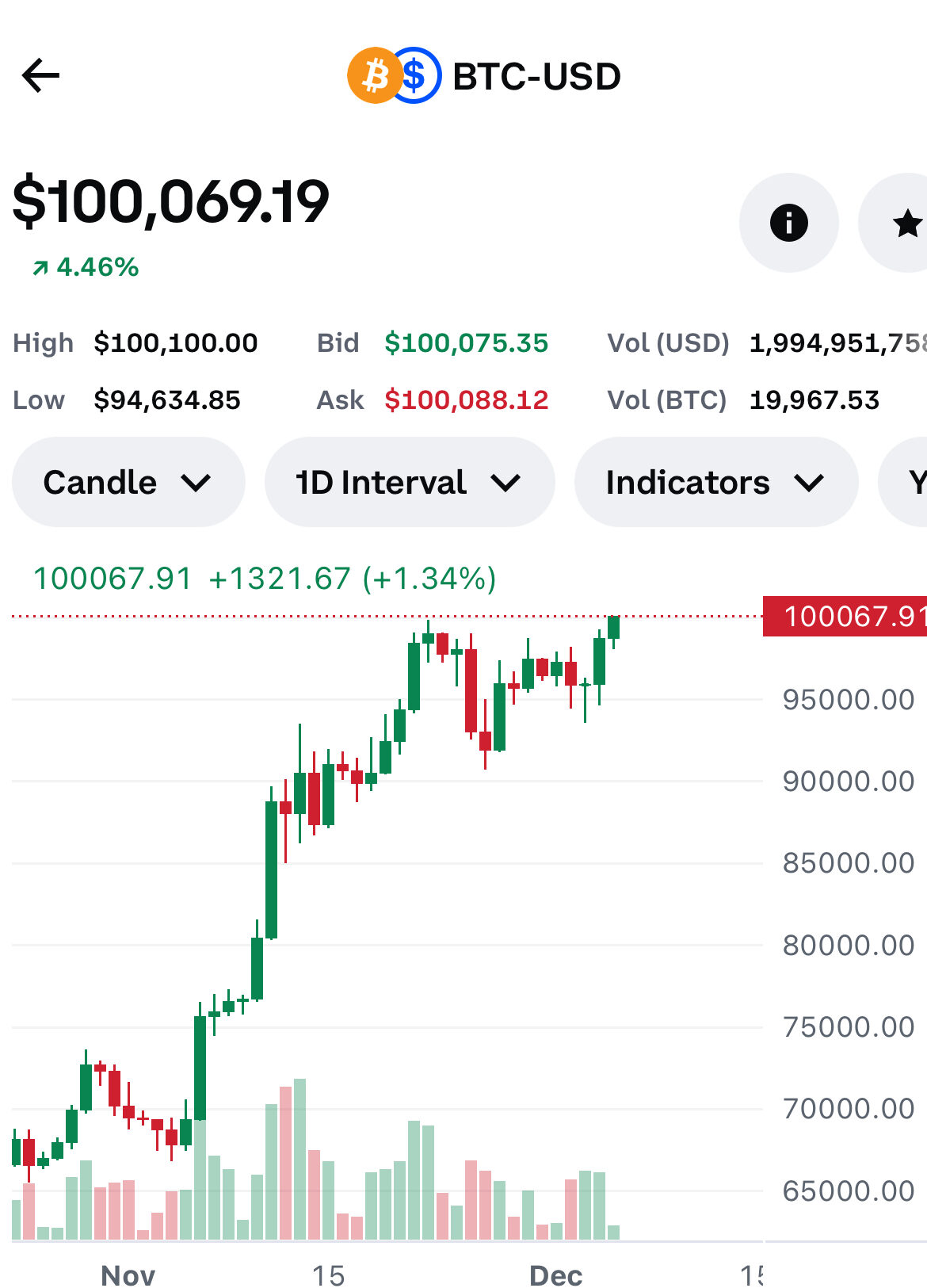
Bitcoin has reached a momentous milestone, soaring past $100,000 for the first time in its history. What began as a radical experiment in decentralized finance over a decade ago has now become a cornerstone of the global financial ecosystem, reshaping the way we think about money and value.

This milestone represents more than just a price—it symbolizes the mainstream acceptance of cryptocurrency as a legitimate asset class. Bitcoin, often referred to as “digital gold,” has grown to rival traditional investments, offering a hedge against inflation, a store of value, and a beacon of financial innovation.

The Drivers Behind the Surge

Bitcoin’s ascent to $100,000 has been fueled by a confluence of factors. Institutional adoption has played a pivotal role, with major corporations, asset managers, and even governments integrating Bitcoin into their strategies. Regulatory clarity in key markets has also reduced uncertainty, inviting more investors to join the market.

Furthermore, macroeconomic factors, such as inflationary pressures and a weakening dollar, have accelerated Bitcoin’s adoption as a hedge against traditional financial instability. With growing trust in its security and utility, Bitcoin is no longer just an alternative—it’s becoming essential.

Altcoins Ride the Wave

As Bitcoin dominates headlines, altcoins like Stacks (STX), Hedera (HBAR), and XRP are also seeing increased attention. STX, with its innovative approach to enabling smart contracts on the Bitcoin blockchain, has attracted significant interest. Meanwhile, XRP continues to make strides in global payments, and HBAR is gaining traction as a leader in enterprise-grade blockchain technology.

These altcoins are benefiting from the broader market momentum, with many investors seeking opportunities beyond Bitcoin to diversify their portfolios.

What’s Next for Bitcoin?

The $100,000 milestone is a pivotal moment, but it also raises questions about the future. Will Bitcoin continue its upward trajectory, or will the market see a period of consolidation? Analysts remain optimistic, pointing to increasing adoption, the growing DeFi ecosystem, and the potential for further regulatory breakthroughs.

One thing is clear: Bitcoin’s journey is far from over. Its rise to $100,000 is not just a financial event—it’s a cultural and technological revolution. As Bitcoin continues to redefine the boundaries of what’s possible in finance, the world watches, ready for the next chapter in this extraordinary story.

For more insights and the latest cryptocurrency updates, visit www.futurefinancelab.com . Stay informed and ahead of the curve as we navigate this exciting new era in digital finance!

Altcoin Season is Officially Here: Spotlight on XRP and HBAR

As the latest CMC Altcoin Season Index hits a solid 75/100, it’s official: the crypto market is firmly in altcoin territory. This index score indicates that a majority of the top 50 cryptocurrencies have outperformed Bitcoin over the last 90 days, signaling a significant shift in investor sentiment and capital flow toward altcoins.

Leading the charge are some standout performers, including XRP and HBAR, with impressive 90-day gains of 321% and 373%, respectively. These gains underscore the growing confidence in utility-driven tokens as investors look beyond Bitcoin for opportunities.

XRP: Momentum from Legal and Utility Gains

XRP’s resurgence is tied to favorable developments in its ongoing legal saga and increasing adoption for cross-border payments. Ripple’s expanding partnerships and use cases in the financial sector have propelled XRP into the spotlight, with its price reflecting renewed optimism about its potential.

HBAR: Pioneering Efficiency and Scalability

HBAR has also seen a meteoric rise, driven by its unique position in the market. Hedera’s enterprise-grade blockchain solution, offering unmatched efficiency and scalability, continues to attract institutional and developer interest. Its focus on real-world applications, from tokenized assets to supply chain solutions, has resonated with investors.

Broader Market Implications

The current altcoin season marks a clear divergence in the crypto landscape. While Bitcoin remains a dominant force, this trend highlights the market’s appetite for innovation and diversification. With other coins like DOGE, ADA, and ALGO also posting significant gains, this rally reflects a broader altcoin narrative centered on utility, community, and speculative excitement.

For traders and investors, the season is ripe with opportunities, but as always, market conditions demand careful analysis and risk management. Altcoin season may just be getting started, and coins like XRP and HBAR are positioned to remain pivotal players in this evolving narrative.

For more insights into the evolving world of cryptocurrency and finance, and to stay ahead in this fast-moving space, visit FutureFinanceLab.com. Become a member today to access exclusive content, market trends, and expert analyses!

Personal Finance Strategies: Build Wealth and Achieve Financial Freedom


Introduction to Personal Finance

Welcome to Personal Finance Strategies!
Achieving financial freedom is a journey that starts with understanding how to manage your money wisely. Whether you’re saving for retirement, buying a home, or simply trying to reduce debt, personal finance strategies can help you reach your financial goals.

This e-book will guide you through key strategies to build wealth and achieve financial independence, so you can live the life you’ve always dreamed of.


Key Personal Finance Strategies

1. Create a Budget

The foundation of financial freedom starts with a budget. A budget helps you track your income and expenses, ensuring that you spend within your means.

How to create a budget:

  • List all your sources of income (salary, side business, etc.).
  • Write down all your expenses (rent, utilities, groceries, etc.).
  • Subtract your expenses from your income to see if you’re living within your means.
  • Adjust as necessary, cutting out non-essential expenses and saving more.

2. Build an Emergency Fund

Life is unpredictable, and having an emergency fund can prevent you from falling into debt when unexpected expenses arise. Aim to save at least 3-6 months’ worth of living expenses in a separate, easily accessible account.

How to build an emergency fund:

  • Start small – even $500 can be a good beginning.
  • Set aside a portion of your monthly income (automate transfers if possible).
  • Keep it for emergencies only, such as medical bills or car repairs.

3. Eliminate Debt

High-interest debt, such as credit card debt, can hold you back from building wealth. Focus on paying it off as quickly as possible.

How to eliminate debt:

  • List all your debts from highest to lowest interest rate.
  • Pay off the highest interest debt first, while making minimum payments on others (the “debt avalanche” method).
  • Consider consolidating or refinancing options if they offer lower interest rates.

4. Save and Invest for the Future

To build long-term wealth, saving isn’t enough – you need to invest. This is where compound interest works in your favor.

How to start investing:

  • Begin with retirement accounts like a 401(k) or IRA, which offer tax advantages.
  • Diversify your investments by investing in stocks, bonds, and mutual funds.
  • Start small, but be consistent. Even modest monthly contributions can grow significantly over time.

Page 3: Building Wealth & Achieving Financial Freedom

5. Set Financial Goals

Setting clear, achievable financial goals gives you direction and motivation. Whether it’s buying a house, traveling, or saving for retirement, having a goal helps you stay focused and disciplined.

How to set financial goals:

  • Make your goals specific (e.g., “Save $5,000 for an emergency fund” rather than “Save money”).
  • Break your goals into smaller, actionable steps.
  • Track your progress and adjust as needed.

6. Automate Your Savings and Investments

To make wealth-building easier, automate your savings and investments. Set up automatic transfers to your savings accounts and investment portfolios to ensure consistent progress without effort.

How to automate your finances:

  • Set up automatic payroll deductions for retirement savings.
  • Automate transfers to your savings and investment accounts each month.
  • Use tools like employer-sponsored retirement plans or apps to simplify the process.

7. Protect Your Wealth with Insurance

Insurance helps protect you and your loved ones against unforeseen financial setbacks. Life, health, and property insurance can help prevent financial hardship during difficult times.

How to protect your wealth:

  • Review your insurance policies to ensure they cover important areas (health, home, auto, life).
  • Adjust your coverage as life circumstances change (e.g., marriage, having children, buying a house).

Conclusion:

Building wealth and achieving financial freedom is a process, but with discipline and the right strategies, you can get there. Start small, stay consistent, and always be mindful of your financial goals. As you grow, you’ll gain more confidence in managing your finances and achieving the freedom you desire.

To continue your financial journey, join our community at futurefinancelab.com, where you can access exclusive content, resources, and insights to stay ahead in your financial pursuits.