In a dramatic surge that captured the attention of investors worldwide, Bitcoin has officially hit a new all-time high, breaking past its previous peak and reinforcing its position as the most dominant digital asset in the world. This latest milestone is not just a price point—it’s a signal.
A signal that digital money is no longer a fringe concept.
Why This ATH Matters
Bitcoin’s new all-time high reflects more than speculation—it shows growing institutional adoption, rising inflation hedging, and global recognition of decentralized finance.
From major asset managers integrating Bitcoin into portfolios to global payment firms offering crypto services, the fundamentals backing this rally are stronger than ever.
This ATH is different.
It’s not fueled by hype alone—it’s supported by:
The growth of Bitcoin ETFs
Geopolitical shifts away from fiat dependence
Regulatory clarity in several key markets
And a maturing retail investor base looking for sound money in a digital world
Bitcoin: Still the Benchmark
Bitcoin continues to be the “digital gold” that institutions and individuals turn to first. Its scarcity (21 million cap), security, and network effects have set it apart as the most resilient crypto asset.
But the crypto story doesn’t stop there.
What About HBAR and XRP?
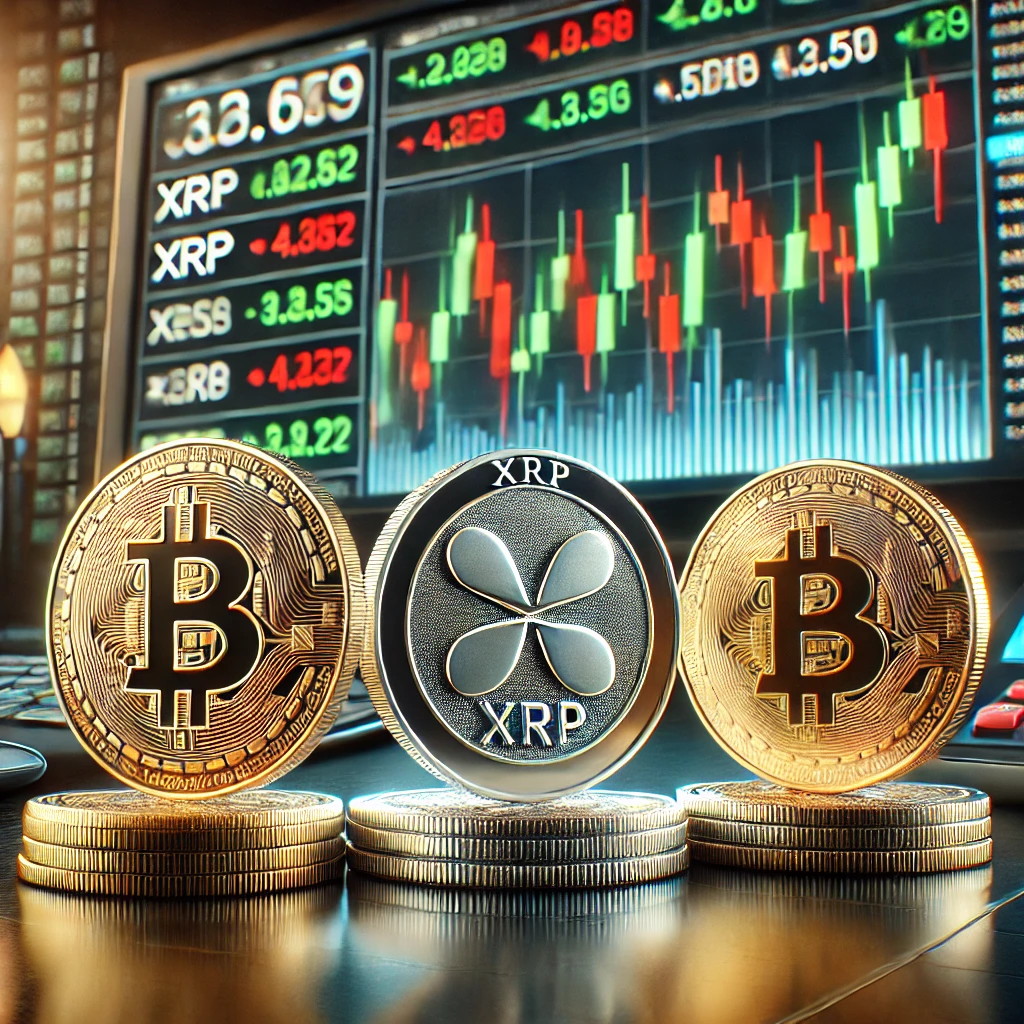
While Bitcoin dominates headlines, HBAR (Hedera Hashgraph) and XRP (Ripple) are quietly gaining traction with different, equally compelling use cases:
🌀 HBAR: The Enterprise Layer for Web3
Hedera’s unique consensus mechanism and enterprise partnerships (like Google, IBM, and LG) make it a serious player in real-world Web3 infrastructure. As tokenized assets, identity, and supply chain solutions expand, HBAR could play a foundational role.
🌊 XRP: The Bridge for Global Payments
Despite legal hurdles in recent years, XRP continues to push boundaries in cross-border finance. With RippleNet expanding globally and growing interest in CBDC interoperability, XRP is more than alive—it’s evolving.
A New Crypto Cycle?
If you’ve been on the sidelines, this is your wake-up call. Bitcoin’s ATH isn’t just a milestone—it’s a reminder of the massive shifts taking place in finance, technology, and trust.
The world is going digital. Is your portfolio ready?
💡 FutureFinanceLab Insight: Don’t chase price. Understand value. The smart investor looks beyond headlines and asks:
What is the long-term use case?
Who’s building?
What problem does this solve?
Bitcoin’s new high is a reflection of long-term belief—something every investor should study deeply.
Want to Learn More?
Join the FutureFinanceLab Membership for deeper insights, model portfolios, and private coaching as we navigate the next phase of the crypto and digital finance revolution.
With the passing of the Stablecoin Act and recent commentary from Custodia Bank CEO Caitlin Long on CNBC, the digital asset space is once again in the spotlight. But many people are still confused about the difference between Bitcoin and stablecoins. Let’s clarify.
What’s the Difference?
Bitcoin Bitcoin is a decentralized digital asset. Often referred to as digital gold, it is scarce, censorship-resistant, and not controlled by any government or corporation.
Fixed supply: only 21 million will ever exist
Volatile: price fluctuates based on market demand
Purpose: long-term store of value, hedge against inflation, and financial independence
Stablecoins Stablecoins are digital tokens pegged to fiat currencies like the US Dollar. They are issued by centralized institutions and designed to maintain price stability.
Pegged value: 1 stablecoin is typically equal to 1 USD
Issued by: banks or private companies
Purpose: trading, remittances, payments, and access to DeFi applications
What Caitlin Long Said on CNBC
In a CNBC interview on July 2, 2025, Caitlin Long made a key point:
“Stablecoins are an on-ramp to Bitcoin.”
She emphasized that regulated, bank-issued stablecoins are making it easier for institutions and everyday users to enter the digital asset ecosystem. As users become comfortable transacting with stablecoins, many begin to explore Bitcoin as a more powerful tool for long-term wealth preservation and personal financial control.
How They Work Together
Feature
Bitcoin
Stablecoins
Volatility
High
Low (pegged to fiat currency)
Supply
Fixed (21 million)
Flexible and demand-driven
Issuer
Decentralized (no central issuer)
Centralized (banks or companies)
Use Case
Long-term value, investment
Payments, trading, stability
Regulation
Light regulatory framework
Increasing oversight under new laws
Conclusion
The Stablecoin Act is not about replacing Bitcoin. It is about creating a safe and regulated gateway into the world of digital finance. Stablecoins offer a convenient entry point. Bitcoin offers long-term value, ownership, and financial sovereignty.
If you want to make sense of where the future of money is heading, FutureFinanceLab is here to help.
Become a Member Today and learn how to navigate digital assets with clarity and confidence.
The markets have been going through a much-needed correction phase, shaking out weak hands before the next potential rally. While Bitcoin and altcoins have seen pullbacks, there are plenty of bullish signals in play that could set the stage for new all-time highs once uncertainty fades. Let’s break it all down.
Bitcoin’s Correction: A Buying Opportunity?
Bitcoin recently dipped below $78,000, only to recover around $83,500—a natural retracement after its explosive rally to $100K in December 2024. Analysts from 10X Research have suggested a possible dip to $73,000, but many believe these corrections are just part of Bitcoin’s long-term uptrend.
🔥 Bullish Factors for Bitcoin
✅ Institutional Interest – Bitcoin ETFs continue to attract massive inflows. ✅ Halving Supply Shock – The Bitcoin halving effect is still unfolding, reducing new BTC supply. ✅ Political Support – Trump’s latest statement, “the war on crypto is over,” signals a potential shift in regulatory sentiment. ✅ Global Economic Instability – Investors may turn to Bitcoin as a hedge against inflation and fiat devaluation.
❄️ Bearish Factors for Bitcoin
⚠️ Possible Further Corrections – Analysts predict a potential dip to $73,000 before Bitcoin stabilizes. ⚠️ Regulatory Uncertainty – While Trump’s comments are bullish, actual regulatory clarity is still needed. ⚠️ Macroeconomic Pressures – High interest rates and a stronger dollar could impact Bitcoin’s near-term growth.
If uncertainty clears up, Bitcoin could retest all-time highs and even push beyond $100K in the coming months.
XRP: Awaiting Clarity, But Momentum is Building
Ripple’s ongoing battle with the SEC remains a key focus for XRP investors, but recent legal wins suggest regulatory clarity may be on the horizon. Meanwhile, Ripple is expanding its partnerships, strengthening its presence in the cross-border payments space. If the legal overhang clears, XRP could be primed for a major breakout.
HBAR: Enterprise Adoption Accelerates
Hedera Hashgraph (HBAR) is steadily building real-world use cases. With major companies like Google, IBM, and Boeing backing the network, tokenization, DeFi, and enterprise adoption are growing. While the price has seen some volatility, the fundamentals remain solid, making HBAR one to watch.
Stock Market: $4 Trillion Wiped Out in 30 Days!
The stock market has been under heavy pressure, with $4 trillion in value erased in just 30 days. Concerns over interest rates, inflation, and geopolitical uncertainty have led to a sell-off, especially in high-growth sectors.
🔥 Bullish Factors for Stocks
✅ Earnings Strength – Many companies, especially in AI and tech, continue to report strong earnings. ✅ Potential Fed Pivot – If inflation cools, the Federal Reserve might pause or cut rates, boosting stocks. ✅ Economic Growth Resilience – Despite rate hikes, the job market and GDP growth remain steady.
❄️ Bearish Factors for Stocks
⚠️ Rising Interest Rates – Higher borrowing costs hurt corporate profits and economic growth. ⚠️ Geopolitical Risks – Ongoing conflicts and trade tensions add uncertainty to the global market. ⚠️ Investor Caution – With the recent correction, many are staying on the sidelines, waiting for a clearer trend.
Final Thoughts
Corrections are normal and healthy in any bull cycle. Bitcoin, XRP, and HBAR are all showing strong long-term potential, and once uncertainty fades, we could see another wave of bullish momentum. The stock market is also at a critical juncture—while risks remain, any positive macroeconomic shift could spark the next big rally.
🚀 Are you buying this dip? Share your thoughts below! 👇
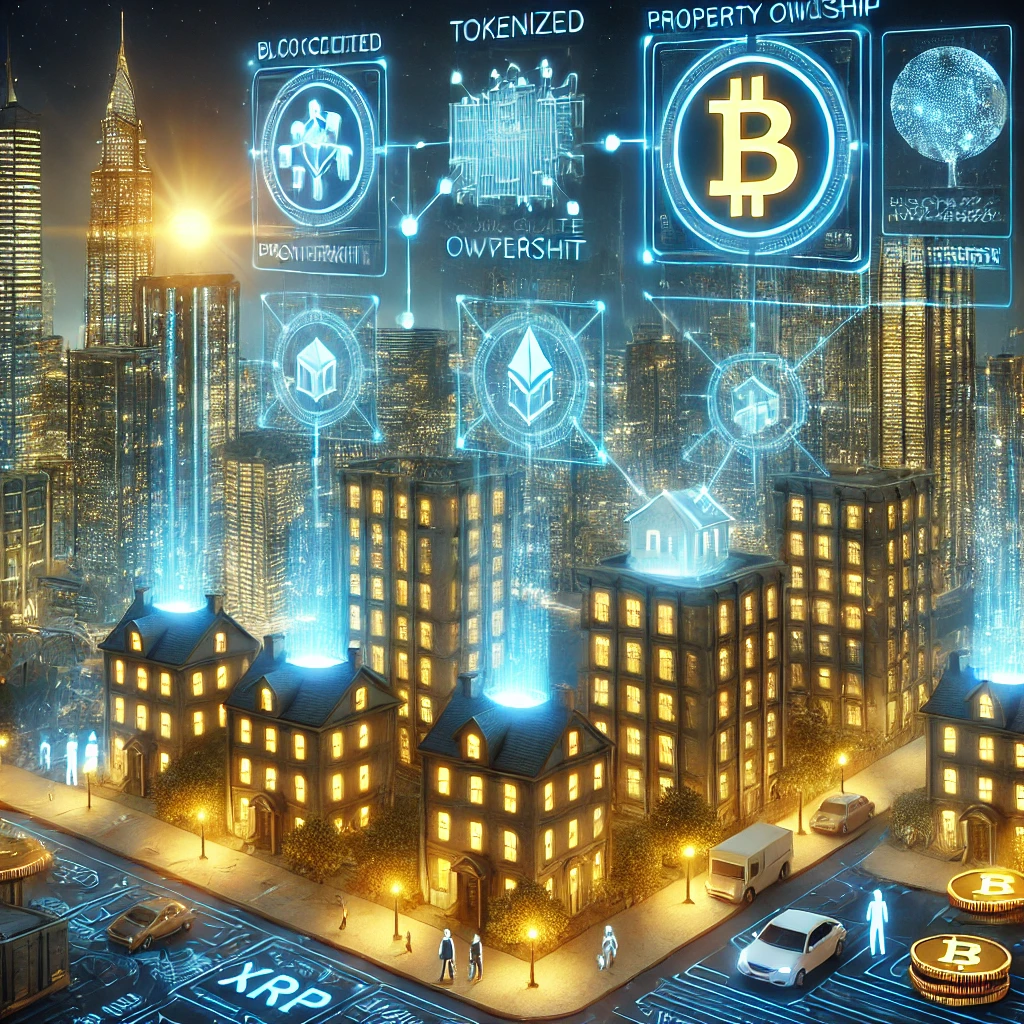
The real estate industry has long been known for its high barriers to entry, slow transactions, and reliance on intermediaries. Blockchain technology is changing this by enabling real estate tokenization, allowing properties to be divided into digital assets that can be bought, sold, and traded seamlessly.
Several crypto projects are leading the charge in real estate tokenization, leveraging blockchain to create a more transparent and efficient property market. Let’s take a look at the key players, including Hedera (HBAR), XRP Ledger, and others, as well as the risks involved in this emerging space.
How Real Estate Tokenization Works
Real estate tokenization involves converting ownership rights of a property into blockchain-based tokens. These tokens can be:
Fractionalized, meaning investors can buy small portions of a property
Traded on secondary markets, improving liquidity
Stored on a blockchain, ensuring transparency and security
Accessible globally, allowing investors from anywhere to participate
With blockchain, real estate investment becomes faster, cheaper, and more efficient compared to traditional methods.
Hedera Hashgraph is one of the most promising blockchain platforms for real estate tokenization due to its high-speed, low-cost, and secure infrastructure.
Why HBAR for Real Estate?
Fast transactions – Hedera can handle 10,000+ TPS with near-instant finality
Low fees – A fraction of a cent per transaction, making token transfers cost-effective
Enterprise adoption – Major institutions like Avery Dennison, Google, and Standard Bank already use Hedera’s network
Example Use Case: Hedera’s Token Service (HTS) allows real estate firms to tokenize properties, enabling fractional ownership and seamless property transfers on-chain.
2. XRP Ledger (XRP) – Real Estate Payments & Settlements
XRP Ledger (XRPL) is another strong player in the real estate tokenization space, offering fast and efficient cross-border payments that can be used in real estate transactions.
Why XRP for Real Estate?
Instant, low-cost payments – Transactions settle in 3-5 seconds with fees under $0.01
Interoperability – XRPL supports smart contracts and tokenized assets
Regulatory focus – Ripple is working on compliant tokenization solutions
Example Use Case: Real estate firms can use XRPL for international property transactions, allowing buyers and sellers to transfer funds instantly without needing traditional banks.
3. Propy (PRO) – NFT-Based Real Estate Ownership
Propy is an Ethereum-based real estate platform that enables users to buy and sell properties using NFTs (Non-Fungible Tokens).
Why Propy for Real Estate?
NFT-based property ownership – Homes can be bought/sold as digital tokens
Smart contract automation – Reduces paperwork and legal costs
Real-world adoption – Properties have already been sold as NFTs via Propy
Example Use Case: A Miami property was sold using Propy’s blockchain platform, showing how NFTs can revolutionize real estate transactions.
Risks of Real Estate Tokenization
While real estate tokenization has significant potential, it also comes with several risks that investors should consider.
1. Regulatory Uncertainty
Tokenized real estate is still a gray area in many jurisdictions. Governments may introduce new regulations that impact how these digital assets are issued, traded, or taxed.
2. Market Liquidity Issues
While tokenization improves liquidity, secondary markets for real estate tokens are still in their early stages. Selling a tokenized property share may not always be as easy as selling traditional crypto assets.
3. Smart Contract Risks
Blockchain relies on smart contracts, which can be vulnerable to hacks, bugs, or exploits. If a contract is poorly written, it could lead to financial losses for investors.
4. Centralization Risks
Some real estate tokenization platforms are still partially centralized, meaning they rely on companies or legal structures that could introduce risks like fraud, mismanagement, or legal disputes.
5. Lack of Consumer Protection
Unlike traditional real estate investments, tokenized real estate may not be covered by standard consumer protections, increasing the risk of fraud or asset disputes.
The Future of Real Estate Tokenization
The tokenization of real estate is still in its early stages, but the potential is massive. With blockchain, real estate investment is becoming:
More accessible – Anyone can invest, even with small amounts
More liquid – Sell your tokens anytime instead of waiting months for a buyer
More transparent – No hidden fees, middlemen, or fraud risks
Projects like Hedera (HBAR), XRP Ledger, Propy, RealT, and Landshare are paving the way for a new era of real estate investing.
Learn More at FutureFinanceLab.com
If you want to stay ahead of the curve and understand how crypto, DeFi, and tokenization are shaping the future of finance, check out FutureFinanceLab.com.
Get insights on blockchain, investing, and financial innovation
Explore the latest trends in tokenized assets
Stay informed about new crypto opportunities
The future of real estate is on the blockchain—are you ready?
At FutureFinanceLab.com, we don’t just teach you about cryptocurrency—we help you take action. If you’re ready to dive into the world of digital currencies, here’s everything you need to know to open an account and get started.
1. What is Cryptocurrency?
Cryptocurrency is digital money that exists only online. Unlike regular currency, it operates without a central authority (like a bank) and uses blockchain technology to track transactions.
The most famous cryptocurrency is Bitcoin (BTC), but there are many others like Ethereum (ETH) and Litecoin (LTC).
2. Step-by-Step Guide: How to Open an Account and Buy Your First Cryptocurrency
Step 1: Choose a Cryptocurrency Exchange
To buy cryptocurrency, you need to open an account on a cryptocurrency exchange. Popular exchanges include:
Coinbase: Great for beginners.
Binance: Offers a wide range of cryptocurrencies.
Kraken: Known for its strong security features.
Step 2: Sign Up and Verify Your Identity
Once you’ve chosen an exchange, you’ll need to create an account by entering your basic personal information, like your name and email address. Most exchanges will require you to verify your identity (KYC—Know Your Customer), which typically involves submitting a photo of your ID and a selfie.
Step 3: Deposit Funds Into Your Account
After your account is verified, you can deposit funds into it. Most exchanges allow you to deposit using USD, EUR, or other fiat currencies via:
Bank Transfer
Credit or Debit Card
PayPal (on certain exchanges)
Step 4: Buy Your Cryptocurrency
Once your account is funded, you’re ready to buy cryptocurrency. You’ll find a variety of coins available for purchase, but to get started, you might want to buy Bitcoin (BTC) or Ethereum (ETH), as they are the most widely used.
Select the coin you want to buy.
Choose how much you want to invest.
Complete the transaction.
Step 5: Store Your Cryptocurrency Safely
After buying your cryptocurrency, it’s important to store it securely. Here’s how:
Hot Wallet: An online wallet connected to the internet (easy to access but less secure).
Cold Wallet: A hardware wallet that stores your cryptocurrency offline (more secure for long-term storage).
3. Why Cryptocurrency?
Potential for High Returns: Bitcoin and other cryptocurrencies have experienced significant growth in recent years.
Decentralization: You have control over your funds, with no bank or government involved.
Innovation: Cryptocurrency and blockchain are transforming industries, including finance, healthcare, and technology.
4. The Risks of Cryptocurrency
While cryptocurrency offers huge opportunities, it’s important to be aware of the risks:
Volatility: Prices can change rapidly.
Security Risks: Always store your crypto safely, and use secure exchanges.
Regulation: Cryptocurrency is still being regulated in many countries, so it’s important to stay updated on legal matters.
5. Start Your Journey Today at FutureFinanceLab.com
At FutureFinanceLab.com, we don’t just give you the basics—we guide you step by step. We offer exclusive tutorials and resources to help you make the right choices when opening an account, investing, and securing your cryptocurrency.
Ready to take the first step? Join our membership today to access more detailed guides, expert strategies, and a community of crypto enthusiasts like you.
By joining FutureFinanceLab.com, you’ll not only learn how to get started but also discover advanced strategies to grow your portfolio and manage risks effectively.
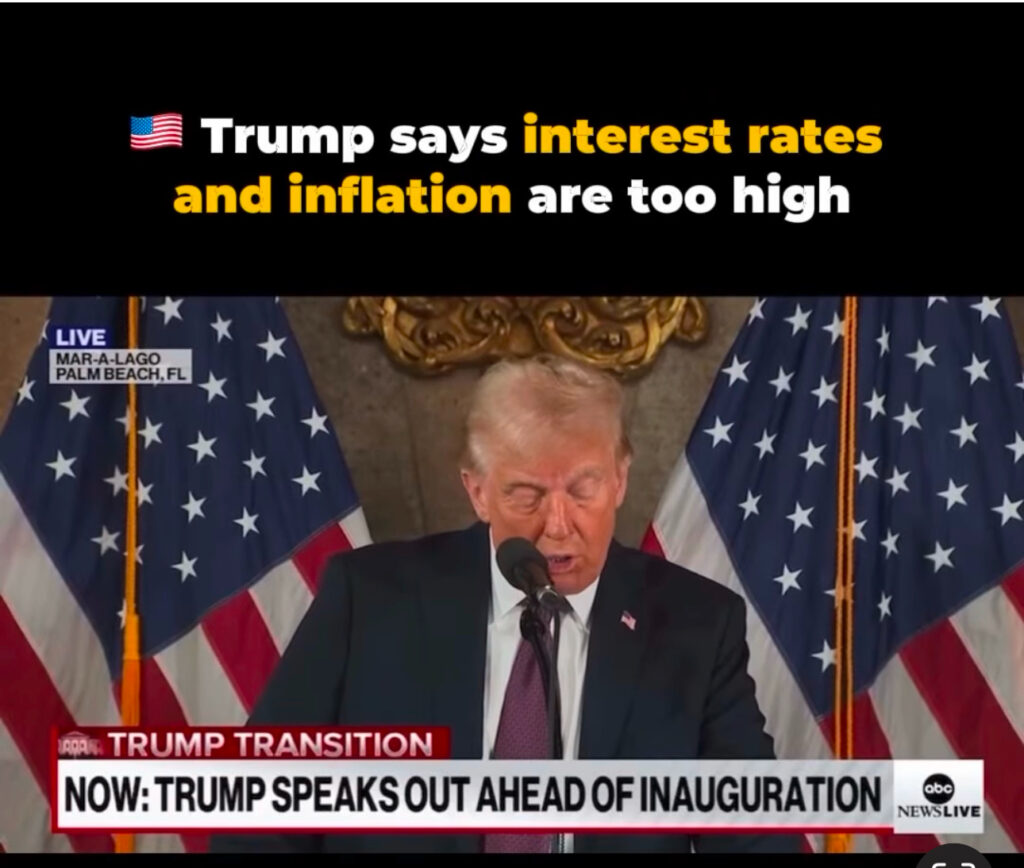
Recent dips in traditional markets and Bitcoin have sparked conversations, with many pointing to Donald Trump’s remarks on high interest rates and persistent inflation. Here’s what’s happening and what could be next.
What’s Behind the Market Dip?
1. High Interest Rates:
• The Federal Reserve’s stance of maintaining higher interest rates has created headwinds for both traditional and crypto markets. High rates make borrowing expensive, reduce liquidity, and pressure riskier assets like Bitcoin.
2. Inflation Concerns:
• Although inflation has cooled from its 2022 peaks, it remains above the Fed’s 2% target. Persistent inflation reduces purchasing power and leaves the Fed little room to lower rates aggressively.
3. Trump’s Comments:
• Former President Donald Trump called attention to high interest rates and inflation as major economic threats, echoing concerns shared by investors. His remarks may have heightened market jitters, fueling sell-offs.
4. Crypto-Specific Weakness:
• Bitcoin and cryptocurrencies are particularly sensitive to macroeconomic conditions. High interest rates reduce demand for speculative assets, and with fewer new buyers entering the market, prices have dipped.
What’s Next for Markets and Bitcoin?
1. Federal Reserve Decisions:
• Markets will closely watch the Fed’s actions in 2025. If inflation moderates, the Fed could cut rates, providing relief to both equities and crypto. However, a stubbornly high inflation rate might keep rates elevated, sustaining pressure on risk assets.
2. Earnings and Economic Data:
• Corporate earnings, unemployment figures, and inflation reports will shape market sentiment. Any signs of economic slowdown could trigger a pivot to more accommodative policies.
3. Bitcoin’s Long-Term Outlook:
• Despite near-term challenges, Bitcoin’s fundamentals remain strong. Adoption continues to grow, and the next halving event in 2024 is likely to tighten supply, which historically has supported price growth in the medium term.
What Can Investors Do?
1. Stay Diversified:
• Don’t put all your eggs in one basket. Spread your investments across traditional assets, crypto, and inflation-resistant sectors like commodities.
2. Monitor Economic Indicators:
• Keep an eye on inflation, GDP growth, and Fed policy announcements. These will set the tone for markets in 2025.
3. Focus on Fundamentals:
• For Bitcoin enthusiasts, price dips can present buying opportunities. If your conviction in crypto’s long-term potential remains strong, this could be a time to accumulate.
4. Be Patient:
• Volatility is normal in uncertain times. Avoid knee-jerk reactions and focus on your long-term investment strategy.
Conclusion
High interest rates and inflation are creating challenging conditions for both traditional and crypto markets. While short-term pain is evident, the long-term outlook for Bitcoin and equities remains cautiously optimistic, especially if inflation moderates and the Fed adjusts its policies. For now, staying informed and diversified is the best way forward.
As the latest CMC Altcoin Season Index hits a solid 75/100, it’s official: the crypto market is firmly in altcoin territory. This index score indicates that a majority of the top 50 cryptocurrencies have outperformed Bitcoin over the last 90 days, signaling a significant shift in investor sentiment and capital flow toward altcoins.
Leading the charge are some standout performers, including XRP and HBAR, with impressive 90-day gains of 321% and 373%, respectively. These gains underscore the growing confidence in utility-driven tokens as investors look beyond Bitcoin for opportunities.
XRP: Momentum from Legal and Utility Gains
XRP’s resurgence is tied to favorable developments in its ongoing legal saga and increasing adoption for cross-border payments. Ripple’s expanding partnerships and use cases in the financial sector have propelled XRP into the spotlight, with its price reflecting renewed optimism about its potential.
HBAR: Pioneering Efficiency and Scalability
HBAR has also seen a meteoric rise, driven by its unique position in the market. Hedera’s enterprise-grade blockchain solution, offering unmatched efficiency and scalability, continues to attract institutional and developer interest. Its focus on real-world applications, from tokenized assets to supply chain solutions, has resonated with investors.
Broader Market Implications
The current altcoin season marks a clear divergence in the crypto landscape. While Bitcoin remains a dominant force, this trend highlights the market’s appetite for innovation and diversification. With other coins like DOGE, ADA, and ALGO also posting significant gains, this rally reflects a broader altcoin narrative centered on utility, community, and speculative excitement.
For traders and investors, the season is ripe with opportunities, but as always, market conditions demand careful analysis and risk management. Altcoin season may just be getting started, and coins like XRP and HBAR are positioned to remain pivotal players in this evolving narrative.
For more insights into the evolving world of cryptocurrency and finance, and to stay ahead in this fast-moving space, visit FutureFinanceLab.com. Become a member today to access exclusive content, market trends, and expert analyses!
The cryptocurrency landscape remains as dynamic as ever, shaped by global economic factors, regulatory shifts, and technological advancements. While major players like Bitcoin continue to hold a significant share of the market’s attention, other assets like HBAR (Hedera), STX (Stacks), and XRP (Ripple) are emerging with unique value propositions that appeal to both retail and institutional investors.
At Future Finance Lab, we’re committed to keeping you informed about the latest in market sentiment and trends across these key assets. Here’s an overview of where each of these cryptocurrencies stands in today’s market and what the sentiment suggests about potential future performance.
Bitcoin (BTC): The Market’s Leading Indicator
Bitcoin has recently surged, reaching around $88,980 according to the latest data. Its resilience at this price level has reinforced confidence among investors, even as global economic conditions remain uncertain. The sharp increase in trading volume suggests a strong influx of new investments, potentially from institutional players and retail traders re-entering the market.
Sentiment Analysis:
Sentiment around Bitcoin remains overwhelmingly positive, with many market participants closely watching the $90,000 threshold as a psychological level. Breaking above this mark could set the stage for further upside, although some investors are cautious about short-term volatility.
Key Takeaway: Bitcoin’s recent surge strengthens its position as the market leader, setting a positive tone across the crypto space. The sentiment is optimistic but tempered by volatility concerns as BTC approaches $90,000.
Ethereum (ETH): Facing Resistance
Ethereum (ETH) is currently priced around $3,271 and has seen some consolidation as it struggles to break through recent resistance levels. While the broader market is bullish, Ethereum has faced minor pullbacks, likely due to profit-taking and a rotation of capital into Bitcoin.
Sentiment Analysis:
Ethereum’s sentiment is mixed, with long-term believers confident in ETH’s role in DeFi and NFTs, while short-term traders are eyeing potential retracements. As ETH remains below $3,300, its near-term price action might be somewhat constrained by market rotation into Bitcoin.
Key Takeaway: While sentiment around Ethereum is still positive, it’s somewhat overshadowed by Bitcoin’s strong performance. ETH may continue to consolidate around its current price levels before a potential upward movement.
HBAR (Hedera): Gaining Traction Through Partnerships
Hedera Hashgraph (HBAR) has climbed to $0.0666, reflecting a strong 24-hour increase of approximately 17.89%. The project’s partnerships, particularly in the finance and supply chain sectors, are boosting HBAR’s market sentiment. Hedera’s unique Hashgraph consensus is drawing attention for its speed and efficiency, especially in enterprise solutions.
Sentiment Analysis:
The market mood around HBAR is increasingly positive, with many investors looking at it as a potential long-term hold given its growing adoption in enterprise applications. The recent spike in price activity suggests rising confidence in Hedera’s roadmap.
Key Takeaway: HBAR is positioned well as a scalable solution for businesses, and its sentiment is largely driven by recent partnerships and enterprise adoption. With strong recent gains, it remains a key asset to watch.
STX (Stacks): Building DeFi on Bitcoin
Stacks (STX) is priced at $2.023, showing resilience in a competitive market. As one of the primary platforms enabling DeFi on Bitcoin, Stacks has gained attention for bringing smart contract functionality to the Bitcoin ecosystem, which could significantly broaden BTC’s use cases.
Sentiment Analysis:
Investor sentiment toward STX is growing, especially as Bitcoin’s recent rally highlights the potential of DeFi solutions that build on BTC’s security and reputation. Stacks is likely to see increased activity as the DeFi sector matures, with more developers exploring its capabilities.
Key Takeaway: STX benefits from the current Bitcoin momentum and offers investors a unique value proposition within Bitcoin-centric DeFi. Market sentiment remains positive, with expectations of further innovation.
XRP (Ripple): Momentum from Legal Wins and Regulatory Clarity
XRP is priced at $0.7125 and has risen by approximately 15.27% over the past 24 hours. Positive sentiment continues to build around Ripple’s XRP, fueled by favorable developments in Ripple’s legal case with the SEC. Investors are optimistic that a regulatory victory could propel XRP to new heights, particularly within the financial services industry.
Sentiment Analysis:
XRP’s sentiment is bullish as legal clarity appears within reach. The positive trend suggests that investors are betting on XRP’s potential to reshape cross-border payments if regulatory barriers are lifted.
Key Takeaway: XRP’s sentiment is strongly tied to its regulatory journey, with rising optimism about its future adoption in financial services. The asset has shown strong recent gains as investors weigh in on possible legal outcomes.
Across the board, the mood within the cryptocurrency market is cautiously optimistic. Bitcoin’s impressive rally is setting a bullish tone, while altcoins like HBAR, STX, and XRP are gaining attention for their unique value propositions. That said, the market remains sensitive to broader economic indicators and regulatory shifts, so investors should proceed with a balanced view of opportunities and risks.
Conclusion: Staying Informed and Strategic
As the market evolves, so does sentiment around key assets like Bitcoin, HBAR, STX, and XRP. Each of these cryptocurrencies is positioned to address different needs within the digital finance landscape, from a store of value and enterprise applications to DeFi and cross-border payments. Understanding the sentiment and trends around these assets can help investors make informed decisions in a rapidly changing environment.
At Future Finance Lab, we’re committed to providing you with timely insights on the market’s biggest players and emerging assets alike. Stay tuned for more updates and analysis to keep a pulse on the market’s ever-shifting mood and sentiment.
Stay Connected with Us
Follow Future Finance Lab for more insights on digital assets, market trends, and crypto sentiment analysis.
Bitcoin has surged to an all-time high of $77,000, fueled by favorable economic conditions, a pro-crypto U.S. administration, and strong institutional interest. With Bitcoin leading the rally, what’s next for the broader crypto market, especially altcoins?
Why Bitcoin is Soaring
1. Lower Interest Rates: With the Federal Reserve moving toward rate cuts, money is flowing into higher-risk assets like crypto. Lower borrowing costs make crypto more attractive, especially as a hedge against inflation.
2. Pro-Crypto Policies: The U.S. has recently elected a pro-crypto president, raising hopes for clearer, friendlier regulations. This could encourage both retail and institutional investors, opening doors for greater crypto adoption.
3. Institutional Investment: Institutional interest has surged with the approval of Bitcoin ETFs, making it easier for big investors to enter the market. While Bitcoin and Ethereum are their primary focus, increased confidence could lead to capital flowing into altcoins over time.
What’s Next for Altcoins?
With Bitcoin grabbing attention, altcoins like XRP, Hedera (HBAR), and Stacks (STX) could be next if the market shifts toward “altcoin season.” Here’s why:
• XRP: If the SEC’s case with Ripple reaches a positive outcome, it could boost XRP’s role in cross-border payments, attracting new investors.
• HBAR: Known for enterprise applications, Hedera’s partnerships in areas like supply chain and healthcare could drive demand if businesses turn to blockchain.
• STX: Stacks enables DeFi and NFTs on Bitcoin, which could gain interest as Bitcoin’s ecosystem expands.
Will Altcoin Season Follow?
Historically, altcoins often rally after Bitcoin stabilizes at high levels. If Bitcoin holds near its peak, investors may look to altcoins for new growth opportunities, especially those with strong use cases. The market’s current structure suggests that a surge in altcoins could follow if Bitcoin consolidates.
The Takeaway
Bitcoin’s new high represents not just a milestone but a sign of mainstream acceptance for crypto. While Bitcoin currently dominates, altcoins like XRP, HBAR, and STX—with their unique roles in payments, enterprise, and DeFi—could benefit from this wave of interest. As crypto gains broader adoption, both Bitcoin and select altcoins may see continued growth in a more favorable regulatory and economic environment.