When to Sell a Stock: Mastering Trading Psychology

Knowing when to sell a stock is just as important as knowing when to buy. But for many investors, this decision is clouded by emotions—especially fear, greed, and the deep-rooted pain of potential loss.

The Psychology Behind Selling Too Late or Too Early

Have you ever noticed how easy it is to hang on to a losing stock, hoping it will bounce back, while rushing to sell a winner at the first sign of a small profit? This isn’t just a bad habit—it’s rooted in something called loss aversion.

Behavioral economists have found that we feel the pain of a loss much more strongly than the pleasure of an equal gain. This causes two common mistakes:

  • Holding onto losing stocks too long, hoping to break even.
  • Selling winning stocks too early, afraid that profits will disappear.

This pattern is known as the Disposition Effect, and it’s one of the most common traps for investors.

At FutureFinanceLab.com, we dive deeper into these behavioral patterns to help new investors build smarter, emotion-proof strategies.


Three Smart Reasons to Sell a Stock

While there can be countless reasons to hit the sell button, smart investors often stick to a few rational guidelines. Here are three strong reasons to sell a stock:

  1. ✅ You made a mistake buying it. Maybe the business isn’t as solid as you thought. Cut your losses and move on.
  2. 📈 The price has risen significantly. Sometimes, locking in gains is the smart move—especially if the growth has outpaced the company’s fundamentals.
  3. 🚩 It’s trading at an irrational or unsustainable price. When hype or speculation drives the stock beyond its real value, it’s a sign to step away.

Other reasons might sound tempting—market noise, social media buzz, or short-term news—but they rarely lead to long-term success.


A Common Pitfall: A Lesson in Greed and Hesitation

Let’s say you buy a stock at $25, planning to sell at $30. It hits your target, but you think, “Maybe it’ll go to $35.” It climbs to $32, but then drops back to $29. Now you wait for it to hit $30 again. It never does. Eventually, you sell in frustration at $23.

You missed your original target and turned a $5 gain into a $2 loss—not because of bad research, but because of emotions.


How to Avoid Emotional Trading

To remove emotion from your strategy:

  • ✅ Use limit orders: Set a sell price in advance. When the stock hits that target, it sells automatically.
  • 🧠 Define your exit strategy upfront: Know your “why” before you buy.
  • 📊 Stick to your plan: Discipline beats impulse every time.

At Future Finance Lab, we provide free resources, practical guides, and beginner-friendly insights so you can trade with clarity and confidence—not emotion.


Bottom Line

Selling a stock isn’t about reacting—it’s about being proactive. The best investors set clear targets, understand the psychology of trading, and avoid the traps of fear and greed. Make selling part of your strategy, not a panic move.

👉 Visit FutureFinanceLab.com to keep learning how to invest smarter—one decision at a time.

Why Everyone Buys at the Top (and How Not To)

Ever feel like you’re always buying right before the crash?

You’re not alone. It’s one of the most common (and painful) mistakes investors make—buying at the top of a market cycle, when prices are inflated and excitement is everywhere.

But why does this keep happening? And more importantly, how can you avoid it?

Let’s break it down using simple psychologyreal data, and practical tools to help you stay smart when the market gets loud.


🔁 The Herd Mentality Trap

Humans are social creatures. When we see crowds rushing into something—whether it’s a concert, a new iPhone, or a cryptocurrency—we instinctively believe “they must know something I don’t.”

That’s herd mentality, and in markets, it creates a dangerous feedback loop:

  1. Prices start rising.
  2. Early investors share success stories.
  3. Media amplifies the trend.
  4. Fear of missing out (FOMO) kicks in.
  5. Late buyers rush in at inflated prices.
  6. Smart money exits quietly.
  7. The bubble pops.

“When everyone is greedy, be fearful.” — Warren Buffett


📈 Real-World Examples of Buying at the Top

Let’s look at some painful market tops:

  • Bitcoin 2017: Retail frenzy pushed BTC to $19,000 in December… then it crashed 80%.
  • Dot-Com Bubble (2000): Stocks like Pets.com soared before collapsing. The Nasdaq lost over 75%.
  • GameStop 2021: Social media pumped it to $483… only to crash back to earth weeks later.

Each case followed the same emotional cycle—optimism → excitement → euphoria → panic → despair.


🧠 The Psychology Behind It

Here’s the simplified psychology of a typical investor:

StageEmotionAction Taken
Prices rising slowlySkepticismWait and watch
Prices climbing fastFOMOBuy late
Prices peakEuphoriaBuy more
Prices drop fastFearPanic sell
Prices bottom outRegretAvoid market

People often buy when they feel most confident—which ironically is when risk is highest.


✅ How to Avoid Buying at the Top

You don’t need to predict the top—you just need a system that protects you from emotional mistakes. Here’s how:

  1. Have a Plan
    → Set buy/sell levels in advance based on your goals, not emotions.
  2. Use Dollar-Cost Averaging (DCA)
    → Invest small amounts regularly, regardless of price. It smooths out the ups and downs.
  3. Check the Crowd
    → If everyone is talking about it—even your barista—it might be time to pause.
  4. Zoom Out
    → Look at the 5-year chart, not the 5-minute one. Trends matter more than spikes.
  5. Avoid FOMO News
    → Be skeptical of headlines like “You Can’t Lose with This Stock!”

📉 Simple Visual to Remember

          Euphoria

│ 📈⬆️
│ /
Optimism │ /
│ / ← You buy here 😬
│ /
│ / 📉⬇️
│/
└──────────────▶
Fear Panic

Final Thought: Buy When It’s Boring

The best time to buy is usually when no one is talking about it—not when it’s trending on X or TikTok.

At FutureFinanceLab.com, we help you think long-term, zoom out, and invest with clarity—not emotion.


📌 Want practical tools to avoid FOMO and start investing smarter?
Explore our latest bite-sized market lessons at FutureFinanceLab.com.

How Do Ledger Wallets Keep Your Crypto Safe? A Quick Overview

As cryptocurrency becomes more popular, keeping your digital assets secure is more important than ever. One of the safest ways to protect your crypto is by using a hardware wallet, like the Ledger wallet. Here’s how it keeps your crypto safe.

What is a Ledger Wallet?

A Ledger wallet is a hardware device that stores your cryptocurrency offline, which makes it less vulnerable to hacking. It keeps your private keys—needed to access your crypto—safe and secure.

How Does it Work?

  1. Offline Storage of Private Keys: Your private keys are stored offline on the Ledger device, making them immune to online hacks.
  2. Transaction Signing: When you make a transaction, it’s signed directly on the Ledger wallet, and your private keys are never exposed.
  3. Recovery Phrase: You’ll receive a 24-word backup phrase to restore your wallet if you lose or damage the device. This phrase is key to regaining access to your crypto.
  4. Secure Hardware: Ledger wallets use a secure chip to protect your private keys from physical and software-based attacks. You also need a PIN to access your wallet.

How Does Ledger Keep Your Crypto Safe?

  • Cold Storage: Your keys are stored offline, so they are not exposed to online threats.
  • Secure Element Chip: Ledger wallets have a special chip that prevents tampering and theft of your private keys.
  • Backup and Recovery: The 24-word recovery phrase lets you restore your wallet if needed.
  • Regular Updates: Ledger updates its firmware to protect against new threats.

Why Choose a Ledger Wallet?

  • Top Security: Cold storage and secure chips keep your crypto safe.
  • User-Friendly: Easy to set up and use, even for beginners.
  • Wide Crypto Support: Works with over 1,800 cryptocurrencies.

Conclusion

If you want to keep your crypto safe from hackers and online threats, a Ledger wallet is one of the most secure options. With cold storage, a secure chip, and easy recovery options, it offers peace of mind for storing your digital assets.

Crypto Market Spotlight: BTC, XRP, HBAR & STX – Trends, Sentiments, and Developments as of May 2025

As the cryptocurrency market navigates through a mix of innovation and regulation, four notable projects—Bitcoin (BTC), XRP, Hedera Hashgraph (HBAR), and Stacks (STX)—continue to draw attention. Let’s explore their current status, key developments, and prevailing market sentiment.


🔶 Bitcoin (BTC)

Current Price: $104,577
24h Change: -1.26%
Market Cap: ~$2.06 trillion

🚀 Bullish Sentiment

  • Growing institutional adoption (e.g., GameStop, Trump Media)
  • U.S. government’s Strategic Bitcoin Reserve adds long-term legitimacy
  • Increasing scarcity post-2024 halving and rising custody demand

🐻 Bearish Sentiment

  • Regulatory clampdowns in Europe and uncertain U.S. legislation
  • Macro uncertainty (inflation, global conflict) spurs risk-off behavior
  • Recent price drops testing psychological support zones

🟣 XRP (Ripple)

Current Price: $2.19
24h Change: -3.10%
Market Cap: ~$131 billion

🚀 Bullish Sentiment

  • Ripple’s $RLUSD stablecoin expands use cases
  • ETF rumors and rising institutional interest
  • Strong legal footing after prior SEC resolution boosts investor confidence

🐻 Bearish Sentiment

  • Whale sell-offs signal possible short-term distribution
  • Still reliant on Ripple’s enterprise performance and partnerships
  • Regulatory scrutiny could limit U.S. market potential

🟢 Hedera Hashgraph (HBAR)

Current Price: $0.1715
24h Change: -4.76%
Market Cap: ~$5.7 billion

🚀 Bullish Sentiment

  • Backing from major corporations (e.g., Google, IBM)
  • High throughput and low energy footprint align with ESG trends
  • Steady integration into enterprise and government applications

🐻 Bearish Sentiment

  • Competes with faster-growing Layer 1s like Solana and Avalanche
  • Price remains range-bound despite strong fundamentals
  • Ecosystem still maturing; retail adoption is limited

🟠 Stacks (STX)

Current Price: $0.781
24h Change: -5.52%
Market Cap: ~$1.1 billion

🚀 Bullish Sentiment

  • Brings smart contracts to Bitcoin—taps into a massive market
  • BitVM and Babylon staking enhance ecosystem capabilities
  • Developer activity is increasing, signaling innovation ahead

🐻 Bearish Sentiment

  • STX price is sensitive to Bitcoin price movements
  • Limited mainstream awareness of Bitcoin DeFi
  • Still early in adoption cycle—network effect yet to fully take hold

💡 Final Take

Understanding both bullish and bearish perspectives helps build a more nuanced view of each asset. Bitcoin remains a macro-driven juggernaut, XRP is gaining traction through fintech expansion, Hedera is carving out its niche in the enterprise sector, and Stacks represents the frontier of Bitcoin-native applications.

Reminder: This is not financial advice. Always do your own research or consult a financial advisor.

Is “Sell in May” Still Relevant? Breaking the Myth for the Modern Investor

For decades, investors have repeated the old saying: “Sell in May and go away.” The idea is simple—markets supposedly underperform between May and October, so selling in spring and returning in the fall was once considered smart. But is that still true in today’s hyper-connected, data-driven economy?

And more importantly—does this idea even make sense for Bitcoin and other digital assets?

Let’s unpack it.


The Origin of the “Sell in May” Strategy

Back in the day, business activity often slowed down in the summer. Vacations, lighter consumer demand, and reduced corporate momentum sometimes meant lower earnings and weaker market performance. Investors got used to seeing sluggish summer markets—and many adopted this seasonal strategy.


The Modern Market Doesn’t Sleep

Fast forward to today, and things look very different:

  • Global business doesn’t pause for summer
  • Automation and cloud-based operations keep companies running at full speed
  • E-commerce and digital services drive consistent revenue streams year-round

Companies now operate in a world that’s 24/7, borderless, and tech-powered—which means the old “Sell in May” logic no longer applies like it used to.


S&P 500 Performance: The Data Tells a New Story

Market research reveals that this seasonal theory has mostly failed in recent decades. Take the S&P 500, for example:

  • From 2005 to 2024, the index lost money between May and October only three times:
    • 2008 (Global Financial Crisis)
    • 2011 (Debt ceiling crisis)
    • 2022 (Inflation + Fed rate hikes)

That’s 17 out of 20 years where the “slow season” actually delivered positive returns.


Bitcoin: A Different Beast Entirely

If “Sell in May” doesn’t hold up for the S&P 500 anymore, it definitely doesn’t apply to Bitcoin.

Why?

  • Bitcoin trades 24/7, with no breaks, no holidays, and no centralized downtime.
  • It’s driven by macro narratives, adoption cycles, halving events, and global liquidity trends, not seasonal business slowdowns.
  • Historically, some of Bitcoin’s strongest months have been during the summer—including major runs in 2017and 2021.

In crypto, trying to apply traditional Wall Street seasonality is like using a compass on a GPS-driven rocket—you’re likely to miss the big picture.


The Takeaway: Myths Don’t Make Money

The “Sell in May” idea might sound clever, but it’s outdated and unreliable in today’s markets—both traditional and digital.

Modern investing is about data, discipline, and long-term vision—not calendar-based guesses.

If you’re investing in stocks, Bitcoin, or building a diversified portfolio, timing the market based on old sayings is more likely to hurt than help.


📌 Ready to think smarter about your money?
Visit FutureFinanceLab.com for real-world insights, beginner-friendly tools, and bite-sized learning built for the modern investor.

Financial Discipline in the Digital Age: Avoiding Emotional Decisions

✍️ Introduction

Let’s face it—money is emotional.
And in today’s hyper-connected world, it’s easier than ever to make impulsive financial decisions you regret later.
Whether it’s buying the top of a hype-driven crypto run or panic-selling your stocks during a dip, emotional decisions can kill your long-term strategy.

So how do you stay calm, clear-headed, and consistent with your finances?

Let’s break it down.


📲 The Problem: Money Moves at the Speed of Your Thumbs

With trading apps, social media alerts, and YouTube gurus shouting “Buy now!” or “Sell everything!”, discipline is no longer optional—it’s a superpower.

Every swipe, tap, and scroll is a chance to derail your strategy.
The digital age rewards speed, but wealth rewards patience.


🧠 Emotional Triggers That Derail Discipline

  1. FOMO (Fear of Missing Out):
    Buying into a soaring asset just because it’s trending? Classic FOMO.
  2. Panic Selling:
    Seeing red in your portfolio and hitting “sell” to stop the pain? Emotional, not rational.
  3. Overconfidence After Gains:
    You hit a few wins and think you’re untouchable? That’s when mistakes happen.
  4. Revenge Investing:
    Trying to “win back” losses fast? That’s gambling, not investing.

✅ Practical Habits to Strengthen Financial Discipline

1. Automate Your Strategy

  • Set up recurring investments (dollar-cost averaging)
  • Automate savings and debt payments
  • Remove yourself from emotional decision-making

2. Unfollow the Noise

  • Mute hype influencers
  • Limit daily portfolio checks
  • Focus on your goals—not the market’s mood

3. Write Down Your Rules

Before investing, create a checklist:

  • Why am I buying this asset?
  • What’s my holding time?
  • What would make me sell?

Stick to the rules, especially when emotions spike.

4. Track Behavior, Not Just Performance

Use a journal or app to note:

  • What triggered a trade
  • How you felt at the time
  • Whether you followed your plan

Self-awareness is a powerful discipline tool.


🧘 The Digital Age Needs a Stoic Investor

Financial discipline today means learning to sit with discomfort.
Markets will rise. They’ll fall. People will boast, panic, or hype.
Your edge? Staying calm when others are reactive.

You don’t need to be perfect—just consistent.

Crypto Wallets 101: Hot vs. Cold, and How to Store Your Coins Safely

✍️ Introduction

You’ve bought your first cryptocurrency—great! But now what?
If you’re leaving your coins on an exchange, you could be taking unnecessary risks.
This guide breaks down the two main types of crypto wallets—hot and cold—and helps you choose the best way to store your crypto securely.


🔐 What Is a Crypto Wallet?

A crypto wallet doesn’t hold your coins physically. Instead, it stores the private keys that let you access and control your funds on the blockchain.

Think of your private key as your digital signature—whoever holds it, owns the crypto.


🔥 What Is a Hot Wallet?

Hot wallets are connected to the internet and are best for convenience.

✅ Pros:

  • Easy to set up
  • Great for frequent trading
  • Often free

❌ Cons:

  • More vulnerable to hacks and malware
  • Best for small amounts or short-term use

Examples:

  • Exchange wallets (Binance, Coinbase)
  • Mobile apps (Trust Wallet, MetaMask)
  • Browser extensions (Phantom, MetaMask)

❄️ What Is a Cold Wallet?

Cold wallets are offline storage methods. Your keys are kept completely disconnected from the internet.

✅ Pros:

  • Much safer from online threats
  • Ideal for long-term holders (“HODLers”)

❌ Cons:

  • Not as convenient for active trading
  • Hardware wallets cost money

Examples:

  • Hardware wallets (Ledger, Trezor)
  • Paper wallets (printed QR code and keys)
  • Air-gapped computers (for advanced users)

🔐 Which One Should You Use?

If You’re…Go With…
A casual traderHot wallet
A long-term HODLerCold wallet
Holding large amountsCold wallet
Using DeFi apps oftenHot wallet
Just getting startedHot wallet + research cold storage later

🔄 Bonus Tip: Use Both

Many investors use a hybrid approach:

  • Keep some funds in a hot wallet for daily use
  • Store the rest in a cold wallet for long-term safety

🛡️ Best Practices for Crypto Security

  • Always enable 2FA (two-factor authentication)
  • Never share your seed phrase—not even with support teams
  • Backup your wallet info securely (offline or in a fireproof safe)
  • Be cautious of phishing websites or fake wallet apps

✅ Final Thoughts

If crypto is digital gold, then your wallet is the vault.
Understanding the difference between hot and cold wallets is key to staying safe in the crypto space.
Choose what works for your needs—and remember, not your keys = not your coins.

What Is the Stock Market? A Beginner’s Guide in Plain English

Introduction

Ever heard people talk about “the market” and wondered what the fuss is about? Whether it’s stocks going up, crashing down, or breaking records, the stock market can sound like a mysterious world for insiders only. But it doesn’t have to be. In this guide, we’ll break it down in plain English so anyone—yes, even you—can understand it.


🧠 What Is the Stock Market?

The stock market is a place where people buy and sell pieces of companies, called stocks or shares.
When you buy a stock, you own a small piece of that company.

There are two major parts:

  • Stock exchanges – like the New York Stock Exchange (NYSE) or Nasdaq.
  • Investors – people like you and me (plus big institutions) trading these stocks.

💡 Why Do Companies Sell Stocks?

When companies need money to grow, they can:

  • Take loans
  • OR sell part of their company to investors by going public

Going public = listed on the stock market.

In return, investors hope the company grows and their stock price goes up, so they can sell it for more later.


📊 How Do You Make Money in the Stock Market?

There are two main ways:

  1. Capital Gains – Buy low, sell high.
  2. Dividends – Some companies pay you part of their profits regularly.

🚪 How Do You Start Investing?

  1. Open a brokerage account (like Fidelity, Schwab, or Robinhood).
  2. Fund it with your money.
  3. Choose what to buy – individual stocks, ETFs, or index funds.
  4. Hit “buy” – you’re officially an investor!

👉 Tip: Start small and think long-term.


⚠️ What Are the Risks?

  • Stocks can go up and down.
  • You could lose money in the short term.
  • But history shows the market grows over time.

That’s why long-term investing is key.


🧰 Final Thoughts

You don’t need to be a Wall Street expert to start investing.
You just need to understand the basics, stay curious, and take the first step.

What Do Fed Meetings Really Mean for You?

Behind the Headlines of Rate Hikes and Cuts

Every few months, the news lights up with headlines like:
“Fed Hikes Interest Rates by 0.25%” or “Fed Signals Pause in Rate Cuts.”
But what does that actually mean—for your wallet, your investments, or your plans to buy a house or car?

Let’s break it all down in simple language, with real-life examples.

What Is the Fed?


🔍 First Things First: What Is the Fed?

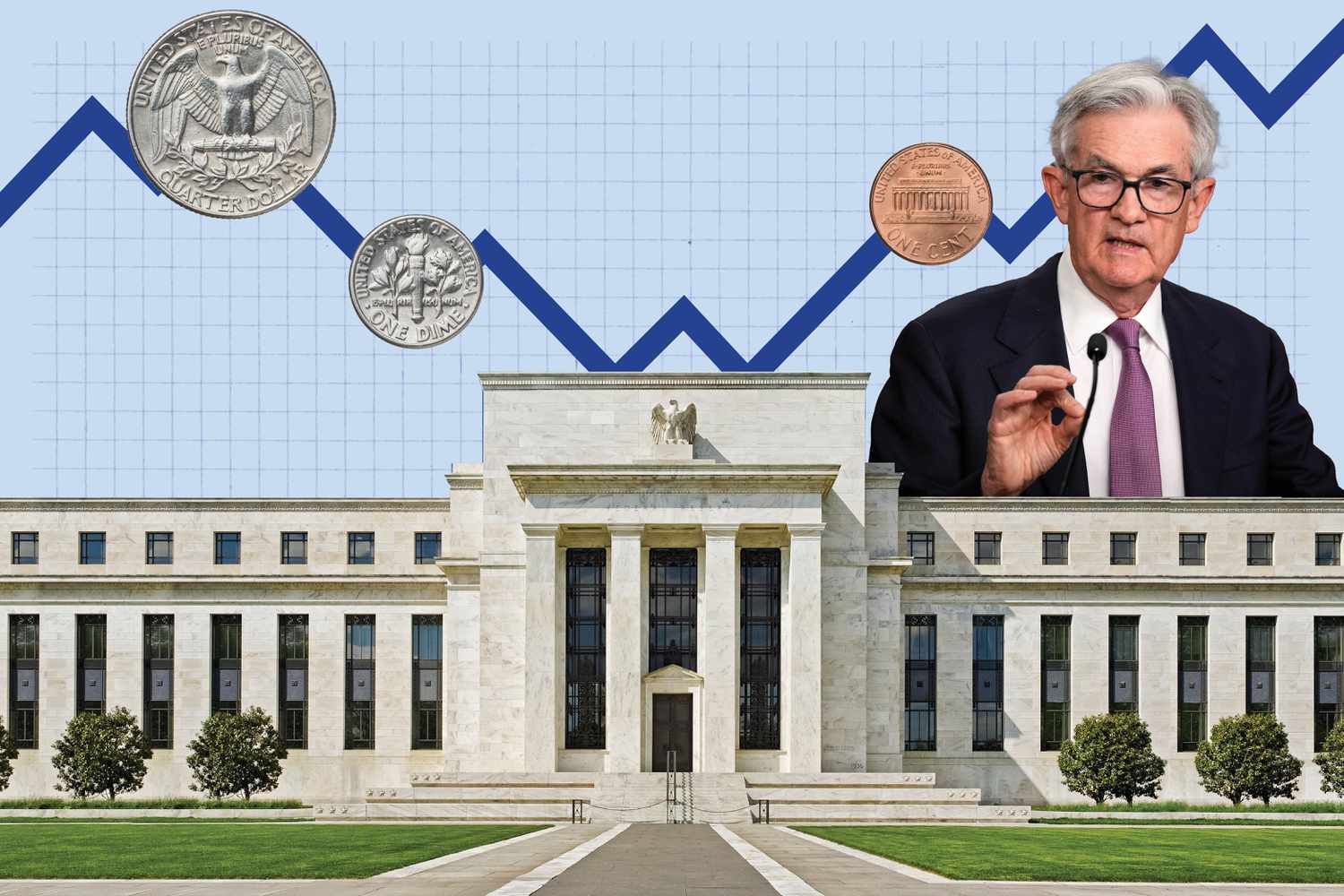
The Federal Reserve (aka “the Fed”) is the central bank of the United States. Its job is to keep inflation under control, support employment, and maintain a stable financial system. One of its most powerful tools? Interest rates.

The Fed sets something called the federal funds rate—which is the interest rate banks charge each other to borrow money overnight. This rate trickles down and affects everything from your credit card interest to mortgage rates to stock prices.


📈 When the Fed Raises Rates (Rate Hike)

When the Fed raises rates, borrowing becomes more expensive.

  • Credit cards cost more.
  • Car loans and mortgages get pricier.
  • Business loans are harder to get.

Why do they do this? Usually to cool down inflation. If prices are rising too fast (like gas, groceries, rent), higher rates slow things down. Less borrowing = less spending = lower inflation.

💡 What It Means for You:

  • Stock Market: Stocks often go down short-term. Higher rates mean companies borrow less, spend less, and might grow more slowly.
  • Planning to Buy a House or Car? Loans get more expensive. Your monthly payment goes up.
  • Have Credit Card Debt? You’ll likely pay more in interest.
  • Savings Account? Good news—banks might offer higher returns on your savings.

📉 When the Fed Lowers Rates (Rate Cut)

When the Fed cuts rates, it’s trying to stimulate the economy.

  • Borrowing becomes cheaper.
  • People and businesses are encouraged to spend more.
  • The goal? To boost growth—especially during slowdowns or recessions.

💡 What It Means for You:

  • Stock Market: Stocks usually go up. Cheap money often leads to higher profits and more investment.
  • Planning to Buy a House or Car? Lower interest rates mean smaller monthly payments.
  • Have Credit Card Debt? You might pay less in interest—but not by much. Credit card rates don’t fall as fast.
  • Savings Account? Your bank might lower your interest rate.

🏦 Real-Life Example:

Imagine You’re Buying a House

  • With high interest rates (7% mortgage): A $400,000 loan = ~$2,660/month
  • With low interest rates (4% mortgage): That same loan = ~$1,910/month

That’s $750 more every month, just because of interest rates!


📊 What About Investors?

If you’re investing in the stock market—or thinking about it—Fed decisions are like ripples in a pond.

  • Tech and growth stocks get hit harder when rates rise, because future profits are worth less today.
  • Banks and value stocks often benefit when rates rise, due to better loan margins.
  • Real estate stocks (REITs) may suffer when borrowing is more expensive.

Long-term investors don’t need to panic every time the Fed moves. But it helps to understand how policy shapes the financial climate.


🧠 The Takeaway: Think Like a Financial Weather Forecaster

  • Rate Hikes = Cooling Down (slow the economy)
  • Rate Cuts = Heating Up (stimulate growth)

These are not just Wall Street terms—they affect your mortgage, your credit card, your investments, and even your job prospects.


✅ Actionable Tips for You

  1. Buying a home soon? Shop for the best rate—but know it could rise after a Fed meeting.
  2. Investing? Don’t chase short-term moves. Think long-term, but stay informed.
  3. Carrying debt? Consider paying off high-interest credit cards before rates rise again.
  4. Savings? Compare interest rates on high-yield accounts when rates are rising.

Final Thoughts: Why It Matters

Fed decisions may sound like boring economic news, but they’re actually power moves that shape your financial life. The more you understand what’s going on behind the headlines, the more confidently you can make smart money moves.

Next time you hear, “The Fed just raised rates,” don’t just scroll past it—know exactly what it means for you.


📚 Want to Learn More?

Check out our beginner-friendly articles and video explainers at FutureFinanceLab.com. We’re breaking down finance, one simple concept at a time.

How Compound Interest Works (And How to Use It to Get Rich)

Introduction: The Magic of Compound Interest

We’ve all heard the term “compound interest,” but what exactly is it? In short, compound interest is the process where interest earned on an investment is reinvested, generating additional interest. This creates a snowball effect, where your money starts working for you, accelerating growth over time. If you want to get rich, understanding and harnessing the power of compound interest can be one of the best financial moves you can make.


What is Compound Interest?

Compound interest is the idea of earning interest not just on your initial investment, but also on the interest that’s been added. For example, if you invest money and earn interest, that interest is added to your investment. The next time interest is calculated, it’s based on the original amount plus the interest already earned. Over time, this builds up and accelerates the growth of your investment.

Example:

Imagine you invest $1,000 at an interest rate of 5%. In the first year, you’ll earn $50 in interest, bringing your total to $1,050. In the second year, the 5% interest will be applied to $1,050, so you’ll earn $52.50. The next year, you’ll earn interest on the $1,102.50, and so on. The more time you leave your money to grow, the bigger the snowball becomes.


How to Use Compound Interest to Get Rich

Compound interest works best when you let your investments grow over a long period. Here are a few strategies to maximize its power:

1. Start Early

The earlier you start, the more time your money has to grow. Even small investments made early can lead to large amounts over time.

2. Reinvest Your Earnings

Rather than withdrawing your earnings, reinvest them back into your investment. This allows your wealth to keep growing, rather than stagnating.

3. Make Regular Contributions

Investing regularly, even small amounts, can significantly boost the power of compounding. The more you invest over time, the more your wealth grows.

4. Choose High-Interest Investments

Look for investments with high interest rates or returns. Stocks, bonds, and other assets that generate returns over time are perfect vehicles for compound growth.


Real-World Example: How Compound Interest Works in Practice

Here’s how compound interest can work in the real world:

Let’s say two people start investing at different times:

  • Investor 1 starts at age 25, investing $5,000 a year, with a return of 7% annually.
  • Investor 2 starts at age 35, investing the same amount with the same return.

By the time Investor 1 is 55, they will have accumulated over $700,000. But Investor 2, starting later, will have only around $350,000 by the same age. The difference? Time. Investor 1’s money has had more time to grow through compound interest.


Why Compound Interest is the Eighth Wonder of the World

Albert Einstein famously referred to compound interest as the “eighth wonder of the world,” and for good reason. It’s an incredibly powerful tool that can turn small, consistent contributions into substantial wealth over time.


The Risks of Compound Interest

While compound interest is a powerful wealth-building tool, it’s important to manage the risks:

  • Market Fluctuations: Investments like stocks or cryptocurrencies can be volatile.
  • Inflation: Inflation can erode the purchasing power of your returns.
  • Interest Rates: Keep an eye on the interest rates, as they can change and affect your returns.

How to Get Started with Compound Interest Today

If you want to harness the power of compound interest, start by:

  • Setting up a retirement account or an investment account that compounds returns.
  • Investing in a diversified portfolio to manage risk.
  • Reinvesting any earnings or dividends to maximize growth.

Conclusion: Start Using Compound Interest Now to Build Wealth

The key to wealth is leveraging time and compound interest. It’s not about making quick, speculative bets but making disciplined, consistent investments over time. The earlier you start and the more you contribute, the more powerful the effects of compounding will be. It’s the ultimate tool for building long-term wealth.

Ready to get started on your wealth-building journey? Join FutureFinanceLab.com to gain access to exclusive financial education tools, investment strategies, and insights that can help you make the most of your money. Learn more about how to put compound interest to work for you and start building your financial future today.