Wall Streets Crypto Embrace: Big Banks Quietly Moving In

In a surprising but increasingly evident shift, major financial institutions are making bold moves into the cryptocurrency space. The recent news that BNY Mellon, Citi, State Street, Bank of Montreal, and Goldman Sachs are engaging in various crypto-related activities signals a growing institutional appetite for digital assets. While regulatory uncertainty has kept traditional banks at bay for years, the tide appears to be turning.

A New Era for Crypto Custody and Investment

State Street & Citi Bank Enter Crypto Custody

According to reports, State Street and Citi Banks two of the worlds largest custodian banks are launching crypto custody services. This is a significant move, as custodian banks play a crucial role in safeguarding institutional assets. With State Street managing over $44 trillion in assets and Citi Bank overseeing around $2.14 trillion, their involvement in digital asset custody could bridge the gap between traditional finance and crypto.

Crypto custody services allow institutional investors to hold Bitcoin and other digital assets securely, which has been a key barrier preventing mainstream adoption. This development suggests that demand for crypto exposure among institutional clients is reaching new highs.

Bank of Montreal Quietly Accumulating Bitcoin ETFs

While some banks are focused on infrastructure, others are making direct investments. The Bank of Montreal (BMO) has reportedly been quietly accumulating Bitcoin ETFs. This indicates growing confidence in Bitcoin as a long-term asset and suggests that institutional players are looking to gain exposure to crypto in regulated and familiar ways.

Bitcoin ETFs have gained significant traction recently, providing a more accessible investment vehicle for both retail and institutional investors. BMOs actions reflect a broader trend of financial institutions positioning themselves ahead of potential future price surges.

Goldman Sachs Betting Big on Bitcoin and Ethereum

Perhaps the most striking development comes from Goldman Sachs, which has been betting billions on Bitcoin and Ethereum amid price volatility. While Goldman Sachs has had a love-hate relationship with crypto in the past, the firm is now actively trading and profiting from digital asset volatility.

This move suggests that major financial institutions are no longer just experimenting with crypto—they are actively engaging in it as a core part of their trading strategies. As more firms follow Goldmans lead, the crypto market could see increased liquidity and stability.

Why Are Banks Moving Into Crypto Now?

Several factors are driving this institutional shift toward crypto:

1. Regulatory Clarity is Improving : Governments and financial watchdogs are starting to provide clearer frameworks for institutional crypto adoption.

2. Institutional Demand is Surging : Hedge funds, pension funds, and high-net-worth individuals are demanding exposure to digital assets.

3. Crypto is Becoming a Mainstream Asset Class:The rise of Bitcoin ETFs and blockchain integration into finance has made digital assets more appealing.

4. Competitive Pressure :As more banks embrace crypto, others risk falling behind if they don’t adapt.

What This Means for the Future of Crypto

The involvement of these major banks legitimizes cryptocurrency in a way that was previously unthinkable. While retail investors have been active in crypto for over a decade, institutional adoption has been the missing piece. With trillions in assets under management, these financial giants could dramatically reshape the crypto landscape.

As more banks roll out custody services, investment products, and trading desks, cryptocurrency could become as integral to financial markets as traditional assets like stocks and bonds. For crypto investors, this institutional embrace is bullish, as it increases adoption, liquidity, and long-term stability.

One thing is certain: Wall Street is no longer ignoring crypto it’s moving in.

By joining FutureFinanceLab.com, you’ll not only learn how to get started but also discover advanced strategies to grow your portfolio and manage risks effectively.

Start your crypto journey today!

The Future of Digital Assets: What You Need to Know

What Are Digital Assets?

Digital assets are more than just cryptocurrencies. They include everything from Bitcoin and Ethereum to tokenized real estate, NFTs, and AI-powered financial instruments. As the world shifts toward a digital-first economy, understanding these assets is essential for staying ahead.

Why Digital Assets Matter

The financial landscape is evolving, and digital assets are at the forefront. They offer transparency, security, and efficiency that traditional financial systems struggle to match. With blockchain technology enabling decentralized finance (DeFi), investors now have more opportunities to diversify and grow wealth outside of traditional banking.

Investment Opportunities in Digital Assets

  • Bitcoin & Cryptocurrencies – The foundation of digital assets, Bitcoin remains a strong long-term store of value.
  • Tokenized Real Estate – Invest in fractional ownership of real estate through blockchain-based tokens.
  • NFTs & Digital Collectibles – Beyond art, NFTs represent ownership of virtual assets, music rights, and even intellectual property.
  • AI & Web3 – The rise of AI-driven financial platforms and Web3 technology is reshaping the way we interact with digital assets.

The Risks & How to Navigate Them

While digital assets present massive opportunities, they also come with risks like volatility, regulatory uncertainty, and security threats. Investors must stay informed and adopt strategies to mitigate these risks.

🚀 Want to stay ahead of the digital finance revolution? Get exclusive insights and strategies—become a member of FutureFinanceLab.com today!

📊 How to Read Stock Market Trends Without Feeling Overwhelmed 🧠💼

 Simplified Strategies for Spotting Market Opportunities and Making Confident Decisions


🚀  The Stock Market Doesn’t Have to Be Scary

The stock market often feels like a chaotic storm of graphs, financial jargon, and numbers that never stop moving. For beginners and even seasoned investors, trying to “read the market” can feel like learning a foreign language.

But here’s the truth: you don’t need a PhD in finance or a Wall Street office to understand stock market trends. With a few simplified tools and strategies, you can confidently interpret market movements and make informed investment choices.

This guide, brought to you by FutureFinanceLab.com, breaks down easy-to-understand methods for analyzing market trends—without the stress. 🧘‍♀️📈


📚 1. Understanding Stock Market Trends: The Basics

stock market trend is the general direction in which the market, a sector, or an individual stock is moving. Trends can be:

  • 📈 Uptrend (Bullish): Prices are generally increasing.
  • 📉 Downtrend (Bearish): Prices are generally decreasing.
  • ➡️ Sideways Trend: Prices fluctuate within a narrow range.

🔑 Quick Tip: Don’t get caught up in every small movement. Focus on the bigger picture over weeks or months rather than minute-by-minute changes.

🛠️ Tool to Use: Free apps like Yahoo Finance or TradingView to visualize trends with simple charts.


🧠 2. Simplified Tools for Reading Trends

📊 A. Moving Averages (The Smooth Line Trick)

  • What Is It? Moving averages smooth out daily price fluctuations to show the overall direction.
  • Simple Moving Average (SMA): Average price over a specific time (e.g., 50-day or 200-day).
  • How to Use It:
    • If the stock price is above the moving average, it’s an uptrend.
    • If the stock price is below the moving average, it’s a downtrend.

🧩 Quick Hack: The 50-day SMA crossing above the 200-day SMA is often called the “Golden Cross”—a bullish signal.


📊 B. Support and Resistance (The Invisible Floor and Ceiling)

  • What Is It?
    • Support: The price level where demand is strong enough to prevent further decline.
    • Resistance: The price level where selling pressure prevents further growth.
  • How to Use It:
    • Buy near support levels (lower price points).
    • Sell or take profits near resistance levels (higher price points).

🧩 Quick Hack: Look for 3–4 bounces off a price point on a chart to confirm strong support or resistance.


📊 C. RSI (Relative Strength Index) – The “Overbought” or “Oversold” Gauge

  • What Is It? A momentum indicator showing whether a stock is overbought (expensive) or oversold (cheap).
  • Scale: Ranges from 0 to 100.
    • Above 70: Stock may be overbought (could pull back).
    • Below 30: Stock may be oversold (could bounce back).

🧩 Quick Hack: A stock with an RSI under 30 and sitting near a support level is often a good buy signal.


📈 3. Pay Attention to Broader Market Signals

🌍 A. Economic Indicators:

  • GDP Growth: A growing economy supports rising stock prices.
  • Inflation Rates: Moderate inflation is healthy, but rapid inflation can hurt markets.
  • Federal Reserve Policies: Interest rate hikes usually slow down stock growth.

📰 B. Market Sentiment (The Investor Mood Swing)

  • Fear and Greed Index: Tracks investor emotions.
  • VIX (Volatility Index): High VIX = Uncertainty, Low VIX = Confidence.

🔑 Rule of Thumb:

  • High fear = Potential buying opportunity.
  • High greed = Time to be cautious.

🛠️ 4. Easy-to-Use Tools for Beginners

You don’t need Bloomberg Terminals to follow market trends. Start with these beginner-friendly platforms:

✅ Yahoo Finance: Free, simple charts and news updates.
✅ TradingView: Visual charts with built-in indicators.
✅ Google Finance: Quick summaries and portfolio tracking.
✅ Finviz: Easy-to-read heatmaps and trend screeners.

🧩 Pro Tip: Spend 10 minutes a day reviewing market summaries and top movers to stay informed.

For more beginner-friendly resources, check out FutureFinanceLab.com—your hub for simplified finance knowledge.


🎯 5. Keep It Simple: Build a Routine

Understanding trends doesn’t mean analyzing every stock daily. Here’s an easy 3-step weekly routine:

1️⃣ Weekly Chart Review (Sunday Night): Check major indices (S&P 500, Nasdaq) for overall market direction.
2️⃣ Set Alerts (Mid-Week): Use apps to set price alerts for your favorite stocks.
3️⃣ Reflect and Adjust (Friday): Review what worked and what didn’t.

🔑 Key Takeaway: Consistency beats complexity.


💡 6. Common Mistakes to Avoid

🚫 1. Chasing Hype: Avoid stocks just because they’re trending on social media.
🚫 2. Analysis Paralysis: Don’t overthink—stick to 2–3 indicators max.
🚫 3. Ignoring Stop-Loss Orders: Always have a stop-loss to limit downside risk.

🔑 Golden Rule: If a trend doesn’t make sense to you, stay out until it does.


🧠 7. Final Thoughts: Keep Calm and Invest Smart

Reading stock market trends doesn’t require you to be a financial wizard. It’s about:
✅ Using simple tools effectively (SMA, RSI, Support/Resistance).
✅ Staying consistent with a routine.
✅ Ignoring emotional impulses driven by hype.

The stock market rewards patience, discipline, and preparation.

Start small, stay focused, and you’ll find that understanding market trends isn’t as intimidating as it seems.

👉 Ready to simplify your investment strategy? Bookmark this guide and start building your confidence in reading market trends today! 🚀📊


📢 For more practical investing tips, deep market insights, and easy-to-follow financial education, visit FutureFinanceLab.com. 🌟

Stay informed. Stay empowered. Stay ahead. 🧠📈✨

Unlocking Hidden Value: The Magic of Hidden Assets in Investing

In the stock market, sometimes two and two equals eight. How? Because a company can possess hidden assets that aren’t reflected in its stock price. When Wall Street finally recognizes these hidden gems, the stock can skyrocket.

Disney: A Case Study in Hidden Assets

Take Disney as an example. After opening Disney World and EPCOT, the company’s growth appeared to slow. However, hidden within Disney were untapped treasures. The Disney name itself became a powerhouse, launching initiatives like the Disney Channel, licensing Mickey Mouse, and expanding their merchandise. Remarkably, many of these assets were sitting on the books for little to no value!

But it didn’t stop there. Disney owned extensive land inside Disney World, while competitors built hotels outside. Instead of letting the opportunity slip by, Disney transformed that land into new parks and invited other companies to pay for the privilege of building within their property. These moves unlocked immense value and reignited growth.

Identifying Hidden Assets

Hidden assets come in many forms:

  • Real Estate: Companies often own valuable real estate whose market value isn’t fully reflected on their balance sheets.
  • Patents and Intellectual Property: Patents can provide a significant competitive edge, as seen with companies like Intel.
  • Brand Power: Iconic brands like Coca-Cola carry immense value, even though this might not appear on financial statements.

Buying Stocks Below Cash Value

Sometimes, a stock might even trade below its cash value after subtracting all debt. In such cases, it’s like getting the underlying business for free. These opportunities are rare but highly rewarding when they align with a strong, sustainable business model.

What This Means for Investors

When researching a stock, always ask yourself: Are there hidden assets waiting to be unlocked? A company’s true value often goes beyond its balance sheet, and recognizing these hidden opportunities can lead to exceptional returns. So keep your eyes open for those 2 + 2 equals 8 moments—you might just find your next big investment.

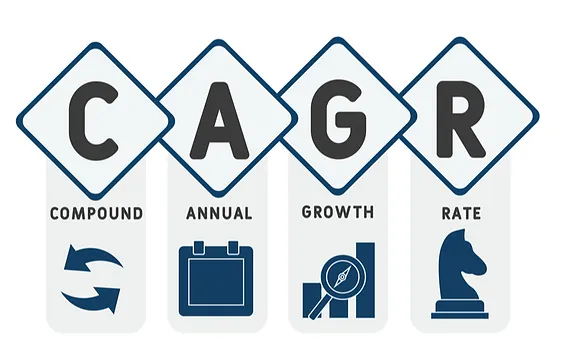
📊 What is CAGR and How Can It Help You Make Smart Investment Decisions?

CAGR (Compound Annual Growth Rate) is a simple tool that helps you understand how much an investment has grown on average every year over a specific period — even if it didn’t grow the same amount each year.

Think of it like this: If your investment were growing at a steady rate every year, CAGR tells you what that rate would be.


🧠 Why is CAGR Important for Smart Investing?

  • 📈 Compare Investments Easily: See which investment performed better over time.
  • ⏳ Long-Term Clarity: Understand long-term growth without worrying about yearly ups and downs.
  • 🎯 Set Realistic Goals: Plan future investments with clear expectations.

🛠️ How to Calculate CAGR (The Easy Way)

Here’s the formula:CAGR=(Ending ValueBeginning Value)1n−1CAGR=(Beginning ValueEnding Value​)n1​−1

Or just use an online CAGR calculator!


💡 Quick Example:

  • You invested $1,000 in a stock.
  • After 5 years, it grew to $2,000.

The CAGR formula tells us:CAGR=(2,0001,000)15−1=14.87%CAGR=(1,0002,000​)51​−1=14.87%

This means your investment grew 14.87% per year on average over 5 years.


🚀 How to Use CAGR for Smart Decisions:

1️⃣ Compare Investments: Which stock or fund had better average yearly growth?
2️⃣ Track Your Goals: Are your investments growing fast enough to meet your targets?
3️⃣ Adjust Your Strategy: If the CAGR is lower than expected, it might be time to rethink your plan.


📌 Key Takeaway:

CAGR isn’t just a number — it’s a tool for smart, informed investment decisions. Whether you’re comparing stocks, planning retirement, or setting financial goals, CAGR helps you see the bigger picture.

Want to learn more about making smart investment choices? Explore more guides on FutureFinanceLab.com. 🌟

Understanding Balance Sheets: A Quick Guide to Smarter Investing

A balance sheet is one of the most powerful tools to understand a company’s financial health. At FutureFinanceLab.com, we simplify finance, and today we’re breaking down the balance sheet into digestible insights that every investor should know.


What’s a Balance Sheet?

Think of a balance sheet as the financial snapshot of a company. It reveals what the company owns (assets), what it owes (liabilities), and its net worth (equity). By subtracting liabilities from assets, you get equity—a critical metric that shows the company’s real value. Simple yet essential.


Why Cash is King

Cash gives a company the flexibility to seize opportunities or weather tough times. Whether it’s buying back shares, paying off debt, or fueling expansion, having plenty of cash is always a positive sign. Here’s the secret: subtract total debt from cash on hand. If the result is strong and positive, you’re looking at a company with a rock-solid balance sheet.


A Real-World Example

Imagine a company with $20 million in cash, no debt, and 4 million shares outstanding. That means $5 cash per share. If the stock price is $10, you’re effectively paying just $5 for the business itself. Now that’s a potential bargain worth considering!


The Debt Factor

Debt is a double-edged sword. While some debt can help a company grow, too much can be a red flag. A quick rule of thumb: if total debt exceeds 50% of the company’s capitalization, it’s risky. However, if it’s under 20%, you’ve got a safer bet. Remember, some industries like banking and financial services naturally operate with higher debt levels—so always check what’s typical for the sector.


Hidden Liabilities: Leases in Disguise

Not all debts are obvious. Long-term leases can be hidden in the fine print as capitalized lease obligations. These commitments can significantly impact a company’s financial health but are often overlooked by investors. Always dive into the footnotes for a complete picture.


The Democratization of Data

In the past, professional investors had a significant edge in accessing financial data. Today, technology has leveled the playing field. With the right tools and a basic understanding of balance sheets, anyone can evaluate a company’s financial standing like a pro.


Final Thoughts

Mastering balance sheets can transform the way you invest. At FutureFinanceLab.com, our mission is to equip you with the knowledge to make informed financial decisions. From spotting cash-rich companies to avoiding debt traps, understanding the basics is your first step toward smarter investing.

Ultimate Beginner’s Guide to Cryptocurrency: How to Get Started

At FutureFinanceLab.com, we don’t just teach you about cryptocurrency—we help you take action. If you’re ready to dive into the world of digital currencies, here’s everything you need to know to open an account and get started.


1. What is Cryptocurrency?

Cryptocurrency is digital money that exists only online. Unlike regular currency, it operates without a central authority (like a bank) and uses blockchain technology to track transactions.

The most famous cryptocurrency is Bitcoin (BTC), but there are many others like Ethereum (ETH) and Litecoin (LTC).


2. Step-by-Step Guide: How to Open an Account and Buy Your First Cryptocurrency

Step 1: Choose a Cryptocurrency Exchange

To buy cryptocurrency, you need to open an account on a cryptocurrency exchange. Popular exchanges include:

  • Coinbase: Great for beginners.
  • Binance: Offers a wide range of cryptocurrencies.
  • Kraken: Known for its strong security features.

Step 2: Sign Up and Verify Your Identity

Once you’ve chosen an exchange, you’ll need to create an account by entering your basic personal information, like your name and email address. Most exchanges will require you to verify your identity (KYC—Know Your Customer), which typically involves submitting a photo of your ID and a selfie.


Step 3: Deposit Funds Into Your Account

After your account is verified, you can deposit funds into it. Most exchanges allow you to deposit using USDEUR, or other fiat currencies via:

  • Bank Transfer
  • Credit or Debit Card
  • PayPal (on certain exchanges)

Step 4: Buy Your Cryptocurrency

Once your account is funded, you’re ready to buy cryptocurrency. You’ll find a variety of coins available for purchase, but to get started, you might want to buy Bitcoin (BTC) or Ethereum (ETH), as they are the most widely used.

  • Select the coin you want to buy.
  • Choose how much you want to invest.
  • Complete the transaction.

Step 5: Store Your Cryptocurrency Safely

After buying your cryptocurrency, it’s important to store it securely. Here’s how:

  • Hot Wallet: An online wallet connected to the internet (easy to access but less secure).
  • Cold Wallet: A hardware wallet that stores your cryptocurrency offline (more secure for long-term storage).

3. Why Cryptocurrency?

  • Potential for High Returns: Bitcoin and other cryptocurrencies have experienced significant growth in recent years.
  • Decentralization: You have control over your funds, with no bank or government involved.
  • Innovation: Cryptocurrency and blockchain are transforming industries, including finance, healthcare, and technology.

4. The Risks of Cryptocurrency

While cryptocurrency offers huge opportunities, it’s important to be aware of the risks:

  • Volatility: Prices can change rapidly.
  • Security Risks: Always store your crypto safely, and use secure exchanges.
  • Regulation: Cryptocurrency is still being regulated in many countries, so it’s important to stay updated on legal matters.

5. Start Your Journey Today at FutureFinanceLab.com

At FutureFinanceLab.com, we don’t just give you the basics—we guide you step by step. We offer exclusive tutorials and resources to help you make the right choices when opening an account, investing, and securing your cryptocurrency.

Ready to take the first step? Join our membership today to access more detailed guides, expert strategies, and a community of crypto enthusiasts like you.


By joining FutureFinanceLab.com, you’ll not only learn how to get started but also discover advanced strategies to grow your portfolio and manage risks effectively.

Start your crypto journey today! 🚀

How to Grow Your Wealth by Investing $50 Weekly: A Diversified Approach

Investing $50 every week might seem small, but with a well-structured, diversified portfolio that includes Bitcoin, S&P 500 ETFs, and other key assets, it can become a powerful wealth-building strategy over time. In this guide, we’ll explore how consistent weekly investments can grow over 1, 5, and 10 years—and how you can get started with insights from FutureFinanceLab.com.


📊 Why a Diversified Portfolio Matters

A diversified portfolio spreads your $50 across different asset classes, reducing risk while increasing potential returns. Here’s an example breakdown:

  • 40% in S&P 500 ETFs: Steady, long-term growth through exposure to leading U.S. companies.
  • 30% in Bitcoin: High-risk, high-reward potential from cryptocurrency.
  • 20% in Global/Tech ETFs: Broader exposure to international and tech-focused stocks.
  • 10% in Bonds or Stable Assets: Stability during market downturns.

This blend offers growth, protection against volatility, and long-term sustainability.


🚀 Investment Growth Projections Over Time

1-Year Outlook

  • Total Invested: $2,600 ($50 × 52 weeks)
  • Expected Growth:
    • S&P 500 ETFs (7% return): $1,040 → ~$1,110
    • Bitcoin (10-20% variable return): $780 → ~$860–$930
    • Global/Tech ETFs (6-8% return): $520 → ~$550–$560
    • Bonds/Stable Assets (3% return): $260 → ~$267

💼 Total Estimated Portfolio Value: ~$2,780–$2,867

🔑 Key Takeaway: In the first year, growth may seem modest, but consistency is building a strong foundation.


5-Year Outlook

  • Total Invested: $13,000 ($50 × 52 weeks × 5 years)
  • Expected Growth:
    • S&P 500 ETFs: $5,200 → ~$7,300
    • Bitcoin: $3,900 → ~$6,000–$8,000
    • Global/Tech ETFs: $2,600 → ~$3,500
    • Bonds/Stable Assets: $1,300 → ~$1,500

💼 Total Estimated Portfolio Value: ~$18,300–$20,300

🔑 Key Takeaway: Compound growth starts showing significant results by year five, with Bitcoin contributing to higher upside potential.


10-Year Outlook

  • Total Invested: $26,000 ($50 × 52 weeks × 10 years)
  • Expected Growth:
    • S&P 500 ETFs: $10,400 → ~$21,000
    • Bitcoin: $7,800 → ~$15,000–$25,000
    • Global/Tech ETFs: $5,200 → ~$10,000
    • Bonds/Stable Assets: $2,600 → ~$3,500

💼 Total Estimated Portfolio Value: ~$49,500–$59,500

🔑 Key Takeaway: The power of consistency and compounding creates impressive long-term results. Bitcoin’s volatility may cause larger swings, but overall diversification balances risk and reward.


📚 Why FutureFinanceLab.com is Your Go-To Resource

At FutureFinanceLab.com, we focus on making financial education accessible and practical. Whether you’re a beginner or an experienced investor, you’ll find:

✅ Step-by-step investment guides
✅ Real-time market analysis
✅ Updates on Bitcoin, ETFs, and diversified portfolios
✅ Personalized AI-driven financial insights

Stay informed, make smarter investment choices, and grow your financial future with confidence.


🛠️ Steps to Start Investing $50 Weekly

  1. Open an Investment Account: Choose a broker or investment app with access to ETFs, Bitcoin, and diversified funds.
  2. Automate Weekly Investments: Set up recurring deposits every week.
  3. Diversify Smartly: Allocate your $50 across different assets as shown above.
  4. Track Performance: Regularly review and rebalance your portfolio.
  5. Educate Yourself: Stay updated with resources from FutureFinanceLab.com.

🌟 Final Thoughts

Investing $50 weekly isn’t just about the amount—it’s about consistency, discipline, and diversification. By spreading your investment across Bitcoin, ETFs, and other assets, you reduce risk and maximize growth potential over time.

Start today, stick to your plan, and let FutureFinanceLab.com guide you on your journey to financial freedom. 🚀

Greed and Fear: The Twin Forces Driving Financial Markets

Financial markets are a reflection of human emotion, where greed and fear play leading roles. These two forces influence investors’ decisions, often driving them to irrational behaviors. To navigate the complexities of investing, understanding how greed and fear operate is essential—especially when examining historical events like the 2008 financial crisis.

Warren Buffett’s Timeless Advice

Warren Buffett, renowned for his wisdom and long-term investing approach, provided a valuable perspective on these emotions in his 2008 letter to shareholders following the market crash. His advice remains as relevant today as it was then:

“Be fearful when others are greedy, and greedy when others are fearful.”

This philosophy underscores the importance of contrarian thinking in investing. When fear dominates and prices plummet, opportunities for value investing emerge. Conversely, when markets are euphoric, inflated prices often signal increased risk.

Behavioral Finance: The Psychology of Markets

Behavioral finance explores how psychological factors influence financial decisions. By analyzing these biases, investors can better understand market trends and their own tendencies.

  1. Herd Mentality
    Investors often follow the crowd, leading to booms and busts. During the 2008 crisis, fear drove mass sell-offs, causing markets to spiral downward. Similarly, unchecked optimism during the housing bubble fueled overvaluation.
  2. Loss Aversion
    This bias, where losses hurt more than gains feel rewarding, often leads investors to avoid risks or hold onto losing investments, hoping for a rebound.
  3. Overconfidence
    In bull markets, many investors believe they can outsmart the market, feeding speculative bubbles. This overconfidence often results in poor timing and costly mistakes.

Lessons from the 2008 Financial Crisis

The 2008 financial crisis serves as a textbook example of greed and fear at work. Excess greed in the form of subprime mortgages and complex financial instruments pushed markets to unsustainable levels. When the bubble burst, fear caused a massive sell-off, leading to a global recession.

In his letter, Buffett emphasized sticking to investment fundamentals, maintaining a long-term outlook, and avoiding speculative behavior. His advice highlights the importance of emotional discipline during turbulent times.

Practical Tips for Managing Greed and Fear

  • Focus on Value: Invest in quality assets at reasonable prices, avoiding the temptation of chasing speculative trends.
  • Stay Rational: Develop a disciplined investment strategy and stick to it, even during market highs or lows.
  • Learn from History: Understanding past market cycles can help anticipate future trends and avoid common pitfalls.
  • Diversify: Spread investments across asset classes to minimize risks associated with extreme market swings.

Join Our Community of Learners

Markets will always be influenced by greed and fear, but successful investors learn to recognize and manage these emotions. At Future Finance Lab, we’re dedicated to helping you master the tools and knowledge needed to thrive in today’s financial landscape.

By becoming a member, you’ll gain access to personalized learning experiences, expert insights, and a community of like-minded individuals passionate about financial growth. From market analysis to cryptocurrency and personal finance strategies, our platform empowers you to take control of your financial journey.

Join us today to be part of a growing community that prioritizes learning, rational decision-making, and long-term success. Together, we can turn fear into opportunity and greed into thoughtful action.

👉 Become a Member Now and start building a smarter financial future!