How to Grow Your Wealth by Investing $50 Weekly: A Diversified Approach

Investing $50 every week might seem small, but with a well-structured, diversified portfolio that includes Bitcoin, S&P 500 ETFs, and other key assets, it can become a powerful wealth-building strategy over time. In this guide, we’ll explore how consistent weekly investments can grow over 1, 5, and 10 years—and how you can get started with insights from FutureFinanceLab.com.


📊 Why a Diversified Portfolio Matters

A diversified portfolio spreads your $50 across different asset classes, reducing risk while increasing potential returns. Here’s an example breakdown:

  • 40% in S&P 500 ETFs: Steady, long-term growth through exposure to leading U.S. companies.
  • 30% in Bitcoin: High-risk, high-reward potential from cryptocurrency.
  • 20% in Global/Tech ETFs: Broader exposure to international and tech-focused stocks.
  • 10% in Bonds or Stable Assets: Stability during market downturns.

This blend offers growth, protection against volatility, and long-term sustainability.


🚀 Investment Growth Projections Over Time

1-Year Outlook

  • Total Invested: $2,600 ($50 × 52 weeks)
  • Expected Growth:
    • S&P 500 ETFs (7% return): $1,040 → ~$1,110
    • Bitcoin (10-20% variable return): $780 → ~$860–$930
    • Global/Tech ETFs (6-8% return): $520 → ~$550–$560
    • Bonds/Stable Assets (3% return): $260 → ~$267

💼 Total Estimated Portfolio Value: ~$2,780–$2,867

🔑 Key Takeaway: In the first year, growth may seem modest, but consistency is building a strong foundation.


5-Year Outlook

  • Total Invested: $13,000 ($50 × 52 weeks × 5 years)
  • Expected Growth:
    • S&P 500 ETFs: $5,200 → ~$7,300
    • Bitcoin: $3,900 → ~$6,000–$8,000
    • Global/Tech ETFs: $2,600 → ~$3,500
    • Bonds/Stable Assets: $1,300 → ~$1,500

💼 Total Estimated Portfolio Value: ~$18,300–$20,300

🔑 Key Takeaway: Compound growth starts showing significant results by year five, with Bitcoin contributing to higher upside potential.


10-Year Outlook

  • Total Invested: $26,000 ($50 × 52 weeks × 10 years)
  • Expected Growth:
    • S&P 500 ETFs: $10,400 → ~$21,000
    • Bitcoin: $7,800 → ~$15,000–$25,000
    • Global/Tech ETFs: $5,200 → ~$10,000
    • Bonds/Stable Assets: $2,600 → ~$3,500

💼 Total Estimated Portfolio Value: ~$49,500–$59,500

🔑 Key Takeaway: The power of consistency and compounding creates impressive long-term results. Bitcoin’s volatility may cause larger swings, but overall diversification balances risk and reward.


📚 Why FutureFinanceLab.com is Your Go-To Resource

At FutureFinanceLab.com, we focus on making financial education accessible and practical. Whether you’re a beginner or an experienced investor, you’ll find:

✅ Step-by-step investment guides
✅ Real-time market analysis
✅ Updates on Bitcoin, ETFs, and diversified portfolios
✅ Personalized AI-driven financial insights

Stay informed, make smarter investment choices, and grow your financial future with confidence.


🛠️ Steps to Start Investing $50 Weekly

  1. Open an Investment Account: Choose a broker or investment app with access to ETFs, Bitcoin, and diversified funds.
  2. Automate Weekly Investments: Set up recurring deposits every week.
  3. Diversify Smartly: Allocate your $50 across different assets as shown above.
  4. Track Performance: Regularly review and rebalance your portfolio.
  5. Educate Yourself: Stay updated with resources from FutureFinanceLab.com.

🌟 Final Thoughts

Investing $50 weekly isn’t just about the amount—it’s about consistency, discipline, and diversification. By spreading your investment across Bitcoin, ETFs, and other assets, you reduce risk and maximize growth potential over time.

Start today, stick to your plan, and let FutureFinanceLab.com guide you on your journey to financial freedom. 🚀
Greed and Fear: The Twin Forces Driving Financial Markets

Financial markets are a reflection of human emotion, where greed and fear play leading roles. These two forces influence investors’ decisions, often driving them to irrational behaviors. To navigate the complexities of investing, understanding how greed and fear operate is essential—especially when examining historical events like the 2008 financial crisis.

Warren Buffett’s Timeless Advice

Warren Buffett, renowned for his wisdom and long-term investing approach, provided a valuable perspective on these emotions in his 2008 letter to shareholders following the market crash. His advice remains as relevant today as it was then:

“Be fearful when others are greedy, and greedy when others are fearful.”

This philosophy underscores the importance of contrarian thinking in investing. When fear dominates and prices plummet, opportunities for value investing emerge. Conversely, when markets are euphoric, inflated prices often signal increased risk.

Behavioral Finance: The Psychology of Markets

Behavioral finance explores how psychological factors influence financial decisions. By analyzing these biases, investors can better understand market trends and their own tendencies.

  1. Herd Mentality
    Investors often follow the crowd, leading to booms and busts. During the 2008 crisis, fear drove mass sell-offs, causing markets to spiral downward. Similarly, unchecked optimism during the housing bubble fueled overvaluation.
  2. Loss Aversion
    This bias, where losses hurt more than gains feel rewarding, often leads investors to avoid risks or hold onto losing investments, hoping for a rebound.
  3. Overconfidence
    In bull markets, many investors believe they can outsmart the market, feeding speculative bubbles. This overconfidence often results in poor timing and costly mistakes.

Lessons from the 2008 Financial Crisis

The 2008 financial crisis serves as a textbook example of greed and fear at work. Excess greed in the form of subprime mortgages and complex financial instruments pushed markets to unsustainable levels. When the bubble burst, fear caused a massive sell-off, leading to a global recession.

In his letter, Buffett emphasized sticking to investment fundamentals, maintaining a long-term outlook, and avoiding speculative behavior. His advice highlights the importance of emotional discipline during turbulent times.

Practical Tips for Managing Greed and Fear

  • Focus on Value: Invest in quality assets at reasonable prices, avoiding the temptation of chasing speculative trends.
  • Stay Rational: Develop a disciplined investment strategy and stick to it, even during market highs or lows.
  • Learn from History: Understanding past market cycles can help anticipate future trends and avoid common pitfalls.
  • Diversify: Spread investments across asset classes to minimize risks associated with extreme market swings.

Join Our Community of Learners

Markets will always be influenced by greed and fear, but successful investors learn to recognize and manage these emotions. At Future Finance Lab, we’re dedicated to helping you master the tools and knowledge needed to thrive in today’s financial landscape.

By becoming a member, you’ll gain access to personalized learning experiences, expert insights, and a community of like-minded individuals passionate about financial growth. From market analysis to cryptocurrency and personal finance strategies, our platform empowers you to take control of your financial journey.

Join us today to be part of a growing community that prioritizes learning, rational decision-making, and long-term success. Together, we can turn fear into opportunity and greed into thoughtful action.

👉 Become a Member Now and start building a smarter financial future!

Driving Through a Foggy Night: Powell’s Metaphor for the Fed’s Cautious Path

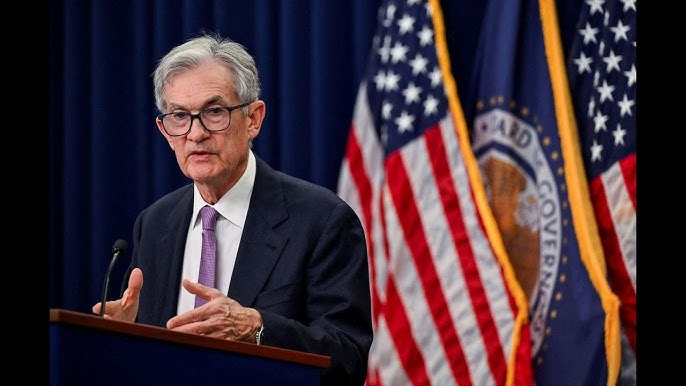
In a pivotal moment during today’s Federal Reserve meeting, Chair Jerome Powell used a striking metaphor to describe the challenges of navigating monetary policy in the current economic climate. He likened the Fed’s approach to driving on a foggy night, where the road ahead is unclear and careful adjustments are essential to avoid going off course.

This simple yet evocative image perfectly captures the complexities the Fed is grappling with: balancing inflation control, economic growth, and financial stability, all while peering through the haze of unpredictable global and domestic factors.


What Powell Meant by the “Foggy Night”

Powell’s metaphor reflects three key uncertainties facing the Fed:

  1. Inflation’s Path:
    While inflation has moderated from its pandemic-era peaks, it remains stubbornly above the Fed’s 2% target. Powell emphasized the challenge of predicting how quickly it will decline, given persistent wage pressures and supply chain disruptions that still linger in pockets of the economy.
  2. Economic Momentum:
    The U.S. economy has shown surprising resilience, with strong labor markets and steady consumer spending. But questions linger about whether this strength can endure as higher interest rates weigh on borrowing and investment.
  3. Global and Domestic Risks:
    Powell acknowledged that geopolitical tensions, volatile energy markets, and shifts in fiscal policy add layers of complexity, making the economic outlook even murkier.

When you’re driving through fog, you rely on limited visibility, adjusting your speed and course as you encounter each obstacle. Similarly, Powell’s Fed is moving cautiously, reacting to new data and avoiding bold moves that could lead to unintended consequences.


Why the “Fog” Matters to You

The metaphor of a foggy night resonates not just for economists and investors but for everyday people, too. Here’s how:

  1. Borrowers:
    For those with mortgages, car loans, or credit cards, the Fed’s cautious approach means interest rates might remain elevated for a bit longer. Refinancing decisions or new loans will need careful consideration.
  2. Savers and Retirees:
    Higher rates might seem like a boon for savings accounts, but uncertainty about inflation and future rate cuts can complicate long-term financial planning.
  3. Investors:
    Whether you’re in stocks, bonds, or crypto, Powell’s “foggy night” highlights the need for patience. Volatility is likely to persist, and markets will continue to react sharply to incoming data.
  4. Business Owners:
    For companies, especially small businesses, unclear economic conditions mean making tough calls on hiring, expansion, and inventory.

How the Markets Interpreted the Fog

The markets weren’t thrilled by Powell’s metaphor. A cautious Fed means no quick return to the era of ultra-low interest rates, and investors responded with a risk-off attitude:

  • Stocks plunged, with major indices dropping 2-3%.
  • Bitcoin tumbled, reflecting broader market jitters.
  • Treasury yields rose, signaling a shift in expectations for higher long-term rates.

Powell’s careful tone reminded investors that the path ahead isn’t straightforward, and the Fed is prepared to slow its pace to avoid missteps.


Lessons From the Foggy Road

Navigating uncertainty is something we all face, whether in monetary policy or daily life. Powell’s metaphor offers a timeless lesson: when the road ahead is unclear, the best course of action is to slow down, proceed with caution, and adjust as visibility improves.

For the Fed, this means being data-driven and adaptable. For everyone else—borrowers, savers, investors—it’s a reminder to take stock of your financial situation, stay informed, and prepare for potential twists and turns.

Like any journey through fog, the conditions won’t last forever. Clarity will return, and the Fed will eventually have a clearer road map. But until then, Powell’s words remind us to stay alert, stay cautious, and trust that every cautious step forward brings us closer to the destination.

Bitcoin, the Fed, and the Market Dance: A Day in Crypto’s World

As I scrolled through the headlines this morning, the air was charged with anticipation: the Federal Reserve was gearing up for its final monetary policy decision of the year. Would they cut rates? Hold steady? Hike unexpectedly? For market-watchers like me, it’s the kind of day where even a sip of coffee feels like a luxury—everything is moving fast, especially in the volatile world of Bitcoin.

The Fed, true to the whispers of analysts, trimmed interest rates by 0.25%. The new target range: 4.25% to 4.5%. While this was expected, it wasn’t without drama. The Fed Chair, Jerome Powell, delivered his trademark cautious optimism, hinting at only two further cuts in 2025, fewer than the market had hoped. And just like that, the ripple effects began.

Bitcoin: The Risk Asset with a Mind of Its Own

Bitcoin has been described as “digital gold,” a hedge against inflation, a decentralized store of value. But on days like today, Bitcoin behaves less like gold and more like a thrill-seeking daredevil. As Powell’s words sank in, Bitcoin took a sharp tumble, falling below the $101,000 mark after flirting with $107,000 earlier in the day.

Why? It’s all about sentiment. In recent years, Bitcoin has grown up. It’s no longer a niche playground for tech geeks—it’s a macroeconomic participant, reacting to central bank decisions and global liquidity just like equities.

When the Fed signaled a slower pace of rate cuts, the message was clear: easy money isn’t coming back as quickly as some investors hoped. And Bitcoin, often seen as a high-risk, high-reward asset, reflected that sentiment instantly.

The Market Mood

Traditional markets weren’t immune to the Fed’s cautious tone either. The S&P 500 sank 2.6%, the Nasdaq dropped over 3%, and Treasury yields ticked higher. The stock market was throwing its own tantrum, and Bitcoin was caught in the crossfire.

It was a reminder of just how interconnected everything is. In 2023, Bitcoin’s correlation to tech stocks began to fade, but the connection hasn’t disappeared completely. A risk-off mood in equities often spills over into crypto.

But here’s the twist: Bitcoin’s dip wasn’t met with despair.

A Silver Lining?

Scrolling through Twitter, Telegram groups, and crypto forums, there was a surprising undercurrent of optimism. Long-term holders saw this dip not as a warning but as an opportunity. “Bitcoin under $101K is a gift,” one post declared confidently. Others pointed out that BTC has weathered far worse storms and emerged stronger.

And that’s what fascinates me about Bitcoin. It’s not just an asset; it’s a movement. Every pullback, every surge carries with it a narrative that transcends numbers. Today’s drop? For some, it’s the Fed tightening the leash on risk assets. For others, it’s just another moment in Bitcoin’s endless dance of volatility—a feature, not a bug.

Lessons From the Day

Here’s the thing about days like today: they remind you why you’re in the game. Bitcoin, for all its volatility, is a mirror to the broader financial ecosystem. The Fed’s decisions, inflation numbers, geopolitical events—they all manifest in Bitcoin’s price chart with stunning immediacy.

But there’s another lesson, too: patience. Markets overreact in the short term, but long-term trends tell the real story. As I watched Bitcoin bounce slightly off its lows, I thought about how many times I’d seen this play out. Back in 2020, a dip to $10K felt catastrophic. Today, $101K feels like a minor blip.

That’s the journey Bitcoin takes you on—a rollercoaster of emotions, sure, but also a journey of perspective.

Where Do We Go From Here?

Nobody knows. And that’s the beauty of it. The Fed may have a roadmap for rates in 2025, but markets—and especially Bitcoin—have a way of surprising everyone.

If today’s action taught me anything, it’s this: Bitcoin thrives on chaos. And for those of us along for the ride, days like today are why we’re here. It’s not just about the price—it’s about witnessing the evolution of a financial revolution, one Fed meeting at a time.

Tomorrow’s another day. The market will open, Bitcoin will move, and the dance will continue. The question isn’t whether Bitcoin will recover—it’s whether you’re ready to keep up with the music.

Crypto Market Mood: Key Insights on Bitcoin, HBAR, STX, and XRP

Introduction

The cryptocurrency landscape remains as dynamic as ever, shaped by global economic factors, regulatory shifts, and technological advancements. While major players like Bitcoin continue to hold a significant share of the market’s attention, other assets like HBAR (Hedera), STX (Stacks), and XRP (Ripple) are emerging with unique value propositions that appeal to both retail and institutional investors.

At Future Finance Lab, we’re committed to keeping you informed about the latest in market sentiment and trends across these key assets. Here’s an overview of where each of these cryptocurrencies stands in today’s market and what the sentiment suggests about potential future performance.

Bitcoin (BTC): The Market’s Leading Indicator

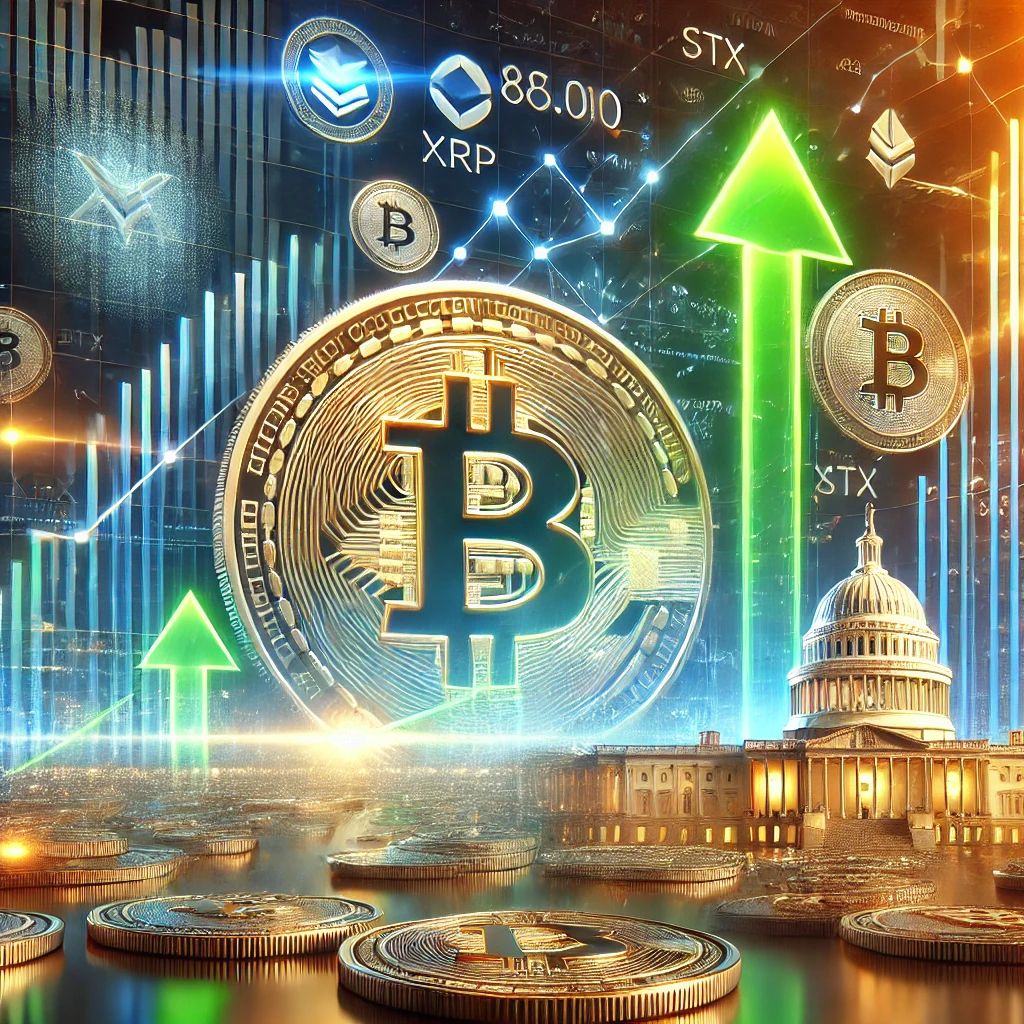
Bitcoin has recently surged, reaching around $88,980 according to the latest data. Its resilience at this price level has reinforced confidence among investors, even as global economic conditions remain uncertain. The sharp increase in trading volume suggests a strong influx of new investments, potentially from institutional players and retail traders re-entering the market.

Sentiment Analysis:

Sentiment around Bitcoin remains overwhelmingly positive, with many market participants closely watching the $90,000 threshold as a psychological level. Breaking above this mark could set the stage for further upside, although some investors are cautious about short-term volatility.

Key Takeaway: Bitcoin’s recent surge strengthens its position as the market leader, setting a positive tone across the crypto space. The sentiment is optimistic but tempered by volatility concerns as BTC approaches $90,000.

Ethereum (ETH): Facing Resistance

Ethereum (ETH) is currently priced around $3,271 and has seen some consolidation as it struggles to break through recent resistance levels. While the broader market is bullish, Ethereum has faced minor pullbacks, likely due to profit-taking and a rotation of capital into Bitcoin.

Sentiment Analysis:

Ethereum’s sentiment is mixed, with long-term believers confident in ETH’s role in DeFi and NFTs, while short-term traders are eyeing potential retracements. As ETH remains below $3,300, its near-term price action might be somewhat constrained by market rotation into Bitcoin.

Key Takeaway: While sentiment around Ethereum is still positive, it’s somewhat overshadowed by Bitcoin’s strong performance. ETH may continue to consolidate around its current price levels before a potential upward movement.

HBAR (Hedera): Gaining Traction Through Partnerships

Hedera Hashgraph (HBAR) has climbed to $0.0666, reflecting a strong 24-hour increase of approximately 17.89%. The project’s partnerships, particularly in the finance and supply chain sectors, are boosting HBAR’s market sentiment. Hedera’s unique Hashgraph consensus is drawing attention for its speed and efficiency, especially in enterprise solutions.

Sentiment Analysis:

The market mood around HBAR is increasingly positive, with many investors looking at it as a potential long-term hold given its growing adoption in enterprise applications. The recent spike in price activity suggests rising confidence in Hedera’s roadmap.

Key Takeaway: HBAR is positioned well as a scalable solution for businesses, and its sentiment is largely driven by recent partnerships and enterprise adoption. With strong recent gains, it remains a key asset to watch.

STX (Stacks): Building DeFi on Bitcoin

Stacks (STX) is priced at $2.023, showing resilience in a competitive market. As one of the primary platforms enabling DeFi on Bitcoin, Stacks has gained attention for bringing smart contract functionality to the Bitcoin ecosystem, which could significantly broaden BTC’s use cases.

Sentiment Analysis:

Investor sentiment toward STX is growing, especially as Bitcoin’s recent rally highlights the potential of DeFi solutions that build on BTC’s security and reputation. Stacks is likely to see increased activity as the DeFi sector matures, with more developers exploring its capabilities.

Key Takeaway: STX benefits from the current Bitcoin momentum and offers investors a unique value proposition within Bitcoin-centric DeFi. Market sentiment remains positive, with expectations of further innovation.

XRP (Ripple): Momentum from Legal Wins and Regulatory Clarity

XRP is priced at $0.7125 and has risen by approximately 15.27% over the past 24 hours. Positive sentiment continues to build around Ripple’s XRP, fueled by favorable developments in Ripple’s legal case with the SEC. Investors are optimistic that a regulatory victory could propel XRP to new heights, particularly within the financial services industry.

Sentiment Analysis:

XRP’s sentiment is bullish as legal clarity appears within reach. The positive trend suggests that investors are betting on XRP’s potential to reshape cross-border payments if regulatory barriers are lifted.

Key Takeaway: XRP’s sentiment is strongly tied to its regulatory journey, with rising optimism about its future adoption in financial services. The asset has shown strong recent gains as investors weigh in on possible legal outcomes.

Overall Market Sentiment: Cautious Optimism Amid Economic Uncertainty

Across the board, the mood within the cryptocurrency market is cautiously optimistic. Bitcoin’s impressive rally is setting a bullish tone, while altcoins like HBAR, STX, and XRP are gaining attention for their unique value propositions. That said, the market remains sensitive to broader economic indicators and regulatory shifts, so investors should proceed with a balanced view of opportunities and risks.

Conclusion: Staying Informed and Strategic

As the market evolves, so does sentiment around key assets like Bitcoin, HBAR, STX, and XRP. Each of these cryptocurrencies is positioned to address different needs within the digital finance landscape, from a store of value and enterprise applications to DeFi and cross-border payments. Understanding the sentiment and trends around these assets can help investors make informed decisions in a rapidly changing environment.

At Future Finance Lab, we’re committed to providing you with timely insights on the market’s biggest players and emerging assets alike. Stay tuned for more updates and analysis to keep a pulse on the market’s ever-shifting mood and sentiment.

Stay Connected with Us

Follow Future Finance Lab for more insights on digital assets, market trends, and crypto sentiment analysis.

Bitcoin Blasts Past $85,000: Is Altcoin Season About to Ignite?

Bitcoin’s epic surge past $85,000 has everyone talking—and it’s not just about Bitcoin anymore. As the top cryptocurrency reaches new highs, many are asking: Is an “altcoin season” about to kick off?

Altcoin Season Index: Are We Getting Closer?

The Altcoin Season Index is currently at 40/100, meaning we’re still technically in “Bitcoin Season.” But this index has been inching up, signaling rising interest in altcoins. Typically, a score of 75 or more marks a full altcoin season. If Bitcoin’s momentum cools slightly, we might see the index cross into altcoin season territory soon—historically a period of high returns for altcoins.

XRP’s Legal Battle and New SEC Chairman

Amid Bitcoin’s rally, Ripple’s XRP is fighting a critical legal battle with the SEC, which could shape the future of crypto regulation. The recent appointment of a new SEC chairman has sparked hope that the agency may adopt a more balanced approach. A favorable outcome could boost XRP and strengthen the entire altcoin market by providing much-needed regulatory clarity.

Stacks (STX): DeFi Potential on Bitcoin

Another standout altcoin, Stacks (STX), is riding Bitcoin’s wave by bringing smart contracts to the Bitcoin network. STX is positioned as a bridge between Bitcoin and DeFi, appealing to investors seeking innovation on Bitcoin’s robust blockchain. As Bitcoin rises, STX could see a surge in interest as well.

So, Are We on the Verge of Altcoin Season?

All signs point to potential. The Altcoin Season Index is climbing, Bitcoin’s rally is setting the stage, and key altcoins like XRP and STX are positioned for growth. For retail investors, this could mean exciting opportunities are just around the corner. If Bitcoin consolidates, keep an eye on the index and altcoins for what could be the start of a true altcoin season.

Crypto Revolution 2.0: Trump’s Return, Bitcoin ETFs, and the Fed’s Rate Cuts Drive New Market Optimism


The financial landscape is shifting rapidly as Donald Trump’s re-election, anticipated Federal Reserve rate cuts, and the introduction of Bitcoin ETFs fuel a wave of optimism across both traditional markets and the cryptocurrency space. Unlike the last time Bitcoin hit an all-time high, the environment today is uniquely favorable: a pro-Bitcoin president, potential regulatory easing, and the first Bitcoin ETFs are creating conditions for what many see as the next crypto bull run.

Trump’s Return and a Pro-Crypto Stance

Trump’s presidency marks a significant shift for digital assets. The last time Bitcoin reached its all-time high in late 2021, it did so without institutional support through ETFs and without a president publicly favorable toward Bitcoin. Today, Trump’s administration is expected to take a more open approach to cryptocurrency, positioning digital assets as an innovation-friendly sector rather than a regulatory target. This pro-Bitcoin stance, coupled with expectations of eased regulations from a potentially revamped SEC, has invigorated the crypto community, which sees this as a foundation for sustained growth and mainstream adoption.

Bitcoin ETFs and Institutional Access

Another key difference is the availability of Bitcoin ETFs, which could bring a flood of institutional capital to the market. With products that provide easy access to Bitcoin, institutional investors who previously faced regulatory or logistical hurdles are now able to participate in the market. This structural change in access to Bitcoin is expected to be a game-changer, allowing a broad spectrum of investors to enter the market in ways they couldn’t before. The potential of a pro-crypto administration to fast-track ETF approvals further adds to the momentum, and with Trump’s pro-business stance, the path to full regulatory acceptance for crypto looks more promising than ever.

Federal Reserve’s Rate Cuts: Fueling Risk Assets and Crypto

The Fed’s anticipated rate cuts are another powerful catalyst for both the stock and crypto markets. Rate cuts lower the cost of capital, encouraging investment in higher-risk, high-growth assets like tech stocks and cryptocurrencies. This accommodative monetary stance aligns well with Trump’s economic goals, as a lower interest rate environment can stimulate spending, lending, and market optimism. For crypto markets, this could translate to increased demand as investors seek higher returns in a favorable borrowing environment. Additionally, lower rates make Bitcoin’s appeal as a hedge against traditional monetary policies even more compelling.

XRP and Coinbase Rally on Regulatory Hopes

XRP and Coinbase are two standout beneficiaries of the potential regulatory shift. Under the previous administration, the SEC, led by Gary Gensler, aggressively pursued legal action against Ripple (XRP), casting uncertainty over the crypto’s status. With Gensler likely to be replaced, there’s hope that XRP’s prolonged regulatory woes could be alleviated, potentially clearing its path to widespread adoption.

Coinbase, the only major U.S.-listed crypto exchange, has surged more than 20% on the belief that Trump’s pro-business stance will bring a friendlier regulatory environment. As both XRP and Coinbase react to the shifting regulatory landscape, the broader market is seeing this as a strong signal that crypto companies may face fewer hurdles and more regulatory clarity going forward.

A New Geopolitical Climate: War De-escalation and Trade Risks

The geopolitical landscape is also factoring into market sentiment. Hints at de-escalation in global conflicts could lead to easing supply chain disruptions, while successful negotiations could open up more global market opportunities. Although tariffs remain a possible risk, a more stable global economy with less wartime tension could foster stronger global trade relationships, which would likely boost market confidence. Trump’s past stance on tariffs raises concerns, but a shift toward negotiated outcomes rather than trade wars could reduce these risks.

Risks and Rewards: Inflation, Tariffs, and Optimism

Though market sentiment is overwhelmingly optimistic, there are risks. Trump’s focus on economic growth and potential tax reforms could reignite inflation concerns, forcing the Fed to reverse its accommodative stance, potentially destabilizing markets. Tariffs, particularly if re-imposed or escalated, could impact trade costs and consumer prices, affecting companies with international supply chains. However, most investors see these as manageable risks against a backdrop of pro-growth, pro-crypto policies, Fed rate cuts, and a regulatory shift toward clarity rather than confrontation.

Conclusion: The Dawn of a New Market Era?

With Trump’s pro-Bitcoin stance, the Fed’s rate cuts, and the arrival of Bitcoin ETFs, we’re witnessing a convergence of favorable conditions that could propel crypto markets into a new era of growth. Investors are watching closely to see if this alignment of factors will lead to sustained bull markets across both traditional and digital assets, marking a sharp contrast to previous cycles.

While risks such as inflation and tariffs remain, the broader outlook is one of optimism. With a supportive regulatory environment, lower borrowing costs, and mainstream access through ETFs, the stage may be set for Bitcoin and the broader crypto market to reach unprecedented heights. For investors, this could be the beginning of a long-awaited crypto renaissance, underpinned by a unique set of market, regulatory, and geopolitical dynamics not seen in previous cycles.

https://gokhansakalli.medium.com/crypto-revolution-2-0-trumps-return-bitcoin-etfs-and-the-fed-s-rate-cuts-212c91c13bf7

Bitcoin Breaks Records: How a Potential Trump Victory Could Shape the Future of Crypto

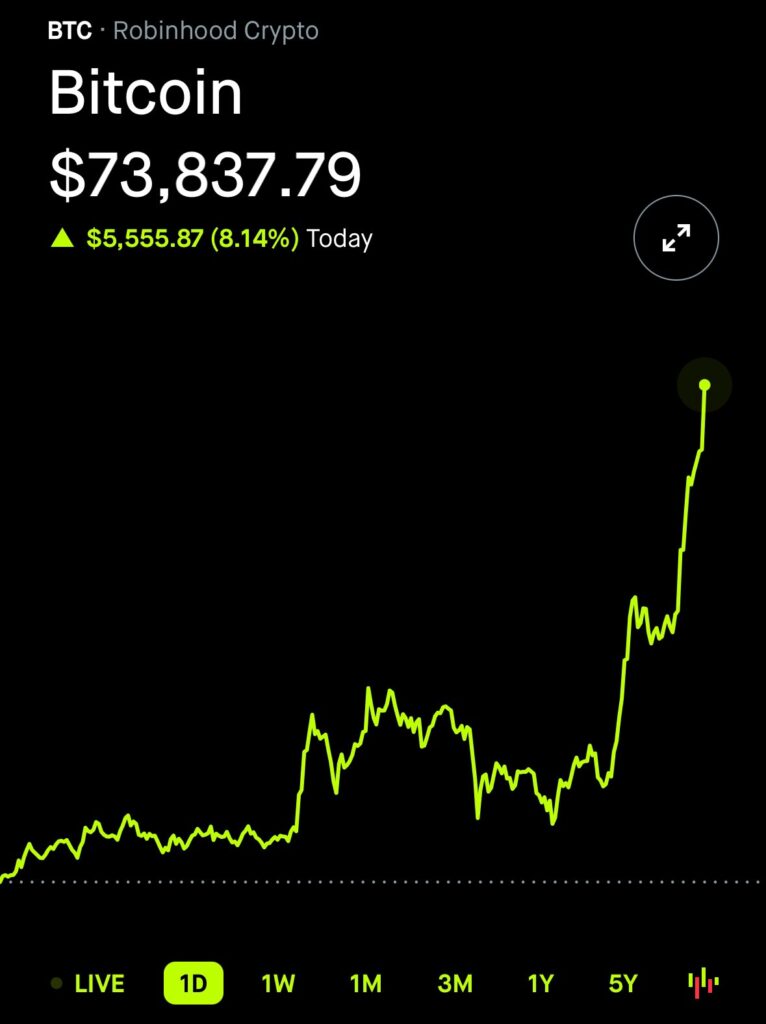
Bitcoin’s recent surge to an all-time high of $74.9K has electrified the financial world. While price rallies are nothing new in the volatile crypto market, this particular movement carries a unique twist—the anticipation of political change in the U.S. With the presidential election on the horizon, a Trump victory could dramatically reshape the landscape for Bitcoin and the broader crypto industry.

Why the Trump Factor?

Donald Trump’s previous administration was marked by deregulation and a willingness to embrace innovation, including aspects of fintech and emerging technologies. While his stance on cryptocurrencies has had mixed interpretations, a return to the White House could signal more lenient regulatory policies, potentially creating a more favorable environment for digital assets.

What This Could Mean for Bitcoin:

1. Pro-Crypto Regulatory Stance: If Trump were to return to office, many analysts believe that we could see a continuation of his deregulatory approach, creating opportunities for Bitcoin and other cryptocurrencies to thrive. A political shift like this could make the U.S. a more attractive hub for crypto firms and investors, pushing Bitcoin prices even higher.

2. Increased Institutional Confidence: Political stability and clear regulatory frameworks are key for large-scale investments. The prospect of policies that favor financial innovation might embolden institutions to deepen their positions in Bitcoin and blockchain technology. A Trump-led administration could remove some of the uncertainty that has kept cautious investors on the sidelines.

3. Global Ripple Effects: A U.S. president supportive of deregulated financial practices could have international implications. Global markets often follow the U.S.’s lead, and a pro-crypto administration could influence other nations to adopt similar stances, accelerating the global acceptance of Bitcoin.

Market Sentiment Speaks Volumes:

The current price surge shows that the market is already factoring in this potential political outcome. Traders are positioning themselves early, betting that the regulatory tide could shift to their favor. Bitcoin’s performance reflects not just a response to domestic politics but an anticipation of how global financial policies might pivot if the U.S. signals a new chapter for cryptocurrency.

Risks and Realities:

However, a Trump victory isn’t a guaranteed win for Bitcoin. While some predict a favorable regulatory shift, others warn that political unpredictability could still pose challenges. Past remarks from Trump himself have been contradictory—once calling Bitcoin a “scam,” but also recognizing the potential of blockchain and fintech.

Looking Forward:

Bitcoin’s climb to $74.9K may just be the beginning of a broader movement influenced by political and financial currents. As the 2024 U.S. presidential election approaches, the crypto world will be watching closely. A Trump victory could pave the way for a new era of digital finance—potentially fast-tracking Bitcoin’s journey toward further institutionalization and adoption.

Conclusion: Embracing a New Financial Era

Whether you’re a seasoned investor or new to the crypto scene, understanding the influence of global politics on the market is essential. A potential Trump win may herald changes that extend far beyond national policies, impacting the global stance on digital assets. Bitcoin’s recent all-time high isn’t just a spike—it could be the start of a transformative period in the financial world.

Stay connected with FutureFinanceLab.com for more insights, analysis, and updates as we navigate this thrilling chapter in crypto and finance.

Crypto Market Analysis: Bitcoin Volatility and XRP’s Strategic Moves

Bitcoin’s recent 24-hour price drop from $73.4K to $69K has reignited concerns over market volatility. This sudden plunge comes amid mixed market sentiment, with the Fear & Greed Index standing at a neutral 59. Bitcoin’s dominance rose slightly to 60.25%, signaling a cautious return to the leading cryptocurrency during uncertain times.

Key Influences on Bitcoin:

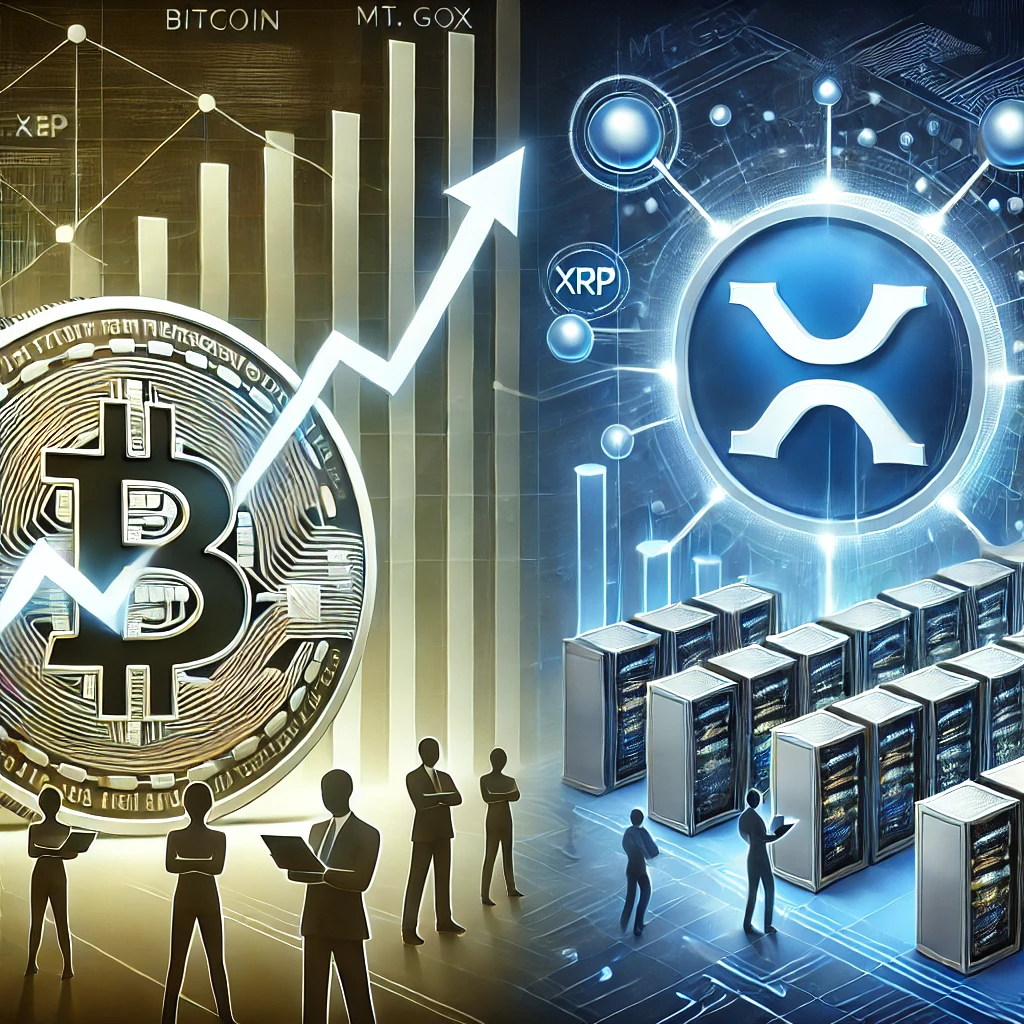
1. Mt. Gox Movements: The dormant entity shifted $35 million in Bitcoin while pushing repayment deadlines to 2025, sparking fears of a potential market dip similar to previous large-scale Bitcoin liquidations.

2. Tether’s Strategic Investments: Tether, with its $7.7 billion profit and $134.4 billion in assets, is now investing in Bitcoin mining and AI. This move suggests confidence in Bitcoin’s long-term value but may also signal a shift towards diversification.

XRP’s Emerging Role:

A major development for XRP is the launch of Aurum’s $1 billion tokenized fund for data center investments on the XRP Ledger, in collaboration with Zoniqx. Touted as the world’s first combined equity and debt tokenized fund, this project spans key regions like the U.S., UAE, and Europe, showcasing XRP Ledger’s capabilities in facilitating large-scale financial operations efficiently.

Implications:

For Bitcoin: Investors should watch for potential market movements from Mt. Gox or strategic expansions by Tether, which could impact price stability.

For XRP: The Aurum fund could drive new institutional interest and broaden XRP’s use case, enhancing its market value if the project succeeds.

Overall, the market reflects a blend of caution and opportunity, where strategic investment and emerging blockchain applications are at the forefront, but concerns over manipulation and regulatory scrutiny linger.

The Autonomous Economy: How AI, Blockchain, and Robots Are Shaping the Future

The future is arriving faster than we think, with advancements in artificial intelligence (AI), blockchain, and robotics creating a new economic landscape known as the “autonomous economy.” In this world, machines, algorithms, and decentralized networks will increasingly handle tasks that once required human intervention, from financial transactions to manufacturing processes. Here’s a two-minute overview of what the autonomous economy means for Americans and how these technologies could transform daily life.

What Is the Autonomous Economy?

The autonomous economy refers to an economic system where AI, blockchain, and connected devices operate independently to manage tasks like supply chains, energy consumption, and financial services. The aim is to create more efficient, transparent, and cost-effective systems, reducing the need for manual processes and human decision-making.

Decentralized Decision-Making and Smart Contracts

Blockchain plays a key role by providing a secure, decentralized network where transactions are verified without the need for intermediaries. Smart contracts — self-executing agreements coded on the blockchain — automate tasks like processing payments, executing trades, or even scheduling maintenance for machinery. Imagine a world where your electric car autonomously pays for charging or where machines order replacement parts without human input.

The Decentralized Data Economy

In the autonomous economy, data is not just collected by companies; it becomes a shared asset in a decentralized data economy. Powered by blockchain, individuals and devices can securely share and even monetize their data without relying on large, centralized corporations. For example, autonomous vehicles could share traffic data with city planners or other cars in real-time, improving urban mobility. In return, individuals might receive compensation in tokens or credits for their data, creating a new form of passive income.

Machine-to-Machine Transactions

The Internet of Things (IoT) and connected devices are also shaping the autonomous economy. In smart cities, for example, autonomous vehicles could interact directly with parking meters, toll stations, and even other cars to optimize routes and reduce traffic. Similarly, smart home devices could manage energy usage based on real-time electricity prices, autonomously buying and selling energy through a decentralized grid.

AI-Driven Automation Across Industries

AI is at the heart of the autonomous economy, driving automation in industries ranging from finance to manufacturing. In the financial sector, AI can manage investments and execute trades, while in factories, robots equipped with AI can oversee production lines, ensuring optimal performance. The result is a more efficient, self-sustaining system that adapts to changing market conditions on its own.

Benefits and Challenges

The autonomous economy promises to boost productivity and lower costs, potentially leading to new business models and economic growth. However, there are challenges, including cybersecurity risks, regulatory hurdles, and the impact on employment as jobs shift from manual to automated tasks. Balancing these benefits with ethical and social considerations will be crucial as the autonomous economy evolves.

The Road Ahead

While the autonomous economy is still emerging, its impact will be profound. Americans can expect more connected devices, smarter cities, and seamless digital interactions. As AI, blockchain, and robotics continue to advance, the way we live and work will be reshaped — ushering in a future where autonomy is the new normal.

The autonomous economy isn’t just a tech buzzword; it’s a glimpse into a world where technology seamlessly integrates into our daily lives, making systems smarter, more efficient, and more capable than ever before. And with the decentralized data economy, individuals will have more control over their information, allowing them to participate in and benefit from the data-driven future.