ECB president Christine Lagarde : How She’s Wrong About Bitcoin While Fiat Fails

Lagarde’s Dismissal of Bitcoin

European Central Bank (ECB) President Christine Lagarde has openly rejected the idea of Bitcoin entering central bank reserves, dismissing it as too volatile and lacking intrinsic value. She insists that Bitcoin will never play a role in official monetary policy, reinforcing the ECB’s commitment to traditional fiat currencies like the Euro.

However, history has shown that central authorities often fail to recognize disruptive financial innovations until they become too big to ignore. Lagarde’s stance is not only outdated but also a desperate attempt to maintain control over a failing fiat system.

Why Fiat Currencies Are Losing

The Euro and the U.S. Dollar are both facing significant declines in purchasing power due to reckless monetary policies. Governments and central banks continue to print excessive amounts of money, increasing debt burdens and fueling inflation. As a result, the value of these currencies is eroding, and people are searching for alternatives.

Inflation and Central Bank Failures

Inflation is steadily eroding savings and wages, making it harder for individuals to maintain their purchasing power. Central banks attempt to counteract inflation with interest rate hikes, but this often slows economic growth and leads to economic downturns. Despite these measures, the long-term trend remains clear: fiat currencies are losing value.

Bitcoin’s Victory Over Centralized Control

Unlike fiat currencies, Bitcoin operates outside the control of any government or central bank. It is decentralized, has a fixed supply of 21 million coins, and cannot be manipulated by inflationary policies.

Bitcoin as a Hedge Against Inflation

With more institutions and individuals turning to Bitcoin as a hedge against inflation, its adoption continues to grow. Major corporations are adding Bitcoin to their treasuries, ETFs are bringing Bitcoin into mainstream investment portfolios, and nations struggling with inflation are increasingly embracing Bitcoin as a store of value.

The Real Reason Central Banks Fear Bitcoin

Lagarde and other central bankers reject Bitcoin not because it lacks value but because it threatens their monopoly on money. If Bitcoin were to enter central bank reserves, it would signal the decline of government-controlled monetary policy. This is why central banks continue to push their own digital currencies (CBDCs) while dismissing Bitcoin’s superior financial properties.

The Inevitable Shift

As fiat currencies continue their downward spiral, Bitcoin’s role as a global financial alternative will only strengthen. The market is speaking louder than central bank rhetoric, and individuals are waking up to the reality that traditional money is failing them.

Lagarde can dismiss Bitcoin all she wants, but history will prove her wrong. The decentralized financial revolution is already here, and Bitcoin is leading the way.


Stay ahead of the financial revolution. Join Future Finance Lab for expert insights on Bitcoin, digital assets, and the evolving economy.


Market Mood: Cautious Optimism with Bitcoin Surging Past $105K

As we step into February 2025, the financial markets are showing a mix of resilience and uncertainty. Investors remain cautiously optimistic, balancing corporate earnings, Federal Reserve expectations, and global economic conditions. Meanwhile, Bitcoin has captured headlines, surpassing the $105,000 mark, continuing its strong performance.

Stock Market Overview

The S&P 500 edged up 0.1%, reflecting mixed investor sentiment. The Dow Jones Industrial Average added 57 points, driven by strength in healthcare and financial stocks. However, tech stocks showed signs of fatigue as investors awaited earnings reports from major players like Apple, Microsoft, and Tesla.

Key Market Drivers

1. Earnings Reports in Focus

• Investors are analyzing Q4 earnings from top companies, with particular attention to tech giants and financials.

• Strong earnings could push markets higher, while weaker-than-expected results may lead to sector-wide pullbacks.

2. Interest Rate Expectations

• The Federal Reserve’s March meeting will be crucial. Investors are hoping for rate cuts later in 2025, but strong economic data could delay this decision.

• Any signal of higher-for-longer interest rates might cause market volatility.

3. Economic Data on Watch

• Jobs Report (Feb 2, 2025): The upcoming non-farm payrolls data will provide insight into labor market strength.

• Inflation Data (Feb 13, 2025): The next Consumer Price Index (CPI) report will shape expectations around interest rate decisions.

Bitcoin & Crypto Markets: Breaking New Records

Bitcoin is currently trading at $105,127, marking an 11% gain this month. The rally has been fueled by growing institutional adoption, positive market sentiment, and increased inflows into Bitcoin ETFs.

Crypto Market Highlights

• Bitcoin’s Next Target: Analysts are watching whether BTC can break above $110,000 or face short-term consolidation.

• Institutional Interest: Hedge funds and large institutions continue to show increased interest in Bitcoin ETFs, pushing demand higher.

• Regulatory Landscape: The SEC’s stance on crypto regulation and stablecoins will play a key role in shaping future price movements.

What’s Next?

Bullish Factors

✔️ Strong earnings from major companies could drive markets higher.

✔️ Bitcoin’s momentum may continue as institutional adoption grows.

✔️ Fed rate cut expectations in mid-2025 could further support equities.

Bearish Risks

❌ Inflation concerns could delay interest rate cuts.

❌ Geopolitical uncertainties, including U.S.-China tensions, may impact global trade.

❌ Bitcoin volatility, as corrections often follow major rallies.

Final Thoughts

As we move forward, investors should stay alert to earnings reports, economic data, and policy changes that could impact both stocks and crypto markets. While the overall market mood remains cautiously optimistic, unexpected shifts in economic indicators or global events could drive volatility.

Stay tuned for more updates as the market mood evolves!

Unlocking Hidden Value: The Magic of Hidden Assets in Investing

In the stock market, sometimes two and two equals eight. How? Because a company can possess hidden assets that aren’t reflected in its stock price. When Wall Street finally recognizes these hidden gems, the stock can skyrocket.

Disney: A Case Study in Hidden Assets

Take Disney as an example. After opening Disney World and EPCOT, the company’s growth appeared to slow. However, hidden within Disney were untapped treasures. The Disney name itself became a powerhouse, launching initiatives like the Disney Channel, licensing Mickey Mouse, and expanding their merchandise. Remarkably, many of these assets were sitting on the books for little to no value!

But it didn’t stop there. Disney owned extensive land inside Disney World, while competitors built hotels outside. Instead of letting the opportunity slip by, Disney transformed that land into new parks and invited other companies to pay for the privilege of building within their property. These moves unlocked immense value and reignited growth.

Identifying Hidden Assets

Hidden assets come in many forms:

  • Real Estate: Companies often own valuable real estate whose market value isn’t fully reflected on their balance sheets.
  • Patents and Intellectual Property: Patents can provide a significant competitive edge, as seen with companies like Intel.
  • Brand Power: Iconic brands like Coca-Cola carry immense value, even though this might not appear on financial statements.

Buying Stocks Below Cash Value

Sometimes, a stock might even trade below its cash value after subtracting all debt. In such cases, it’s like getting the underlying business for free. These opportunities are rare but highly rewarding when they align with a strong, sustainable business model.

What This Means for Investors

When researching a stock, always ask yourself: Are there hidden assets waiting to be unlocked? A company’s true value often goes beyond its balance sheet, and recognizing these hidden opportunities can lead to exceptional returns. So keep your eyes open for those 2 + 2 equals 8 moments—you might just find your next big investment.

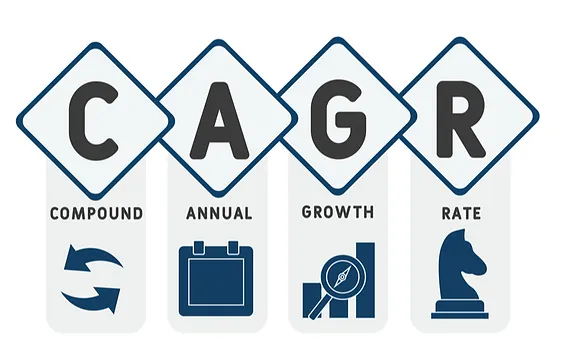
📊 What is CAGR and How Can It Help You Make Smart Investment Decisions?

CAGR (Compound Annual Growth Rate) is a simple tool that helps you understand how much an investment has grown on average every year over a specific period — even if it didn’t grow the same amount each year.

Think of it like this: If your investment were growing at a steady rate every year, CAGR tells you what that rate would be.


🧠 Why is CAGR Important for Smart Investing?

  • 📈 Compare Investments Easily: See which investment performed better over time.
  • ⏳ Long-Term Clarity: Understand long-term growth without worrying about yearly ups and downs.
  • 🎯 Set Realistic Goals: Plan future investments with clear expectations.

🛠️ How to Calculate CAGR (The Easy Way)

Here’s the formula:CAGR=(Ending ValueBeginning Value)1n−1CAGR=(Beginning ValueEnding Value​)n1​−1

Or just use an online CAGR calculator!


💡 Quick Example:

  • You invested $1,000 in a stock.
  • After 5 years, it grew to $2,000.

The CAGR formula tells us:CAGR=(2,0001,000)15−1=14.87%CAGR=(1,0002,000​)51​−1=14.87%

This means your investment grew 14.87% per year on average over 5 years.


🚀 How to Use CAGR for Smart Decisions:

1️⃣ Compare Investments: Which stock or fund had better average yearly growth?
2️⃣ Track Your Goals: Are your investments growing fast enough to meet your targets?
3️⃣ Adjust Your Strategy: If the CAGR is lower than expected, it might be time to rethink your plan.


📌 Key Takeaway:

CAGR isn’t just a number — it’s a tool for smart, informed investment decisions. Whether you’re comparing stocks, planning retirement, or setting financial goals, CAGR helps you see the bigger picture.

Want to learn more about making smart investment choices? Explore more guides on FutureFinanceLab.com. 🌟

Understanding Balance Sheets: A Quick Guide to Smarter Investing

A balance sheet is one of the most powerful tools to understand a company’s financial health. At FutureFinanceLab.com, we simplify finance, and today we’re breaking down the balance sheet into digestible insights that every investor should know.


What’s a Balance Sheet?

Think of a balance sheet as the financial snapshot of a company. It reveals what the company owns (assets), what it owes (liabilities), and its net worth (equity). By subtracting liabilities from assets, you get equity—a critical metric that shows the company’s real value. Simple yet essential.


Why Cash is King

Cash gives a company the flexibility to seize opportunities or weather tough times. Whether it’s buying back shares, paying off debt, or fueling expansion, having plenty of cash is always a positive sign. Here’s the secret: subtract total debt from cash on hand. If the result is strong and positive, you’re looking at a company with a rock-solid balance sheet.


A Real-World Example

Imagine a company with $20 million in cash, no debt, and 4 million shares outstanding. That means $5 cash per share. If the stock price is $10, you’re effectively paying just $5 for the business itself. Now that’s a potential bargain worth considering!


The Debt Factor

Debt is a double-edged sword. While some debt can help a company grow, too much can be a red flag. A quick rule of thumb: if total debt exceeds 50% of the company’s capitalization, it’s risky. However, if it’s under 20%, you’ve got a safer bet. Remember, some industries like banking and financial services naturally operate with higher debt levels—so always check what’s typical for the sector.


Hidden Liabilities: Leases in Disguise

Not all debts are obvious. Long-term leases can be hidden in the fine print as capitalized lease obligations. These commitments can significantly impact a company’s financial health but are often overlooked by investors. Always dive into the footnotes for a complete picture.


The Democratization of Data

In the past, professional investors had a significant edge in accessing financial data. Today, technology has leveled the playing field. With the right tools and a basic understanding of balance sheets, anyone can evaluate a company’s financial standing like a pro.


Final Thoughts

Mastering balance sheets can transform the way you invest. At FutureFinanceLab.com, our mission is to equip you with the knowledge to make informed financial decisions. From spotting cash-rich companies to avoiding debt traps, understanding the basics is your first step toward smarter investing.

Exploring the MedTech Sector: Innovation, Growth, and Future Trends

The MedTech sector—short for medical technology—is one of the most dynamic and rapidly evolving industries in the world today. It includes everything from medical devices and diagnostic tools to robotic surgery and wearable health tech. This article will explore the importance of MedTech, the trends driving its growth, and how it’s revolutionizing healthcare globally.


What is MedTech?

MedTech refers to any technology used in the prevention, diagnosis, treatment, or monitoring of medical conditions. It encompasses a broad range of products and solutions that help improve patient outcomes, increase the efficiency of healthcare systems, and enhance the quality of life for patients.

Some common examples of MedTech products include:

  • Diagnostic devices (e.g., MRI machines, blood glucose monitors)
  • Surgical instruments (e.g., minimally invasive robots, stents)
  • Therapeutic devices (e.g., pacemakers, infusion pumps)
  • Wearables (e.g., fitness trackers, smartwatches that monitor heart rate or sleep)

Why is the MedTech Sector Growing?

The MedTech sector is experiencing significant growth due to several key factors:

  1. Aging Population:
    The global aging population is driving increased demand for medical devices and services. Older adults are more likely to experience chronic conditions that require continuous monitoring or intervention, such as heart diseasediabetes, and arthritis.
  2. Advances in Technology:
    Breakthroughs in artificial intelligence (AI)robotics, and 3D printing are enhancing the design, development, and functionality of MedTech products. For example, robotic surgery offers greater precision, shorter recovery times, and fewer complications for patients.
  3. Shift to Minimally Invasive Procedures:
    There’s a growing preference for minimally invasive surgeries. Procedures that require smaller incisions result in quicker recoveries and less pain, and they are more cost-effective, benefiting both patients and healthcare providers.
  4. Health Monitoring and Personalization:
    The rise of wearables and smart medical devices allows for real-time health monitoring, leading to more personalized care. These devices can track vital signs and send alerts to both patients and doctors, enabling earlier intervention for conditions like heart disease and diabetes.
  5. Increased Investment and Funding:
    The MedTech industry has attracted substantial venture capital investment due to the increasing demand for innovative healthcare solutions. Startups and established companies alike are pushing the boundaries of medical technology to provide cutting-edge solutions.

Key Areas Driving MedTech Innovation

  1. Robotic Surgery:
    Robotic-assisted surgery is transforming how surgeons perform operations. Robots like Intuitive Surgical’s da Vinci system provide greater precision and flexibility, improving patient outcomes. Surgeons can perform complex procedures with smaller incisions, reducing recovery times.
  2. Wearable Health Devices:
    Wearables like smartwatches and fitness trackers are not only popular for fitness tracking but also provide valuable health insights. Devices that monitor heart rateblood oxygen levels, and ECG can help detect abnormalities early and prevent more serious health issues.
  3. 3D Printing in Healthcare:
    3D printing has been a game-changer in the MedTech sector. It allows for the creation of custom prosthetics, implants, and even bioprinted tissues. This technology is reducing costs and improving the personalization of medical devices.
  4. Artificial Intelligence (AI) in Diagnostics:
    AI is enhancing medical imaging and diagnostic accuracy. By analyzing images like X-rays, MRIs, and CT scans, AI algorithms can help detect conditions like cancer and neurological disorders earlier than traditional methods, offering better outcomes for patients.
  5. Minimally Invasive Devices:
    Devices that support minimally invasive surgeries (e.g., stentscatheters) continue to evolve, offering fewer complications and faster recovery times. Innovations in this space are expanding the options available for surgeons and reducing the strain on healthcare systems.

Challenges in the MedTech Sector

While MedTech is booming, it’s not without its challenges:

  1. Regulatory Hurdles:
    The medical device industry is highly regulated, and navigating through the approval processes (e.g., FDA approval) can be lengthy and expensive. Companies must meet strict safety and efficacy standards before their products can reach the market.
  2. Data Privacy and Security:
    With the increasing use of health data from devices and wearables, there are concerns about data security and privacy. Protecting sensitive health information is a critical issue that companies must address.
  3. Cost Pressures:
    Healthcare costs continue to rise globally, and MedTech companies face pressure to keep prices competitive while maintaining high quality. Innovative products, especially cutting-edge technologies, can be expensive, making affordability a key concern.
  4. Ethical Issues:
    As technologies like AI and robotic surgery become more prevalent, there are ongoing discussions about the ethical implications of these technologies in patient care, such as privacy concerns and decision-making transparency.

The Future of MedTech

The future of MedTech looks promising, with continuous advancements in AI, robotics, and personalized medicine. The global shift to digital health and telemedicine will also shape the industry’s growth, allowing for greater access to healthcare worldwide. Furthermore, as more individuals become health-conscious, the demand for self-care devices will increase, contributing to the sector’s expansion.

The MedTech sector is set to play an increasingly vital role in shaping the future of healthcare, helping to create more efficient, accessible, and personalized care for patients everywhere.


The Wealthy Mindset: Shifting from Spending to Investing

Building wealth isn’t just about earning more money—it’s about how you think about and use the money you already have. At its core, the wealthy mindset isn’t defined by the size of your paycheck but by your approach to financial decisions. The key shift? Moving from a spending-focused mindset to an investing-focused one.

Understanding the Difference: Spending vs. Investing

Spending is transactional. You exchange money for goods or services, and once the transaction is complete, the money is gone. Investing, on the other hand, is strategic. It involves putting money into assets or opportunities with the expectation of generating future returns.

For example:

  • Spending: Buying the latest smartphone or a luxury car.
  • Investing: Purchasing stocks, real estate, or starting a side business.
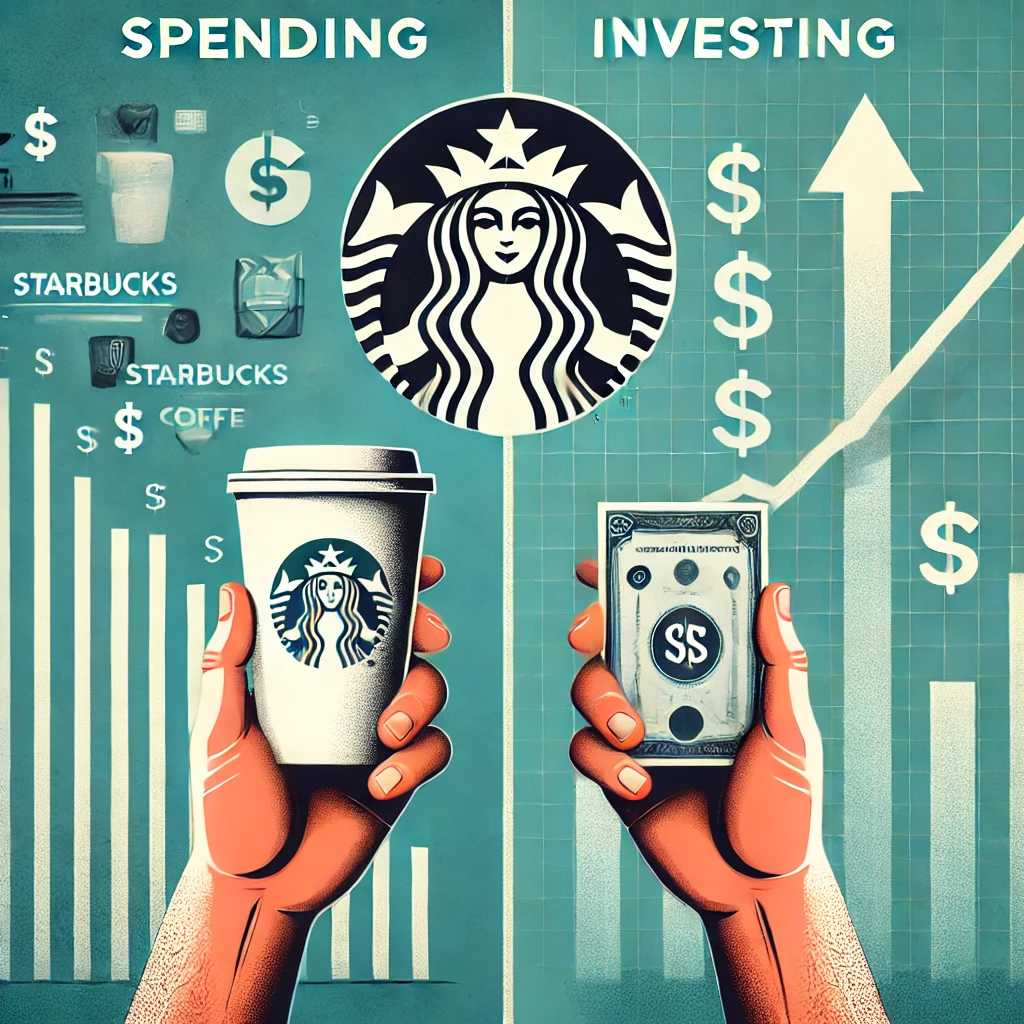
  • Real-Life Example: Instead of spending $5 every day on a Starbucks coffee, you could invest that $5 into Starbucks stock. Over time, the stock could grow in value, provide dividends, and potentially yield far greater returns than the short-term pleasure of a daily coffee.

While spending satisfies immediate desires, investing builds long-term financial stability and wealth.

The Mindset Shift

To cultivate a wealthy mindset, you must view money as a tool for growth, not just consumption. Here are key principles to adopt:

  1. Focus on Assets, Not Liabilities: Prioritize purchases that appreciate in value or generate income.
  2. Delayed Gratification: Resist impulse spending and prioritize long-term financial goals.
  3. Continuous Learning: Stay informed about financial markets, investment opportunities, and wealth-building strategies.
  4. Make Your Money Work for You: Passive income streams, such as dividends or rental income, can create financial freedom.

Practical Steps to Start Investing

  1. Set Clear Financial Goals: Understand what you’re investing for—retirement, financial independence, or a specific milestone.
  2. Start Small: You don’t need large sums to begin investing. Even small, consistent contributions can grow significantly over time.
  3. Diversify Your Investments: Spread your money across different assets to minimize risk.
  4. Automate Investments: Set up automatic transfers to your investment accounts to ensure consistency.

Overcoming Common Barriers

  • Fear of Risk: Educate yourself to make informed decisions and understand that all investments carry some level of risk.
  • Lack of Knowledge: Use resources like FutureFinanceLab.com to expand your financial literacy.
  • Instant Gratification Culture: Remind yourself of the long-term benefits of investing.

Final Thoughts

Adopting a wealthy mindset isn’t about restricting yourself from enjoying life. It’s about aligning your financial habits with your long-term goals. Every dollar spent is a choice—a choice between fleeting pleasure and future security.

At Future Finance Lab, we believe in equipping individuals with the tools and knowledge to make smarter financial choices. Shift your focus from spending to investing, and watch how your financial future transforms.