How Compound Interest Works (And How to Use It to Get Rich)

Introduction: The Magic of Compound Interest

We’ve all heard the term “compound interest,” but what exactly is it? In short, compound interest is the process where interest earned on an investment is reinvested, generating additional interest. This creates a snowball effect, where your money starts working for you, accelerating growth over time. If you want to get rich, understanding and harnessing the power of compound interest can be one of the best financial moves you can make.


What is Compound Interest?

Compound interest is the idea of earning interest not just on your initial investment, but also on the interest that’s been added. For example, if you invest money and earn interest, that interest is added to your investment. The next time interest is calculated, it’s based on the original amount plus the interest already earned. Over time, this builds up and accelerates the growth of your investment.

Example:

Imagine you invest $1,000 at an interest rate of 5%. In the first year, you’ll earn $50 in interest, bringing your total to $1,050. In the second year, the 5% interest will be applied to $1,050, so you’ll earn $52.50. The next year, you’ll earn interest on the $1,102.50, and so on. The more time you leave your money to grow, the bigger the snowball becomes.


How to Use Compound Interest to Get Rich

Compound interest works best when you let your investments grow over a long period. Here are a few strategies to maximize its power:

1. Start Early

The earlier you start, the more time your money has to grow. Even small investments made early can lead to large amounts over time.

2. Reinvest Your Earnings

Rather than withdrawing your earnings, reinvest them back into your investment. This allows your wealth to keep growing, rather than stagnating.

3. Make Regular Contributions

Investing regularly, even small amounts, can significantly boost the power of compounding. The more you invest over time, the more your wealth grows.

4. Choose High-Interest Investments

Look for investments with high interest rates or returns. Stocks, bonds, and other assets that generate returns over time are perfect vehicles for compound growth.


Real-World Example: How Compound Interest Works in Practice

Here’s how compound interest can work in the real world:

Let’s say two people start investing at different times:

  • Investor 1 starts at age 25, investing $5,000 a year, with a return of 7% annually.
  • Investor 2 starts at age 35, investing the same amount with the same return.

By the time Investor 1 is 55, they will have accumulated over $700,000. But Investor 2, starting later, will have only around $350,000 by the same age. The difference? Time. Investor 1’s money has had more time to grow through compound interest.


Why Compound Interest is the Eighth Wonder of the World

Albert Einstein famously referred to compound interest as the “eighth wonder of the world,” and for good reason. It’s an incredibly powerful tool that can turn small, consistent contributions into substantial wealth over time.


The Risks of Compound Interest

While compound interest is a powerful wealth-building tool, it’s important to manage the risks:

  • Market Fluctuations: Investments like stocks or cryptocurrencies can be volatile.
  • Inflation: Inflation can erode the purchasing power of your returns.
  • Interest Rates: Keep an eye on the interest rates, as they can change and affect your returns.

How to Get Started with Compound Interest Today

If you want to harness the power of compound interest, start by:

  • Setting up a retirement account or an investment account that compounds returns.
  • Investing in a diversified portfolio to manage risk.
  • Reinvesting any earnings or dividends to maximize growth.

Conclusion: Start Using Compound Interest Now to Build Wealth

The key to wealth is leveraging time and compound interest. It’s not about making quick, speculative bets but making disciplined, consistent investments over time. The earlier you start and the more you contribute, the more powerful the effects of compounding will be. It’s the ultimate tool for building long-term wealth.

Ready to get started on your wealth-building journey? Join FutureFinanceLab.com to gain access to exclusive financial education tools, investment strategies, and insights that can help you make the most of your money. Learn more about how to put compound interest to work for you and start building your financial future today.


What’s the Safest Way to Start Investing?

“If your biggest fear is losing money—you’re not alone. The best investors once felt the same way. But they didn’t stay afraid. They got smart.”


🛡️ Start With Safety, Not Hype

Too many people jump into investing without protection. That’s like walking into a storm without an umbrella. Here’s how smart investors protect themselves from Day 1:


💵 1. Build an Emergency Fund

Before investing a dime, stash 3–6 months of expenses in cash or a high-yield savings account. It’s your safety net—not an investment, but protection.


🧺 2. Diversify, Don’t Gamble

Don’t bet everything on a single stock. Use index funds to invest in entire markets (like the S&P 500), or ETFs that give you exposure to multiple assets in one click.


₿ 3. Learn Bitcoin, But Don’t Bet the Farm

Bitcoin isn’t a get-rich-quick tool—but it is a growing store of value. Learn what it really is before investing. A small, long-term position in Bitcoin is how many are hedging against inflation and monetary risk.


🧭 4. Know Your Risk Tolerance

If a 10% drop makes you panic, you’re not ready for aggressive plays. Start slow. Stick to assets that match your emotional and financial risk profile.


🚀 Start Safe. Grow Smart.

At FutureFinanceLab.com, we teach beginners how to build real financial strategy—not just chase trends.
You’ll learn how money works, how to build a portfolio you understand, and how to stay safe while growing wealth.

Because smart investing starts with clarity, not chaos.

ETFs Explained Like You’re 5 – What’s a Fruit Basket Got to Do with Investing?

Feeling overwhelmed by investing? Don’t worry—ETFs might be the simplest (and smartest) place to start. And yes, we’re explaining them like you’re five… with fruit. 🍎🍌🍇


🍏 If Stocks Are Fruits…

Imagine each stock is a piece of fruit. Apple might be, well… an apple. Netflix? A banana. Buying one fruit is like investing in one company. But if that fruit goes bad—you’re stuck.


🧺 ETFs Are the Fruit Basket

ETFs (Exchange-Traded Funds) are like a basket that holds many fruits at once. So instead of betting everything on one apple, you get a little bit of apple, banana, grapes—maybe even a pineapple.

That means:

  • ✅ Less risk through diversification
  • ✅ Easy access to entire markets or industries
  • ✅ Lower fees than traditional mutual funds
  • ✅ Perfect for beginners and long-term investors alike

💡 Why Smart Investors Choose Baskets

When you invest in an ETF, you’re not trying to guess which single stock will win—you’re building a safer, smarter strategy.


🚀 Ready to Start Investing?

Join FutureFinanceLab.com – where beginners become strategists.
Learn the basics. Explore the tools. Build your future.

Because smart investing isn’t about picking one fruit—it’s about picking the right basket. 🍇📈

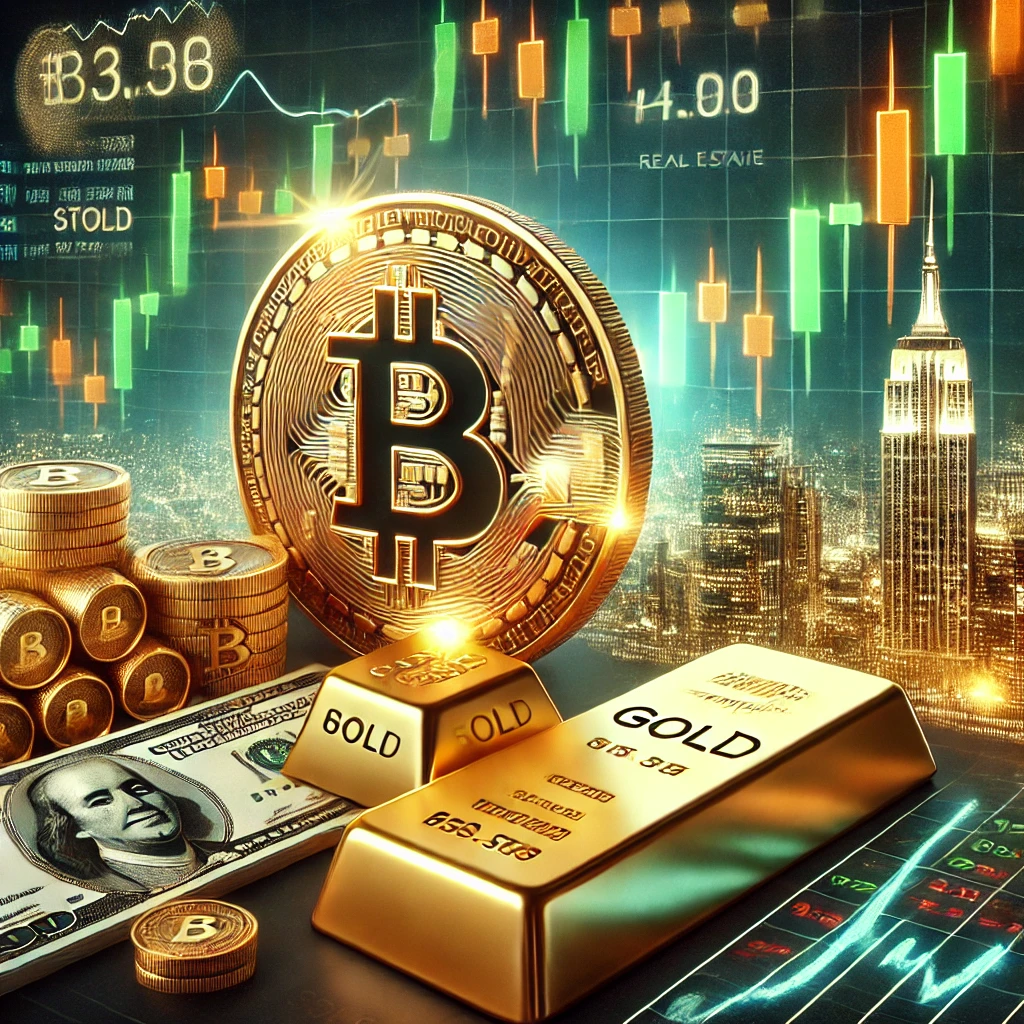
Bitcoin vs. Traditional Assets: Which One Holds Value?

As financial markets evolve, investors are increasingly comparing Bitcoin to traditional assets like stocks, gold, and real estate. But which one truly holds value? In this article, we’ll break down the key differences and explore how Bitcoin stacks up against traditional investments.

Understanding Value in Assets

Value in investments is often determined by scarcity, utility, demand, and historical performance. Traditional assets have long been trusted as stores of value, while Bitcoin, as a digital asset, is challenging conventional wisdom. Let’s analyze each.

Bitcoin: The Digital Gold?

Bitcoin is often compared to gold due to its fixed supply (21 million coins) and decentralized nature. Here’s why some investors see it as a strong store of value:

  • Scarcity: Unlike fiat currencies, Bitcoin has a limited supply, preventing inflationary dilution.
  • Decentralization: No central authority controls Bitcoin, making it resistant to manipulation.
  • Portability & Accessibility: Unlike gold, Bitcoin can be easily transferred across borders.
  • Volatility: While Bitcoin has seen significant price swings, long-term holders have often benefited from its appreciation.

Stocks: Ownership in Companies

Stocks represent ownership in a company and have historically been strong long-term investments. Their value comes from:

  • Dividends & Growth: Stocks generate returns through capital appreciation and dividend payouts.
  • Market Trends: The stock market has decades of data showcasing economic cycles, bull runs, and corrections.
  • Regulation & Stability: Unlike Bitcoin, stocks are regulated by financial authorities, providing investor protections.
  • Inflation Hedge: Historically, stocks have outperformed inflation, offering real growth over time.

Gold: The Timeless Store of Value

Gold has been used as money and a store of value for thousands of years. It is favored for:

  • Intrinsic Value: Unlike Bitcoin, gold is a physical asset with industrial and ornamental uses.
  • Stability: Gold prices tend to be less volatile than Bitcoin, making it a preferred hedge during economic downturns.
  • Inflation Protection: As a hard asset, gold typically retains value in inflationary environments.
  • Liquidity: Easily tradable in global markets with a long-established system of valuation.

Real Estate: A Tangible Investment

Real estate provides both utility and investment potential through:

  • Passive Income: Rental properties generate cash flow over time.
  • Appreciation: Real estate often increases in value due to economic growth and demand.
  • Leverage Opportunities: Investors can use loans to acquire properties, amplifying potential returns.
  • Hedge Against Inflation: Property values and rental income typically rise with inflation.

Performance Since 2009: Bitcoin vs. Traditional Assets

Since Bitcoin’s inception in 2009, it has significantly outperformed traditional assets in terms of returns:

  • Bitcoin: Bitcoin started as a niche digital asset but has grown exponentially, delivering over 100,000% returns for early investors, with an average annual return of approximately 120-150% since 2009.
  • Stocks (S&P 500): The S&P 500 has averaged 10-12% annual returns over the past decade, offering steady growth but far lower than Bitcoin’s trajectory.
  • Gold: Gold has seen modest gains, averaging 3-6% annual returns since 2009, with occasional spikes during economic uncertainty.
  • Real Estate: Housing markets have appreciated at an average rate of 4-7% per year, with variations depending on location and demand.

Bitcoin’s massive gains come with higher volatility, while traditional assets provide more stability and predictable returns. Investors must weigh the potential risks and rewards when allocating their portfolios.

Bitcoin vs. Traditional Assets: A Comparative Table

AssetScarcityVolatilityAccessibilityInflation HedgePassive IncomePerformance Since 2009
BitcoinFixed (21M)HighHighYesNo100,000%+ growth
StocksUnlimitedMediumHighYesYes (Dividends)10-12% annual growth
GoldLimitedLowMediumYesNo3-6% annual growth
Real EstateLimitedLow-MediumLowYesYes (Rent)4-7% annual growth

Which One Holds Value?

Each asset class serves a different purpose. Bitcoin is emerging as a modern alternative to gold, offering decentralization and high potential returns but with volatility risks. Stocks and real estate remain strong long-term investments, providing income and growth potential. Gold remains a reliable hedge during uncertainty.

The ideal investment strategy depends on your risk tolerance, financial goals, and market outlook. Many investors choose a diversified approach, incorporating Bitcoin alongside traditional assets to balance risk and reward.

Final Thoughts

Bitcoin is no longer just a speculative asset—it’s becoming a legitimate part of investment portfolios. However, traditional assets still hold strong historical value. The question isn’t just “which is better?” but rather, “how can they complement each other in a diversified portfolio?”

Want more insights on Bitcoin and investing? Join FutureFinanceLab.com for expert analysis and financial trends!

Is 2025 the Year of the Next Recession?

The economy moves in cycles, and every investor wants to know: Is 2025 the year we face the next recession? While headlines stir fear, the smart money is already positioning—not panicking.

Key Indicators to Watch

✅ Interest Rates & Inflation: The Federal Reserve’s decisions will determine liquidity and borrowing costs. A prolonged high-rate environment could slow growth, but an easing policy might signal recovery.

✅ Global Economic Shifts: Emerging markets, supply chain dynamics, and geopolitical events will play a major role in shaping financial stability.

✅ Investor Sentiment: Fear-driven markets often create buying opportunities for those who can think long-term.

What History Tells Us

Markets have always faced downturns, yet every past recession has led to new waves of innovation, wealth-building, and opportunity. The elite don’t react—they anticipate. They position themselves ahead of trends and capitalize when others hesitate.

The Future Isn’t Just About Survival—It’s About Strategy

Instead of fearing the downturn, learn how to navigate it. Understand market cycles, recognize undervalued assets, and leverage emerging financial opportunities.

🚀 Want real insights, not just media noise? Join FutureFinanceLab.com for expert analysis, investment strategies, and access to a community of forward-thinking investors. The game doesn’t stop—position yourself to win.

Emerging Market Opportunities in 2025 & Beyond 🚀

The global economic landscape is shifting fast, and emerging markets (EMs) are at the center of high-growth investment opportunities. Driven by technology, deglobalization, and shifting supply chains, these markets are redefining global wealth creation. Here’s where the smart money is flowing in 2025:


1️⃣ Digital Payment & Fintech Boom

🌍 Opportunity: Many emerging markets skipped traditional banking and went straight to mobile-first digital finance. Fintech startups are transforming payments, lending, and remittances.
📌 Hot Markets:

  • India 🇮🇳 (UPI dominance, rapid digital lending expansion)
  • Africa 🌍 (M-Pesa, crypto adoption, neobanks on the rise)
  • Latin America 🇧🇷 (Nubank, MercadoPago growing fast)
    🚀 Why? The unbanked population is shrinking, and digital finance adoption is accelerating.

2️⃣ AI & Automation in Manufacturing

🌍 Opportunity: With the West reducing dependence on China, Vietnam, India, and Mexico are emerging as key manufacturing powerhouses.
📌 Hot Markets:

  • Vietnam 🇻🇳 (Electronics & textiles boom)
  • Mexico 🇲🇽 (Nearshoring benefits from US-China trade shifts)
  • India 🇮🇳 (Semiconductors, Apple supply chain moves)
    🚀 Why? Global firms reshoring and diversifying their supply chains are creating massive industrial growth.

3️⃣ Renewable Energy & Critical Metals

🌍 Opportunity: The energy transition is driving huge demand for lithium, nickel, and rare earth metals for EV batteries and renewables.
📌 Hot Markets:

  • Chile & Argentina 🇨🇱🇦🇷 (Lithium Triangle dominance)
  • Indonesia 🇮🇩 (Nickel refining leader)
  • Africa 🌍 (Cobalt, rare earth elements crucial for tech)
    🚀 Why? EVs & solar demand are skyrocketing, fueling commodity supercycles.

4️⃣ Emerging Market Stock & Crypto Opportunities

🌍 Opportunity: Digital assets and equity markets in emerging economies are outperforming developed nations.
📌 Hot Markets:

  • Brazil & India 🇧🇷🇮🇳 (Strong GDP growth, booming stock markets)
  • Middle East & Africa 🌍 (Crypto-friendly policies, financial hubs emerging)
  • Southeast Asia 🌏 (Web3 adoption, tokenized assets on the rise)
    🚀 Why? Institutional investors piling into EM assets for growth + diversification.

Conclusion: Where to Look in 2025?

🔥 Tech & fintech will lead financial inclusion.
⚙️ Automation & AI are reshaping supply chains.
⚡ Energy & commodities will drive global inflation trends.
💰 Stock & crypto markets in EMs are set for long-term growth.

Want deeper insights into emerging markets & investment trends? 🚀
📢 Join FutureFinanceLab.com for expert analysis & exclusive opportunities!

How Tokenized Stocks & Bonds Are Reshaping Finance

The financial world is changing fast, and one of the biggest innovations is the rise of tokenized stocks and bonds. But what does this mean, and why should investors care? Let’s break it down in simple terms.

What Are Tokenized Stocks & Bonds?

Tokenization is the process of turning real-world assets—like stocks and bonds—into digital tokens on a blockchain. Each token represents ownership of a fraction of the asset, making it easier to trade and access.

Key Benefits of Tokenization:

  • 24/7 Trading: Unlike traditional markets, tokenized assets can be traded anytime, anywhere.
  • Lower Costs: Cutting out middlemen reduces fees and transaction costs.
  • Greater Access: Investors can buy small fractions of assets, making them more affordable.
  • Instant Settlements: Blockchain eliminates long settlement times, speeding up transactions.
  • Transparency & Security: Blockchain ensures ownership records are clear and secure.

How Tokenized Stocks Work

Instead of buying shares through a broker, investors can purchase digital tokens that represent stock ownership. These tokens are stored on a blockchain and can be traded instantly with minimal fees.

Example:

Imagine a stock like Apple (AAPL) is tokenized. Instead of needing to buy a full share, you could buy a fraction of an Apple stock using tokens. This makes investing in top stocks more accessible to everyone.

How Tokenized Bonds Work

Bonds are typically slow-moving investments with complex processes. Tokenized bonds solve these problems by making them easier to buy, sell, and trade on blockchain platforms. They also offer faster payouts for interest earnings.

Example:

A company issuing a tokenized corporate bond could allow investors to buy small portions of it, making bonds more liquid and accessible to a wider audience.

The Future of Tokenized Finance

Tokenized stocks and bonds are still in their early stages, but they are already reshaping traditional finance. More companies and governments are exploring tokenization as a way to make financial markets more efficient and inclusive.

Final Thoughts

Tokenized assets bring more freedom, speed, and accessibility to investing. As the financial world shifts toward blockchain technology, we may soon see a world where owning and trading assets is as easy as sending an email.

Want to stay ahead of the curve? Join FutureFinanceLab.com for expert insights on blockchain, investing, and financial innovation!

The Future of Digital Assets: What You Need to Know

What Are Digital Assets?

Digital assets are more than just cryptocurrencies. They include everything from Bitcoin and Ethereum to tokenized real estate, NFTs, and AI-powered financial instruments. As the world shifts toward a digital-first economy, understanding these assets is essential for staying ahead.

Why Digital Assets Matter

The financial landscape is evolving, and digital assets are at the forefront. They offer transparency, security, and efficiency that traditional financial systems struggle to match. With blockchain technology enabling decentralized finance (DeFi), investors now have more opportunities to diversify and grow wealth outside of traditional banking.

Investment Opportunities in Digital Assets

  • Bitcoin & Cryptocurrencies – The foundation of digital assets, Bitcoin remains a strong long-term store of value.
  • Tokenized Real Estate – Invest in fractional ownership of real estate through blockchain-based tokens.
  • NFTs & Digital Collectibles – Beyond art, NFTs represent ownership of virtual assets, music rights, and even intellectual property.
  • AI & Web3 – The rise of AI-driven financial platforms and Web3 technology is reshaping the way we interact with digital assets.

The Risks & How to Navigate Them

While digital assets present massive opportunities, they also come with risks like volatility, regulatory uncertainty, and security threats. Investors must stay informed and adopt strategies to mitigate these risks.

🚀 Want to stay ahead of the digital finance revolution? Get exclusive insights and strategies—become a member of FutureFinanceLab.com today!

The Top-Performing ETFs of 2024: Key Trends and What to Expect in 2025


The ETF market in 2024 has been a year of record-breaking growth, innovation, and shifting investor sentiment. With total assets under management surpassing $10.6 trillion and over $1 trillion in new investments, ETFs have solidified their role as the go-to investment vehicle for both institutional and retail investors.

Driven by advancements in artificial intelligence, a resurgence in cryptocurrencies, and evolving macroeconomic conditions, certain ETFs have emerged as clear winners this year. In this article, we’ll spotlight the top-performing ETFs of 2024, analyze the trends that fueled their success, and outline what investors can expect in 2025.

For more in-depth financial insights and expert analysis, visit FutureFinanceLab.com. 🚀


🚀 The Best-Performing ETFs of 2024

1. FXI – iShares China Large-Cap ETF

  • Focus: Large-cap Chinese equities
  • 2024 Performance: +31.20%

Why It Stood Out:
Despite economic uncertainty and geopolitical tensions, FXI rebounded strongly due to aggressive stimulus measures from the Chinese government. Investors saw an opportunity in undervalued state-owned enterprises, resulting in impressive gains for this ETF.


2. IWM – iShares Russell 2000 ETF

  • Focus: U.S. small-cap stocks
  • 2024 Performance: +10.61%

Why It Stood Out:
Small-cap stocks historically outperform during economic recoveries, and IWM benefited from expectations of Federal Reserve rate cuts and improving domestic economic indicators.


3. XLF – Financial Select Sector SPDR Fund

  • Focus: U.S. financial sector (banks, insurance, financial services)
  • 2024 Performance: +27.86%

Why It Stood Out:
Rising interest margins and higher lending activity contributed to a stellar year for XLF. Banking stocks surged amid increased investor confidence in financial stability.


4. QQQ – Invesco QQQ Trust ETF

  • Focus: Nasdaq-100 Index (large-cap tech stocks)
  • 2024 Performance: +38.5%* (Approximate market trend)

Why It Stood Out:
Driven by mega-cap tech stocks like Microsoft, Apple, and NvidiaQQQ thrived amid surging demand for AI technologies and robust corporate earnings.


5. SPY – SPDR S&P 500 ETF Trust

  • Focus: Tracks the S&P 500 Index
  • 2024 Performance: +25% (Approximate market trend)

Why It Stood Out:
SPY, one of the most widely held ETFs globally, reflected the broad strength of the S&P 500. Gains were primarily driven by sectors such as technology, healthcare, and consumer discretionary.


6. EEM – iShares MSCI Emerging Markets ETF

  • Focus: Emerging markets equities
  • 2024 Performance: +15% (Approximate market trend)

Why It Stood Out:
EEM provided broad exposure to emerging market equities, with gains driven by China’s recovery, India’s tech boom, and favorable trade conditions in Southeast Asia.


7. IBIT – iShares Bitcoin Trust

  • Focus: Bitcoin spot price exposure
  • 2024 Performance: +170%

Why It Stood Out:
The launch and institutional acceptance of IBIT marked a significant milestone in the financial world. Backed by BlackRock, this ETF allowed investors regulated access to Bitcoin exposure, attracting significant institutional capital.


8. FBTC – Fidelity Wise Origin Bitcoin Fund

  • Focus: Bitcoin spot price exposure
  • 2024 Performance: +165%

Why It Stood Out:
FBTC, managed by Fidelity, benefited from Bitcoin’s surge past $100,000. Its strong institutional backing and simplified investment structure made it an appealing option for long-term investors seeking digital asset exposure.


📈 Key Trends That Defined ETF Success in 2024

1. Artificial Intelligence Dominance

AI-driven growth propelled tech-focused ETFs like QQQ to new heights. Companies leveraging AI technologies for productivity and innovation were clear winners.

2. Cryptocurrency Resurgence

Bitcoin ETFs, including IBIT and FBTC, made it easier for institutional and retail investors to gain exposure to digital assets, leading to significant inflows.

3. Rate Cut Expectations

The anticipation of Federal Reserve rate cuts created optimism in small-cap stocks (IWM) and financials (XLF).

4. Energy Infrastructure Recovery

Energy-focused ETFs gained traction amid global energy transition efforts and infrastructure investments.

5. Emerging Markets Revival

ETFs like EEM benefited from a revival in emerging economies, particularly in Asia and Latin America, driven by favorable trade policies and infrastructure spending.


🔮 What to Expect in 2025

1. Rise of Thematic ETFs

Thematic ETFs focused on AI, clean energy, robotics, and blockchain are expected to remain in high demand.

2. Rate Cuts and Fixed Income ETFs

As the Federal Reserve is projected to cut interest rates to around 4%bond ETFs and fixed-income products are set to gain investor interest.

3. Increased Adoption of Alternative ETFs

Expect to see more ETFs offering exposure to private equity, digital assets, and multi-asset strategies.

4. Continued Crypto ETF Growth

With increasing institutional adoption, Bitcoin ETFs like IBIT and FBTC could attract even more inflows in 2025.

5. Sector Rotation

Sectors like healthcare, materials, and industrials may outperform in 2025, while utilities and consumer discretionarycould lag.


💡 Investor Takeaways for 2025

  • Diversify Across Themes: Include a mix of AI, energy, crypto, and fixed income ETFs in your portfolio.
  • Stay Informed on Macro Trends: Watch for interest rate cuts, geopolitical events, and technological advancements.
  • Focus on Long-Term Goals: Align your ETF investments with your financial objectives and risk profile.
  • Monitor Emerging Markets: Growth opportunities in Asia, Latin America, and Southeast Asia remain promising.

📚 Conclusion

2024 showcased the immense potential of ETFs across technology, financials, energy, and cryptocurrency sectors. As we step into 2025, opportunities abound, but so do risks.

For more expert insights and strategies tailored to your financial goals, visit FutureFinanceLab.com. 🚀📊