Global Crises and Bitcoin: What Happens to Crypto in Uncertain Times?

From wars and recessions to inflation and political instability, global crises shake markets—and leave investors wondering: Is Bitcoin a safe haven or just another risk asset?

In this simplified breakdown, we’ll look at how Bitcoin reacts during uncertain times, how it compares to stocks and real estate, and what that means for your portfolio.


🌍 What Do We Mean by “Global Crisis”?

Crises come in different forms, each with different market reactions:

  • Recessions (e.g., 2008, COVID-19)
  • Wars and geopolitical tension (e.g., Ukraine-Russia, Israel-Gaza)
  • Inflation and currency collapse (e.g., Argentina, Turkey)
  • Financial system failures (e.g., bank runs, credit freezes)

During these moments, traditional investors typically move toward safety—like cash, U.S. Treasury bonds, or gold. So where does Bitcoin fit in?


📉 Bitcoin During Global Crises: Not Always a Safe Haven

Short-Term Volatility

Historically, Bitcoin has often dropped sharply during sudden crises—similar to stocks. This is because:

  • Investors rush to liquidity (selling BTC to get cash)
  • Bitcoin is still seen as a risk-on asset by institutions
  • Markets get driven by fear, not fundamentals

Example:

  • March 2020 (COVID Crash):
    • Stocks plunged
    • Bitcoin dropped over 50% in a week
    • But it recovered faster than many traditional assets

💡 Bitcoin’s Long-Term Narrative: “Digital Gold”

Despite short-term panic, Bitcoin is increasingly seen as:

  • hedge against inflation
  • A store of value outside of government control
  • A tool for financial sovereignty, especially in unstable regions

In countries with hyperinflation or authoritarian regimes, Bitcoin adoption rises during crisis, even if prices remain volatile.


🏠 How It Compares to Stocks and Real Estate

AssetCrisis Reaction (Short-Term)Crisis Reaction (Long-Term)LiquidityGovernment Control
BitcoinHigh volatilityGrowth in adoption, uncertain valueHighLow
StocksUsually declineOften recover with economyHighMedium
Real EstateMore stable short-termDependent on rates/economyLowHigh

🔐 Real-World Use Cases During Crisis

  • Ukraine War: Donations in Bitcoin and stablecoins bypassed banks
  • Argentina & Venezuela: Locals used BTC to escape currency collapse
  • Canada 2022: Bitcoin used to send money during government bank freezes

These examples show Bitcoin’s utility, not just its price.


🧠 What Should You Do During Crisis?

  1. Stay calm: Crypto is volatile panic selling locks in losses
  2. Diversify: Don’t put everything in BTC or stocks
  3. Zoom out: Look at long-term trends, not headlines
  4. Use cold storage: If governments or banks become unstable, custody matters

📈 Key Takeaway

Bitcoin isn’t bulletproof during crisis but it’s a different kind of asset:
Decentralized, global, and uncorrelated over the long term. While stocks and real estate depend on governments and interest rates, Bitcoin’s value proposition is based on scarcity, transparency, and independence.

In uncertain times, understanding what each asset does not just how it moves can help you build smarter financial strategies.


For more simplified crypto content, visit FutureFinanceLab.com

Revolutionizing Crypto Investing: Grayscale’s Bold Move with Cardano and Hedera ETFs

A Game-Changer for Future Finance

Grayscale Investments, a titan in digital asset management, is shaking up the crypto world with its latest move: registering statutory trusts for Cardano (ADA) and Hedera (HBAR) in Delaware. This step hints at the imminent launch of spot exchange-traded funds (ETFs) for these altcoins, potentially transforming how investors engage with cryptocurrencies. Let’s dive into why this development is a big deal for the future of finance.

Source: Grayscale’s Cardano and Hedera ETFs

Grayscale’s Strategic Play: Delaware Trusts and ETF Ambitions

By registering the Grayscale Cardano Trust ETF and Grayscale Hedera Trust ETF in Delaware, Grayscale is laying the groundwork for a major leap in crypto investment options. These registrations are often a prelude to filing Form S-1 with the U.S. Securities and Exchange Commission (SEC), a crucial step toward ETF approval.

Grayscale is no stranger to altcoin trusts, having previously explored assets like Dogecoin and Avalanche. However, spotlighting Cardano and Hedera signals their rising star status in the blockchain universe, positioning them as prime candidates for institutional investment.

Navigating the SEC: A Path to Approval

The SEC is the gatekeeper for ETF approvals, and 2025 has already seen progress. The agency acknowledged filings from NYSE Arca for a Cardano ETF and Nasdaq for a Hedera ETF, marking the start of the regulatory journey. Recent approvals of in-kind redemption for Bitcoin and Ether ETFs have fueled optimism for altcoin ETFs. Plus, the SEC’s collaboration with the CFTC on Project Crypto is working to clarify token classifications, potentially smoothing the path for Cardano and Hedera ETFs.

Why Cardano and Hedera Stand Out

Cardano: The Brainy Blockchain

Cardano’s research-driven approach sets it apart. Its key strengths include:

  • Scalability: Powered by the Ouroboros proof-of-stake protocol, Cardano handles high transaction volumes while staying decentralized.
  • Eco-Friendly Design: Unlike energy-hungry proof-of-work systems, Cardano prioritizes sustainability.
  • Academic Rigor: Every protocol upgrade undergoes peer-reviewed scrutiny, ensuring top-tier security and reliability.

These qualities make Cardano a magnet for investors looking for robust, green blockchain solutions.

Hedera: Built for Business

Hedera’s hashgraph technology delivers blazing-fast, low-cost transactions tailored for enterprise needs. Its standout use cases include:

  • Supply Chain Transparency: Hedera streamlines tracking for goods and services, boosting efficiency.
  • Tokenization Powerhouse: Businesses can create and manage digital assets, perfect for modernizing operations.

Hedera’s enterprise focus makes it a compelling choice for institutional investors, aligning perfectly with Grayscale’s ETF vision.

Why Altcoin ETFs Matter for Investors

The potential launch of Cardano and Hedera ETFs could open new doors for institutional players:

  • Regulated Access: ETFs offer a secure, compliant way to invest in crypto without the complexities of direct ownership.
  • Boosted Liquidity: ETFs could make trading these altcoins easier, attracting more market participation.
  • Diversification: Adding altcoin ETFs to portfolios helps investors hedge against volatility in traditional markets.

Ripple Effects for the Crypto Market

If these ETFs get the green light, the impact could be seismic:

  • Mass Adoption: Regulated ETFs could bring Cardano and Hedera to a broader audience, driving mainstream use.
  • Competitive Surge: Grayscale’s move might inspire other firms to launch their own altcoin ETFs, heating up the market.
  • Market Evolution: More altcoin ETFs signal a maturing crypto space, with increased institutional trust and regulatory clarity.

Grayscale’s Bigger Picture

This isn’t just about Cardano and Hedera. Grayscale’s trust registrations are part of a broader push to diversify its offerings, including new trusts like DeepBook and Walrus on the Sui blockchain. This multichain strategy strengthens Grayscale’s dominance while giving investors more ways to tap into crypto’s potential.

Regulatory Challenges Ahead

Despite the excitement, ETF approval isn’t a done deal. SEC reviews and public consultations could delay the process. However, the SEC and CFTC’s joint efforts under Project Crypto suggest a more crypto-friendly regulatory future, which could ease these hurdles.

The Road Ahead for Crypto Investing

Grayscale’s pursuit of Cardano and Hedera ETFs is a bold step toward mainstreaming altcoin investments. By focusing on two innovative blockchain platforms, Grayscale is not only diversifying its portfolio but also setting the stage for a new wave of institutional crypto adoption. As regulations evolve, these ETFs could mark a turning point, unlocking unprecedented growth and innovation in the crypto market.

Stay tuned to FutureFinanceLab for more insights on the evolving world of crypto investments!

Disclaimer: This article is for informational purposes only and does not constitute investment advice. Crypto investments carry high risks, and prices can be volatile. Always consult a financial professional before investing.

© 2025 FutureFinanceLab. This article is adapted from content originally published by OKX, used with permission.

What Is the Stock Market? A Beginner’s Guide in Plain English

Introduction

Ever heard people talk about “the market” and wondered what the fuss is about? Whether it’s stocks going up, crashing down, or breaking records, the stock market can sound like a mysterious world for insiders only. But it doesn’t have to be. In this guide, we’ll break it down in plain English so anyone—yes, even you—can understand it.


🧠 What Is the Stock Market?

The stock market is a place where people buy and sell pieces of companies, called stocks or shares.
When you buy a stock, you own a small piece of that company.

There are two major parts:

  • Stock exchanges – like the New York Stock Exchange (NYSE) or Nasdaq.
  • Investors – people like you and me (plus big institutions) trading these stocks.

💡 Why Do Companies Sell Stocks?

When companies need money to grow, they can:

  • Take loans
  • OR sell part of their company to investors by going public

Going public = listed on the stock market.

In return, investors hope the company grows and their stock price goes up, so they can sell it for more later.


📊 How Do You Make Money in the Stock Market?

There are two main ways:

  1. Capital Gains – Buy low, sell high.
  2. Dividends – Some companies pay you part of their profits regularly.

🚪 How Do You Start Investing?

  1. Open a brokerage account (like Fidelity, Schwab, or Robinhood).
  2. Fund it with your money.
  3. Choose what to buy – individual stocks, ETFs, or index funds.
  4. Hit “buy” – you’re officially an investor!

👉 Tip: Start small and think long-term.


⚠️ What Are the Risks?

  • Stocks can go up and down.
  • You could lose money in the short term.
  • But history shows the market grows over time.

That’s why long-term investing is key.


🧰 Final Thoughts

You don’t need to be a Wall Street expert to start investing.
You just need to understand the basics, stay curious, and take the first step.

Does “Buy the Dip” Actually Work? A Look at Historical Market Crashes

“Buy the dip” is one of the most repeated mantras in investing—but does it really work? Should you be buying when markets are falling and headlines are screaming panic?

Let’s cut through the noise and look at how buying the dip has performed during some of the most significant market crashes in history.

What Does “Buying the Dip” Mean?

Buying the dip refers to purchasing stocks or assets after a significant decline in price, with the expectation that they’ll rebound. The idea is simple: buy low, hold, and wait for the market to recover.

But while the concept sounds easy, in practice, it’s psychologically tough. You’re buying when everyone else is running for the exits. So, does it pay off?

Major Market Crashes and the Dip-Buying Payoff

1. The Great Depression (1929–1932)

  • Crash: Market fell ~86% from peak to trough.
  • Recovery Time: 25 years (S&P didn’t return to 1929 levels until 1954).
  • Buy the Dip Outcome: Those who bought in 1932 saw several hundred percent gains over the following decades—but it was a long and bumpy road.

2. Black Monday (1987)

  • Crash: -34% in one day.
  • Recovery Time: Less than 2 years.
  • Buy the Dip Outcome: Investors who bought after the crash nearly doubled their money within a few years.

3. Dot-Com Crash (2000–2002)

  • Crash: S&P fell ~49%.
  • Recovery Time: 7 years (recovered by 2007).
  • Buy the Dip Outcome: Buying in 2002–2003 gave you a ~100% return by 2007. Tech-heavy Nasdaq took longer to fully recover, but gains were significant for patient investors.

4. Global Financial Crisis (2008)

  • Crash: -57% decline in the S&P 500.
  • Recovery Time: About 6 years.
  • Buy the Dip Outcome: If you bought in early 2009, you saw returns of over 400% by 2020.

5. COVID-19 Crash (2020)

  • Crash: -34% in about a month.
  • Recovery Time: Just 6 months.
  • Buy the Dip Outcome: Those who bought in March 2020 saw their portfolios double within 18 months.

The Takeaway: Buying the Dip Works—If You’re Prepared

Historically, buying the dip has delivered strong long-term returns, but it requires:

  • Liquidity: You need cash on hand when the market drops.
  • Conviction: It’s hard to buy when fear is at its peak.
  • Time Horizon: The biggest gains come from holding for years, not weeks.

Important note: Not all dips are created equal. Some recoveries take years. Timing the exact bottom is nearly impossible, which is why averaging in over time (dollar-cost averaging) is often more effective than trying to “call the bottom.”

Final Thoughts

Buying the dip isn’t a get-rich-quick scheme—it’s a mindset rooted in long-term belief in markets. While the past doesn’t guarantee future results, history consistently rewards investors who stay calm during chaos and stick to their strategy.

In times of panic, opportunity often hides in plain sight.

Investing in Robotics: High-Growth Stocks & Trends

The robotics industry is rapidly evolving, transforming sectors such as manufacturing, healthcare, logistics, and even finance. With automation, AI, and machine learning driving innovation, robotics presents a compelling investment opportunity for those looking to capitalize on the future of technology.

Why Invest in Robotics?

  1. Mass Adoption Across Industries – From self-driving cars to robotic surgery, automation is revolutionizing how businesses operate.
  2. Rising Market Demand – The global robotics market is expected to exceed $114 billion by 2025, driven by advancements in AI and automation.
  3. Cost Efficiency & Productivity Gains – Companies are adopting robotics to improve efficiency, reduce labor costs, and enhance precision.
  4. Government & Corporate Investment – Increasing funding and support for automation across industries signal long-term growth potential.

Top Robotics Stocks to Watch

1. NVIDIA (NVDA)

  • NVIDIA’s AI-powered GPUs are essential for robotic applications, from autonomous vehicles to industrial automation.
  • The company’s focus on AI and deep learning makes it a key player in the robotics ecosystem.

2. Tesla (TSLA)

  • Tesla’s advancements in AI and self-driving technology position it as a leader in autonomous robotics.
  • The development of humanoid robots, such as Tesla’s Optimus, highlights its long-term vision.

3. ABB Ltd (ABB)

  • A global leader in industrial robotics, ABB provides automation solutions for factories, logistics, and utilities.
  • Its strong presence in Europe and Asia makes it a solid pick for long-term growth.

4. Intuitive Surgical (ISRG)

  • The pioneer of robotic-assisted surgery, Intuitive Surgical’s da Vinci system is transforming healthcare.
  • With an increasing number of hospitals adopting robotic surgery, this company stands at the forefront of medical robotics.

5. Boston Dynamics (Owned by Hyundai Motor Company – HYMTF)

  • Known for its advanced robotics, including Spot and Atlas, Boston Dynamics is pushing the boundaries of AI-powered automation.
  • Hyundai’s investment in mobility solutions makes this a stock to watch.

Emerging Trends in Robotics Investment

1. AI & Machine Learning Integration

  • AI-driven robotics are enabling smarter automation, improving adaptability in industrial applications.
  • Companies focusing on AI-driven automation, like UiPath (PATH), are gaining investor interest.

2. Autonomous Vehicles & Smart Logistics

  • Self-driving technology is expanding beyond Tesla, with companies like Waymo (Alphabet’s subsidiary) and Nuro leading innovation.
  • Robotics in warehouses, such as Amazon’s automation, is creating new investment opportunities.

3. Human-Robot Collaboration (Cobots)

  • Collaborative robots (cobots) are designed to work alongside humans in industries like healthcare and manufacturing.
  • Companies such as Universal Robots (a Teradyne subsidiary) are seeing increased adoption.

4. Space Robotics & Exploration

  • NASA, SpaceX, and private space companies are investing in robotics for planetary exploration and satellite servicing.
  • Astrobotic Technology and other emerging firms are working on autonomous space robots.

How to Invest in Robotics?

  1. Individual Stocks – Directly invest in robotics companies like those listed above.
  2. ETFs & Index Funds – Diversify with funds like the Global X Robotics & Artificial Intelligence ETF (BOTZ)or ROBO Global Robotics & Automation Index ETF (ROBO).
  3. Venture Capital & Startups – Early-stage investments in robotics startups offer high-reward potential.
  4. Tokenized Assets & Digital Securities – Some blockchain platforms now offer tokenized investments in tech startups, including robotics firms.

Final Thoughts

The robotics revolution is already here, and investors who recognize the potential early stand to benefit significantly. With AI, automation, and machine learning at the forefront, robotics stocks and ETFs provide strong opportunities for portfolio growth.

Want deeper insights into high-growth tech investments? Join FutureFinanceLab.com for exclusive market analysis, trends, and expert discussions on robotics, AI, and the future of investing!

The Collapse of the Dollar: Fact or Fiction? – How Bitcoin, Gold, and AI-Driven DeFi Play a Role

The U.S. dollar has long been the backbone of global finance, but with rising debt, inflation concerns, and shifting geopolitical dynamics, some believe its dominance is at risk. Could Bitcoin, gold, and AI-driven decentralized finance (DeFi) reshape the future of money?

Is the Dollar Really in Danger?

  • Debt & Inflation: Trillions in U.S. debt and aggressive money printing raise concerns about long-term stability.
  • De-Dollarization: Countries like China and Russia are exploring alternatives, reducing dependence on the USD.
  • CBDCs & AI Finance: Governments are pushing for central bank digital currencies (CBDCs), while AI-driven DeFi offers a decentralized alternative.

The Rise of Bitcoin, Gold & DeFi

  • Bitcoin as Digital Gold: A hedge against inflation and centralized monetary policies.
  • Gold’s Timeless Value: A historically stable asset during economic uncertainty.
  • AI & DeFi Disrupting Finance: Smart contracts, algorithmic trading, and decentralized lending challenge traditional banking.

What’s Next?

While the dollar isn’t collapsing overnight, alternative assets are gaining traction. The financial landscape is shifting—will you adapt? Stay informed with the latest insights at FutureFinanceLab.com.

AI-Powered Market Manipulation – Is Wall Street Outsmarting Retail Investors?

Artificial intelligence (AI) is reshaping financial markets, giving institutional traders a powerful edge. With AI-driven algorithms analyzing data in milliseconds, retail investors often find themselves at a disadvantage. But is Wall Street using AI to manipulate the market?

How AI Gives an Edge to Big Players

  • High-Frequency Trading (HFT): AI algorithms execute trades at lightning speed, potentially front-running retail orders.
  • Market Sentiment Exploitation: AI scans news and social media to predict trends before the public reacts.
  • Artificial Volatility: Some firms use rapid trades to create price swings that retail investors unknowingly follow.

Should Retail Traders Be Concerned?

With institutional AI systems dominating the market, retail traders struggle to compete. Regulators are trying to catch up, but transparency remains a challenge. However, AI-powered tools for retail investors are emerging, aiming to level the playing field.

The future of trading will depend on who controls AI—and whether retail investors can access the same technology. Stay ahead of the game with the latest insights at FutureFinanceLab.com.

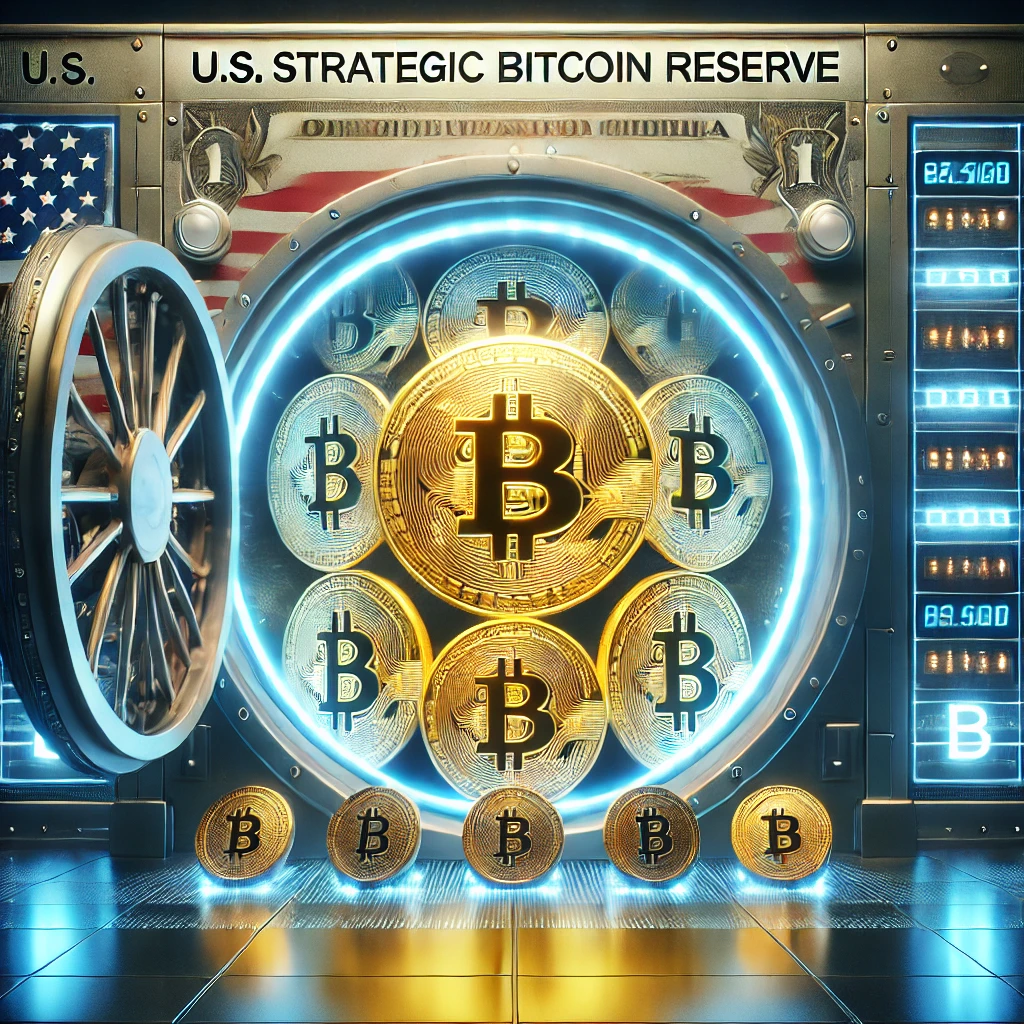
The U.S. Strategic Bitcoin Reserve: A Bold Move Toward Financial Sovereignty

The White House Digital Assets Summit marked a historic shift in the United States’ approach to Bitcoin and digital assets. One of the biggest takeaways from the event was President Donald Trump’s executive order establishing the Strategic Bitcoin Reserve (SBR)—a move that could redefine America’s financial strategy for decades to come.

This initiative signals the government’s recognition of Bitcoin’s role as a store of value, positioning it as a strategic asset that could strengthen economic security, hedge against inflation, and secure financial dominance in an increasingly digital world.

Bitcoin as the New Gold Standard?

For decades, the global economy was backed by the gold standard, which ensured that paper currency was directly tied to physical gold reserves. This system prevented excessive money printing and inflation, providing long-term economic stability.

In his book The Bitcoin Standard, economist Saifedean Ammous argues that Bitcoin could serve as a digital successor to gold, offering an even stronger, tamper-proof monetary system due to its fixed supply of 21 million coins.

With the U.S. now considering holding Bitcoin as a strategic reserve, some experts believe this could be a step toward a Bitcoin-backed monetary system, similar to how gold reserves once backed the U.S. dollar.

Key Takeaways from the Summit

The summit brought together top voices in crypto, finance, and policy. Here’s what key figures had to say about the U.S. Bitcoin reserve:

  • David Sacks, an influential investor and White House advisor on AI and crypto, called the SBR a digital equivalent of Fort Knox, reinforcing its importance in securing the nation’s economic future.
  • Scott Bessent, U.S. Treasury Secretary, highlighted how the reserve could be funded through seized Bitcoin assets, ensuring taxpayers do not bear any financial burden. He also discussed how stablecoins could help maintain the U.S. dollar’s dominance in global markets.
  • Michael Saylor, a long-time Bitcoin advocate, emphasized that Bitcoin is the ultimate long-term asset for national security and financial independence. He argued that establishing an SBR now could ensure America remains at the forefront of the digital financial revolution.

These perspectives reflect a growing consensus that Bitcoin is here to stay and that governments must adapt to this new financial paradigm.

Why the Strategic Bitcoin Reserve Matters

The decision to establish a national Bitcoin reserve carries significant benefits:

1. Strengthening Economic Security

Bitcoin’s fixed supply makes it an ideal hedge against inflation and economic uncertainty. Unlike fiat currencies, which can be printed at will, Bitcoin’s scarcity could help protect national wealth over time, much like gold reserves once did.

2. Reducing National Debt

Analysts suggest that a well-managed Bitcoin reserve could generate trillions in value over the next few decades. By holding Bitcoin as a long-term asset, the U.S. government could use its appreciation to offset debt and fund national initiatives.

3. Enhancing Global Financial Influence

Other nations, including China, Russia, and the UAE, have been exploring Bitcoin and digital asset strategies. By securing a significant share of the Bitcoin network, the U.S. ensures it remains at the forefront of the digital economyrather than falling behind global competitors.

4. Encouraging Innovation and Investment

With the government recognizing Bitcoin’s value, regulatory clarity could improve, encouraging more businesses and investors to operate within the U.S. rather than seeking crypto-friendly jurisdictions overseas. This move could bring capital and jobs back to the country.

The Decentralization Debate: Government vs. Bitcoin’s Core Principles

While many Bitcoin enthusiasts support the idea of nations adopting Bitcoin, some argue that governments owning large portions of the network could undermine its decentralized nature. The Bitcoin ethos is built on individual ownership and financial sovereignty, meaning that no single entity—whether a corporation or a government—should control too much of the supply.

However, others see the U.S. Bitcoin reserve as a safeguard against authoritarian regimes gaining disproportionate influence over the network. The U.S. embracing Bitcoin could also set a precedent for other democratic nations to follow, ensuring that Bitcoin’s future remains aligned with open financial systems rather than centralized control.

Bull vs. Bear Case: What Happens Next?

Bull Case: A Stronger, Bitcoin-Backed U.S. Economy

If the Bitcoin Standard thesis plays out, the U.S. could emerge as the global leader in a new monetary era. Bitcoin’s appreciation could:
✅ Reduce national debt over time
✅ Boost the U.S. dollar’s credibility by integrating Bitcoin reserves
✅ Position America as the digital finance capital of the world

Bear Case: Risks of Government Intervention

Skeptics argue that government involvement could:
❌ Introduce new regulations that slow Bitcoin’s adoption
❌ Encourage market manipulation if the reserve is used for strategic sell-offs
❌ Trigger concerns about centralization, contradicting Bitcoin’s original vision

Conclusion

The establishment of a U.S. Strategic Bitcoin Reserve is a game-changer in the world of finance. While some remain skeptical about government involvement in Bitcoin, there’s no doubt that this move cements Bitcoin’s role in the global financial system.

As the digital economy continues to evolve, Bitcoin’s ability to serve as a hedge against inflation, a store of value, and a tool for economic empowerment makes it an asset worth watching—whether in private hands or national reserves.

Would you like to see more in-depth analysis on Bitcoin and financial trends? Join Future Finance Lab today to stay ahead in the new digital economy!

TSMC Stock Analysis: The Future of Semiconductors & Investment Potential

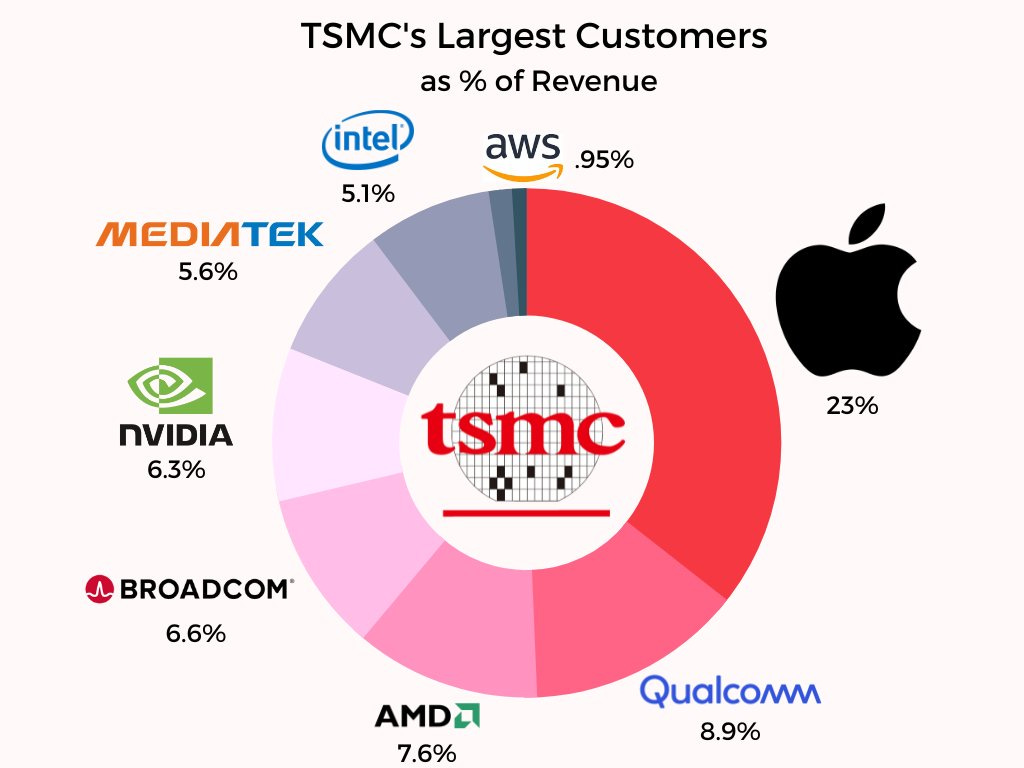
Taiwan Semiconductor Manufacturing Company (TSMC) is the backbone of the global semiconductor industry, producing chips for tech giants like Apple, Nvidia, and AMD. As the world’s largest and most advanced chipmaker, TSMC plays a critical role in powering AI, 5G, and next-generation computing. But is TSMC stock a buy today? Let’s break it down with both bullish and bearish perspectives.

The Bull Case: Why TSMC Could Keep Climbing

1. Dominance in Cutting-Edge Chip Manufacturing

TSMC’s technological leadership is unmatched. Its 3nm and upcoming 2nm nodes place it ahead of competitors like Intel and Samsung, ensuring demand from high-profile clients.

2. Rising AI and High-Performance Computing Demand

The explosion of AI, autonomous vehicles, and high-performance computing means TSMC’s chips are more critical than ever. As companies race to integrate AI, TSMC benefits from strong long-term growth trends.

3. Global Expansion & U.S. Investments

With new facilities in the U.S. and Japan, TSMC is diversifying production beyond Taiwan, reducing geopolitical risks while securing subsidies and incentives from governments looking to strengthen domestic chip production.

4. Financial Strength & Profitability

TSMC boasts robust profit margins and a strong balance sheet, allowing it to invest heavily in future technology while still delivering consistent earnings growth.

The Bear Case: Risks Investors Should Consider

1. Geopolitical Tensions

The ongoing tensions between China and Taiwan pose a major risk. Any disruption to TSMC’s operations could send shockwaves through the tech industry and financial markets.

2. Cyclicality of the Semiconductor Industry

The semiconductor industry is known for boom-and-bust cycles. A slowdown in tech spending or excess chip supply could hurt TSMC’s revenue in the short term.

3. Increased Competition

Intel and Samsung are aggressively investing in advanced manufacturing, aiming to catch up with TSMC. While TSMC holds a strong lead, any missteps could allow competitors to gain ground.

4. Rising Costs & Supply Chain Challenges

Building new fabs is expensive, and supply chain disruptions could impact profitability. As the company expands, managing costs while maintaining efficiency is a crucial challenge.

The Bottom Line: Is TSMC Stock a Buy?

TSMC remains a dominant force in the semiconductor industry, positioned at the heart of major technological advancements. While risks exist, its innovation and market leadership make it a compelling long-term investment.

Want deeper insights and real-time analysis? Become a member of Future Finance Lab and gain exclusive access to expert research, market trends, and investment opportunities. Join us today and stay ahead in the financial markets!

Tesla’s Path Forward: Is Now the Time to Buy or Wait?

Tesla (TSLA) remains one of the most closely watched stocks in the market, trading around $262 today. Despite its long history of volatility, Tesla continues to push boundaries in electric vehicles, autonomous driving, and artificial intelligence. But with growing competition and recent stock declines, investors are wondering: Is Tesla at a turning point, or is there more downside ahead?


Recent Stock Performance: Volatility in Motion

Tesla’s stock has been on a downward trajectory, slipping significantly from its highs. While this decline has sparked concern among investors, it also presents an opportunity—especially for those who believe in the company’s long-term vision.

Several key factors have influenced this pullback:
✅ Slower Delivery Growth – Tesla’s European deliveries in January 2025 were nearly 50% lower than the previous year, raising concerns about demand.
✅ Intensifying Competition – Companies like BYD and legacy automakers are ramping up EV production, some even offering free advanced driver-assistance systems that challenge Tesla’s paid Full Self-Driving (FSD) model.
✅ Market Sentiment & Geopolitics – Tesla has been caught in the broader market selloff, and CEO Elon Musk’s political presence has added another layer of uncertainty.


The Case for Optimism: Tesla’s Next Moves

Despite short-term challenges, Tesla remains one of the most innovative companies in the world, with several upcoming catalysts that could reshape its future.

🔹 Affordable SUV Coming in 2025 – Tesla is launching a cheaper SUV designed to attract a wider audience and drive global EV adoption.

🔹 Robotaxis & Autonomous Driving – Testing for Level 3 Full Self-Driving (FSD Unsupervised) is set to begin in Austin, Texas, this June. While Tesla aims for full-scale deployment by 2026, analysts expect it closer to 2028.

🔹 Expanding Profit Streams – Beyond cars, Tesla is growing its revenue through energy storage, AI training (Dojo), and vehicle insurance, making it less reliant on auto sales alone.

🔹 Cost Efficiency & Manufacturing Advances – Tesla continues to cut production costs, which could improve margins and help sustain long-term profitability.


Should You Buy Tesla Stock Now?

Tesla is currently trading above its fair value estimate of $250 but far below its 52-week high. Analysts have mixed views:

📉 Bearish Case: Some believe Tesla still faces pricing pressures, increased competition, and delayed autonomous vehicle rollouts.
📈 Bullish Case: Others argue that Tesla’s investments in self-driving tech, AI, and energy storage could unlock massive new revenue streams in the coming years.

💡 Investor Takeaway: Tesla is a high-risk, high-reward stock. If you’re a long-term believer in EVs and AI, this dip might be a buying opportunity. If you’re cautious, waiting for a lower entry point—closer to $250—could offer a better margin of safety.


Final Thoughts

Tesla’s journey is far from over. While short-term volatility is inevitable, the company’s vision for autonomous driving, mass EV adoption, and AI-powered robotics keeps it ahead of the curve. Whether you’re buying now or waiting for a better price, Tesla remains a stock that demands attention.

🚀 The future of mobility is being written today—will you be part of it?


Want deeper insights and real-time analysis? Become a member of Future Finance Lab and gain exclusive access to expert research, market trends, and investment opportunities. Join us today and stay ahead in the financial markets!