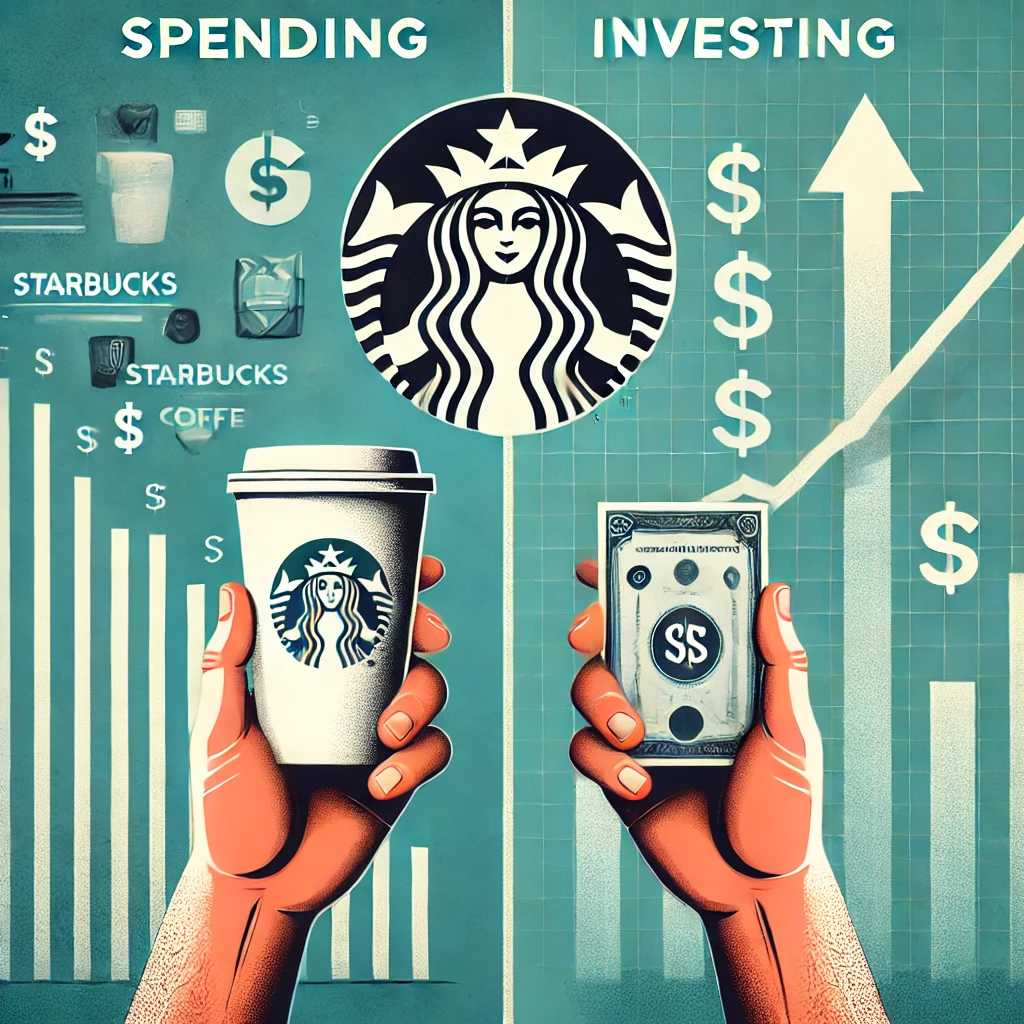
The Wealthy Mindset: Shifting from Spending to Investing

Building wealth isn’t just about earning more money—it’s about how you think about and use the money you already have. At its core, the wealthy mindset isn’t defined by the size of your paycheck but by your approach to financial decisions. The key shift? Moving from a spending-focused mindset to an investing-focused one.

Understanding the Difference: Spending vs. Investing

Spending is transactional. You exchange money for goods or services, and once the transaction is complete, the money is gone. Investing, on the other hand, is strategic. It involves putting money into assets or opportunities with the expectation of generating future returns.

For example:

  • Spending: Buying the latest smartphone or a luxury car.
  • Investing: Purchasing stocks, real estate, or starting a side business.
  • Real-Life Example: Instead of spending $5 every day on a Starbucks coffee, you could invest that $5 into Starbucks stock. Over time, the stock could grow in value, provide dividends, and potentially yield far greater returns than the short-term pleasure of a daily coffee.

While spending satisfies immediate desires, investing builds long-term financial stability and wealth.

The Mindset Shift

To cultivate a wealthy mindset, you must view money as a tool for growth, not just consumption. Here are key principles to adopt:

  1. Focus on Assets, Not Liabilities: Prioritize purchases that appreciate in value or generate income.
  2. Delayed Gratification: Resist impulse spending and prioritize long-term financial goals.
  3. Continuous Learning: Stay informed about financial markets, investment opportunities, and wealth-building strategies.
  4. Make Your Money Work for You: Passive income streams, such as dividends or rental income, can create financial freedom.

Practical Steps to Start Investing

  1. Set Clear Financial Goals: Understand what you’re investing for—retirement, financial independence, or a specific milestone.
  2. Start Small: You don’t need large sums to begin investing. Even small, consistent contributions can grow significantly over time.
  3. Diversify Your Investments: Spread your money across different assets to minimize risk.
  4. Automate Investments: Set up automatic transfers to your investment accounts to ensure consistency.

Overcoming Common Barriers

  • Fear of Risk: Educate yourself to make informed decisions and understand that all investments carry some level of risk.
  • Lack of Knowledge: Use resources like FutureFinanceLab.com to expand your financial literacy.
  • Instant Gratification Culture: Remind yourself of the long-term benefits of investing.

Final Thoughts

Adopting a wealthy mindset isn’t about restricting yourself from enjoying life. It’s about aligning your financial habits with your long-term goals. Every dollar spent is a choice—a choice between fleeting pleasure and future security.

At Future Finance Lab, we believe in equipping individuals with the tools and knowledge to make smarter financial choices. Shift your focus from spending to investing, and watch how your financial future transforms.


Starting a Portfolio in 5 Steps: Stocks, Crypto, and Beyond

Building an investment portfolio might seem intimidating, but with the right approach, anyone can start growing their wealth. Whether you’re interested in stocks, cryptocurrencies, or other assets, this guide breaks it down into 5 clear steps to set you on the path to financial success.


Step 1: Define Your Investment Goals

Before investing, you need to know why you’re investing. Are you saving for retirementbuying a home, or just looking to grow your wealth over time?

Ask Yourself:

  • What’s my investment timeline? (Short-term, medium-term, or long-term)
  • How much risk am I comfortable with? (Low, medium, or high)
  • What’s my initial investment budget?

Quick Tip: For long-term goals, you can generally afford to take more risk, while short-term goals may require safer assets.


Step 2: Choose Your Asset Mix

A balanced portfolio includes a mix of stocks, crypto, bonds, ETFs, and other assets to reduce risk and optimize returns.

Common Asset Classes:

  • Stocks: Ownership in a company; offers growth potential but can be volatile.
  • Crypto: High-risk, high-reward digital assets like Bitcoin and Ethereum.
  • ETFs (Exchange-Traded Funds): Diversified funds traded like stocks.
  • Real Estate or REITs: Investments in physical properties or property portfolios.

Quick Tip: Beginners might start with 70% stocks, 20% crypto, and 10% bonds/ETFs, adjusting based on risk tolerance.


Step 3: Pick the Right Platforms

Choosing the right platforms makes investing easier and safer.

Recommended Platforms:

  • Stocks & ETFs: Fidelity, Vanguard, or Robinhood
  • Crypto: Coinbase, Binance, or Crypto.com
  • Diversified Portfolios: Wealthfront or Betterment

Quick Tip: Look for platforms with low feeseasy interfaces, and strong security features.


Step 4: Start Small and Invest Regularly

You don’t need a fortune to start investing—consistency is key.

Best Practices:

  • Start with as little as $50-$100 per month.
  • Use Dollar-Cost Averaging (DCA)—invest a fixed amount regularly, regardless of market conditions.
  • Reinvest dividends to grow your portfolio faster.

Quick Tip: Automate your investments to ensure you never miss a contribution.


Step 5: Monitor and Adjust Your Portfolio

Investing isn’t a set-it-and-forget-it game. Review your portfolio at least once a quarter to make sure it aligns with your goals.

Key Actions:

  • Rebalance your portfolio if one asset class becomes too dominant.
  • Stay updated on market trends.
  • Don’t panic-sell during market downturns—think long-term.

Quick Tip: Diversify across industries, regions, and asset types to spread risk.


Bonus Tip: Educate Yourself

Investing isn’t a one-time skill—it’s an ongoing learning process.

  • Follow trusted financial blogs (like FutureFinanceLab.com! 😉)
  • Read books like “The Intelligent Investor” by Benjamin Graham
  • Stay informed about market news

Final Thoughts

Starting an investment portfolio doesn’t have to be complicated. By setting clear goals, diversifying your assets, and staying consistent, you’ll be well on your way to building lasting wealth.

For more tips and resources, visit FutureFinanceLab.com and start your financial journey today! 🚀

How to Build an Emergency Fund Without Cutting Everything Out

Building an emergency fund can feel overwhelming, especially when you’re already managing monthly bills, debt, and day-to-day expenses. The good news? You don’t need to cut out every luxury or live on instant noodles to save effectively. In this article, we’ll explore realistic strategies to build your financial safety net without sacrificing everything you enjoy.


1. Start Small, Stay Consistent

You don’t need to save thousands overnight. Begin with a realistic goal, like saving $500 as your first milestone. Small, consistent contributions add up over time.

Practical Tip:

  • Automate a small weekly transfer (e.g., $10-$20) into your emergency fund.
  • Use the 50/30/20 budget rule: 50% for needs, 30% for wants, and 20% for savings.

Why It Works: Automating savings removes the temptation to spend money that’s meant for your fund.


2. Save Unexpected Income

Windfalls like tax refunds, bonuses, or cash gifts are great opportunities to boost your savings without affecting your regular budget.

Practical Tip:

  • Allocate at least 50% of any windfall directly into your emergency fund.

Why It Works: You won’t miss money you weren’t expecting in the first place.


3. Identify ‘Invisible’ Savings Opportunities

Small, unnoticed habits can drain your wallet—think daily coffee runs or multiple streaming subscriptions. You don’t have to eliminate them entirely; just adjust.

Practical Tip:

  • Replace 2-3 café coffees a week with home-brewed ones.
  • Cancel one underused subscription and redirect that money to savings.

Why It Works: Minor adjustments are easier to sustain long-term than drastic sacrifices.


4. Set a Realistic Monthly Goal

Instead of aiming to save half your paycheck, set an achievable monthly savings goal based on your income and expenses.

Practical Tip:

  • Start with 5-10% of your monthly income.
  • Treat it like a non-negotiable bill.

Why It Works: Smaller, regular contributions are more manageable and less intimidating.


5. Use Spare Change Apps

Micro-saving apps like Acorns or Qapital round up your purchases to the nearest dollar and deposit the difference into savings.

Practical Tip:

  • Enable automatic round-ups on your debit or credit card.

Why It Works: You’ll save money without even noticing it’s gone.


6. Sell Unused Items

Decluttering your home can also declutter your finances. Sell unused clothes, electronics, or furniture online.

Practical Tip:

  • Use platforms like eBay, Facebook Marketplace, or Poshmark.
  • Put all earnings directly into your emergency fund.

Why It Works: Turning clutter into cash is a win-win.


7. Celebrate Small Wins

Every $100 saved is a step closer to financial security. Celebrate milestones to keep yourself motivated.

Practical Tip:

  • Set mini-goals ($100, $500, $1,000).
  • Reward yourself with small, guilt-free treats after reaching a milestone.

Why It Works: Positive reinforcement helps you stay committed to your savings journey.


Final Thoughts

Building an emergency fund doesn’t require extreme sacrifices. With consistent habits, smart strategies, and a little patience, you can create a financial cushion that brings peace of mind—without giving up every little joy in life.

Start small, stay consistent, and remember: every dollar counts.

For more financial tips and resources, visit FutureFinanceLab.com.

How to Grow Your Wealth by Investing $50 Weekly: A Diversified Approach

Investing $50 every week might seem small, but with a well-structured, diversified portfolio that includes Bitcoin, S&P 500 ETFs, and other key assets, it can become a powerful wealth-building strategy over time. In this guide, we’ll explore how consistent weekly investments can grow over 1, 5, and 10 years—and how you can get started with insights from FutureFinanceLab.com.


📊 Why a Diversified Portfolio Matters

A diversified portfolio spreads your $50 across different asset classes, reducing risk while increasing potential returns. Here’s an example breakdown:

  • 40% in S&P 500 ETFs: Steady, long-term growth through exposure to leading U.S. companies.
  • 30% in Bitcoin: High-risk, high-reward potential from cryptocurrency.
  • 20% in Global/Tech ETFs: Broader exposure to international and tech-focused stocks.
  • 10% in Bonds or Stable Assets: Stability during market downturns.

This blend offers growth, protection against volatility, and long-term sustainability.


🚀 Investment Growth Projections Over Time

1-Year Outlook

  • Total Invested: $2,600 ($50 × 52 weeks)
  • Expected Growth:
    • S&P 500 ETFs (7% return): $1,040 → ~$1,110
    • Bitcoin (10-20% variable return): $780 → ~$860–$930
    • Global/Tech ETFs (6-8% return): $520 → ~$550–$560
    • Bonds/Stable Assets (3% return): $260 → ~$267

💼 Total Estimated Portfolio Value: ~$2,780–$2,867

🔑 Key Takeaway: In the first year, growth may seem modest, but consistency is building a strong foundation.


5-Year Outlook

  • Total Invested: $13,000 ($50 × 52 weeks × 5 years)
  • Expected Growth:
    • S&P 500 ETFs: $5,200 → ~$7,300
    • Bitcoin: $3,900 → ~$6,000–$8,000
    • Global/Tech ETFs: $2,600 → ~$3,500
    • Bonds/Stable Assets: $1,300 → ~$1,500

💼 Total Estimated Portfolio Value: ~$18,300–$20,300

🔑 Key Takeaway: Compound growth starts showing significant results by year five, with Bitcoin contributing to higher upside potential.


10-Year Outlook

  • Total Invested: $26,000 ($50 × 52 weeks × 10 years)
  • Expected Growth:
    • S&P 500 ETFs: $10,400 → ~$21,000
    • Bitcoin: $7,800 → ~$15,000–$25,000
    • Global/Tech ETFs: $5,200 → ~$10,000
    • Bonds/Stable Assets: $2,600 → ~$3,500

💼 Total Estimated Portfolio Value: ~$49,500–$59,500

🔑 Key Takeaway: The power of consistency and compounding creates impressive long-term results. Bitcoin’s volatility may cause larger swings, but overall diversification balances risk and reward.


📚 Why FutureFinanceLab.com is Your Go-To Resource

At FutureFinanceLab.com, we focus on making financial education accessible and practical. Whether you’re a beginner or an experienced investor, you’ll find:

✅ Step-by-step investment guides
✅ Real-time market analysis
✅ Updates on Bitcoin, ETFs, and diversified portfolios
✅ Personalized AI-driven financial insights

Stay informed, make smarter investment choices, and grow your financial future with confidence.


🛠️ Steps to Start Investing $50 Weekly

  1. Open an Investment Account: Choose a broker or investment app with access to ETFs, Bitcoin, and diversified funds.
  2. Automate Weekly Investments: Set up recurring deposits every week.
  3. Diversify Smartly: Allocate your $50 across different assets as shown above.
  4. Track Performance: Regularly review and rebalance your portfolio.
  5. Educate Yourself: Stay updated with resources from FutureFinanceLab.com.

🌟 Final Thoughts

Investing $50 weekly isn’t just about the amount—it’s about consistency, discipline, and diversification. By spreading your investment across Bitcoin, ETFs, and other assets, you reduce risk and maximize growth potential over time.

Start today, stick to your plan, and let FutureFinanceLab.com guide you on your journey to financial freedom. 🚀

How to Diversify Your Portfolio Across Digital Assets and Traditional Markets

Diversification isn’t limited to cryptocurrencies. A balanced investment strategy also includes traditional markets like stocks, ETFs, and bonds. Here’s a simple guide to diversifying across both digital and traditional assets:


Step 1: Understand the Basics of Diversification

Diversifying spreads your investments across various asset classes to manage risk effectively. It ensures that a poor performance in one area doesn’t heavily impact your entire portfolio.


Step 2: Diversify Across Asset Classes

A well-rounded portfolio might include:

1. Cryptocurrencies:

  • Blue-Chip Cryptos: Bitcoin (BTC) and Ethereum (ETH) are market leaders.
  • Altcoins: Consider newer projects like Solana (SOL) or Chainlink (LINK).
  • Stablecoins: Use USDC or DAI for liquidity and protection during market dips.
  • DeFi Tokens & NFTs: Exposure to decentralized finance and virtual assets adds growth potential.

2. Stock Market:

  • Individual Stocks: Focus on blue-chip companies, growth stocks, or dividend-paying shares.
  • ETFs: Exchange-traded funds like S&P 500 ETFs (e.g., SPY or VOO) provide broad market exposure.
  • Thematic ETFs: Consider funds focusing on technology, clean energy, or blockchain.

3. Bonds:

  • Bonds provide stability and predictable returns, offsetting the volatility of cryptos.

4. Commodities:

  • Investments in gold, silver, or even digital gold tokens offer a hedge against inflation.

Step 3: Tailor to Your Risk Tolerance

  • High-Risk Assets: Cryptos and growth stocks offer high potential returns but are volatile.
  • Moderate-Risk Assets: ETFs and DeFi tokens provide balanced growth.
  • Low-Risk Assets: Stablecoins, bonds, and dividend stocks ensure safety and steady income.

Step 4: Stay Consistent

Adopt strategies like Dollar-Cost Averaging (DCA) to reduce the impact of market fluctuations. Invest consistently over time, buying more assets when prices dip.


Step 5: Monitor and Rebalance

Over time, some investments may grow faster than others, skewing your portfolio. Periodically review and rebalance your allocation.


Step 6: Leverage Tools and Insights

At FutureFinanceLab.com, members gain access to:

  • AI-Powered Recommendations: Personalized advice based on your goals.
  • Exclusive Reports: In-depth analyses of crypto, ETFs, and stock trends.
  • Simulators & Tools: Experiment with portfolio strategies risk-free.
  • Community Discussions: Share insights with like-minded investors.

Why Diversify?

  1. Mitigate Risks: Spread your exposure across different markets and industries.
  2. Optimize Returns: Seize opportunities in both traditional and emerging sectors.
  3. Achieve Stability: Balance volatility with reliable assets like bonds or stablecoins.

The Power of Dollar-Cost Averaging (DCA): A Smart Investment Strategy

Investing can feel overwhelming, especially with market volatility. Dollar-Cost Averaging (DCA) is a time-tested strategy that simplifies investing and helps mitigate the risks associated with market fluctuations. This article will explore how DCA works, provide real examples using Bitcoin and popular stocks, and show why this approach can benefit both new and seasoned investors.


What is Dollar-Cost Averaging (DCA)?

DCA involves investing a fixed amount of money at regular intervals, regardless of the asset’s price. This method avoids the pitfalls of trying to “time the market” and instead focuses on long-term growth. Over time, DCA can lower the average cost per share or unit compared to making a lump-sum investment during a market peak.


Real-Life Examples of DCA

Bitcoin (BTC): 2020–2023

Bitcoin is known for its extreme volatility, making it a prime candidate for demonstrating DCA.

  • Scenario: Investing $100 monthly in Bitcoin from January 2020 to December 2023.
  • Data:
    • Total Investment: $4,800 ($100 x 48 months)
    • Average Purchase Price: Approx. $18,500 per BTC
    • Value as of November 2023: $36,000 per BTC

By regularly buying Bitcoin, an investor would accumulate more BTC during price dips and less during peaks, leading to a substantial portfolio value of around $8,400 as of November 2023, almost doubling their investment.


Apple (AAPL): 2018–2023

Apple is a stable stock that has shown consistent growth, but even it isn’t immune to market swings.

  • Scenario: Investing $200 monthly in AAPL shares from January 2018 to December 2023.
  • Data:
    • Total Investment: $14,400 ($200 x 72 months)
    • Average Purchase Price: Approx. $115 per share
    • Current Price (as of November 2023): $190 per share

With DCA, an investor would have accumulated approximately 125 shares of AAPL over six years. As of November 2023, those shares would be worth $23,750, delivering a gain of over 65%.


Amazon (AMZN): 2020–2023

Amazon experienced significant ups and downs during the pandemic, making it another excellent DCA example.

  • Scenario: Investing $150 monthly in AMZN shares from January 2020 to December 2023.
  • Data:
    • Total Investment: $7,200 ($150 x 48 months)
    • Average Purchase Price: Approx. $105 per share
    • Current Price (as of November 2023): $140 per share

With 68 shares accumulated, the portfolio value would now stand at $9,520, reflecting a solid 32% return.


Why Choose DCA?

  1. Reduces Emotional Investing: It eliminates the stress of deciding whether to invest during market highs or lows.
  2. Encourages Discipline: Regular investments foster a habit of saving and investing over time.
  3. Lowers Risk: By spreading out purchases, you avoid putting all your money into the market at an inopportune moment.
  4. Works with Any Budget: DCA is scalable, making it accessible to all investors, whether they invest $50 or $5,000 monthly.

Things to Consider

  • Long-Term Commitment: DCA works best when you stick to the plan during both bull and bear markets.
  • Transaction Fees: Frequent purchases may incur higher fees. Choose platforms that offer low-cost trading options.
  • Research: DCA doesn’t guarantee profits. Always ensure you’re investing in high-quality assets with strong fundamentals.

Conclusion

Dollar-Cost Averaging is a proven strategy that helps investors navigate volatile markets with confidence. Whether you’re buying Bitcoin, tech stocks like Apple, or e-commerce giants like Amazon, DCA allows you to grow wealth steadily without the pressure of market timing.

Start small, stay consistent, and let time and patience be your strongest allies in building a robust portfolio.