Driving Through a Foggy Night: Powell’s Metaphor for the Fed’s Cautious Path

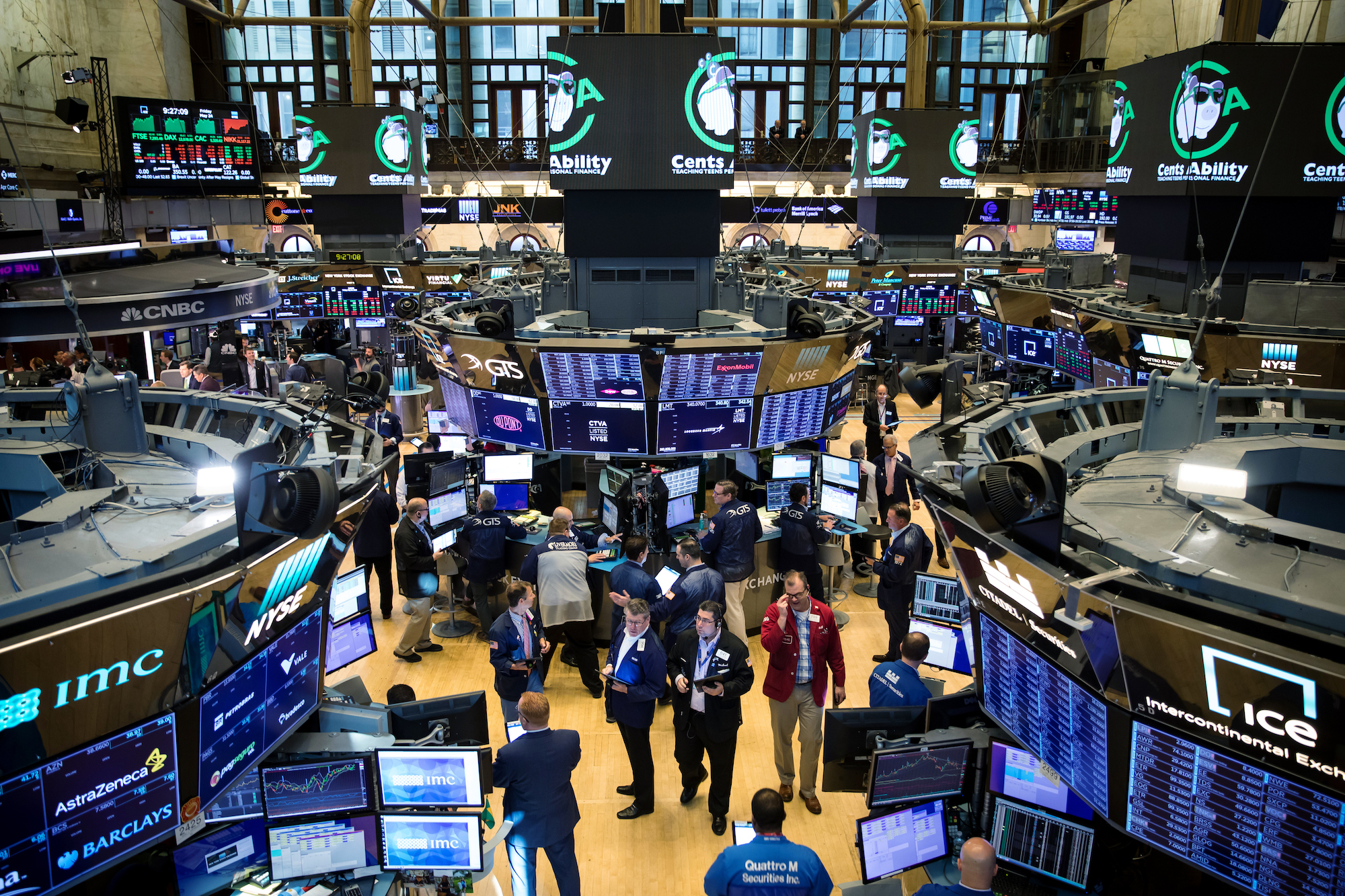
In a pivotal moment during today’s Federal Reserve meeting, Chair Jerome Powell used a striking metaphor to describe the challenges of navigating monetary policy in the current economic climate. He likened the Fed’s approach to driving on a foggy night, where the road ahead is unclear and careful adjustments are essential to avoid going off course.

This simple yet evocative image perfectly captures the complexities the Fed is grappling with: balancing inflation control, economic growth, and financial stability, all while peering through the haze of unpredictable global and domestic factors.


What Powell Meant by the “Foggy Night”

Powell’s metaphor reflects three key uncertainties facing the Fed:

  1. Inflation’s Path:
    While inflation has moderated from its pandemic-era peaks, it remains stubbornly above the Fed’s 2% target. Powell emphasized the challenge of predicting how quickly it will decline, given persistent wage pressures and supply chain disruptions that still linger in pockets of the economy.
  2. Economic Momentum:
    The U.S. economy has shown surprising resilience, with strong labor markets and steady consumer spending. But questions linger about whether this strength can endure as higher interest rates weigh on borrowing and investment.
  3. Global and Domestic Risks:
    Powell acknowledged that geopolitical tensions, volatile energy markets, and shifts in fiscal policy add layers of complexity, making the economic outlook even murkier.

When you’re driving through fog, you rely on limited visibility, adjusting your speed and course as you encounter each obstacle. Similarly, Powell’s Fed is moving cautiously, reacting to new data and avoiding bold moves that could lead to unintended consequences.


Why the “Fog” Matters to You

The metaphor of a foggy night resonates not just for economists and investors but for everyday people, too. Here’s how:

  1. Borrowers:
    For those with mortgages, car loans, or credit cards, the Fed’s cautious approach means interest rates might remain elevated for a bit longer. Refinancing decisions or new loans will need careful consideration.
  2. Savers and Retirees:
    Higher rates might seem like a boon for savings accounts, but uncertainty about inflation and future rate cuts can complicate long-term financial planning.
  3. Investors:
    Whether you’re in stocks, bonds, or crypto, Powell’s “foggy night” highlights the need for patience. Volatility is likely to persist, and markets will continue to react sharply to incoming data.
  4. Business Owners:
    For companies, especially small businesses, unclear economic conditions mean making tough calls on hiring, expansion, and inventory.

How the Markets Interpreted the Fog

The markets weren’t thrilled by Powell’s metaphor. A cautious Fed means no quick return to the era of ultra-low interest rates, and investors responded with a risk-off attitude:

  • Stocks plunged, with major indices dropping 2-3%.
  • Bitcoin tumbled, reflecting broader market jitters.
  • Treasury yields rose, signaling a shift in expectations for higher long-term rates.

Powell’s careful tone reminded investors that the path ahead isn’t straightforward, and the Fed is prepared to slow its pace to avoid missteps.


Lessons From the Foggy Road

Navigating uncertainty is something we all face, whether in monetary policy or daily life. Powell’s metaphor offers a timeless lesson: when the road ahead is unclear, the best course of action is to slow down, proceed with caution, and adjust as visibility improves.

For the Fed, this means being data-driven and adaptable. For everyone else—borrowers, savers, investors—it’s a reminder to take stock of your financial situation, stay informed, and prepare for potential twists and turns.

Like any journey through fog, the conditions won’t last forever. Clarity will return, and the Fed will eventually have a clearer road map. But until then, Powell’s words remind us to stay alert, stay cautious, and trust that every cautious step forward brings us closer to the destination.

Bitcoin, the Fed, and the Market Dance: A Day in Crypto’s World

As I scrolled through the headlines this morning, the air was charged with anticipation: the Federal Reserve was gearing up for its final monetary policy decision of the year. Would they cut rates? Hold steady? Hike unexpectedly? For market-watchers like me, it’s the kind of day where even a sip of coffee feels like a luxury—everything is moving fast, especially in the volatile world of Bitcoin.

The Fed, true to the whispers of analysts, trimmed interest rates by 0.25%. The new target range: 4.25% to 4.5%. While this was expected, it wasn’t without drama. The Fed Chair, Jerome Powell, delivered his trademark cautious optimism, hinting at only two further cuts in 2025, fewer than the market had hoped. And just like that, the ripple effects began.

Bitcoin: The Risk Asset with a Mind of Its Own

Bitcoin has been described as “digital gold,” a hedge against inflation, a decentralized store of value. But on days like today, Bitcoin behaves less like gold and more like a thrill-seeking daredevil. As Powell’s words sank in, Bitcoin took a sharp tumble, falling below the $101,000 mark after flirting with $107,000 earlier in the day.

Why? It’s all about sentiment. In recent years, Bitcoin has grown up. It’s no longer a niche playground for tech geeks—it’s a macroeconomic participant, reacting to central bank decisions and global liquidity just like equities.

When the Fed signaled a slower pace of rate cuts, the message was clear: easy money isn’t coming back as quickly as some investors hoped. And Bitcoin, often seen as a high-risk, high-reward asset, reflected that sentiment instantly.

The Market Mood

Traditional markets weren’t immune to the Fed’s cautious tone either. The S&P 500 sank 2.6%, the Nasdaq dropped over 3%, and Treasury yields ticked higher. The stock market was throwing its own tantrum, and Bitcoin was caught in the crossfire.

It was a reminder of just how interconnected everything is. In 2023, Bitcoin’s correlation to tech stocks began to fade, but the connection hasn’t disappeared completely. A risk-off mood in equities often spills over into crypto.

But here’s the twist: Bitcoin’s dip wasn’t met with despair.

A Silver Lining?

Scrolling through Twitter, Telegram groups, and crypto forums, there was a surprising undercurrent of optimism. Long-term holders saw this dip not as a warning but as an opportunity. “Bitcoin under $101K is a gift,” one post declared confidently. Others pointed out that BTC has weathered far worse storms and emerged stronger.

And that’s what fascinates me about Bitcoin. It’s not just an asset; it’s a movement. Every pullback, every surge carries with it a narrative that transcends numbers. Today’s drop? For some, it’s the Fed tightening the leash on risk assets. For others, it’s just another moment in Bitcoin’s endless dance of volatility—a feature, not a bug.

Lessons From the Day

Here’s the thing about days like today: they remind you why you’re in the game. Bitcoin, for all its volatility, is a mirror to the broader financial ecosystem. The Fed’s decisions, inflation numbers, geopolitical events—they all manifest in Bitcoin’s price chart with stunning immediacy.

But there’s another lesson, too: patience. Markets overreact in the short term, but long-term trends tell the real story. As I watched Bitcoin bounce slightly off its lows, I thought about how many times I’d seen this play out. Back in 2020, a dip to $10K felt catastrophic. Today, $101K feels like a minor blip.

That’s the journey Bitcoin takes you on—a rollercoaster of emotions, sure, but also a journey of perspective.

Where Do We Go From Here?

Nobody knows. And that’s the beauty of it. The Fed may have a roadmap for rates in 2025, but markets—and especially Bitcoin—have a way of surprising everyone.

If today’s action taught me anything, it’s this: Bitcoin thrives on chaos. And for those of us along for the ride, days like today are why we’re here. It’s not just about the price—it’s about witnessing the evolution of a financial revolution, one Fed meeting at a time.

Tomorrow’s another day. The market will open, Bitcoin will move, and the dance will continue. The question isn’t whether Bitcoin will recover—it’s whether you’re ready to keep up with the music.

What to Expect in 2025: Bitcoin and the Stock Market

As we look toward 2025, the financial world stands at a pivotal moment. Both the stock market and Bitcoin—two seemingly different investment arenas—are evolving in response to technological breakthroughs, macroeconomic shifts, and changing investor sentiment. This convergence of traditional finance and digital innovation presents unique opportunities and challenges. Let’s explore what 2025 might hold for Bitcoin, the broader stock market, and some key companies driving these changes.


Bitcoin in 2025: From Speculation to Mainstream

Bitcoin’s journey from a niche experiment to a global financial asset has been nothing short of revolutionary. By 2025, Bitcoin is expected to continue cementing its role in the financial ecosystem, shaped by several key developments:

1. The Halving Effect: A Catalyst for Growth

In 2024, Bitcoin will undergo its fourth halving event, reducing the reward miners earn by 50%. Historically, halving events have led to significant price increases due to reduced supply entering the market. By 2025, the effects of this supply shock could drive heightened demand, particularly as global economic uncertainty persists.

2. Institutional Adoption and ETFs

The potential approval of spot Bitcoin exchange-traded funds (ETFs), championed by financial giants like BlackRock and Fidelity, could be a game-changer. ETFs would allow mainstream investors to gain Bitcoin exposure through traditional brokerage accounts, significantly increasing adoption and liquidity. This move could transform Bitcoin into a more stable and accessible asset.

3. Bitcoin as “Digital Gold”

With its capped supply of 21 million coins, Bitcoin is increasingly viewed as a hedge against inflation and economic instability. In regions grappling with currency devaluation—such as Argentina or Turkey—Bitcoin adoption is likely to surge. By 2025, Bitcoin could solidify its reputation as a reliable store of value in both developed and emerging markets.

4. Real-World Utility Expands

Advancements in the Lightning Network, Bitcoin’s second-layer scaling solution, are expected to enhance Bitcoin’s utility as a medium of exchange. Faster, low-cost transactions could fuel broader adoption for everyday payments and international remittances, extending Bitcoin’s relevance beyond investment speculation.


The Stock Market in 2025: New Frontiers of Growth

The stock market’s trajectory in 2025 will be shaped by macroeconomic recovery, technological innovation, and evolving global trade dynamics. While traditional sectors like energy and industrials remain strong, emerging industries such as AI, 3D printing, and renewable energy will take center stage.

1. Tech Sector Dominance and AI Revolution

Technology continues to drive market growth, with artificial intelligence (AI) leading the charge. Companies like NVIDIA (NVDA)Microsoft (MSFT), and C3.ai (AI) are poised to benefit from rising demand for AI applications across industries. From predictive maintenance to fraud detection, enterprise AI solutions are becoming indispensable. By 2025, the AI industry is projected to surpass $1 trillion in market value, making this a focal point for investors.

2. The Rise of 3D Printing

Additive manufacturing, or 3D printing, is revolutionizing industries like aerospace, healthcare, and automotive. Companies like 3D Systems (DDD) are leading the way with advanced prototyping and production solutions. The global 3D printing market, valued at $15 billion in 2021, is projected to grow to over $50 billion by 2030. By 2025, 3D printing could become a cornerstone of efficient, sustainable manufacturing.

3. Energy Evolution: Dual Pathways

  • Traditional Energy: Oil and gas companies like ExxonMobil (XOM) and Chevron (CVX) remain resilient as global demand stabilizes.
  • Renewables: Companies like NextEra Energy (NEE) are set to benefit from the global push toward green energy solutions. Renewable energy and battery storage technologies will play a critical role in shaping the future energy landscape.

4. Emerging Markets and Global Trade

Emerging markets such as India, Vietnam, and Brazil are expected to grow in importance. Companies with strong international exposure, like Apple (AAPL) and Caterpillar (CAT), stand to benefit from these regions’ expanding consumer bases and infrastructure projects.


Bitcoin and the Stock Market: Convergence and Distinction

By 2025, Bitcoin and the stock market will be more interconnected than ever. Institutional investors increasingly view Bitcoin as a risk-on asset, moving in tandem with growth stocks like those in the tech sector. Companies such as Coinbase (COIN) and MicroStrategy (MSTR) serve as direct bridges between Bitcoin and traditional markets, offering investors exposure to cryptocurrency through equities.

Key Similarities

Both Bitcoin and stocks will benefit from reduced uncertainty as monetary policy stabilizes and global economies recover. Technology adoption—whether in AI, blockchain, or renewable energy—will act as a major growth driver for both markets.

Key Differences

Bitcoin’s decentralized nature and capped supply make it unique compared to stocks, which are tied to corporate performance and broader economic cycles. While Bitcoin offers a hedge against inflation, stocks provide exposure to innovation and dividends, making them complementary assets in a diversified portfolio.


Opportunities and Risks for Investors in 2025

Opportunities

  • Growth Sectors: Tech companies like C3.aiNVIDIA, and 3D Systems are positioned for significant upside in industries like AI and 3D printing.
  • Bitcoin Adoption: Increased institutional participation and the rollout of ETFs could drive Bitcoin’s mainstream appeal.
  • Global Trends: Emerging markets and infrastructure investments offer new opportunities for companies like Caterpillar and Apple.

Risks

  • Macroeconomic Uncertainty: Lingering inflation or geopolitical tensions could weigh on both Bitcoin and stock market performance.
  • Regulatory Challenges: Unfavorable policies on Bitcoin or disruptive technologies may hinder growth.
  • Valuation Volatility: High-growth sectors like AI and Bitcoin-linked stocks may face sharp corrections if market expectations are unmet.

Conclusion: A Dynamic Landscape for 2025

By 2025, the financial world will be shaped by the convergence of traditional equities and emerging assets like Bitcoin. Bitcoin’s role as “digital gold” and a medium of exchange will grow, driven by adoption, innovation, and regulatory clarity. Meanwhile, the stock market will thrive on technological advancements, particularly in AI, 3D printing, and energy.

For investors, staying informed and diversified will be key. Combining exposure to transformative industries with resilient, stable sectors offers a balanced approach to navigating the opportunities and risks of 2025.


Disclaimer: This article is for informational purposes only and not financial advice. Always conduct thorough research and consult a professional before making investment decisions.

Understanding Market Volatility Through Psychology and Momentum

The stock market is often described as a rollercoaster, with sharp rises and falls that can leave investors exhilarated or panicked. While many factors contribute to market volatility, human psychology plays a significant role. One particularly interesting concept is momentum, a phenomenon where stock prices continue moving in the same direction for a period of time. By exploring the mental and emotional drivers behind market fluctuations, we can gain a deeper understanding of how and why prices change so dramatically.

What Is Market Volatility?

Market volatility refers to the rapid and significant changes in stock prices over a short period. It’s a normal part of investing, but high volatility often creates uncertainty and fear among investors. Volatility is influenced by economic events, company news, geopolitical tensions, and, most importantly, investor behavior.

The Role of Momentum in Volatility

Momentum in the stock market refers to the tendency for winning stocks to keep going up and losing stocks to keep going down. This concept is closely tied to investor psychology and can amplify market volatility. But why does momentum occur?

  1. Herd Mentality: Investors often follow the crowd. When they see a stock rising, they buy in, which pushes the price even higher. Similarly, when a stock is falling, fear drives them to sell, accelerating the decline.
  2. Underreaction and Overreaction: Investors sometimes don’t fully respond to new information right away, causing prices to adjust gradually. Conversely, they may overreact to dramatic news, pushing prices too far in one direction.
  3. Emotional Triggers: Excitement during bull markets or fear during bear markets often fuels momentum. These emotions can create self-reinforcing trends as more people jump on the bandwagon.

Why Momentum Matters

Momentum is an important concept because it creates opportunities and risks. For example, investors can benefit by riding a trend, but they also risk getting caught when the momentum reverses. Understanding how momentum interacts with volatility helps investors make smarter decisions.

How to Manage Emotional Reactions to Volatility and Momentum

Understanding your own psychology is key to navigating volatile markets influenced by momentum. Here are some strategies to stay level-headed:

  • Focus on the Long Term: Remember that both volatility and momentum are temporary. A long-term perspective can help you avoid making rash decisions based on short-term swings.
  • Set Clear Goals: Having a plan for your investments makes it easier to stick to your strategy, even during turbulent times.
  • Monitor Trends Carefully: Use tools like Moving Averages or Relative Strength Index (RSI) to analyze trends without letting emotions dictate your actions.
  • Diversify Your Portfolio: Spread your investments across different sectors and asset classes to reduce risk.
  • Avoid Overchecking: Constantly monitoring your portfolio can increase anxiety and lead to impulsive decisions. Check in periodically instead.

Turning Volatility and Momentum into Opportunity

While both volatility and momentum can be challenging, they also present opportunities for disciplined investors:

  • Buying the Dip: When prices fall sharply, strong stocks can become undervalued, offering a chance to buy at a discount.
  • Riding Trends: Momentum can be profitable if you identify and follow strong trends early.
  • Rebalancing: Volatility allows you to adjust your portfolio to align with your long-term goals.
  • Exploring New Markets: High volatility and momentum often highlight emerging trends and sectors worth exploring.

Final Thoughts

Market volatility and momentum are deeply intertwined with human psychology. By understanding the emotional drivers behind sharp price movements and self-reinforcing trends, investors can make better decisions and turn uncertainty into opportunity. Staying calm, informed, and strategic is the key to navigating the ups and downs of the market.

The next time the market takes a wild swing or a stock shows strong momentum, ask yourself: Are you acting on emotions, or are you following a clear, thought-out plan? Your answer can make all the difference in your investment journey.

Summary of the Report: Digital Assets and the U.S. Treasury Market

This report explores the relationship between digital assets (like Bitcoin and stablecoins) and the U.S. Treasury market, focusing on growth trends, blockchain applications, and tokenization’s potential benefits and challenges.

Key Points:

1. Digital Asset Growth:

• The market for digital assets has grown substantially:

• Total crypto market cap rose from $7 billion in 2015 to $2.385 trillion in 2024.

• Bitcoin’s market cap reached $1.364 trillion in 2024, emphasizing its role as “digital gold” in decentralized finance (DeFi).

• Despite this growth, the digital asset market is still small compared to traditional assets like U.S. Treasuries or equities.

2. Stablecoins’ Role:

• Stablecoins have emerged as critical tools in crypto transactions, with 80% of all crypto trades involving a stablecoin.

• They are increasingly backed by U.S. Treasuries, with $120 billion in stablecoin collateral invested in Treasury-backed assets.

• Regulatory oversight will determine stablecoins’ long-term role in financial markets.

3. Blockchain and Tokenization in Treasury Markets:

Tokenization enables the digital representation of assets (e.g., U.S. Treasuries) on blockchain platforms, offering:

• Atomic settlement (instant and simultaneous transactions).

• Smart contract automation for collateral management.

• Fractional ownership, increasing accessibility for smaller investors.

• Current projects include BlackRock’s tokenized Treasury funds and JPMorgan’s blockchain-based repo platform.

4. Potential Benefits of Tokenization:

• Improved settlement speed and reliability.

• Enhanced transparency and accountability in the Treasury market.

• Greater global accessibility for retail and institutional investors.

5. Challenges and Risks:

Technological Risks: High transition costs and potential cybersecurity vulnerabilities.

Operational Risks: Custody and counterparty risks in digital asset ecosystems.

Market Risks: Increased leverage and potential liquidity mismatches in tokenized markets.

Regulatory Challenges: Legal uncertainty and the need for international coordination.

6. Stablecoins and Financial Stability:

• Unregulated stablecoins pose risks of “runs,” where rapid liquidations could destabilize Treasury markets.

• Lessons from historical financial crises suggest stablecoins will require regulation similar to money market funds or banks.

Conclusion:

• While digital assets have introduced new demand for Treasuries and improved financial technologies, they are not yet significant drivers of Treasury market dynamics.

• Future adoption of tokenized Treasuries depends on regulatory clarity, infrastructure development, and integration with existing systems.

• A cautious approach, led by central authorities and aligned with private-sector innovations, is recommended.

For more insights into the evolving intersection of digital assets and traditional markets, visit FutureFinanceLab.com!

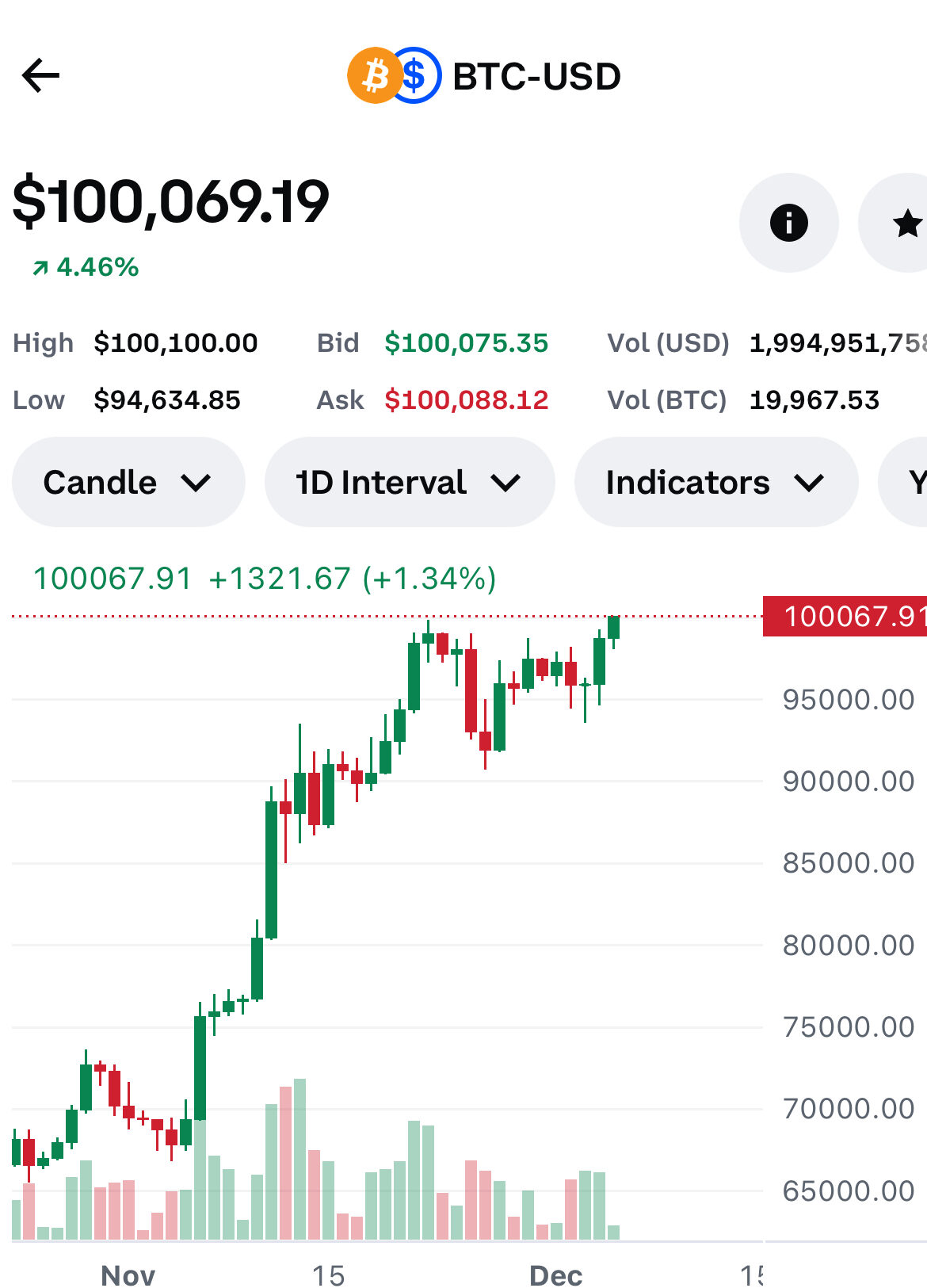
Bitcoin Breaks $100,000: A Historic Milestone in Digital Finance

Bitcoin has reached a momentous milestone, soaring past $100,000 for the first time in its history. What began as a radical experiment in decentralized finance over a decade ago has now become a cornerstone of the global financial ecosystem, reshaping the way we think about money and value.

This milestone represents more than just a price—it symbolizes the mainstream acceptance of cryptocurrency as a legitimate asset class. Bitcoin, often referred to as “digital gold,” has grown to rival traditional investments, offering a hedge against inflation, a store of value, and a beacon of financial innovation.

The Drivers Behind the Surge

Bitcoin’s ascent to $100,000 has been fueled by a confluence of factors. Institutional adoption has played a pivotal role, with major corporations, asset managers, and even governments integrating Bitcoin into their strategies. Regulatory clarity in key markets has also reduced uncertainty, inviting more investors to join the market.

Furthermore, macroeconomic factors, such as inflationary pressures and a weakening dollar, have accelerated Bitcoin’s adoption as a hedge against traditional financial instability. With growing trust in its security and utility, Bitcoin is no longer just an alternative—it’s becoming essential.

Altcoins Ride the Wave

As Bitcoin dominates headlines, altcoins like Stacks (STX), Hedera (HBAR), and XRP are also seeing increased attention. STX, with its innovative approach to enabling smart contracts on the Bitcoin blockchain, has attracted significant interest. Meanwhile, XRP continues to make strides in global payments, and HBAR is gaining traction as a leader in enterprise-grade blockchain technology.

These altcoins are benefiting from the broader market momentum, with many investors seeking opportunities beyond Bitcoin to diversify their portfolios.

What’s Next for Bitcoin?

The $100,000 milestone is a pivotal moment, but it also raises questions about the future. Will Bitcoin continue its upward trajectory, or will the market see a period of consolidation? Analysts remain optimistic, pointing to increasing adoption, the growing DeFi ecosystem, and the potential for further regulatory breakthroughs.

One thing is clear: Bitcoin’s journey is far from over. Its rise to $100,000 is not just a financial event—it’s a cultural and technological revolution. As Bitcoin continues to redefine the boundaries of what’s possible in finance, the world watches, ready for the next chapter in this extraordinary story.

For more insights and the latest cryptocurrency updates, visit www.futurefinancelab.com . Stay informed and ahead of the curve as we navigate this exciting new era in digital finance!

MicroStrategy’s Big Gamble: Pioneering the Future of Finance with Bitcoin

A Bet Worth Taking

When MicroStrategy made headlines for converting its corporate treasury into Bitcoin, skeptics raised eyebrows. Critics dismissed the move as reckless, gambling the company’s future on a volatile and unpredictable cryptocurrency. But for Michael Saylor, MicroStrategy’s executive chairman, the strategy was clear: Bitcoin isn’t just an investment—it’s a revolutionary asset poised to disrupt global finance.

With over 150,000 Bitcoin now in its portfolio, MicroStrategy isn’t just buying digital currency—it’s betting on a future where Bitcoin could become a global reserve asset. Let’s dive into why this vision, though ambitious, holds incredible potential.

The Digital Gold Standard

For centuries, gold served as the backbone of monetary systems. Its scarcity and durability made it a reliable store of value, anchoring economies through times of uncertainty. But in today’s digital world, the limitations of gold—its physicality, lack of portability, and difficulty in dividing or transferring it—have become glaringly evident.

Bitcoin is often called “digital gold” for a reason. It shares gold’s scarcity, with a fixed supply of 21 million coins, but eliminates the limitations of physical assets. Bitcoin can be transferred instantly across borders, stored securely in digital wallets, and divided into minuscule fractions, making it a perfect fit for the modern, interconnected economy.

MicroStrategy recognized this potential early, positioning itself as a corporate pioneer in this new digital gold rush.

Why Bitcoin, Why Now?

The global financial system is at a crossroads. Inflation is eroding the purchasing power of fiat currencies, central banks are printing money at unprecedented rates, and geopolitical tensions are shaking confidence in traditional economic models. In this context, Bitcoin represents a safe haven—a decentralized, transparent, and incorruptible asset that governments and central banks cannot manipulate.

By shifting its reserves into Bitcoin, MicroStrategy is hedging against the vulnerabilities of fiat systems. While other companies hold depreciating cash or low-yield bonds, MicroStrategy has transformed its balance sheet into a bet on the future of decentralized finance.

MicroStrategy’s Vision: Setting the Standard

Far from a speculative move, MicroStrategy’s Bitcoin strategy is rooted in a long-term vision. Saylor views Bitcoin as the most secure and reliable store of value ever created, comparing it to the rise of the internet in the 1990s. Just as companies that embraced the internet early gained an edge in the digital age, those adopting Bitcoin today could lead the next financial revolution.

MicroStrategy’s approach has already influenced other corporations and institutional investors. Tesla, Square (now Block), and even governments like El Salvador have followed suit, incorporating Bitcoin into their financial strategies. Saylor’s bold leadership has turned MicroStrategy into a beacon for businesses exploring the possibilities of Bitcoin.

Bitcoin as a Reserve Asset: A Paradigm Shift

The idea of Bitcoin becoming a global reserve asset is no longer a fringe concept. As a decentralized currency, Bitcoin transcends borders, politics, and monetary policies. It’s a neutral asset that can be held by individuals, corporations, and governments alike.

Imagine a future where central banks hold Bitcoin alongside gold and foreign currencies in their reserves. Such a scenario could stabilize Bitcoin’s price over time, as adoption increases and volatility diminishes. In this environment, companies like MicroStrategy would not only survive but thrive as early adopters of a transformative financial asset.

The Critics and the Risks

Of course, MicroStrategy’s strategy is not without detractors. Critics argue that tying the company’s fate to a volatile asset like Bitcoin is risky, especially given its price swings and regulatory uncertainty. If Bitcoin’s value crashes, MicroStrategy could face significant financial challenges, including its debt obligations tied to Bitcoin purchases.

However, these criticisms overlook the broader context. Bitcoin has demonstrated remarkable resilience, rebounding from every major downturn to reach new heights. Its network effect—driven by increasing adoption and limited supply—suggests that its value will continue to grow over time. For MicroStrategy, the risks are dwarfed by the potential rewards.

The Long-Term Vision

Michael Saylor has often compared Bitcoin to an unstoppable force, akin to the invention of electricity or the internet. His strategy is not about quarterly earnings or short-term gains—it’s about positioning MicroStrategy for the future. As the world moves toward digital assets, decentralized finance, and blockchain-based systems, Bitcoin’s role as a foundational asset will only grow.

By aligning itself with this vision, MicroStrategy is not just investing in Bitcoin—it’s leading a movement. It’s betting on a future where Bitcoin underpins the global economy, providing stability and value in an era of uncertainty.

A Bet Worth Taking

Critics may call it a gamble, but MicroStrategy’s Bitcoin strategy is a calculated move based on a deep understanding of the shifting financial landscape. In a world where fiat currencies lose value and trust in traditional systems erodes, Bitcoin offers a beacon of hope—a decentralized, transparent, and incorruptible store of value.

If Bitcoin becomes the global reserve asset, MicroStrategy won’t just survive—it will become a financial powerhouse, a pioneer that saw the future before anyone else. For Michael Saylor and MicroStrategy, the question isn’t whether Bitcoin will succeed—it’s whether the world is ready for the revolution they’ve already embraced.

MicroStrategy’s bold bet may very well shape the future of finance. And if they’re right, history will remember them not as gamblers, but as visionaries who redefined what it means to invest in tomorrow.

Finance Simplified: The Most Important Terms to Know

two white printer papers near macbook on brown surface

Page 1: Introduction & Basic Financial Terms

Welcome to Finance Simplified!
Understanding the language of finance is essential to making informed decisions about your money. This e-book will help you get familiar with key financial terms that are used in personal finance, investing, and business.

Finance doesn’t have to be complicated. Once you know the basics, you can navigate the world of finance with confidence.


Basic Financial Terms You Need to Know:

  • Assets: Anything you own that has value, like cash, property, or investments.
  • Liabilities: What you owe, such as loans, credit card debt, or mortgages.
  • Net Worth: The difference between your assets and liabilities. It tells you how financially healthy you are.
  • Income: The money you earn from work, investments, or a business.
  • Expenses: The money you spend on living costs, bills, and other financial obligations.

Understanding these basic terms helps you see where your money is going and where it’s coming from.


Page 2: Investment & Debt Terms

Investment Terms:

  • Stocks: Pieces of ownership in a company. When you buy stock, you own a small part of the company.
  • Bonds: Loans you give to companies or governments in exchange for interest payments.
  • Mutual Funds: A pool of money from many investors used to invest in a diversified portfolio of stocks, bonds, and other assets.
  • Dividends: A share of a company’s profits given to shareholders (usually in cash).
  • Capital Gains: The profit you make from selling an investment for more than you paid for it.

Debt & Loan Terms:

  • Credit: Money that is borrowed and expected to be paid back, often with interest.
  • Interest: The cost of borrowing money. It’s usually a percentage of the loan amount.
  • Mortgage: A loan specifically for purchasing a home, where the property serves as collateral.
  • Refinancing: Replacing an old loan with a new one, often to get better terms or a lower interest rate.
  • Default: Failing to repay a loan according to the agreed terms, which can affect your credit score.

These terms are crucial to understanding how money grows (investing) and how borrowing works.


Page 3: Financial Planning & Conclusion

Financial Planning Terms:

  • Budget: A plan that tracks your income and expenses. It helps you manage your money and save for your goals.
  • Emergency Fund: Money set aside for unexpected expenses, such as medical bills or car repairs.
  • Retirement Savings: Money you save and invest to provide for your future when you stop working.
  • Insurance: Financial protection against risks, such as car accidents or medical emergencies.
  • Taxes: Money you pay to the government based on your income and purchases.

Conclusion:

Now that you have a grasp of these important financial terms, you’re ready to take control of your finances. Understanding these words is the first step toward making smarter financial decisions.

To dive deeper into the world of finance and stay informed about new developments, become a member at futurefinancelab.com. As a member, you’ll gain access to exclusive content and insights to keep you ahead in the world of finance.

The Power of Dollar-Cost Averaging (DCA): A Smart Investment Strategy

Investing can feel overwhelming, especially with market volatility. Dollar-Cost Averaging (DCA) is a time-tested strategy that simplifies investing and helps mitigate the risks associated with market fluctuations. This article will explore how DCA works, provide real examples using Bitcoin and popular stocks, and show why this approach can benefit both new and seasoned investors.


What is Dollar-Cost Averaging (DCA)?

DCA involves investing a fixed amount of money at regular intervals, regardless of the asset’s price. This method avoids the pitfalls of trying to “time the market” and instead focuses on long-term growth. Over time, DCA can lower the average cost per share or unit compared to making a lump-sum investment during a market peak.


Real-Life Examples of DCA

Bitcoin (BTC): 2020–2023

Bitcoin is known for its extreme volatility, making it a prime candidate for demonstrating DCA.

  • Scenario: Investing $100 monthly in Bitcoin from January 2020 to December 2023.
  • Data:
    • Total Investment: $4,800 ($100 x 48 months)
    • Average Purchase Price: Approx. $18,500 per BTC
    • Value as of November 2023: $36,000 per BTC

By regularly buying Bitcoin, an investor would accumulate more BTC during price dips and less during peaks, leading to a substantial portfolio value of around $8,400 as of November 2023, almost doubling their investment.


Apple (AAPL): 2018–2023

Apple is a stable stock that has shown consistent growth, but even it isn’t immune to market swings.

  • Scenario: Investing $200 monthly in AAPL shares from January 2018 to December 2023.
  • Data:
    • Total Investment: $14,400 ($200 x 72 months)
    • Average Purchase Price: Approx. $115 per share
    • Current Price (as of November 2023): $190 per share

With DCA, an investor would have accumulated approximately 125 shares of AAPL over six years. As of November 2023, those shares would be worth $23,750, delivering a gain of over 65%.


Amazon (AMZN): 2020–2023

Amazon experienced significant ups and downs during the pandemic, making it another excellent DCA example.

  • Scenario: Investing $150 monthly in AMZN shares from January 2020 to December 2023.
  • Data:
    • Total Investment: $7,200 ($150 x 48 months)
    • Average Purchase Price: Approx. $105 per share
    • Current Price (as of November 2023): $140 per share

With 68 shares accumulated, the portfolio value would now stand at $9,520, reflecting a solid 32% return.


Why Choose DCA?

  1. Reduces Emotional Investing: It eliminates the stress of deciding whether to invest during market highs or lows.
  2. Encourages Discipline: Regular investments foster a habit of saving and investing over time.
  3. Lowers Risk: By spreading out purchases, you avoid putting all your money into the market at an inopportune moment.
  4. Works with Any Budget: DCA is scalable, making it accessible to all investors, whether they invest $50 or $5,000 monthly.

Things to Consider

  • Long-Term Commitment: DCA works best when you stick to the plan during both bull and bear markets.
  • Transaction Fees: Frequent purchases may incur higher fees. Choose platforms that offer low-cost trading options.
  • Research: DCA doesn’t guarantee profits. Always ensure you’re investing in high-quality assets with strong fundamentals.

Conclusion

Dollar-Cost Averaging is a proven strategy that helps investors navigate volatile markets with confidence. Whether you’re buying Bitcoin, tech stocks like Apple, or e-commerce giants like Amazon, DCA allows you to grow wealth steadily without the pressure of market timing.

Start small, stay consistent, and let time and patience be your strongest allies in building a robust portfolio.

Beginner’s Guide to Crypto Investment

Beginner’s Guide to Crypto Investment

Learn How to Invest in Crypto Responsibly

Investing in cryptocurrencies can be exciting and rewarding, but it’s essential to approach it with caution and strategy. This guide will help you understand the basics and make informed decisions while minimizing risks.


1. Understand the Basics

Before diving in, familiarize yourself with key terms and concepts:

  • Cryptocurrency: Digital or virtual currencies secured by cryptography (e.g., Bitcoin, Ethereum).
  • Blockchain: The technology that powers cryptocurrencies by maintaining a decentralized ledger.
  • Wallet: A digital tool for storing, sending, and receiving cryptocurrencies.

Tip: Start by researching popular cryptocurrencies like Bitcoin (BTC) and Ethereum (ETH) before exploring smaller projects.


2. Assess Your Financial Situation

Only invest money you can afford to lose. Cryptocurrencies are highly volatile, and prices can fluctuate dramatically.

  • Create an investment budget.
  • Build an emergency fund before allocating money to crypto.
  • Diversify your investments to balance risk.

3. Choose a Reliable Exchange

Select a trusted platform to buy and trade cryptocurrencies. Look for:

  • Security Features: Two-factor authentication (2FA), encryption, and cold storage.
  • Ease of Use: User-friendly interfaces for beginners.
  • Reputation: Platforms like Coinbase, Binance, and Crypto.com are widely recognized.

4. Secure Your Investments

Protect your cryptocurrencies by using secure storage solutions:

  • Hot Wallets: Convenient for frequent trading but vulnerable to online threats.
  • Cold Wallets: Offline storage, such as hardware wallets, offering maximum security.
  • Avoid sharing your private keys or passwords.

5. Start Small and Stay Informed

  • Begin with a small amount to get familiar with the process.
  • Regularly follow crypto news and trends from reliable sources.
  • Learn about emerging technologies and updates in the crypto space.

6. Beware of Scams

  • Avoid “get rich quick” schemes or unsolicited investment offers.
  • Verify the authenticity of any platform or project before investing.
  • Use official websites and links to avoid phishing attacks.

7. Long-Term Perspective

Cryptocurrencies can be a long-term investment. Avoid panic selling during market dips and focus on projects with solid fundamentals.

Remember: Patience is key.


8. Learn About Taxes and Regulations

Understand your country’s tax policies on crypto gains and abide by local regulations. Responsible investing includes reporting earnings correctly.


9. Tools and Resources

  • Portfolio Trackers: Apps like CoinGecko or Blockfolio to monitor your investments.
  • Educational Platforms: Future Finance Lab offers in-depth tutorials to guide you.

Ready to Start Your Crypto Journey?

Investing in cryptocurrencies responsibly requires knowledge, discipline, and a long-term approach. By following these tips, you can confidently take your first steps in the world of digital assets.

Explore More Resources

Check out our latest articles and tools to help you succeed in crypto investing at Future Finance Lab!