Investing in Robotics: High-Growth Stocks & Trends

The robotics industry is rapidly evolving, transforming sectors such as manufacturing, healthcare, logistics, and even finance. With automation, AI, and machine learning driving innovation, robotics presents a compelling investment opportunity for those looking to capitalize on the future of technology.

Why Invest in Robotics?

  1. Mass Adoption Across Industries – From self-driving cars to robotic surgery, automation is revolutionizing how businesses operate.
  2. Rising Market Demand – The global robotics market is expected to exceed $114 billion by 2025, driven by advancements in AI and automation.
  3. Cost Efficiency & Productivity Gains – Companies are adopting robotics to improve efficiency, reduce labor costs, and enhance precision.
  4. Government & Corporate Investment – Increasing funding and support for automation across industries signal long-term growth potential.

Top Robotics Stocks to Watch

1. NVIDIA (NVDA)

  • NVIDIA’s AI-powered GPUs are essential for robotic applications, from autonomous vehicles to industrial automation.
  • The company’s focus on AI and deep learning makes it a key player in the robotics ecosystem.

2. Tesla (TSLA)

  • Tesla’s advancements in AI and self-driving technology position it as a leader in autonomous robotics.
  • The development of humanoid robots, such as Tesla’s Optimus, highlights its long-term vision.

3. ABB Ltd (ABB)

  • A global leader in industrial robotics, ABB provides automation solutions for factories, logistics, and utilities.
  • Its strong presence in Europe and Asia makes it a solid pick for long-term growth.

4. Intuitive Surgical (ISRG)

  • The pioneer of robotic-assisted surgery, Intuitive Surgical’s da Vinci system is transforming healthcare.
  • With an increasing number of hospitals adopting robotic surgery, this company stands at the forefront of medical robotics.

5. Boston Dynamics (Owned by Hyundai Motor Company – HYMTF)

  • Known for its advanced robotics, including Spot and Atlas, Boston Dynamics is pushing the boundaries of AI-powered automation.
  • Hyundai’s investment in mobility solutions makes this a stock to watch.

Emerging Trends in Robotics Investment

1. AI & Machine Learning Integration

  • AI-driven robotics are enabling smarter automation, improving adaptability in industrial applications.
  • Companies focusing on AI-driven automation, like UiPath (PATH), are gaining investor interest.

2. Autonomous Vehicles & Smart Logistics

  • Self-driving technology is expanding beyond Tesla, with companies like Waymo (Alphabet’s subsidiary) and Nuro leading innovation.
  • Robotics in warehouses, such as Amazon’s automation, is creating new investment opportunities.

3. Human-Robot Collaboration (Cobots)

  • Collaborative robots (cobots) are designed to work alongside humans in industries like healthcare and manufacturing.
  • Companies such as Universal Robots (a Teradyne subsidiary) are seeing increased adoption.

4. Space Robotics & Exploration

  • NASA, SpaceX, and private space companies are investing in robotics for planetary exploration and satellite servicing.
  • Astrobotic Technology and other emerging firms are working on autonomous space robots.

How to Invest in Robotics?

  1. Individual Stocks – Directly invest in robotics companies like those listed above.
  2. ETFs & Index Funds – Diversify with funds like the Global X Robotics & Artificial Intelligence ETF (BOTZ)or ROBO Global Robotics & Automation Index ETF (ROBO).
  3. Venture Capital & Startups – Early-stage investments in robotics startups offer high-reward potential.
  4. Tokenized Assets & Digital Securities – Some blockchain platforms now offer tokenized investments in tech startups, including robotics firms.

Final Thoughts

The robotics revolution is already here, and investors who recognize the potential early stand to benefit significantly. With AI, automation, and machine learning at the forefront, robotics stocks and ETFs provide strong opportunities for portfolio growth.

Want deeper insights into high-growth tech investments? Join FutureFinanceLab.com for exclusive market analysis, trends, and expert discussions on robotics, AI, and the future of investing!


Is 2025 the Year of the Next Recession?

The economy moves in cycles, and every investor wants to know: Is 2025 the year we face the next recession? While headlines stir fear, the smart money is already positioning—not panicking.

Key Indicators to Watch

✅ Interest Rates & Inflation: The Federal Reserve’s decisions will determine liquidity and borrowing costs. A prolonged high-rate environment could slow growth, but an easing policy might signal recovery.

✅ Global Economic Shifts: Emerging markets, supply chain dynamics, and geopolitical events will play a major role in shaping financial stability.

✅ Investor Sentiment: Fear-driven markets often create buying opportunities for those who can think long-term.

What History Tells Us

Markets have always faced downturns, yet every past recession has led to new waves of innovation, wealth-building, and opportunity. The elite don’t react—they anticipate. They position themselves ahead of trends and capitalize when others hesitate.

The Future Isn’t Just About Survival—It’s About Strategy

Instead of fearing the downturn, learn how to navigate it. Understand market cycles, recognize undervalued assets, and leverage emerging financial opportunities.

🚀 Want real insights, not just media noise? Join FutureFinanceLab.com for expert analysis, investment strategies, and access to a community of forward-thinking investors. The game doesn’t stop—position yourself to win.

Emerging Market Opportunities in 2025 & Beyond 🚀

The global economic landscape is shifting fast, and emerging markets (EMs) are at the center of high-growth investment opportunities. Driven by technology, deglobalization, and shifting supply chains, these markets are redefining global wealth creation. Here’s where the smart money is flowing in 2025:


1️⃣ Digital Payment & Fintech Boom

🌍 Opportunity: Many emerging markets skipped traditional banking and went straight to mobile-first digital finance. Fintech startups are transforming payments, lending, and remittances.
📌 Hot Markets:

  • India 🇮🇳 (UPI dominance, rapid digital lending expansion)
  • Africa 🌍 (M-Pesa, crypto adoption, neobanks on the rise)
  • Latin America 🇧🇷 (Nubank, MercadoPago growing fast)
    🚀 Why? The unbanked population is shrinking, and digital finance adoption is accelerating.

2️⃣ AI & Automation in Manufacturing

🌍 Opportunity: With the West reducing dependence on China, Vietnam, India, and Mexico are emerging as key manufacturing powerhouses.
📌 Hot Markets:

  • Vietnam 🇻🇳 (Electronics & textiles boom)
  • Mexico 🇲🇽 (Nearshoring benefits from US-China trade shifts)
  • India 🇮🇳 (Semiconductors, Apple supply chain moves)
    🚀 Why? Global firms reshoring and diversifying their supply chains are creating massive industrial growth.

3️⃣ Renewable Energy & Critical Metals

🌍 Opportunity: The energy transition is driving huge demand for lithium, nickel, and rare earth metals for EV batteries and renewables.
📌 Hot Markets:

  • Chile & Argentina 🇨🇱🇦🇷 (Lithium Triangle dominance)
  • Indonesia 🇮🇩 (Nickel refining leader)
  • Africa 🌍 (Cobalt, rare earth elements crucial for tech)
    🚀 Why? EVs & solar demand are skyrocketing, fueling commodity supercycles.

4️⃣ Emerging Market Stock & Crypto Opportunities

🌍 Opportunity: Digital assets and equity markets in emerging economies are outperforming developed nations.
📌 Hot Markets:

  • Brazil & India 🇧🇷🇮🇳 (Strong GDP growth, booming stock markets)
  • Middle East & Africa 🌍 (Crypto-friendly policies, financial hubs emerging)
  • Southeast Asia 🌏 (Web3 adoption, tokenized assets on the rise)
    🚀 Why? Institutional investors piling into EM assets for growth + diversification.

Conclusion: Where to Look in 2025?

🔥 Tech & fintech will lead financial inclusion.
⚙️ Automation & AI are reshaping supply chains.
⚡ Energy & commodities will drive global inflation trends.
💰 Stock & crypto markets in EMs are set for long-term growth.

Want deeper insights into emerging markets & investment trends? 🚀
📢 Join FutureFinanceLab.com for expert analysis & exclusive opportunities!

The Collapse of the Dollar: Fact or Fiction? – How Bitcoin, Gold, and AI-Driven DeFi Play a Role

The U.S. dollar has long been the backbone of global finance, but with rising debt, inflation concerns, and shifting geopolitical dynamics, some believe its dominance is at risk. Could Bitcoin, gold, and AI-driven decentralized finance (DeFi) reshape the future of money?

Is the Dollar Really in Danger?

  • Debt & Inflation: Trillions in U.S. debt and aggressive money printing raise concerns about long-term stability.
  • De-Dollarization: Countries like China and Russia are exploring alternatives, reducing dependence on the USD.
  • CBDCs & AI Finance: Governments are pushing for central bank digital currencies (CBDCs), while AI-driven DeFi offers a decentralized alternative.

The Rise of Bitcoin, Gold & DeFi

  • Bitcoin as Digital Gold: A hedge against inflation and centralized monetary policies.
  • Gold’s Timeless Value: A historically stable asset during economic uncertainty.
  • AI & DeFi Disrupting Finance: Smart contracts, algorithmic trading, and decentralized lending challenge traditional banking.

What’s Next?

While the dollar isn’t collapsing overnight, alternative assets are gaining traction. The financial landscape is shifting—will you adapt? Stay informed with the latest insights at FutureFinanceLab.com.

AI-Powered Market Manipulation – Is Wall Street Outsmarting Retail Investors?

Artificial intelligence (AI) is reshaping financial markets, giving institutional traders a powerful edge. With AI-driven algorithms analyzing data in milliseconds, retail investors often find themselves at a disadvantage. But is Wall Street using AI to manipulate the market?

How AI Gives an Edge to Big Players

  • High-Frequency Trading (HFT): AI algorithms execute trades at lightning speed, potentially front-running retail orders.
  • Market Sentiment Exploitation: AI scans news and social media to predict trends before the public reacts.
  • Artificial Volatility: Some firms use rapid trades to create price swings that retail investors unknowingly follow.

Should Retail Traders Be Concerned?

With institutional AI systems dominating the market, retail traders struggle to compete. Regulators are trying to catch up, but transparency remains a challenge. However, AI-powered tools for retail investors are emerging, aiming to level the playing field.

The future of trading will depend on who controls AI—and whether retail investors can access the same technology. Stay ahead of the game with the latest insights at FutureFinanceLab.com.

TSMC Stock Analysis: The Future of Semiconductors & Investment Potential

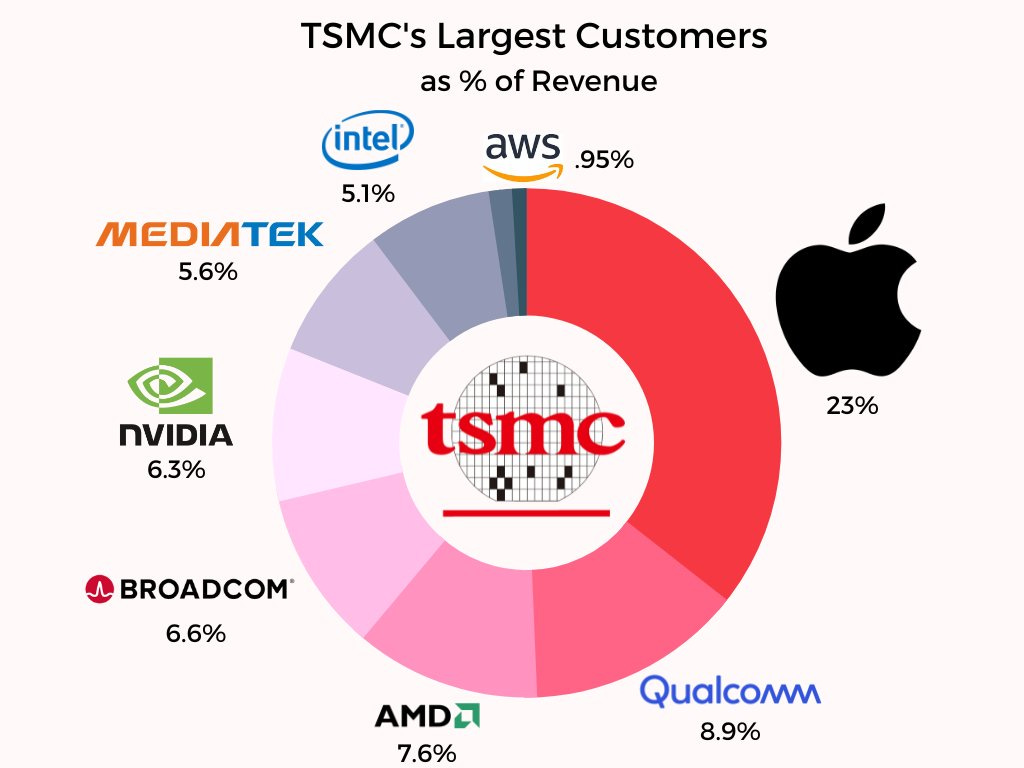
Taiwan Semiconductor Manufacturing Company (TSMC) is the backbone of the global semiconductor industry, producing chips for tech giants like Apple, Nvidia, and AMD. As the world’s largest and most advanced chipmaker, TSMC plays a critical role in powering AI, 5G, and next-generation computing. But is TSMC stock a buy today? Let’s break it down with both bullish and bearish perspectives.

The Bull Case: Why TSMC Could Keep Climbing

1. Dominance in Cutting-Edge Chip Manufacturing

TSMC’s technological leadership is unmatched. Its 3nm and upcoming 2nm nodes place it ahead of competitors like Intel and Samsung, ensuring demand from high-profile clients.

2. Rising AI and High-Performance Computing Demand

The explosion of AI, autonomous vehicles, and high-performance computing means TSMC’s chips are more critical than ever. As companies race to integrate AI, TSMC benefits from strong long-term growth trends.

3. Global Expansion & U.S. Investments

With new facilities in the U.S. and Japan, TSMC is diversifying production beyond Taiwan, reducing geopolitical risks while securing subsidies and incentives from governments looking to strengthen domestic chip production.

4. Financial Strength & Profitability

TSMC boasts robust profit margins and a strong balance sheet, allowing it to invest heavily in future technology while still delivering consistent earnings growth.

The Bear Case: Risks Investors Should Consider

1. Geopolitical Tensions

The ongoing tensions between China and Taiwan pose a major risk. Any disruption to TSMC’s operations could send shockwaves through the tech industry and financial markets.

2. Cyclicality of the Semiconductor Industry

The semiconductor industry is known for boom-and-bust cycles. A slowdown in tech spending or excess chip supply could hurt TSMC’s revenue in the short term.

3. Increased Competition

Intel and Samsung are aggressively investing in advanced manufacturing, aiming to catch up with TSMC. While TSMC holds a strong lead, any missteps could allow competitors to gain ground.

4. Rising Costs & Supply Chain Challenges

Building new fabs is expensive, and supply chain disruptions could impact profitability. As the company expands, managing costs while maintaining efficiency is a crucial challenge.

The Bottom Line: Is TSMC Stock a Buy?

TSMC remains a dominant force in the semiconductor industry, positioned at the heart of major technological advancements. While risks exist, its innovation and market leadership make it a compelling long-term investment.

Want deeper insights and real-time analysis? Become a member of Future Finance Lab and gain exclusive access to expert research, market trends, and investment opportunities. Join us today and stay ahead in the financial markets!

Tesla’s Path Forward: Is Now the Time to Buy or Wait?

Tesla (TSLA) remains one of the most closely watched stocks in the market, trading around $262 today. Despite its long history of volatility, Tesla continues to push boundaries in electric vehicles, autonomous driving, and artificial intelligence. But with growing competition and recent stock declines, investors are wondering: Is Tesla at a turning point, or is there more downside ahead?


Recent Stock Performance: Volatility in Motion

Tesla’s stock has been on a downward trajectory, slipping significantly from its highs. While this decline has sparked concern among investors, it also presents an opportunity—especially for those who believe in the company’s long-term vision.

Several key factors have influenced this pullback:
✅ Slower Delivery Growth – Tesla’s European deliveries in January 2025 were nearly 50% lower than the previous year, raising concerns about demand.
✅ Intensifying Competition – Companies like BYD and legacy automakers are ramping up EV production, some even offering free advanced driver-assistance systems that challenge Tesla’s paid Full Self-Driving (FSD) model.
✅ Market Sentiment & Geopolitics – Tesla has been caught in the broader market selloff, and CEO Elon Musk’s political presence has added another layer of uncertainty.


The Case for Optimism: Tesla’s Next Moves

Despite short-term challenges, Tesla remains one of the most innovative companies in the world, with several upcoming catalysts that could reshape its future.

🔹 Affordable SUV Coming in 2025 – Tesla is launching a cheaper SUV designed to attract a wider audience and drive global EV adoption.

🔹 Robotaxis & Autonomous Driving – Testing for Level 3 Full Self-Driving (FSD Unsupervised) is set to begin in Austin, Texas, this June. While Tesla aims for full-scale deployment by 2026, analysts expect it closer to 2028.

🔹 Expanding Profit Streams – Beyond cars, Tesla is growing its revenue through energy storage, AI training (Dojo), and vehicle insurance, making it less reliant on auto sales alone.

🔹 Cost Efficiency & Manufacturing Advances – Tesla continues to cut production costs, which could improve margins and help sustain long-term profitability.


Should You Buy Tesla Stock Now?

Tesla is currently trading above its fair value estimate of $250 but far below its 52-week high. Analysts have mixed views:

📉 Bearish Case: Some believe Tesla still faces pricing pressures, increased competition, and delayed autonomous vehicle rollouts.
📈 Bullish Case: Others argue that Tesla’s investments in self-driving tech, AI, and energy storage could unlock massive new revenue streams in the coming years.

💡 Investor Takeaway: Tesla is a high-risk, high-reward stock. If you’re a long-term believer in EVs and AI, this dip might be a buying opportunity. If you’re cautious, waiting for a lower entry point—closer to $250—could offer a better margin of safety.


Final Thoughts

Tesla’s journey is far from over. While short-term volatility is inevitable, the company’s vision for autonomous driving, mass EV adoption, and AI-powered robotics keeps it ahead of the curve. Whether you’re buying now or waiting for a better price, Tesla remains a stock that demands attention.

🚀 The future of mobility is being written today—will you be part of it?


Want deeper insights and real-time analysis? Become a member of Future Finance Lab and gain exclusive access to expert research, market trends, and investment opportunities. Join us today and stay ahead in the financial markets!

Beginner’s Guide to Common Investment Strategies

If you’re new to investing, you might feel overwhelmed by all the different strategies out there. Don’t worry—I’ve got you covered! Here’s a bite-sized breakdown of six key investment approaches, so you can find the one that fits your goals and risk level.


1️⃣ Contrarian Investing – Buy When Others Are Fearful

🔑 Key Idea: Go against the crowd and invest in assets that others are avoiding.
📈 Best For: Risk-takers who believe in long-term market cycles.
📊 Example: Buying stocks when the market is crashing, expecting them to rebound later.
🔥 Works Best In: Extreme market conditions (when fear is high).


2️⃣ Growth Investing – Bet on the Future

🔑 Key Idea: Invest in companies expected to grow fast, like tech startups.
📈 Best For: Those willing to take on more risk for higher potential rewards.
📊 Example: Investing in companies like Tesla or Nvidia before they became giants.
🔥 Works Best In: Bull markets (when the economy is growing).


3️⃣ Income Investing – Get Paid While You Wait

🔑 Key Idea: Focus on investments that pay you regularly, like dividend stocks.
📈 Best For: Investors looking for steady, passive income.
📊 Example: Buying shares in companies like Coca-Cola that pay dividends.
🔥 Works Best In: Stable markets.


4️⃣ Index Investing – Set It and Forget It

🔑 Key Idea: Invest in the entire market instead of picking individual stocks.
📈 Best For: Beginners and long-term investors who want simple, low-cost investing.
📊 Example: Buying an S&P 500 ETF to own a small piece of the top 500 U.S. companies.
🔥 Works Best In: Any market condition.


5️⃣ Momentum Investing – Ride the Wave

🔑 Key Idea: Buy stocks that are already trending up and sell before the trend fades.
📈 Best For: Short-term traders who follow market trends.
📊 Example: Buying stocks that have been rising fast, like AI companies.
🔥 Works Best In: Trending markets.


6️⃣ Value Investing – Buy Low, Sell High

🔑 Key Idea: Find great companies that are undervalued and wait for their price to rise.
📈 Best For: Patient investors who believe in long-term wealth building.
📊 Example: Warren Buffett’s approach—buying solid businesses at a discount.
🔥 Works Best In: Bear markets or when stocks are undervalued.


Which Strategy is Right for You?

There’s no one-size-fits-all answer. Your best strategy depends on:
✅ Your risk tolerance (Are you comfortable with market ups and downs?)
✅ Your time horizon (Do you want short-term gains or long-term wealth?)
✅ Your financial goals (Are you looking for income, growth, or stability?)

👉 Want to learn more and start your journey? Join FutureFinanceLab.com for expert insights, tools, and a community of smart investors like you! 🚀

Option Trading Strategies: A Simplified Guide

Options trading can seem complex, but understanding a few key strategies can help traders manage risk and maximize potential returns. Whether you’re new to options or looking to refine your approach, this guide will break down essential strategies in a simplified way.

What Are Options?

Options are financial contracts that give traders the right—but not the obligation—to buy or sell an asset at a predetermined price before a specific expiration date. There are two main types:

  • Call options: Give the right to buy an asset at a set price.
  • Put options: Give the right to sell an asset at a set price.

Traders use options for speculation, hedging risk, or generating income. Now, let’s explore the key strategies.


1. Covered Call (Income Strategy)

Best for: Generating income while holding a stock.
covered call involves owning a stock and selling a call option against it. If the stock price stays below the option’s strike price, the trader keeps the premium (income). If the stock rises above the strike price, they must sell at that price.

✅ Pros: Generates passive income, reduces downside risk.
❌ Cons: Limits upside potential if the stock rises significantly.

Example:

  • You buy 100 shares of XYZ at $50.
  • You sell a call option with a $55 strike price for $2 per share.
  • If XYZ stays below $55, you keep the $200 premium. If it rises above $55, you sell at that price, missing any gains beyond it.

2. Protective Put (Insurance Strategy)

Best for: Protecting against downside risk.
protective put involves buying a put option on a stock you own. If the stock price falls, the put option increases in value, limiting losses.

✅ Pros: Protects against major losses.
❌ Cons: Costs money (premium), reducing overall profits.

Example:

  • You own 100 shares of ABC at $100.
  • You buy a put option with a $95 strike price for $3 per share.
  • If ABC drops to $80, the put lets you sell at $95, limiting losses.

3. Long Straddle (Volatility Play)

Best for: Betting on big price moves (up or down).
long straddle involves buying both a call and a put option at the same strike price and expiration. It profits if the asset moves significantly in either direction.

✅ Pros: Profits from volatility regardless of direction.
❌ Cons: Expensive (requires buying both options).

Example:

  • You buy a call and put on XYZ at $50 for $5 each.
  • If XYZ moves to $65 or $35, you profit. If it stays near $50, you lose the premiums.

4. Iron Condor (Range-Bound Strategy)

Best for: Profiting from low volatility.
An iron condor is a combination of four options that profits if the stock remains within a certain range.

✅ Pros: Profits from stability (not big movements).
❌ Cons: Limited profit potential.

Example:

  • XYZ is trading at $50.
  • You sell a $55 call and a $45 put, while buying a $60 call and a $40 put.
  • If XYZ stays between $45 and $55, you collect the premiums.

Which Strategy Should You Use?

  • If you own stocks and want extra income → Covered Call
  • If you fear a market drop → Protective Put
  • If you expect big moves (but unsure of direction) → Long Straddle
  • If you think the stock will stay stable → Iron Condor

Understanding these strategies can help traders manage risks and make informed decisions in options trading.

Want more insights? Join FutureFinanceLab.com for in-depth analysis and trading education.

Wall Streets Crypto Embrace: Big Banks Quietly Moving In

In a surprising but increasingly evident shift, major financial institutions are making bold moves into the cryptocurrency space. The recent news that BNY Mellon, Citi, State Street, Bank of Montreal, and Goldman Sachs are engaging in various crypto-related activities signals a growing institutional appetite for digital assets. While regulatory uncertainty has kept traditional banks at bay for years, the tide appears to be turning.

A New Era for Crypto Custody and Investment

State Street & Citi Bank Enter Crypto Custody

According to reports, State Street and Citi Banks two of the worlds largest custodian banks are launching crypto custody services. This is a significant move, as custodian banks play a crucial role in safeguarding institutional assets. With State Street managing over $44 trillion in assets and Citi Bank overseeing around $2.14 trillion, their involvement in digital asset custody could bridge the gap between traditional finance and crypto.

Crypto custody services allow institutional investors to hold Bitcoin and other digital assets securely, which has been a key barrier preventing mainstream adoption. This development suggests that demand for crypto exposure among institutional clients is reaching new highs.

Bank of Montreal Quietly Accumulating Bitcoin ETFs

While some banks are focused on infrastructure, others are making direct investments. The Bank of Montreal (BMO) has reportedly been quietly accumulating Bitcoin ETFs. This indicates growing confidence in Bitcoin as a long-term asset and suggests that institutional players are looking to gain exposure to crypto in regulated and familiar ways.

Bitcoin ETFs have gained significant traction recently, providing a more accessible investment vehicle for both retail and institutional investors. BMOs actions reflect a broader trend of financial institutions positioning themselves ahead of potential future price surges.

Goldman Sachs Betting Big on Bitcoin and Ethereum

Perhaps the most striking development comes from Goldman Sachs, which has been betting billions on Bitcoin and Ethereum amid price volatility. While Goldman Sachs has had a love-hate relationship with crypto in the past, the firm is now actively trading and profiting from digital asset volatility.

This move suggests that major financial institutions are no longer just experimenting with crypto—they are actively engaging in it as a core part of their trading strategies. As more firms follow Goldmans lead, the crypto market could see increased liquidity and stability.

Why Are Banks Moving Into Crypto Now?

Several factors are driving this institutional shift toward crypto:

1. Regulatory Clarity is Improving : Governments and financial watchdogs are starting to provide clearer frameworks for institutional crypto adoption.

2. Institutional Demand is Surging : Hedge funds, pension funds, and high-net-worth individuals are demanding exposure to digital assets.

3. Crypto is Becoming a Mainstream Asset Class:The rise of Bitcoin ETFs and blockchain integration into finance has made digital assets more appealing.

4. Competitive Pressure :As more banks embrace crypto, others risk falling behind if they don’t adapt.

What This Means for the Future of Crypto

The involvement of these major banks legitimizes cryptocurrency in a way that was previously unthinkable. While retail investors have been active in crypto for over a decade, institutional adoption has been the missing piece. With trillions in assets under management, these financial giants could dramatically reshape the crypto landscape.

As more banks roll out custody services, investment products, and trading desks, cryptocurrency could become as integral to financial markets as traditional assets like stocks and bonds. For crypto investors, this institutional embrace is bullish, as it increases adoption, liquidity, and long-term stability.

One thing is certain: Wall Street is no longer ignoring crypto it’s moving in.

By joining FutureFinanceLab.com, you’ll not only learn how to get started but also discover advanced strategies to grow your portfolio and manage risks effectively.

Start your crypto journey today!