Exploring the MedTech Sector: Innovation, Growth, and Future Trends

The MedTech sector—short for medical technology—is one of the most dynamic and rapidly evolving industries in the world today. It includes everything from medical devices and diagnostic tools to robotic surgery and wearable health tech. This article will explore the importance of MedTech, the trends driving its growth, and how it’s revolutionizing healthcare globally.


What is MedTech?

MedTech refers to any technology used in the prevention, diagnosis, treatment, or monitoring of medical conditions. It encompasses a broad range of products and solutions that help improve patient outcomes, increase the efficiency of healthcare systems, and enhance the quality of life for patients.

Some common examples of MedTech products include:

  • Diagnostic devices (e.g., MRI machines, blood glucose monitors)
  • Surgical instruments (e.g., minimally invasive robots, stents)
  • Therapeutic devices (e.g., pacemakers, infusion pumps)
  • Wearables (e.g., fitness trackers, smartwatches that monitor heart rate or sleep)

Why is the MedTech Sector Growing?

The MedTech sector is experiencing significant growth due to several key factors:

  1. Aging Population:
    The global aging population is driving increased demand for medical devices and services. Older adults are more likely to experience chronic conditions that require continuous monitoring or intervention, such as heart diseasediabetes, and arthritis.
  2. Advances in Technology:
    Breakthroughs in artificial intelligence (AI)robotics, and 3D printing are enhancing the design, development, and functionality of MedTech products. For example, robotic surgery offers greater precision, shorter recovery times, and fewer complications for patients.
  3. Shift to Minimally Invasive Procedures:
    There’s a growing preference for minimally invasive surgeries. Procedures that require smaller incisions result in quicker recoveries and less pain, and they are more cost-effective, benefiting both patients and healthcare providers.
  4. Health Monitoring and Personalization:
    The rise of wearables and smart medical devices allows for real-time health monitoring, leading to more personalized care. These devices can track vital signs and send alerts to both patients and doctors, enabling earlier intervention for conditions like heart disease and diabetes.
  5. Increased Investment and Funding:
    The MedTech industry has attracted substantial venture capital investment due to the increasing demand for innovative healthcare solutions. Startups and established companies alike are pushing the boundaries of medical technology to provide cutting-edge solutions.

Key Areas Driving MedTech Innovation

  1. Robotic Surgery:
    Robotic-assisted surgery is transforming how surgeons perform operations. Robots like Intuitive Surgical’s da Vinci system provide greater precision and flexibility, improving patient outcomes. Surgeons can perform complex procedures with smaller incisions, reducing recovery times.
  2. Wearable Health Devices:
    Wearables like smartwatches and fitness trackers are not only popular for fitness tracking but also provide valuable health insights. Devices that monitor heart rateblood oxygen levels, and ECG can help detect abnormalities early and prevent more serious health issues.
  3. 3D Printing in Healthcare:
    3D printing has been a game-changer in the MedTech sector. It allows for the creation of custom prosthetics, implants, and even bioprinted tissues. This technology is reducing costs and improving the personalization of medical devices.
  4. Artificial Intelligence (AI) in Diagnostics:
    AI is enhancing medical imaging and diagnostic accuracy. By analyzing images like X-rays, MRIs, and CT scans, AI algorithms can help detect conditions like cancer and neurological disorders earlier than traditional methods, offering better outcomes for patients.
  5. Minimally Invasive Devices:
    Devices that support minimally invasive surgeries (e.g., stentscatheters) continue to evolve, offering fewer complications and faster recovery times. Innovations in this space are expanding the options available for surgeons and reducing the strain on healthcare systems.

Challenges in the MedTech Sector

While MedTech is booming, it’s not without its challenges:

  1. Regulatory Hurdles:
    The medical device industry is highly regulated, and navigating through the approval processes (e.g., FDA approval) can be lengthy and expensive. Companies must meet strict safety and efficacy standards before their products can reach the market.
  2. Data Privacy and Security:
    With the increasing use of health data from devices and wearables, there are concerns about data security and privacy. Protecting sensitive health information is a critical issue that companies must address.
  3. Cost Pressures:
    Healthcare costs continue to rise globally, and MedTech companies face pressure to keep prices competitive while maintaining high quality. Innovative products, especially cutting-edge technologies, can be expensive, making affordability a key concern.
  4. Ethical Issues:
    As technologies like AI and robotic surgery become more prevalent, there are ongoing discussions about the ethical implications of these technologies in patient care, such as privacy concerns and decision-making transparency.

The Future of MedTech

The future of MedTech looks promising, with continuous advancements in AI, robotics, and personalized medicine. The global shift to digital health and telemedicine will also shape the industry’s growth, allowing for greater access to healthcare worldwide. Furthermore, as more individuals become health-conscious, the demand for self-care devices will increase, contributing to the sector’s expansion.

The MedTech sector is set to play an increasingly vital role in shaping the future of healthcare, helping to create more efficient, accessible, and personalized care for patients everywhere.


The Wealthy Mindset: Shifting from Spending to Investing

Building wealth isn’t just about earning more money—it’s about how you think about and use the money you already have. At its core, the wealthy mindset isn’t defined by the size of your paycheck but by your approach to financial decisions. The key shift? Moving from a spending-focused mindset to an investing-focused one.

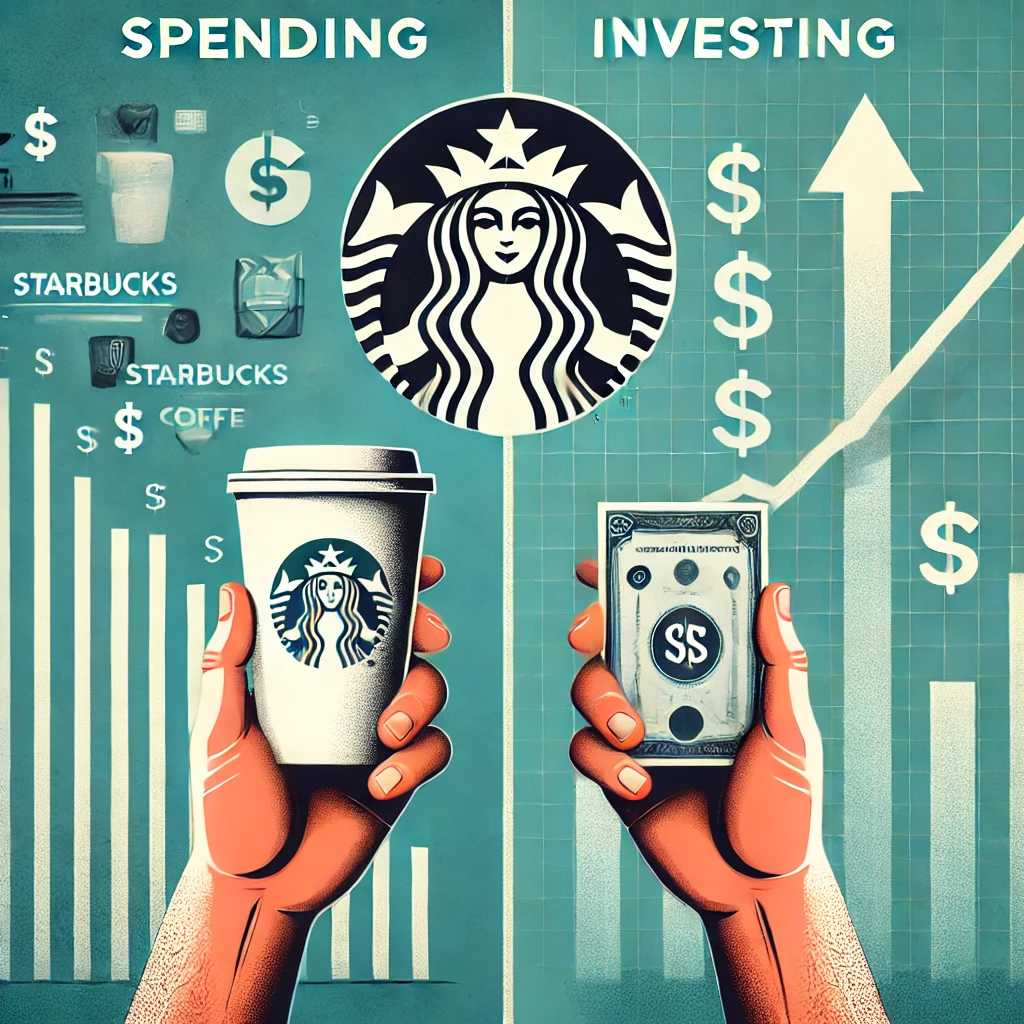
Understanding the Difference: Spending vs. Investing

Spending is transactional. You exchange money for goods or services, and once the transaction is complete, the money is gone. Investing, on the other hand, is strategic. It involves putting money into assets or opportunities with the expectation of generating future returns.

For example:

  • Spending: Buying the latest smartphone or a luxury car.
  • Investing: Purchasing stocks, real estate, or starting a side business.
  • Real-Life Example: Instead of spending $5 every day on a Starbucks coffee, you could invest that $5 into Starbucks stock. Over time, the stock could grow in value, provide dividends, and potentially yield far greater returns than the short-term pleasure of a daily coffee.

While spending satisfies immediate desires, investing builds long-term financial stability and wealth.

The Mindset Shift

To cultivate a wealthy mindset, you must view money as a tool for growth, not just consumption. Here are key principles to adopt:

  1. Focus on Assets, Not Liabilities: Prioritize purchases that appreciate in value or generate income.
  2. Delayed Gratification: Resist impulse spending and prioritize long-term financial goals.
  3. Continuous Learning: Stay informed about financial markets, investment opportunities, and wealth-building strategies.
  4. Make Your Money Work for You: Passive income streams, such as dividends or rental income, can create financial freedom.

Practical Steps to Start Investing

  1. Set Clear Financial Goals: Understand what you’re investing for—retirement, financial independence, or a specific milestone.
  2. Start Small: You don’t need large sums to begin investing. Even small, consistent contributions can grow significantly over time.
  3. Diversify Your Investments: Spread your money across different assets to minimize risk.
  4. Automate Investments: Set up automatic transfers to your investment accounts to ensure consistency.

Overcoming Common Barriers

  • Fear of Risk: Educate yourself to make informed decisions and understand that all investments carry some level of risk.
  • Lack of Knowledge: Use resources like FutureFinanceLab.com to expand your financial literacy.
  • Instant Gratification Culture: Remind yourself of the long-term benefits of investing.

Final Thoughts

Adopting a wealthy mindset isn’t about restricting yourself from enjoying life. It’s about aligning your financial habits with your long-term goals. Every dollar spent is a choice—a choice between fleeting pleasure and future security.

At Future Finance Lab, we believe in equipping individuals with the tools and knowledge to make smarter financial choices. Shift your focus from spending to investing, and watch how your financial future transforms.

Starting a Portfolio in 5 Steps: Stocks, Crypto, and Beyond

Building an investment portfolio might seem intimidating, but with the right approach, anyone can start growing their wealth. Whether you’re interested in stocks, cryptocurrencies, or other assets, this guide breaks it down into 5 clear steps to set you on the path to financial success.


Step 1: Define Your Investment Goals

Before investing, you need to know why you’re investing. Are you saving for retirementbuying a home, or just looking to grow your wealth over time?

Ask Yourself:

  • What’s my investment timeline? (Short-term, medium-term, or long-term)
  • How much risk am I comfortable with? (Low, medium, or high)
  • What’s my initial investment budget?

Quick Tip: For long-term goals, you can generally afford to take more risk, while short-term goals may require safer assets.


Step 2: Choose Your Asset Mix

A balanced portfolio includes a mix of stocks, crypto, bonds, ETFs, and other assets to reduce risk and optimize returns.

Common Asset Classes:

  • Stocks: Ownership in a company; offers growth potential but can be volatile.
  • Crypto: High-risk, high-reward digital assets like Bitcoin and Ethereum.
  • ETFs (Exchange-Traded Funds): Diversified funds traded like stocks.
  • Real Estate or REITs: Investments in physical properties or property portfolios.

Quick Tip: Beginners might start with 70% stocks, 20% crypto, and 10% bonds/ETFs, adjusting based on risk tolerance.


Step 3: Pick the Right Platforms

Choosing the right platforms makes investing easier and safer.

Recommended Platforms:

  • Stocks & ETFs: Fidelity, Vanguard, or Robinhood
  • Crypto: Coinbase, Binance, or Crypto.com
  • Diversified Portfolios: Wealthfront or Betterment

Quick Tip: Look for platforms with low feeseasy interfaces, and strong security features.


Step 4: Start Small and Invest Regularly

You don’t need a fortune to start investing—consistency is key.

Best Practices:

  • Start with as little as $50-$100 per month.
  • Use Dollar-Cost Averaging (DCA)—invest a fixed amount regularly, regardless of market conditions.
  • Reinvest dividends to grow your portfolio faster.

Quick Tip: Automate your investments to ensure you never miss a contribution.


Step 5: Monitor and Adjust Your Portfolio

Investing isn’t a set-it-and-forget-it game. Review your portfolio at least once a quarter to make sure it aligns with your goals.

Key Actions:

  • Rebalance your portfolio if one asset class becomes too dominant.
  • Stay updated on market trends.
  • Don’t panic-sell during market downturns—think long-term.

Quick Tip: Diversify across industries, regions, and asset types to spread risk.


Bonus Tip: Educate Yourself

Investing isn’t a one-time skill—it’s an ongoing learning process.

  • Follow trusted financial blogs (like FutureFinanceLab.com! 😉)
  • Read books like “The Intelligent Investor” by Benjamin Graham
  • Stay informed about market news

Final Thoughts

Starting an investment portfolio doesn’t have to be complicated. By setting clear goals, diversifying your assets, and staying consistent, you’ll be well on your way to building lasting wealth.

For more tips and resources, visit FutureFinanceLab.com and start your financial journey today! 🚀

How to Build an Emergency Fund Without Cutting Everything Out

Building an emergency fund can feel overwhelming, especially when you’re already managing monthly bills, debt, and day-to-day expenses. The good news? You don’t need to cut out every luxury or live on instant noodles to save effectively. In this article, we’ll explore realistic strategies to build your financial safety net without sacrificing everything you enjoy.


1. Start Small, Stay Consistent

You don’t need to save thousands overnight. Begin with a realistic goal, like saving $500 as your first milestone. Small, consistent contributions add up over time.

Practical Tip:

  • Automate a small weekly transfer (e.g., $10-$20) into your emergency fund.
  • Use the 50/30/20 budget rule: 50% for needs, 30% for wants, and 20% for savings.

Why It Works: Automating savings removes the temptation to spend money that’s meant for your fund.


2. Save Unexpected Income

Windfalls like tax refunds, bonuses, or cash gifts are great opportunities to boost your savings without affecting your regular budget.

Practical Tip:

  • Allocate at least 50% of any windfall directly into your emergency fund.

Why It Works: You won’t miss money you weren’t expecting in the first place.


3. Identify ‘Invisible’ Savings Opportunities

Small, unnoticed habits can drain your wallet—think daily coffee runs or multiple streaming subscriptions. You don’t have to eliminate them entirely; just adjust.

Practical Tip:

  • Replace 2-3 café coffees a week with home-brewed ones.
  • Cancel one underused subscription and redirect that money to savings.

Why It Works: Minor adjustments are easier to sustain long-term than drastic sacrifices.


4. Set a Realistic Monthly Goal

Instead of aiming to save half your paycheck, set an achievable monthly savings goal based on your income and expenses.

Practical Tip:

  • Start with 5-10% of your monthly income.
  • Treat it like a non-negotiable bill.

Why It Works: Smaller, regular contributions are more manageable and less intimidating.


5. Use Spare Change Apps

Micro-saving apps like Acorns or Qapital round up your purchases to the nearest dollar and deposit the difference into savings.

Practical Tip:

  • Enable automatic round-ups on your debit or credit card.

Why It Works: You’ll save money without even noticing it’s gone.


6. Sell Unused Items

Decluttering your home can also declutter your finances. Sell unused clothes, electronics, or furniture online.

Practical Tip:

  • Use platforms like eBay, Facebook Marketplace, or Poshmark.
  • Put all earnings directly into your emergency fund.

Why It Works: Turning clutter into cash is a win-win.


7. Celebrate Small Wins

Every $100 saved is a step closer to financial security. Celebrate milestones to keep yourself motivated.

Practical Tip:

  • Set mini-goals ($100, $500, $1,000).
  • Reward yourself with small, guilt-free treats after reaching a milestone.

Why It Works: Positive reinforcement helps you stay committed to your savings journey.


Final Thoughts

Building an emergency fund doesn’t require extreme sacrifices. With consistent habits, smart strategies, and a little patience, you can create a financial cushion that brings peace of mind—without giving up every little joy in life.

Start small, stay consistent, and remember: every dollar counts.

For more financial tips and resources, visit FutureFinanceLab.com.

How to Grow Your Wealth by Investing $50 Weekly: A Diversified Approach

Investing $50 every week might seem small, but with a well-structured, diversified portfolio that includes Bitcoin, S&P 500 ETFs, and other key assets, it can become a powerful wealth-building strategy over time. In this guide, we’ll explore how consistent weekly investments can grow over 1, 5, and 10 years—and how you can get started with insights from FutureFinanceLab.com.


📊 Why a Diversified Portfolio Matters

A diversified portfolio spreads your $50 across different asset classes, reducing risk while increasing potential returns. Here’s an example breakdown:

  • 40% in S&P 500 ETFs: Steady, long-term growth through exposure to leading U.S. companies.
  • 30% in Bitcoin: High-risk, high-reward potential from cryptocurrency.
  • 20% in Global/Tech ETFs: Broader exposure to international and tech-focused stocks.
  • 10% in Bonds or Stable Assets: Stability during market downturns.

This blend offers growth, protection against volatility, and long-term sustainability.


🚀 Investment Growth Projections Over Time

1-Year Outlook

  • Total Invested: $2,600 ($50 × 52 weeks)
  • Expected Growth:
    • S&P 500 ETFs (7% return): $1,040 → ~$1,110
    • Bitcoin (10-20% variable return): $780 → ~$860–$930
    • Global/Tech ETFs (6-8% return): $520 → ~$550–$560
    • Bonds/Stable Assets (3% return): $260 → ~$267

💼 Total Estimated Portfolio Value: ~$2,780–$2,867

🔑 Key Takeaway: In the first year, growth may seem modest, but consistency is building a strong foundation.


5-Year Outlook

  • Total Invested: $13,000 ($50 × 52 weeks × 5 years)
  • Expected Growth:
    • S&P 500 ETFs: $5,200 → ~$7,300
    • Bitcoin: $3,900 → ~$6,000–$8,000
    • Global/Tech ETFs: $2,600 → ~$3,500
    • Bonds/Stable Assets: $1,300 → ~$1,500

💼 Total Estimated Portfolio Value: ~$18,300–$20,300

🔑 Key Takeaway: Compound growth starts showing significant results by year five, with Bitcoin contributing to higher upside potential.


10-Year Outlook

  • Total Invested: $26,000 ($50 × 52 weeks × 10 years)
  • Expected Growth:
    • S&P 500 ETFs: $10,400 → ~$21,000
    • Bitcoin: $7,800 → ~$15,000–$25,000
    • Global/Tech ETFs: $5,200 → ~$10,000
    • Bonds/Stable Assets: $2,600 → ~$3,500

💼 Total Estimated Portfolio Value: ~$49,500–$59,500

🔑 Key Takeaway: The power of consistency and compounding creates impressive long-term results. Bitcoin’s volatility may cause larger swings, but overall diversification balances risk and reward.


📚 Why FutureFinanceLab.com is Your Go-To Resource

At FutureFinanceLab.com, we focus on making financial education accessible and practical. Whether you’re a beginner or an experienced investor, you’ll find:

✅ Step-by-step investment guides
✅ Real-time market analysis
✅ Updates on Bitcoin, ETFs, and diversified portfolios
✅ Personalized AI-driven financial insights

Stay informed, make smarter investment choices, and grow your financial future with confidence.


🛠️ Steps to Start Investing $50 Weekly

  1. Open an Investment Account: Choose a broker or investment app with access to ETFs, Bitcoin, and diversified funds.
  2. Automate Weekly Investments: Set up recurring deposits every week.
  3. Diversify Smartly: Allocate your $50 across different assets as shown above.
  4. Track Performance: Regularly review and rebalance your portfolio.
  5. Educate Yourself: Stay updated with resources from FutureFinanceLab.com.

🌟 Final Thoughts

Investing $50 weekly isn’t just about the amount—it’s about consistency, discipline, and diversification. By spreading your investment across Bitcoin, ETFs, and other assets, you reduce risk and maximize growth potential over time.

Start today, stick to your plan, and let FutureFinanceLab.com guide you on your journey to financial freedom. 🚀

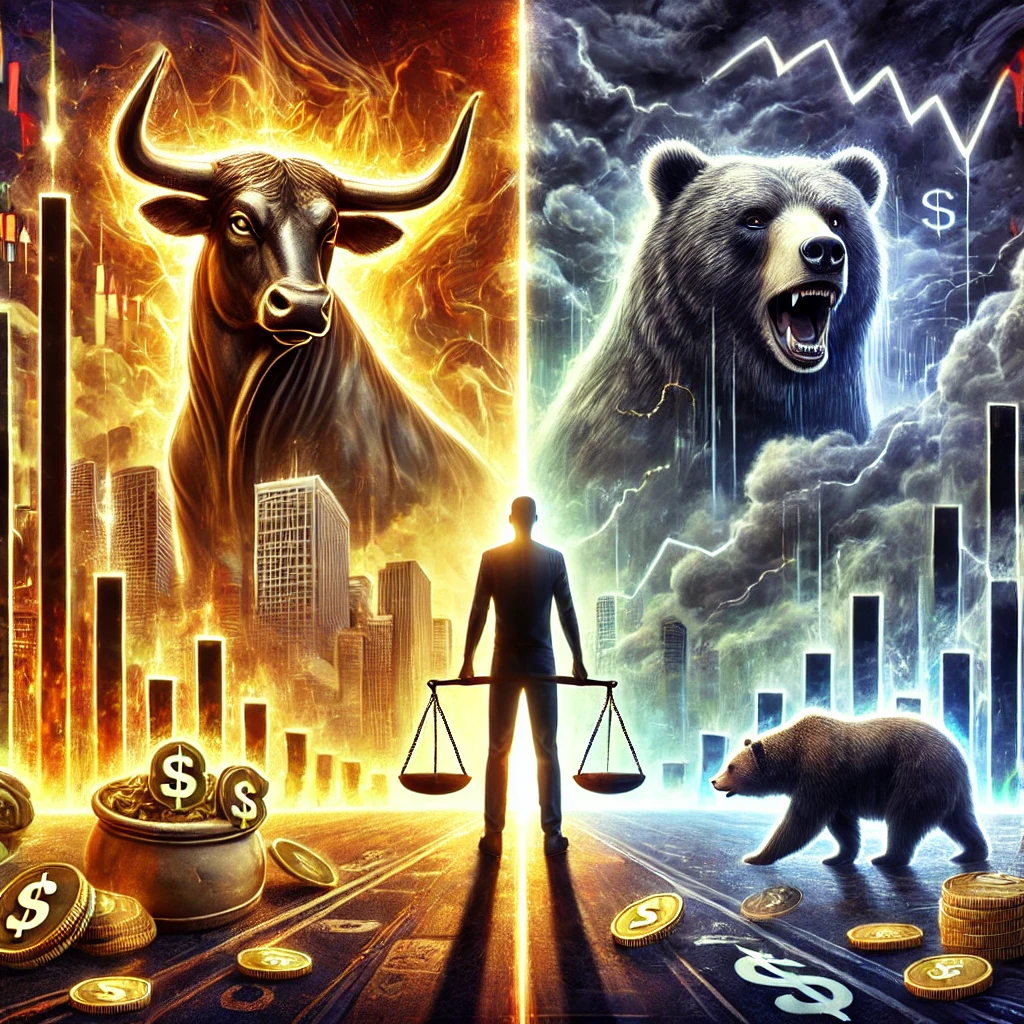
Greed and Fear: The Twin Forces Driving Financial Markets

Financial markets are a reflection of human emotion, where greed and fear play leading roles. These two forces influence investors’ decisions, often driving them to irrational behaviors. To navigate the complexities of investing, understanding how greed and fear operate is essential—especially when examining historical events like the 2008 financial crisis.

Warren Buffett’s Timeless Advice

Warren Buffett, renowned for his wisdom and long-term investing approach, provided a valuable perspective on these emotions in his 2008 letter to shareholders following the market crash. His advice remains as relevant today as it was then:

“Be fearful when others are greedy, and greedy when others are fearful.”

This philosophy underscores the importance of contrarian thinking in investing. When fear dominates and prices plummet, opportunities for value investing emerge. Conversely, when markets are euphoric, inflated prices often signal increased risk.

Behavioral Finance: The Psychology of Markets

Behavioral finance explores how psychological factors influence financial decisions. By analyzing these biases, investors can better understand market trends and their own tendencies.

  1. Herd Mentality
    Investors often follow the crowd, leading to booms and busts. During the 2008 crisis, fear drove mass sell-offs, causing markets to spiral downward. Similarly, unchecked optimism during the housing bubble fueled overvaluation.
  2. Loss Aversion
    This bias, where losses hurt more than gains feel rewarding, often leads investors to avoid risks or hold onto losing investments, hoping for a rebound.
  3. Overconfidence
    In bull markets, many investors believe they can outsmart the market, feeding speculative bubbles. This overconfidence often results in poor timing and costly mistakes.

Lessons from the 2008 Financial Crisis

The 2008 financial crisis serves as a textbook example of greed and fear at work. Excess greed in the form of subprime mortgages and complex financial instruments pushed markets to unsustainable levels. When the bubble burst, fear caused a massive sell-off, leading to a global recession.

In his letter, Buffett emphasized sticking to investment fundamentals, maintaining a long-term outlook, and avoiding speculative behavior. His advice highlights the importance of emotional discipline during turbulent times.

Practical Tips for Managing Greed and Fear

  • Focus on Value: Invest in quality assets at reasonable prices, avoiding the temptation of chasing speculative trends.
  • Stay Rational: Develop a disciplined investment strategy and stick to it, even during market highs or lows.
  • Learn from History: Understanding past market cycles can help anticipate future trends and avoid common pitfalls.
  • Diversify: Spread investments across asset classes to minimize risks associated with extreme market swings.

Join Our Community of Learners

Markets will always be influenced by greed and fear, but successful investors learn to recognize and manage these emotions. At Future Finance Lab, we’re dedicated to helping you master the tools and knowledge needed to thrive in today’s financial landscape.

By becoming a member, you’ll gain access to personalized learning experiences, expert insights, and a community of like-minded individuals passionate about financial growth. From market analysis to cryptocurrency and personal finance strategies, our platform empowers you to take control of your financial journey.

Join us today to be part of a growing community that prioritizes learning, rational decision-making, and long-term success. Together, we can turn fear into opportunity and greed into thoughtful action.

👉 Become a Member Now and start building a smarter financial future!

How to Diversify Your Portfolio Across Digital Assets and Traditional Markets

Diversification isn’t limited to cryptocurrencies. A balanced investment strategy also includes traditional markets like stocks, ETFs, and bonds. Here’s a simple guide to diversifying across both digital and traditional assets:


Step 1: Understand the Basics of Diversification

Diversifying spreads your investments across various asset classes to manage risk effectively. It ensures that a poor performance in one area doesn’t heavily impact your entire portfolio.


Step 2: Diversify Across Asset Classes

A well-rounded portfolio might include:

1. Cryptocurrencies:

  • Blue-Chip Cryptos: Bitcoin (BTC) and Ethereum (ETH) are market leaders.
  • Altcoins: Consider newer projects like Solana (SOL) or Chainlink (LINK).
  • Stablecoins: Use USDC or DAI for liquidity and protection during market dips.
  • DeFi Tokens & NFTs: Exposure to decentralized finance and virtual assets adds growth potential.

2. Stock Market:

  • Individual Stocks: Focus on blue-chip companies, growth stocks, or dividend-paying shares.
  • ETFs: Exchange-traded funds like S&P 500 ETFs (e.g., SPY or VOO) provide broad market exposure.
  • Thematic ETFs: Consider funds focusing on technology, clean energy, or blockchain.

3. Bonds:

  • Bonds provide stability and predictable returns, offsetting the volatility of cryptos.

4. Commodities:

  • Investments in gold, silver, or even digital gold tokens offer a hedge against inflation.

Step 3: Tailor to Your Risk Tolerance

  • High-Risk Assets: Cryptos and growth stocks offer high potential returns but are volatile.
  • Moderate-Risk Assets: ETFs and DeFi tokens provide balanced growth.
  • Low-Risk Assets: Stablecoins, bonds, and dividend stocks ensure safety and steady income.

Step 4: Stay Consistent

Adopt strategies like Dollar-Cost Averaging (DCA) to reduce the impact of market fluctuations. Invest consistently over time, buying more assets when prices dip.


Step 5: Monitor and Rebalance

Over time, some investments may grow faster than others, skewing your portfolio. Periodically review and rebalance your allocation.


Step 6: Leverage Tools and Insights

At FutureFinanceLab.com, members gain access to:

  • AI-Powered Recommendations: Personalized advice based on your goals.
  • Exclusive Reports: In-depth analyses of crypto, ETFs, and stock trends.
  • Simulators & Tools: Experiment with portfolio strategies risk-free.
  • Community Discussions: Share insights with like-minded investors.

Why Diversify?

  1. Mitigate Risks: Spread your exposure across different markets and industries.
  2. Optimize Returns: Seize opportunities in both traditional and emerging sectors.
  3. Achieve Stability: Balance volatility with reliable assets like bonds or stablecoins.

Driving Through a Foggy Night: Powell’s Metaphor for the Fed’s Cautious Path

In a pivotal moment during today’s Federal Reserve meeting, Chair Jerome Powell used a striking metaphor to describe the challenges of navigating monetary policy in the current economic climate. He likened the Fed’s approach to driving on a foggy night, where the road ahead is unclear and careful adjustments are essential to avoid going off course.

This simple yet evocative image perfectly captures the complexities the Fed is grappling with: balancing inflation control, economic growth, and financial stability, all while peering through the haze of unpredictable global and domestic factors.


What Powell Meant by the “Foggy Night”

Powell’s metaphor reflects three key uncertainties facing the Fed:

  1. Inflation’s Path:
    While inflation has moderated from its pandemic-era peaks, it remains stubbornly above the Fed’s 2% target. Powell emphasized the challenge of predicting how quickly it will decline, given persistent wage pressures and supply chain disruptions that still linger in pockets of the economy.
  2. Economic Momentum:
    The U.S. economy has shown surprising resilience, with strong labor markets and steady consumer spending. But questions linger about whether this strength can endure as higher interest rates weigh on borrowing and investment.
  3. Global and Domestic Risks:
    Powell acknowledged that geopolitical tensions, volatile energy markets, and shifts in fiscal policy add layers of complexity, making the economic outlook even murkier.

When you’re driving through fog, you rely on limited visibility, adjusting your speed and course as you encounter each obstacle. Similarly, Powell’s Fed is moving cautiously, reacting to new data and avoiding bold moves that could lead to unintended consequences.


Why the “Fog” Matters to You

The metaphor of a foggy night resonates not just for economists and investors but for everyday people, too. Here’s how:

  1. Borrowers:
    For those with mortgages, car loans, or credit cards, the Fed’s cautious approach means interest rates might remain elevated for a bit longer. Refinancing decisions or new loans will need careful consideration.
  2. Savers and Retirees:
    Higher rates might seem like a boon for savings accounts, but uncertainty about inflation and future rate cuts can complicate long-term financial planning.
  3. Investors:
    Whether you’re in stocks, bonds, or crypto, Powell’s “foggy night” highlights the need for patience. Volatility is likely to persist, and markets will continue to react sharply to incoming data.
  4. Business Owners:
    For companies, especially small businesses, unclear economic conditions mean making tough calls on hiring, expansion, and inventory.

How the Markets Interpreted the Fog

The markets weren’t thrilled by Powell’s metaphor. A cautious Fed means no quick return to the era of ultra-low interest rates, and investors responded with a risk-off attitude:

  • Stocks plunged, with major indices dropping 2-3%.
  • Bitcoin tumbled, reflecting broader market jitters.
  • Treasury yields rose, signaling a shift in expectations for higher long-term rates.

Powell’s careful tone reminded investors that the path ahead isn’t straightforward, and the Fed is prepared to slow its pace to avoid missteps.


Lessons From the Foggy Road

Navigating uncertainty is something we all face, whether in monetary policy or daily life. Powell’s metaphor offers a timeless lesson: when the road ahead is unclear, the best course of action is to slow down, proceed with caution, and adjust as visibility improves.

For the Fed, this means being data-driven and adaptable. For everyone else—borrowers, savers, investors—it’s a reminder to take stock of your financial situation, stay informed, and prepare for potential twists and turns.

Like any journey through fog, the conditions won’t last forever. Clarity will return, and the Fed will eventually have a clearer road map. But until then, Powell’s words remind us to stay alert, stay cautious, and trust that every cautious step forward brings us closer to the destination.

Bitcoin, the Fed, and the Market Dance: A Day in Crypto’s World

As I scrolled through the headlines this morning, the air was charged with anticipation: the Federal Reserve was gearing up for its final monetary policy decision of the year. Would they cut rates? Hold steady? Hike unexpectedly? For market-watchers like me, it’s the kind of day where even a sip of coffee feels like a luxury—everything is moving fast, especially in the volatile world of Bitcoin.

The Fed, true to the whispers of analysts, trimmed interest rates by 0.25%. The new target range: 4.25% to 4.5%. While this was expected, it wasn’t without drama. The Fed Chair, Jerome Powell, delivered his trademark cautious optimism, hinting at only two further cuts in 2025, fewer than the market had hoped. And just like that, the ripple effects began.

Bitcoin: The Risk Asset with a Mind of Its Own

Bitcoin has been described as “digital gold,” a hedge against inflation, a decentralized store of value. But on days like today, Bitcoin behaves less like gold and more like a thrill-seeking daredevil. As Powell’s words sank in, Bitcoin took a sharp tumble, falling below the $101,000 mark after flirting with $107,000 earlier in the day.

Why? It’s all about sentiment. In recent years, Bitcoin has grown up. It’s no longer a niche playground for tech geeks—it’s a macroeconomic participant, reacting to central bank decisions and global liquidity just like equities.

When the Fed signaled a slower pace of rate cuts, the message was clear: easy money isn’t coming back as quickly as some investors hoped. And Bitcoin, often seen as a high-risk, high-reward asset, reflected that sentiment instantly.

The Market Mood

Traditional markets weren’t immune to the Fed’s cautious tone either. The S&P 500 sank 2.6%, the Nasdaq dropped over 3%, and Treasury yields ticked higher. The stock market was throwing its own tantrum, and Bitcoin was caught in the crossfire.

It was a reminder of just how interconnected everything is. In 2023, Bitcoin’s correlation to tech stocks began to fade, but the connection hasn’t disappeared completely. A risk-off mood in equities often spills over into crypto.

But here’s the twist: Bitcoin’s dip wasn’t met with despair.

A Silver Lining?

Scrolling through Twitter, Telegram groups, and crypto forums, there was a surprising undercurrent of optimism. Long-term holders saw this dip not as a warning but as an opportunity. “Bitcoin under $101K is a gift,” one post declared confidently. Others pointed out that BTC has weathered far worse storms and emerged stronger.

And that’s what fascinates me about Bitcoin. It’s not just an asset; it’s a movement. Every pullback, every surge carries with it a narrative that transcends numbers. Today’s drop? For some, it’s the Fed tightening the leash on risk assets. For others, it’s just another moment in Bitcoin’s endless dance of volatility—a feature, not a bug.

Lessons From the Day

Here’s the thing about days like today: they remind you why you’re in the game. Bitcoin, for all its volatility, is a mirror to the broader financial ecosystem. The Fed’s decisions, inflation numbers, geopolitical events—they all manifest in Bitcoin’s price chart with stunning immediacy.

But there’s another lesson, too: patience. Markets overreact in the short term, but long-term trends tell the real story. As I watched Bitcoin bounce slightly off its lows, I thought about how many times I’d seen this play out. Back in 2020, a dip to $10K felt catastrophic. Today, $101K feels like a minor blip.

That’s the journey Bitcoin takes you on—a rollercoaster of emotions, sure, but also a journey of perspective.

Where Do We Go From Here?

Nobody knows. And that’s the beauty of it. The Fed may have a roadmap for rates in 2025, but markets—and especially Bitcoin—have a way of surprising everyone.

If today’s action taught me anything, it’s this: Bitcoin thrives on chaos. And for those of us along for the ride, days like today are why we’re here. It’s not just about the price—it’s about witnessing the evolution of a financial revolution, one Fed meeting at a time.

Tomorrow’s another day. The market will open, Bitcoin will move, and the dance will continue. The question isn’t whether Bitcoin will recover—it’s whether you’re ready to keep up with the music.